

Introduction:
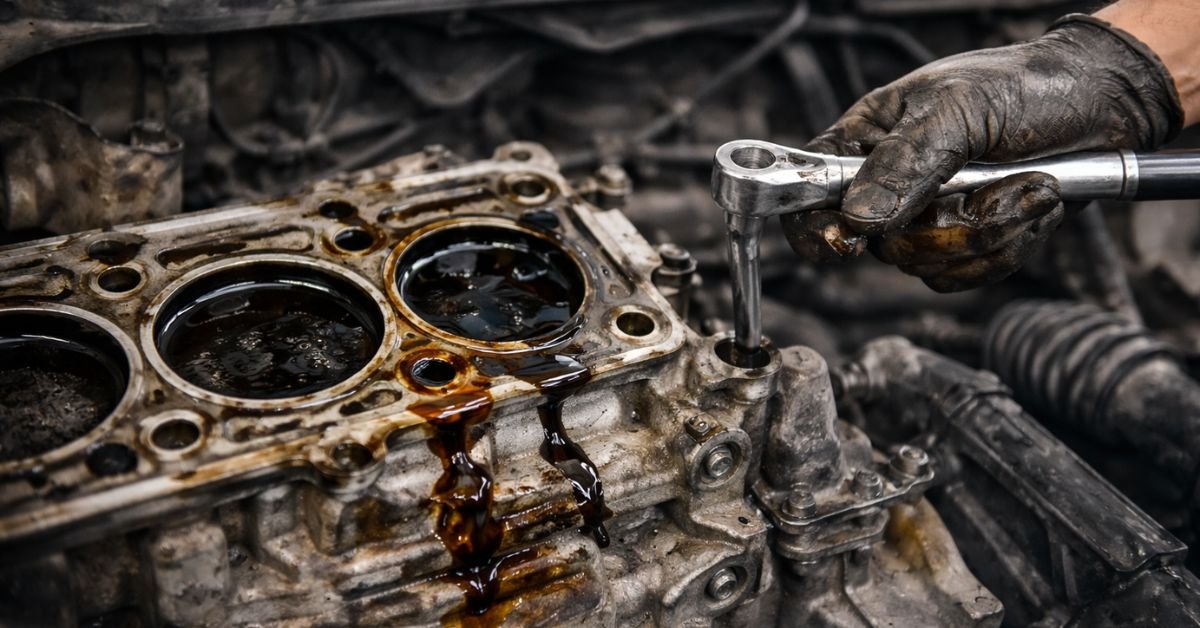
Oil from a head gasket means engine oil is leaking from the seal between the engine block and the cylinder head. This gasket keeps oil, coolant, and gases separated. When it fails, oil can escape and cause problems. Attention needs to be paid to this serious issue.
Have you noticed oil spots under your car or a burning smell while driving? These can be early warning signs. Ignoring them can lead to bigger engine damage and costly repairs. Many drivers don’t realize the problem until it gets worse.
In this guide, you will learn the common causes of oil from a head gasket. You will also understand the warning signs and simple ways to fix it. This will help you protect your engine and avoid expensive repairs.
What Does Oil From Head Gasket Mean?
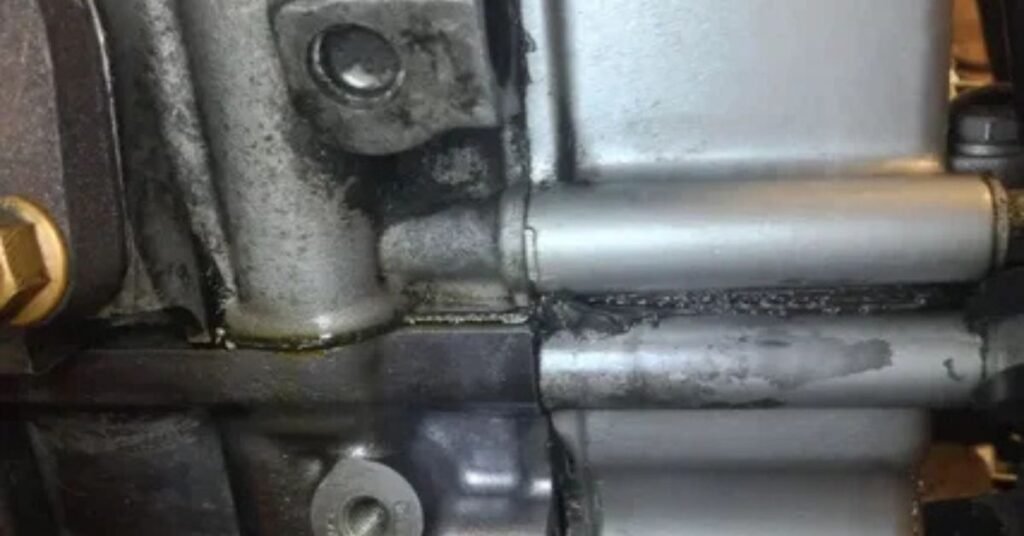
Oil from a head gasket means engine oil is leaking from the seal that sits between the engine block and the cylinder head. This gasket keeps oil and coolant in their correct paths. When it gets damaged, oil can escape from the edges. You may see oil around the engine or under the car. It is often a sign that the gasket is no longer sealing properly.
This problem can happen due to heat, pressure, or wear over time. The engine runs at high temperatures, and the gasket can weaken slowly. Once it fails, oil may leak outside or mix with other fluids. This can affect engine performance and safety. You can avoid serious engine damage by fixing it early.
How a Head Gasket Works in Your Engine
Between the cylinder head and the engine block is the head gasket. It seals the engine so oil, coolant, and gases stay in the right channels. This helps the engine run smoothly and maintain proper pressure. It also prevents fluids from mixing with each other. A strong gasket is important for engine performance and safety.
Why Oil Leaks Happen Around the Head Gasket
Oil leaks happen when the head gasket becomes weak or damaged. High heat and pressure can wear it out over time. Sometimes, poor installation or old age can also cause failure. When the seal breaks, oil can escape from the edges. This leads to visible leaks and can harm the engine if not fixed quickly.
Common Causes of Oil From Head Gasket
- Engine overheating weakens the gasket over time
- Old or worn-out gasket loses its sealing strength
- Poor installation causes gaps and oil leaks
- High engine pressure pushes oil past the seal
- Low-quality gasket material fails quickly
- Lack of regular maintenance damages engine parts
- Dirty or contaminated oil affects gasket performance
- Sudden temperature changes crack the gasket surface
Engine Overheating and Gasket Failure
Engine overheating is one of the main reasons a head gasket fails. When the engine gets too hot, the gasket material becomes weak and starts to break down. Over time, it cannot seal the engine properly. This allows oil to leak out. If not fixed, it can lead to serious engine damage.
Poor Installation or Worn-Out Gasket
A head gasket can also fail if it is not installed correctly. Even a small mistake during fitting can cause leaks later. In other cases, the gasket simply wears out with age. Heat, pressure, and time slowly reduce its strength. Once it weakens, oil starts to escape from the engine.
High Engine Pressure Issues
High engine pressure can force oil past the head gasket seal. This usually happens when there is a problem inside the engine. Blocked passages or faulty components can increase pressure levels. The gasket is not designed to handle extra force. As a result, oil leaks begin and may get worse over time.
Signs of Oil From Head Gasket You Shouldn’t Ignore
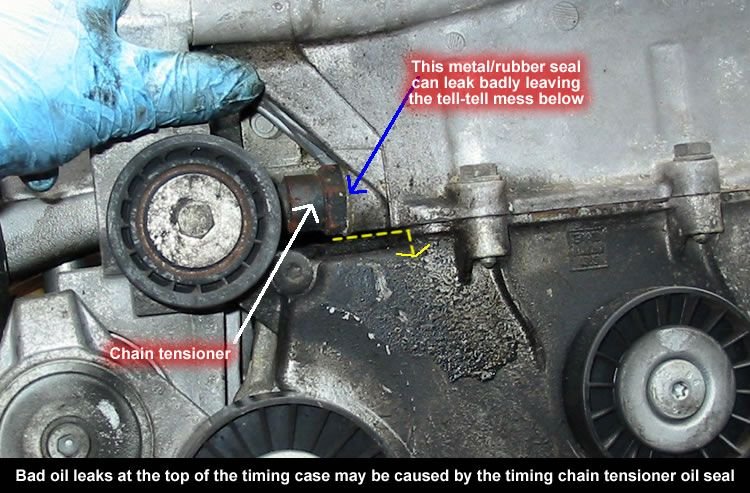
Oil from a head gasket often shows early warning signs before major damage happens. Many drivers ignore these signals and face expensive repairs later. If you notice unusual changes in your car, it could be related to a gasket leak. Paying attention early can save your engine.
Below are the most common signs explained in a simple way:
| Sign | What You Notice | What It Means |
| Oil leaks under the car | Dark spots on ground | Gasket may be leaking oil |
| Burning smell | Smell from engine area | Oil is dripping on hot parts |
| White smoke | Smoke from exhaust | Possible internal leak |
| Engine overheating | Temperature rising fast | Cooling and sealing issue |
| Loss of power | Car feels weak | Engine not working efficiently |
| Rough engine sound | Unusual knocking or shaking | Internal pressure problem |
These signs often appear together when the gasket starts failing. If you see more than one symptom, it is a strong warning. The issue should be checked as soon as possible to avoid serious engine damage.
Signs of Oil From Head Gasket You Shouldn’t Ignore
- Oil leaks forming under the engine
- Burning oil smell from the engine bay
- White smoke coming from exhaust
- Engine overheating frequently
- Loss of power while driving
- Rough engine idle or shaking
- Coolant or oil level dropping quickly
- Engine misfiring or poor performance
Is It Safe to Drive With Oil From a Head Gasket?
Driving with oil leaking from a head gasket is not safe for your car. This problem shows that the engine seal is already damaged. If you continue driving, the leak can get worse quickly. It can also lead to overheating and serious engine failure. Small damage can turn into a very expensive repair.
Here are the main risks of driving with this issue:
- Engine overheating during normal driving
- Sudden loss of engine power
- Oil leaking onto hot engine parts
- Increased risk of complete engine failure
- Expensive repair costs if ignored
It is always better to stop driving and get the car checked. Early repair can save your engine and money.
Short-Term vs Long-Term Risks
When you drive with oil from a head gasket, the problem may not look serious at first. In the short term, the car may still run normally with small warning signs. But over time, the damage becomes worse. Ignoring it can lead to major engine failure.
Here are the main risks explained simply:
Short-term risks:
- Small oil leaks under the engine
- Slight engine overheating
- Mild burning smell
Long-term risks:
- Severe engine overheating
- Complete head gasket failure
- Engine breakdown on the road
- Very expensive repairs or engine replacement
Potential Engine Damage Costs
The cost of fixing oil from a head gasket depends on how early the problem is caught. If repaired quickly, the cost is usually low and limited to a simple gasket fix.
But if the damage is ignored, repair costs can become very high. It may lead to full engine repair or even engine replacement, which is very expensive.
Potential Engine Damage Costs
| Repair Stage | What Happens | Cost Level |
| Early repair | Small gasket leak fixed | Low cost |
| Moderate damage | Head gasket replacement needed | Medium cost |
| Severe damage | Engine parts start getting affected | High cost |
| Extreme damage | Engine failure or full replacement | Very high cost |
How to Diagnose Oil From Head Gasket
- Check the engine block for oil leaks
- Check under the car after parking for oil spots
- Watch for white or blue smoke from exhaust
- Notice engine overheating while driving
- Listen for rough or unusual engine noise
- Check if oil or coolant levels drop quickly
- Detect burning smell from the engine area
How to Fix Oil From Head Gasket
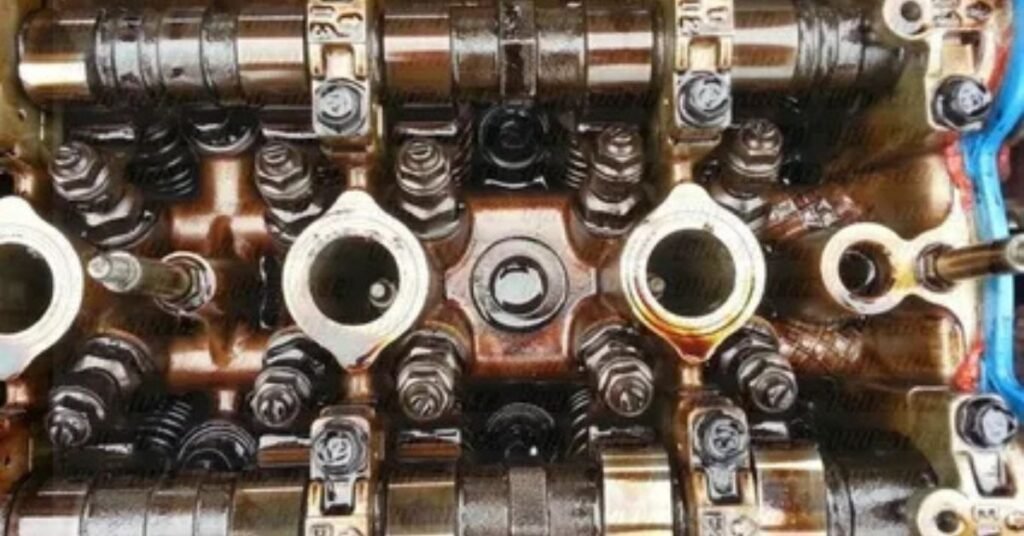
Fixing oil from a head gasket depends on how bad the damage is. In some cases, small leaks can be managed temporarily. But most of the time, proper repair is needed to stop the problem completely. It is important to fix it early to avoid engine damage.
Here is a simple table showing common fixes:
| Fix Type | Description | Result |
| Temporary sealant | Liquid added to engine | Short-term leak control |
| Gasket repair | Minor sealing work | Moderate improvement |
| Head gasket replacement | Full gasket change | Permanent fix |
| Engine repair | Fixing internal damage | Full engine recovery |
Early repair always works better and costs less. Ignoring the issue can lead to serious engine failure.
Temporary Fixes vs Permanent Repair
| Repair Type | What It Means | Pros | Cons | Effectiveness |
| Temporary Fix | Uses sealant or quick solutions to slow oil leak | Cheap, fast, easy to apply | Does not fully fix the problem, short lifespan | Low |
| Permanent Repair | Full head gasket replacement or proper engine repair | Long-lasting solution, fully fixes issue | Expensive, takes time, needs mechanic | High |
Cost of Head Gasket Replacement in the USA
The cost of head gasket replacement in the USA can vary depending on the car type and engine condition. Small repairs may cost less, but full replacement is usually expensive. Labor charges also increase the total price. Luxury or large engines often cost more to repair.
The following table shows estimated costs:
| Repair Type | Description | Estimated Cost (USA) |
| Minor repair | Small leak or early issue fix | $200 – $600 |
| Head gasket replacement | Full gasket replacement | $1,000 – $2,500 |
| Severe engine damage repair | Internal engine parts affected | $2,500 – $4,000+ |
| Engine replacement | Complete engine failure case | $4,000 – $8,000+ |
Early diagnosis can save a lot of money. Delaying repair can lead to very high engine costs.
How to Prevent Oil Leaks From Head Gasket
- Keep your engine properly cooled at all times
- Check coolant level regularly
- Avoid driving with an overheating engine
- Change engine oil on time
- Use good quality engine oil and parts
- Do not ignore small oil leaks early
- Get regular engine inspections from a mechanic
- Maintain proper engine pressure conditions
Regular Maintenance Tips
Regular maintenance is very important to prevent oil from a head gasket. You should always keep your engine in good condition. Change engine oil on time and check for small leaks. Fixing small problems early can stop bigger damage. Regular service also helps your engine run smoothly and safely.
Importance of Coolant and Engine Care
Coolant plays a key role in keeping the engine temperature normal. If the engine gets too hot, the head gasket can weaken and fail. Always check coolant levels and refill when needed. Proper engine care prevents overheating and reduces the risk of oil leaks. Engines that are well cooled last longer and perform better.
Oil From Head Gasket vs Other Oil Leaks
Oil leaks can come from different parts of a car engine, not just the head gasket. Each type of leak has different signs and levels of seriousness. The head gasket leak is usually more serious because it affects engine sealing and pressure. Other leaks may be easier and cheaper to fix.
Here is a simple comparison table:
| Leak Type | Location | Main Signs | Severity | Repair Cost |
| Head Gasket Leak | Between engine block and head | White smoke, overheating, oil loss | High | High |
| Valve Cover Leak | Top of engine | Oil smell, minor leaks | Medium | Low |
| Oil Pan Leak | Bottom of engine | Oil spots under car | Medium | Low–Medium |
| Rear Main Seal Leak | Engine rear side | Dripping oil, clutch issues | High | Medium–High |
Understanding the difference helps you find the problem early. Head gasket leaks need faster attention than most other oil leaks.
Valve Cover Gasket vs Head Gasket Leak
| Feature | Valve Cover Gasket Leak | Head Gasket Leak |
| Location | Top of the engine | Between engine block and cylinder head |
| Severity | Low to medium | High |
| Common signs | Oil smell, small leaks, smoke | White smoke, overheating, oil mixing |
| Engine risk | Minor engine issues | Serious engine damage |
| Repair cost | Low | High |
| Driving safety | Usually safe for short time | Not safe to drive |
| Repair type | Simple gasket replacement | Complex engine repair |
How to Tell the Difference Easily
It can be confusing to know if the leak is from the head gasket or another part of the engine. But there are some simple signs that help you understand. Head gasket leaks usually affect engine performance and temperature. Other oil leaks are mostly visible on the outside of the engine.
If you see white smoke from the exhaust, overheating, or loss of power, it often points to a head gasket problem. But if you only notice oil drops under the car or a small oil smell, it may be a valve cover or oil pan leak. Checking these signs early can help you find the real problem faster.
Conclusion
Oil from a head gasket is a serious engine problem that should never be ignored. It starts with small signs like minor leaks or unusual smells, but it can quickly turn into overheating and engine failure. Understanding the early symptoms can help you take action before the damage becomes expensive. Simple checks and regular maintenance can make a big difference.
If you notice any warning signs, it is always better to fix the issue early. Delaying repairs can lead to higher costs and serious engine damage. A healthy engine depends on proper sealing, cooling, and care. By staying alert and maintaining your car, you can avoid major problems and keep your vehicle running smoothly for a long time.
FAQs
1. What causes oil from a head gasket?
Oil from a head gasket is usually caused by engine overheating, age, or wear and tear. When the gasket becomes weak, it can no longer seal the engine properly. This allows oil to leak out. Poor maintenance and high engine pressure can also make the problem worse over time.
2. Can I drive with oil from a head gasket?
It is not safe to drive for a long time with this issue. At first, the car may still run, but the damage will increase quickly. You may face overheating or engine failure. It is better to get it checked as soon as possible to avoid costly repairs.
3. How do I know if my head gasket is leaking oil?
You may notice oil spots under your car or a burning smell from the engine. White smoke from the exhaust is also a common sign. The engine may start overheating or losing power. These symptoms usually appear together when the gasket is damaged.
4. How much does it cost to fix a head gasket leak?
The cost depends on how bad the damage is and the type of vehicle. Small repairs may cost a few hundred dollars, but full replacement can be expensive. In the USA, it often ranges from $1,000 to $2,500 or more. Delaying repairs can increase the cost further.
5. Can a head gasket leak be prevented?
Yes, it can be reduced with proper maintenance. Regular oil changes and coolant checks are very important. Avoid engine overheating and fix small leaks early. Good care of your engine can help prevent major gasket damage in the future.
