

Introduction:
A bubbling sound when driving is a strange noise that comes from your car. It often comes from the engine, radiator, or other parts of the cooling system. Many drivers feel confused or worried when they hear it. Simply put, it is a sign that something in your car is not working as it should.
Hearing this sound can be worrying. You might wonder if it will lead to bigger problems or a costly repair. Ignoring it can make the issue worse. But understanding why it happens can save your car and your money. That’s why it’s important to know the common causes and how to fix them.
In this guide, we will explore the main reasons for a bubbling sound when driving. We will also share easy solutions and tips. From engine issues to fluid problems, you will learn what to check first. By the end, you will know how to keep your car safe and running smoothly.
What Does a Bubbling Sound When Driving Actually Mean?
A bubbling sound when driving is usually a warning that something is wrong in your car’s cooling system. This noise often comes from the radiator, engine, or coolant hoses. It can happen when air or steam gets trapped in the coolant, or when the coolant level is too low. In some cases, it may indicate minor issues, like air in the system, but it can also point to serious problems such as a failing radiator or a blown head gasket. Ignoring this sound can lead to engine overheating and costly repairs. Paying attention early and checking your car regularly can help prevent bigger problems and keep your vehicle running smoothly.
Coolant System Problems (Most Common Cause)
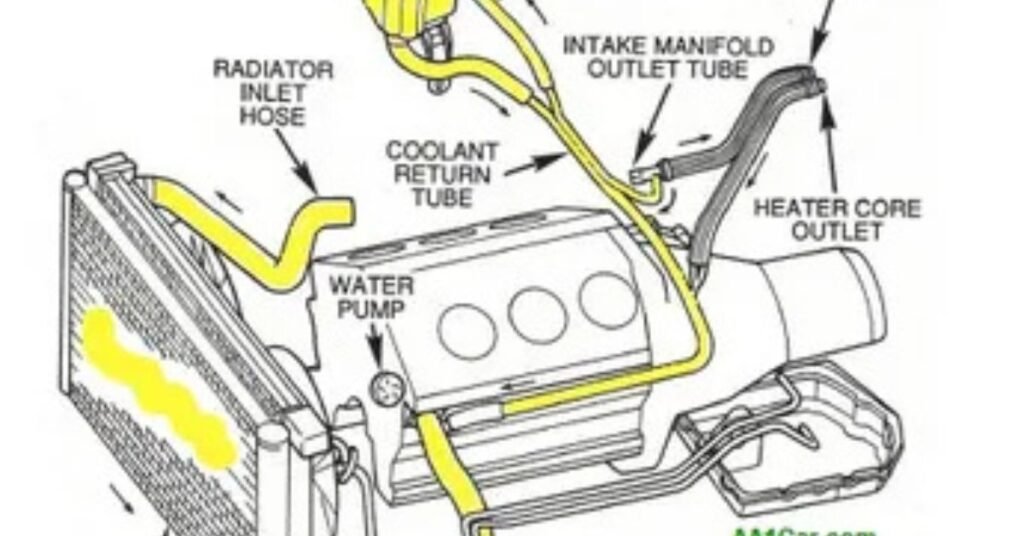
One of the most common reasons for a bubbling sound when driving is a problem in the coolant system. The coolant helps keep your engine at the right temperature. If there is a leak, low level, or trapped air, it can create bubbling noises. A damaged hose, radiator, or water pump can also cause this problem. These issues stop the coolant from flowing properly, which leads to heat and bubbles.
Coolant system problems are easy to notice if you check your car regularly. Look for leaks under the car or steam coming from the engine. Sometimes the coolant can look dirty or low in the reservoir. Fixing these problems early can prevent overheating and serious engine damage. Regular maintenance and topping up the coolant can save you a lot of trouble.
Why Low Coolant or Air in the System Causes Bubbling
A bubbling sound when driving often happens when the coolant level is too low. Coolant helps the engine stay cool. Without enough coolant, the engine can overheat. This creates steam, which makes bubbling noises. Even a small amount of air trapped in the system can cause the same sound. Air blocks the flow of coolant and creates pockets of heat in the engine.
Common signs of low coolant or air in the system include:
- Steam coming from the radiator or engine
- Coolant level in the reservoir dropping quickly
- Engine overheating or temperature rising faster than normal
- Bubbling or gurgling noises when the engine is running
Checking and topping up the coolant regularly can prevent these problems. Bleeding the system to remove air also helps keep your engine running smoothly.
Signs of an Overheating Engine You Shouldn’t Ignore
- Temperature gauge rising above normal
- Under the hood, there is steam or smoke
- Strong, sweet smell of coolant or antifreeze
- Bubbling or gurgling sounds from the radiator
- Hot engine surface when touched carefully
- Reduced engine performance or stalling
- Warning lights on the dashboard
Blown Head Gasket or Internal Engine Leak
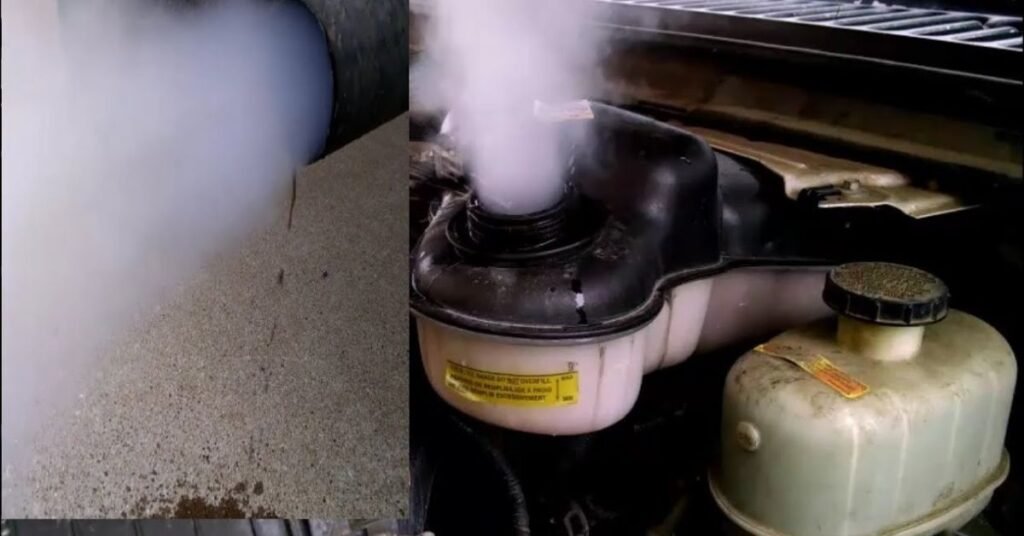
A blown head gasket or an internal engine leak can also cause a bubbling sound when driving. The head gasket seals the engine’s cylinders and keeps coolant and oil separate.Coolant can leak into the engine or exhaust if it fails. This creates bubbles, steam, and unusual noises. Other signs include white smoke from the exhaust and a sweet smell inside or outside the car.
Internal engine leaks are serious and can damage your engine quickly. Low coolant, overheating, or poor maintenance often cause these problems. If you notice a bubbling sound along with smoke, overheating, or loss of power, it’s important to check the engine immediately. Repairing a head gasket or leak early can prevent expensive engine damage.
Exhaust System Causes of Bubbling Noises
Sometimes, a bubbling sound when driving can come from the exhaust system. Leaks or cracks in the exhaust pipe or manifold can let air and gases escape. This creates a bubbling or gurgling noise while driving. Rust or damage to the exhaust components can also cause similar sounds.
Your car’s performance can be affected by exhaust system issues.You might notice reduced fuel efficiency, unusual smells, or louder engine noise. Small problems can become bigger if ignored. Regular inspection and fixing leaks early can prevent expensive repairs and keep your car safe on the road.
Cracked Manifold or Failing Catalytic Converter
A cracked exhaust manifold can cause a bubbling sound when driving. The manifold directs exhaust gases from the engine to the exhaust system. If it cracks, gases can escape, creating bubbling or hissing noises. This can also let dangerous fumes enter the car if not fixed quickly.
A failing catalytic converter can also make similar noises.Your car’s harmful emissions are reduced by it. When it gets clogged or damaged, exhaust gases can’t flow properly. This causes bubbling, rattling, or gurgling sounds. Checking these parts regularly and repairing them early keeps your car safe and running smoothly.
Fuel System and Air Bubbles in Fuel Lines
A bubbling sound when driving can sometimes come from the fuel system. Air bubbles in fuel lines stop fuel from flowing smoothly. This can create gurgling or bubbling noises in the engine. Low fuel levels, leaks, or a faulty fuel pump often cause air to enter the lines.
Common signs of air bubbles in fuel lines include:
- Engine hesitation or stalling
- Difficulty starting the car
- Irregular engine performance
- Gurgling or bubbling noises from the fuel system
Fixing leaks and keeping fuel lines clean helps prevent this problem. Checking your fuel pump and replacing damaged lines can also keep your engine running smoothly.
Dashboard or AC‑Related Bubbling Sounds
Sometimes, a bubbling sound when driving comes from the dashboard or the AC system. This usually happens when air or coolant moves through the heater core. Low coolant, trapped air, or a small leak in the AC system can create gurgling or bubbling noises. These sounds are different from engine problems but should not be ignored.
Common signs of AC or dashboard-related bubbling include:
- Gurgling or bubbling noises when the AC is on
- Uneven heating or cooling inside the car
- Foggy windows due to coolant leaks
- Coolant smell inside the cabin
Bleeding the AC system or topping up coolant can fix many of these issues. Regular maintenance of the AC and heater system keeps the cabin comfortable and noise-free.
What Bubbling When Accelerating vs. Idling Could Mean
A bubbling sound when driving can change depending on whether you are accelerating or idling. Bubbling while accelerating often points to fuel or exhaust issues. It can also mean low coolant or air trapped in the system. Bubbling while idling usually comes from the cooling system, AC, or heater core. Understanding when the sound happens helps pinpoint the problem.
Common causes include:
- Bubbling when accelerating:
- Air in fuel lines
- Cracked exhaust manifold
- Failing catalytic converter
- Bubbling when idling:
- The cooling system is low on coolant or has trapped air
- Heater core or AC system issues
- Minor radiator leaks
Paying attention to when the noise happens helps you fix it faster. Early detection can prevent bigger engine or system damage.
Diagnostic Steps Drivers Can Take Before Visiting a Mechanic
- Check the coolant level in the reservoir and top up if low
- Look for visible leaks under the car or around hoses
- Listen carefully to identify when the bubbling occurs (accelerating, idling, or AC on)
- Inspect the radiator and hoses for cracks or damage
- Check the fuel lines for air bubbles or loose connections
- Observe the dashboard for warning lights or abnormal temperature readings
- Smell for unusual odors like sweet coolant or exhaust fumes
- Note any changes in engine performance, stalling, or rough idling
- Bleed the cooling or AC system to remove trapped air if safe to do
- Take photos or videos of the sound to show the mechanic
When Bubbling Sounds Are Normal vs. a Sign of Trouble
Not all bubbling sounds when driving mean there is a problem. Some noises are normal and happen as coolant or air moves through the system. For example, a quiet gurgle when starting the car or running the AC is usually harmless. These sounds stop once the system reaches the right temperature or pressure.
However, some bubbling sounds indicate trouble. Loud, persistent, or unusual noises often point to engine, radiator, exhaust, or fuel system issues. Paying attention to the type, timing, and location of the sound helps you know when to act. The table below makes it easier to identify which bubbling is normal and which requires attention:
| Bubbling Sound Situation | Normal / Harmless | Possible Problem | What to Do |
| Quiet gurgle when starting engine | ✅ Normal | — | No action needed |
| Bubbling while AC or heater is on | ✅ Normal | — | Check coolant occasionally |
| Loud bubbling from radiator | ❌ Trouble | Low coolant, air trapped | Check and top up coolant, bleed system |
| Bubbling while accelerating | ❌ Trouble | Fuel line air, exhaust leak | Inspect fuel lines, exhaust manifold, catalytic converter |
| Bubbling while idling | ❌ Trouble | Cooling system issue | Check radiator, hoses, heater core |
| Bubbling with smoke or steam | ❌ Trouble | Overheating, blown head gasket | Stop driving, inspect engine, visit mechanic |
| Bubbling with sweet smell inside cabin | ❌ Trouble | AC leak or heater core leak | Inspect AC system, repair leaks |
| Bubbling combined with performance issues | ❌ Trouble | Fuel, engine, or coolant system | Diagnose specific system, repair promptly |
Conclusion
A bubbling sound when driving is your car’s way of warning you. Sometimes it is harmless, like a quiet gurgle in the AC or cooling system. But often, it points to problems in the coolant system, fuel lines, exhaust, or engine. Paying attention early can prevent serious damage and save money on repairs. Small checks, like inspecting coolant levels or looking for leaks, can help you act quickly.
If the sound is loud, persistent, or comes with other signs like smoke, overheating, or poor performance, it is time to take action. Visit a mechanic or have a professional inspect your car. Regular maintenance and timely repairs keep your engine safe and running smoothly.It is important to listen to your car and take action early on to prevent costly future problems.
FAQs
1. What causes a bubbling sound when driving?
A bubbling sound usually comes from the engine, coolant system, fuel lines, or exhaust. Low coolant, trapped air, leaks, or a failing catalytic converter can create the noise. It can also happen from AC or heater core issues. Listening carefully helps identify the exact source.
2. Is it safe to keep driving if I hear bubbling?
It depends on the cause. Minor gurgles from the AC or heater are usually safe. But if the sound is loud, constant, or comes with overheating, smoke, or loss of power, you should stop driving. Ignoring serious signs can lead to engine damage and costly repairs.
3. How can I check for coolant system problems?
Check the reservoir’s coolant level first. Look for leaks under the car or around hoses. Observe if there’s steam, bubbling, or unusual smells. Bleeding the system to remove trapped air can also help. Checking your engine regularly prevents overheating and engine damage.
4. Can air in fuel lines cause bubbling sounds?
Yes, air bubbles in fuel lines can cause gurgling or bubbling noises, especially when accelerating. This may lead to engine hesitation, stalling, or difficulty starting. Inspecting fuel lines for leaks or loose connections can solve the problem. Fixing it early ensures smooth engine performance.
5. When should I see a mechanic for bubbling noises?
If bubbling comes with overheating, smoke, dashboard warning lights, or performance problems, see a mechanic immediately. Serious causes include a blown head gasket, cracked manifold, or failing catalytic converter. Early inspection prevents major engine damage and keeps your car safe.
