

Introduction:
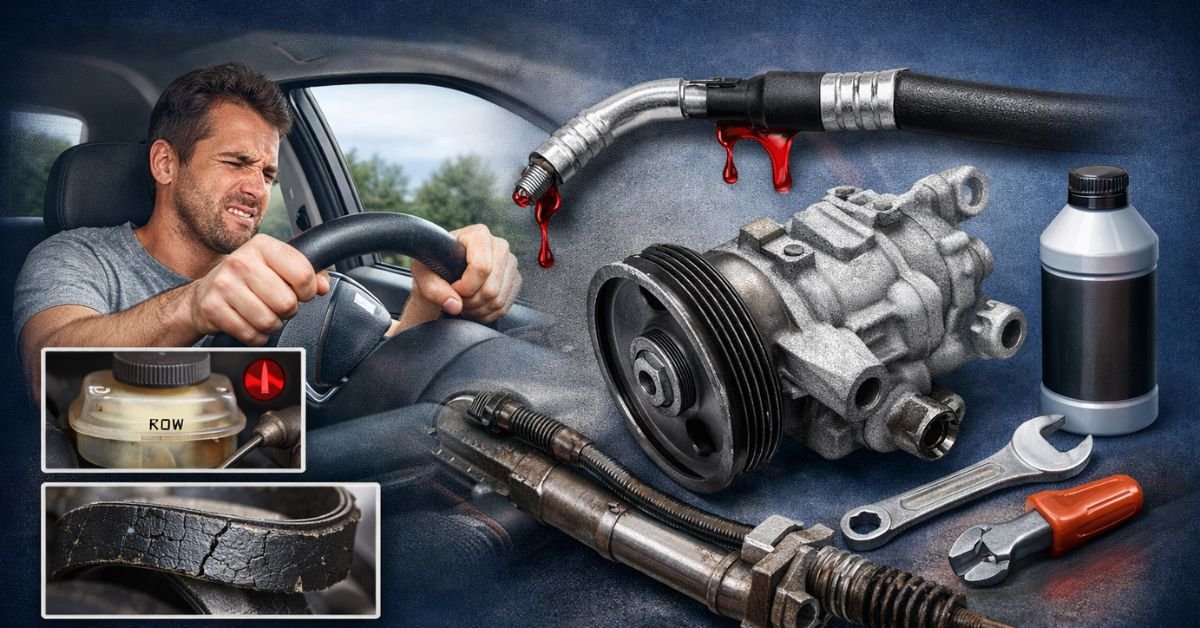
Power steering helps you turn your car easily. In order to reduce effort on the wheel, fluid or an electric system is used. When the power steering goes out, the wheel becomes hard to turn. This can make driving stressful and unsafe, especially at low speeds.
Imagine driving and suddenly the steering wheel feels stiff. You struggle to turn, even for a simple corner. This can happen without warning. It can be scary if you don’t know what’s wrong or what to do next.
In this guide, you will learn the main causes behind this problem. You will also discover simple fixes you can try. From low fluid to bigger system issues, we will break it down in easy steps. This will help you stay safe and make the right decision quickly.
Why Did My Power Steering Went Out Suddenly?

Power steering can fail without warning. This usually happens due to a problem in the system. It could be low fluid, a leak, or a broken part. When this happens, the steering wheel becomes hard to turn. You may also hear noise or feel stiffness while driving. Ignoring early signs can make the issue worse.
There are a few common reasons why your power steering suddenly stops working. Some are simple, while others need quick repair. Understanding these causes can help you act fast and stay safe on the road.
Common causes include:
- Low power steering fluid
- Fluid leaks in hoses or seals
- Broken or loose drive belt
- Faulty power steering pump
- Electrical failure (in electric power steering systems)
- Air trapped in the steering system
- Damaged steering rack or components
What Happens When Power Steering Goes Out While Driving?
When the power steering goes out while driving, the steering wheel becomes very hard to turn. You will need more strength to control the car. Turning at low speeds, like parking or taking sharp turns, becomes very difficult. The car may still move forward, but handling feels heavy and uncomfortable.
This situation can be risky if you are not prepared. You may struggle to react quickly in traffic. The car can feel less responsive, especially in tight spaces. In some cases, you might also hear strange noises or feel vibrations. Staying calm and slowing down can help you stay safe until you stop the car.
Is It Safe to Keep Driving?
Driving with failed power steering is not safe for long distances. Turning the steering wheel becomes extremely difficult.. This makes it difficult to control the car, especially in traffic or tight turns. At low speeds, it can feel almost impossible to steer. This increases the risk of accidents.
You may be able to drive a short distance in an emergency. But it is better to stop the car as soon as possible. Continuing to drive can damage other parts of the system. It can also put you and others at risk. It is always safer to get the issue checked and fixed quickly.
How Steering Feels Without Power Assist
- Steering wheel feels very stiff
- Requires extra strength to turn
- Slow response when turning
- Very hard to steer at low speeds
- Slightly easier at high speeds, but still heavy
- Can cause quick arm fatigue
- Less control in tight spaces
- Steering may feel rough or uneven
Common Causes of Power Steering Going Out
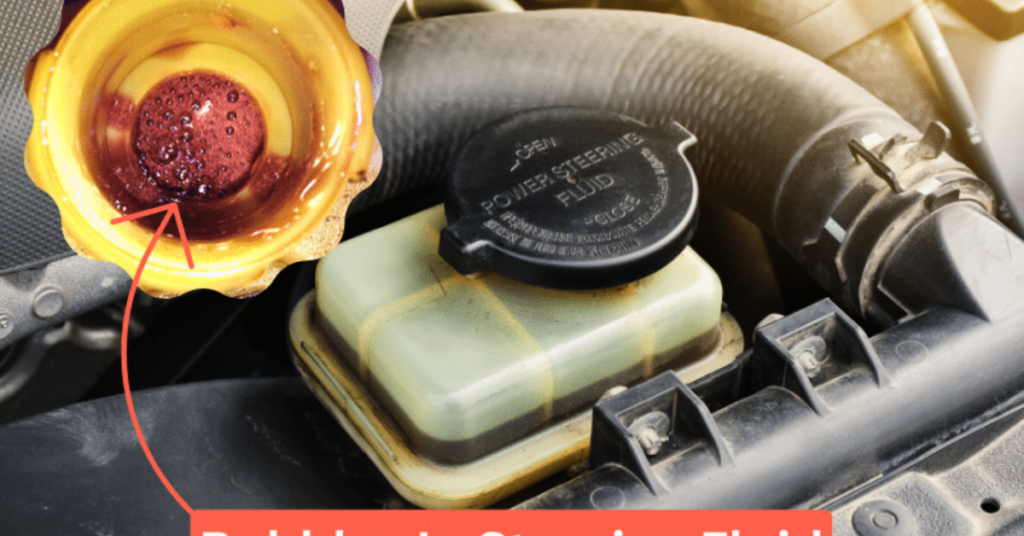
Power steering can stop working for many reasons. Most of the time, it happens because of a small issue that gets worse over time. Sometimes it is due to low fluid. Other times, it can be a broken part or electrical failure. When any of these problems happen, the steering becomes heavy and hard to control.
It is important to find the cause early. This helps prevent bigger damage and costly repairs. Understanding the common reasons can also help you act quickly. Below is a simple table that explains the main causes, symptoms, and possible fixes.
| Cause | What Happens | Common Symptoms | Possible Fix |
| Low power steering fluid | System does not get enough lubrication | Heavy steering, whining noise | Refill fluid and check level regularly |
| Fluid leak | Fluid escapes from hoses or seals | Low fluid level, puddles under car | Repair or replace damaged hose/seal |
| Faulty power steering pump | Pump fails to push fluid properly | Hard steering, loud noise | Replace or repair pump |
| Broken or loose belt | Pump does not get power | Sudden steering failure | Tighten or replace belt |
| Electrical failure (EPS) | System stops working electronically | Warning light, stiff steering | Diagnose and repair wiring/sensors |
| Damaged steering rack | Mechanical failure inside steering system | Uneven steering, stiffness | Replace steering rack |
| Air in system | Air blocks smooth fluid flow | Jerky or noisy steering | Bleed the system properly |
Low or Leaking Power Steering Fluid
Power steering fluid is very important for smooth steering. If the fluid level is low, the system cannot build enough pressure. This makes the steering wheel feel heavy and hard to turn. A leak can also cause the fluid to drop slowly over time. You may notice stains under your car or a burning smell while driving.
Failed Power Steering Pump
The power steering pump helps move fluid through the system. If it fails, the system stops working properly. This can make steering very stiff and noisy.Turning the wheel may also produce whining or groaning sounds. In this case, the pump usually needs repair or replacement.
Broken or Loose Serpentine Belt
The serpentine belt connects and powers many engine parts, including the power steering pump. If the belt is broken or loose, the pump cannot work. This causes sudden loss of steering support. You may also notice squealing noises from the engine area. Fixing or replacing the belt can solve the problem quickly.
Electrical Failure in EPS Systems
Some cars use Electric Power Steering (EPS) instead of fluid systems. If there is an electrical failure, the steering assist can stop instantly. This may happen due to sensor issues, wiring problems, or a weak battery. When this occurs, the steering becomes heavy and less responsive. A proper diagnostic check is needed to find the exact issue.
Warning Signs Before Power Steering Goes Out
- Steering feels heavier than normal
- Whining or groaning noise when turning
- Fluid leaks under the car
- Steering wheel vibration
- Slow or delayed steering response
- Difficulty turning at low speeds
- Dashboard warning light (EPS systems)
- Burning smell near the engine area
What to Do Immediately When Power Steering Goes Out
- Stay calm and hold the steering wheel firmly
- Slow down the vehicle gradually
- Avoid sudden braking or sharp turns
- Move the car safely to the roadside
- Turn on hazard lights immediately
- Under the car, check for visible fluid leaks
- Do not continue driving if steering is too heavy
- Call a mechanic or roadside assistance for help
Step-by-Step Emergency Actions
- Keep both hands firmly on the steering wheel
- Stay calm and do not panic
- Slow down the vehicle gradually
- Turn on hazard lights immediately
- Avoid sudden braking or sharp turns
- Guide the car straight to a safe area
- Stop by the side of the road
- Turn off the engine safely
- Call a mechanic or roadside assistance
How to Safely Pull Over
When power steering fails, pulling over safely is very important. Start by staying calm and holding the steering wheel firmly. Slow down your car little by little. Do not brake suddenly, as it can make the car unstable. Look for a safe spot on the side of the road where you can stop without danger.
Once you see a safe area, gently guide your car toward it. Be sure to turn on your hazard lights so other drivers are aware of your presence. Keep your movements slow and steady. Avoid sharp turns because the steering will feel heavy. When the car is fully stopped, shift to park or neutral and turn off the engine.
How to Diagnose Power Steering Problems at Home
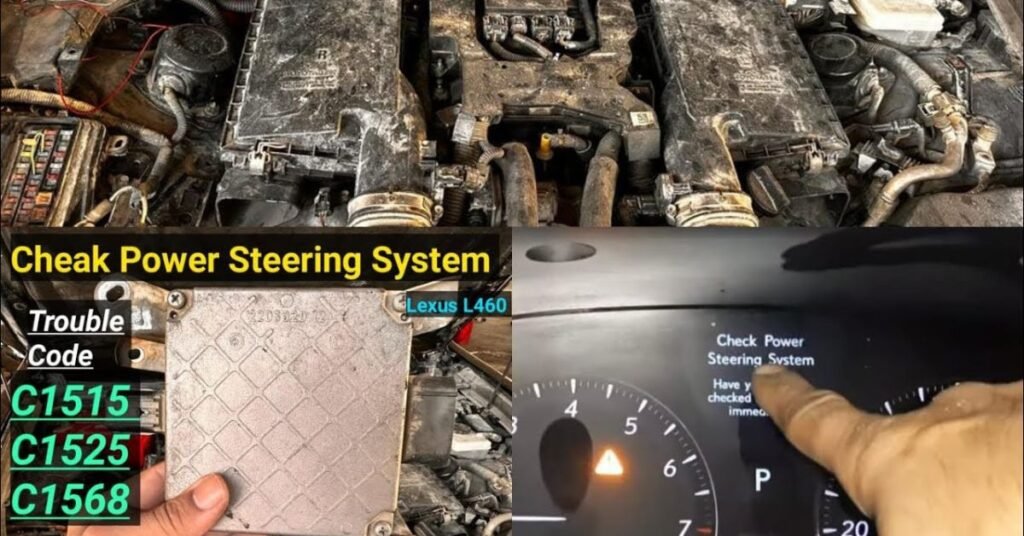
You can check basic power steering problems at home with simple steps. First, look at how the steering feels when you turn the wheel. If it feels heavy or stiff, there may be an issue. Listen for unusual sounds like whining or squealing. Also check if the problem happens only at low speeds or all the time. These signs can help you understand the issue early.
Next, do a quick visual check under the hood. Make sure everything looks normal and nothing is loose or leaking. You do not need special tools for basic inspection.Observe carefully and take your time.
Things to check at home:
- Steering feels heavy or stiff
- Whining or squealing noise when turning
- Low or leaking power steering fluid
- Loose or broken serpentine belt
- Warning light on dashboard (EPS systems)
- Unusual vibration in steering wheel
- Fluid stains under the car
How to Fix Power Steering Issues (DIY & Professional)
Power steering problems can sometimes be fixed at home, but not always. Simple issues like low fluid or a loose belt can be handled easily. You can refill fluid or tighten a belt if you have basic knowledge. But bigger problems like pump failure or electrical issues need a professional mechanic. Trying complex repairs without experience can make the problem worse.
It is important to know when to do it yourself and when to get help. This can save time, money, and keep you safe. The table below explains common fixes and who should handle them.
| Problem | DIY Fix Possible? | What You Can Do | Professional Fix Needed? |
| Low power steering fluid | Yes | Refill fluid and check level | No |
| Fluid leak | No | Only inspect for leaks | Yes – repair seals/hoses |
| Loose or broken belt | Sometimes | Tighten or visually check | Yes – replace belt if damaged |
| Air in system | Sometimes | Bleed system if skilled | Yes if issue continues |
| Failed power steering pump | No | No safe DIY fix | Yes – replace pump |
| Electrical EPS failure | No | Check battery and warning light | Yes – full diagnostics required |
| Steering rack damage | No | No DIY repair | Yes – full replacement needed |
How to Fix Power Steering Issues (DIY & Professional)
- Refill low power steering fluid (DIY)
- Check and tighten loose serpentine belt (DIY)
- Inspect for visible fluid leaks (DIY)
- Bleed air from system if you have experience (DIY)
- Replace damaged serpentine belt (Professional if unsure)
- Repair leaking hoses or seals (Professional)
- Fix or replace power steering pump (Professional)
- Diagnose and repair EPS electrical issues (Professional)
- Replace damaged steering rack (Professional)
How to Prevent Power Steering Failure in the Future
- Check power steering fluid regularly
- Fix any fluid leaks immediately
- Inspect serpentine belt for wear and cracks
- Replace worn or damaged belts on time
- Avoid holding steering at full lock for long periods
- Get regular vehicle maintenance and servicing
- Listen for unusual steering noises early
- Keep electrical system and battery in good condition (for EPS systems)
Conclusion
Power steering problems can happen suddenly, but they usually give warning signs first. If you notice heavy steering, strange noises, or fluid leaks, you should take action quickly. Ignoring these signs can make the problem worse and more expensive to fix. Safe driving depends on a working steering system, so it should always be checked on time.
In the end, regular care and quick response are very important. Simple maintenance like checking fluid, belts, and early symptoms can save you from sudden failure. If the problem is serious, always get help from a professional mechanic. This keeps you safe on the road and helps your car last longer without major issues.
FAQs
1. What causes power steering to suddenly stop working?
Power steering can stop suddenly due to low fluid, a broken belt, pump failure, or electrical issues. These problems reduce or stop steering assistance. As a result, the wheel becomes very hard to turn.
2. Can I still drive if my power steering goes out?
Yes, but only for a short distance and with caution. The steering will be heavy and difficult to control. It is safer to stop and get the car checked as soon as possible.
3. How do I know if my power steering is failing?
Common signs include stiff steering, whining noise, and fluid leaks. You may also feel vibration or slow response when turning. These signs often appear before complete failure.
4. Is power steering failure expensive to fix?
It depends on the problem. Simple fixes like fluid refill are cheap. But pump or steering rack replacement can be more expensive.
5.What can I do to prevent power steering problems?
Regular maintenance helps prevent issues. Check fluid levels, inspect belts, and fix leaks early. Routine servicing keeps the system in good condition.
