

Introduction:
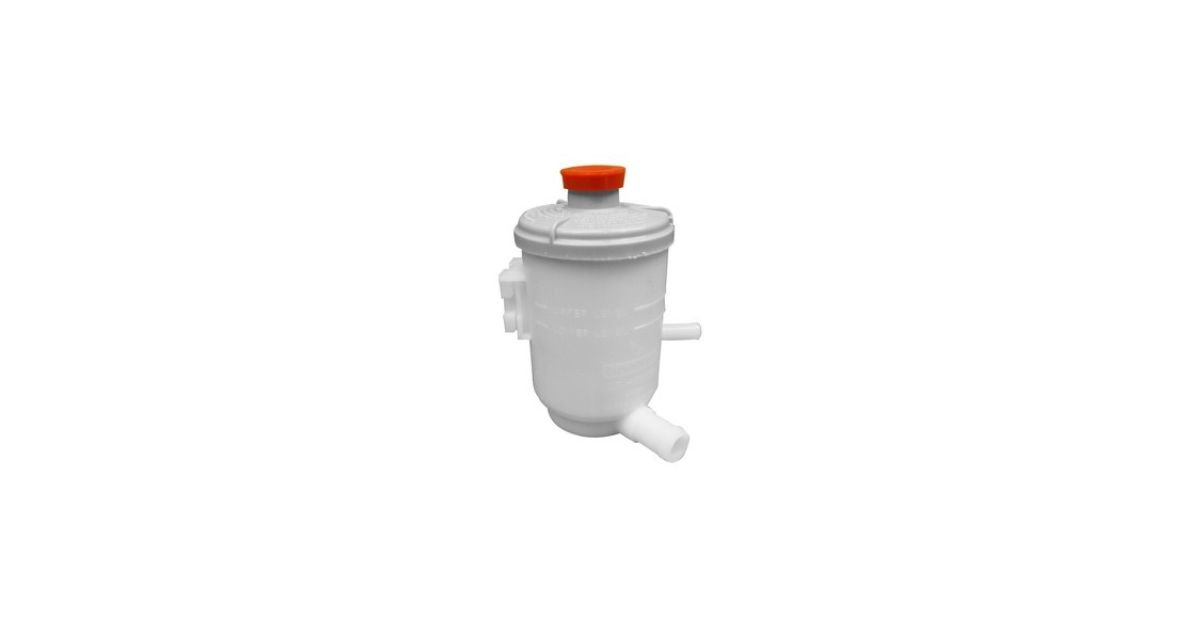
The power steering reservoir is a small but important part of your car. It holds the fluid that helps you turn the steering wheel easily. Over time, this reservoir can crack, leak, or get dirty. When that happens, it may not store fluid properly. That is why many drivers need to replace the power steering reservoir to keep their steering smooth and safe.
Have you ever felt your steering wheel become hard to turn? Or noticed fluid leaking under your car?Something is wrong if you see these signs. Ignoring these problems can lead to bigger damage and higher repair costs. The good news is that replacing the reservoir is not very difficult if you know the right steps.
You will learn everything in this guide in a simple manner. We will cover the signs of a bad reservoir, the cost in the USA, and the full replacement process. Whether you are a beginner or trying a DIY fix, this guide will help you understand what to do and how to do it properly.
When Do You Need to Replace a Power Steering Reservoir?
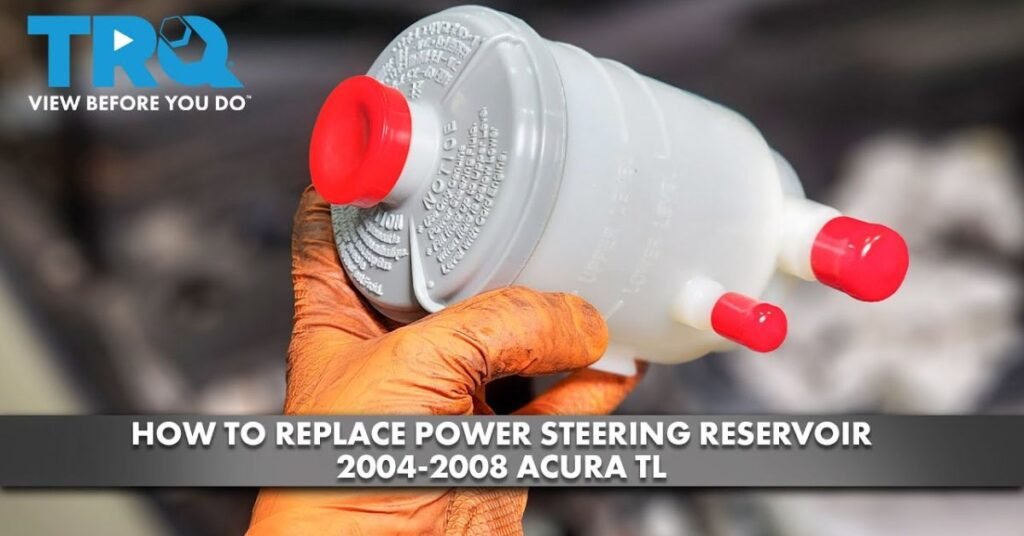
You need to replace the power steering reservoir when it starts to fail or cannot hold fluid properly. This usually happens when the reservoir develops cracks, leaks, or becomes too dirty inside. Old fluid and debris can block the system and reduce steering performance. If the reservoir is damaged, it will not supply clean fluid to the system, which can affect smooth steering.
Another clear sign is fluid leaking under your car or a drop in fluid level without any reason. You may also hear whining noises when turning the steering wheel. In some cases, the steering may feel stiff or harder than usual. Ignoring these signs can damage other parts like the power steering pump. Replacing the reservoir at the right time helps avoid bigger and costly repairs.
Common Signs of a Failing Reservoir
- Fluid leaking under the car
- Cracks or visible damage on the reservoir
- Low power steering fluid level
- Whining or groaning noise when turning
- Hard or stiff steering wheel
- Dirty or dark fluid inside the reservoir
Symptoms You Should Never Ignore
There are some symptoms of a bad power steering reservoir that should never be ignored. These signs often mean the problem is getting worse. You may feel the steering wheel becoming harder to turn. Strange noises can also appear when you move the wheel. These issues can affect your control while driving.
If you delay fixing the problem, it can damage other parts of the system. The power steering pump may fail if it does not get enough fluid. This can increase repair costs and create safety risks. It is always better to act early and replace the reservoir on time.
- Steering wheel feels very stiff
- Loud whining or squealing noise
- Sudden drop in power steering fluid
- Visible fluid leaks near the reservoir
- Steering becomes uneven or jerky
- Burning smell from the engine area
Tools and Parts Needed to Replace Power Steering Reservoir
Before you start replacing the power steering reservoir, you need to gather the right tools and parts.Preparation makes the job easier and faster.. It also helps you avoid mistakes during the repair. Most of the tools are basic and commonly found in a home garage.
You will also need a compatible replacement reservoir for your car model. Using the correct part is very important for proper fitting and performance. Along with the reservoir, a few simple tools are required to complete the job safely and smoothly.
- Wrench set
- Screwdriver set
- Pliers
- Drain pan for fluid
- Clean rags or towels
- New power steering reservoir
- Power steering fluid (recommended type)
Basic Tools for DIY Replacement
- Wrench set
- Screwdriver set (flathead and Phillips)
- Pliers
- Drain pan for old fluid
- Clean cloth or rags
Choosing the Right Replacement Reservoir
Choosing the correct power steering reservoir is very important for proper performance. Every car has a specific type of reservoir that fits its steering system. Using the wrong part can cause leaks, poor steering, or system damage. Always check your car’s make, model, and engine type before buying a replacement.
It is also important to compare different options like OEM and aftermarket parts. OEM parts usually fit better and last longer, while aftermarket parts can be cheaper. You should also check material quality, compatibility, and fluid type before making a final decision.
| Factor | What It Means | Why It Matters | Best Choice |
| Car Compatibility | Matches your car model | Ensures proper fit | OEM recommended |
| OEM vs Aftermarket | Original or third-party part | Affects quality & price | OEM for reliability |
| Material Quality | Plastic or metal build | Impacts durability | High-quality plastic or metal |
| Brand Reputation | Trusted manufacturer | Reduces failure risk | Well-known brands |
| Fluid Compatibility | Type of steering fluid used | Prevents damage | Check manual specs |
| Price Range | Cost of reservoir | Budget planning | Mid-range for balance |
| Warranty | Coverage after purchase | Protection from defects | At least 6–12 months |
| Ease of Installation | How easy it is to fit | Saves time & effort | Plug-and-play design |
How to Replace Power Steering Reservoir (Step-by-Step Guide)
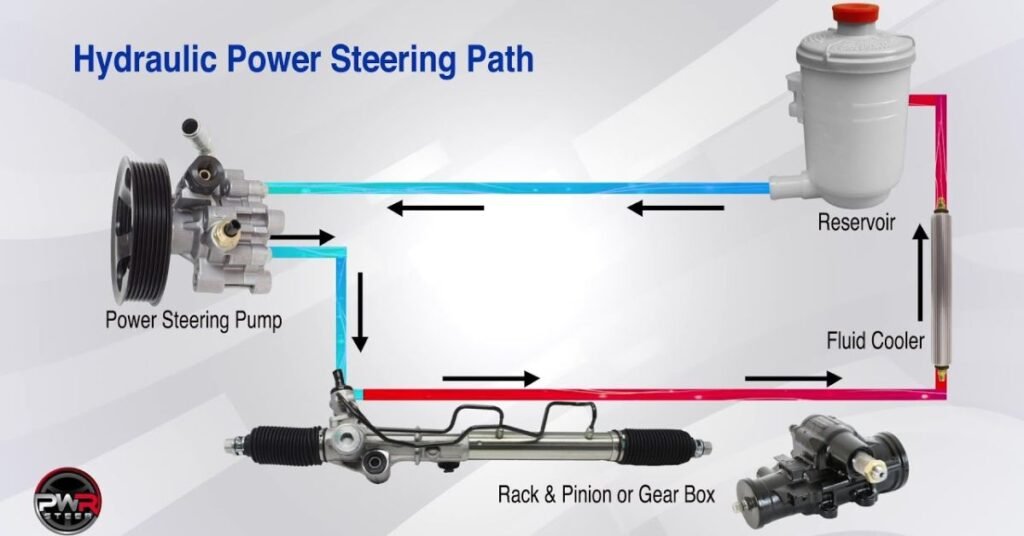
Replacing a power steering reservoir is a simple task if you follow the correct steps. First, make sure your car engine is cool and parked safely. To avoid any electrical problems, disconnect the battery. Then place a drain pan under the reservoir to catch the old fluid. Carefully remove the hoses connected to the reservoir and let the fluid drain out completely.
Once the old reservoir is removed, install the new one in the same position. Reconnect all hoses tightly to avoid leaks. Make sure everything is fitted properly before adding new power steering fluid. After filling, start the engine and slowly turn the steering wheel to remove air from the system. Finally, check for leaks and ensure smooth steering performance.
Removing the Old Reservoir Safely
- Turn off engine and disconnect battery
- Make sure engine is cool
- Place a drain pan under reservoir
- Remove hoses carefully
- Drain all power steering fluid
- Unscrew and take out old reservoir
Installing the New Reservoir Correctly
- Place new reservoir in correct position
- Secure it with bolts or clips
- Reconnect all hoses tightly
- Make sure fittings are properly sealed
- Fill with recommended power steering fluid
- Start engine and check for leaks
How to Disconnect Power Steering Lines Without Damage
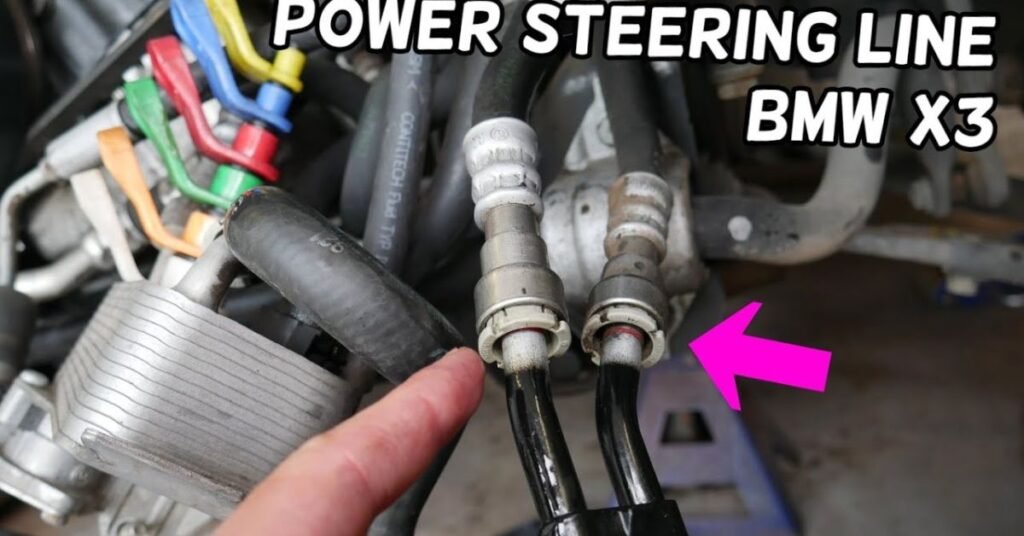
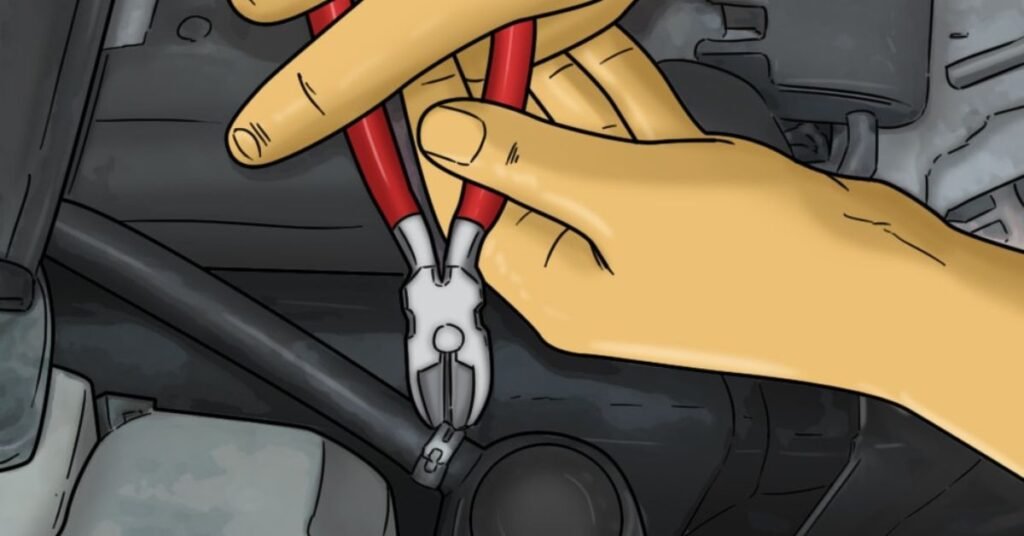
Disconnecting power steering lines needs care and patience. First, make sure the engine is cool and the system has no pressure. Place a drain pan under the connection point to catch any leaking fluid. Use the correct size wrench or pliers so you do not strip or damage the fittings. Slowly loosen the connections instead of forcing them.
Be gentle when handling the hoses and metal lines. Avoid bending or twisting them too hard, as this can cause cracks or leaks later. Clean around the fittings before removing them to stop dirt from entering the system. Label the hoses if needed so you can reconnect them correctly during installation.
Handling Clips, Fittings, and Hoses
- Use proper pliers or clip tools
- Do not force or twist fittings
- Clean all connection points before use
- Check hoses for cracks before installing
- Ensure clips are fully locked in place
Tips to Prevent Fluid Leaks
- Tighten all hose connections properly
- Replace damaged seals or O-rings
- Use correct power steering fluid
- Avoid overfilling the reservoir
- Inspect for leaks after starting engine
Mistakes to Avoid When Replacing Power Steering Reservoir
Replacing a power steering reservoir may look simple, but small mistakes can cause big problems. One common mistake is using the wrong replacement part. If the reservoir does not match your car model, it can lead to leaks or poor fitting. Another mistake is not draining the old fluid properly before starting the job.
Many people also rush the installation process. This can lead to loose connections or damaged hoses. Not checking for leaks after installation is another common error. Taking your time and following each step carefully helps avoid damage and ensures smooth steering performance.
Common Beginner Errors
- Using wrong tools or parts
- Not draining fluid completely
- Over-tightening or loose fittings
- Skipping step-by-step instructions
- Rushing the installation process
Safety Tips for First-Time DIYers
- Let engine cool before starting
- Wear safety gloves
- Work in a clean, flat area
- Keep tools organized
- Avoid contact with hot or moving parts
Cost to Replace Power Steering Reservoir in the USA
The cost to replace a power steering reservoir in the USA can vary a lot depending on parts and labor. If you do the job yourself, the replacement reservoir part alone usually costs between about $10 and $250 depending on brand, quality, and fit for your vehicle. Many aftermarket reservoirs are available in the $25–$100 range for common cars, while some higher-end or OEM parts may be more expensive.
If you choose to have a mechanic replace the reservoir for you, the total cost will include both parts and labor. According to service pricing estimates, replacement jobs at shops can range from around $200 up to $500 or more for some vehicles once labor is added. The final price depends on your car model, where you live, and the shop’s hourly rate.
DIY vs Mechanic Cost Breakdown
When replacing a power steering reservoir, you have two options: do it yourself or hire a mechanic. DIY is usually cheaper because you only pay for the part and basic tools. However, it requires time, patience, and basic car knowledge. A mechanic is more expensive, but the job is done professionally and quickly.
If you are not confident with car repairs, a mechanic can save you from mistakes. But if you want to save money, DIY is a good option. The choice depends on your skill level and budget.
| Option | Cost Range | What You Pay For | Pros | Cons |
| DIY Replacement | $20 – $100 | Only parts + fluid | Cheap, learning experience | Time-consuming, risk of mistakes |
| Mechanic Service | $150 – $500 | Parts + labor | Professional work, fast | More expensive |
| Dealership Repair | $250 – $700+ | OEM parts + high labor cost | Best quality, warranty | Highest cost |
| Mobile Mechanic | $120 – $400 | Parts + on-site labor | Convenient, comes to you | Availability varies |
Factors That Affect Pricing
- Car make and model
- OEM vs aftermarket parts
- Labor charges in your area
- Repair shop or dealership rates
- Condition of existing power steering system
- Additional repairs needed
- Location and service availability
Do You Need to Bleed the Power Steering System After Replacement?
Yes, you usually need to bleed the power steering system after replacing the reservoir. Air can enter the system during the replacement process. This air can cause weak steering, noise, or uneven performance.As a result of bleeding, trapped air is removed and fluid flow is restored.
If you do not bleed the system, the steering may feel stiff or noisy. To fix this, the system is usually bled by turning the steering wheel left and right while the engine is running. This process helps push air out and allows the fluid to move properly through the system.
How to Remove Air from the System
- Start the engine and let it idle
- Turn the steering wheel fully left and right slowly
- Repeat the process several times
- Check the reservoir’s fluid level regularly
- Add more fluid if the level drops
- Stop when steering feels smooth and quiet
Signs of Air in Power Steering
- Whining or groaning noise when turning
- Steering feels stiff or uneven
- Bubbles or foam in power steering fluid
- Jerky or delayed steering response
- Fluid level changing quickly in reservoir
Final Checks After Replacing Power Steering Reservoir
After replacing the power steering reservoir, it is important to do final checks. Start the engine and let it run for a few minutes. Turn the steering wheel left and right slowly. This helps the fluid circulate and ensures everything is working properly. Listen for any unusual noises during this process.
Next, inspect the system carefully for any leaks. Check all hoses, fittings, and the reservoir connections. Make sure the fluid level is correct and stable. If everything looks fine, the steering should feel smooth and easy. These final checks help confirm a safe and successful installation.
Testing Steering Performance
After installing the new power steering reservoir, it is important to test the steering performance. Allow the engine to idle for a few minutes before starting it. Slowly turn the steering wheel left and right. This helps you feel if the steering is smooth and responsive. Listen carefully for any strange noises during movement.
Next, take the car for a short and safe test drive. Pay attention to how the steering responds at different speeds. The steering should feel light, smooth, and easy to control. If you notice stiffness or noise, there may still be air or a small issue in the system.
Checking for Leaks and Fluid Levels
- Inspect reservoir for visible leaks
- Check hose connections and fittings
- Look under the car for fluid drops
- Ensure fluid is between MIN and MAX level
- Add correct power steering fluid if needed
- Recheck fluid after running engine
Conclusion
Replacing a power steering reservoir is an important part of keeping your steering system healthy. A damaged or leaking reservoir can cause low fluid levels, noise, and hard steering. If you ignore the problem, it can lead to damage in other parts like the power steering pump. That is why early replacement is always a smart choice. It helps keep your driving smooth and safe.
In simple terms, this job is not too difficult if you follow the right steps. You just need basic tools, the correct part, and a little patience. Always check for leaks, refill the fluid properly, and remove air from the system after installation. Whether you do it yourself or go to a mechanic, understanding the process helps you save money and avoid mistakes.
FAQs
1. What happens if I don’t replace a bad power steering reservoir?
If you ignore a bad reservoir, it can leak fluid and cause low pressure in the system. This may lead to hard steering, noise, and damage to the power steering pump.
2. Can I drive with a leaking power steering reservoir?
You can drive for a short time, but it is not safe for long use. Low fluid can make steering stiff and increase the risk of sudden steering failure.
3. How long does it take to replace a power steering reservoir?
For most cars, it takes about 30 minutes to 2 hours. The time depends on your car model and your experience level with DIY repairs.
4. Do I need to replace the power steering fluid too?
Yes, it is recommended to replace or top up the fluid when changing the reservoir. Fresh fluid helps keep the system clean and working smoothly.
5. Is replacing a power steering reservoir difficult for beginners?
It is not very difficult if you follow step-by-step instructions. With basic tools and patience, most beginners can complete the job safely at home.
