

Introduction:
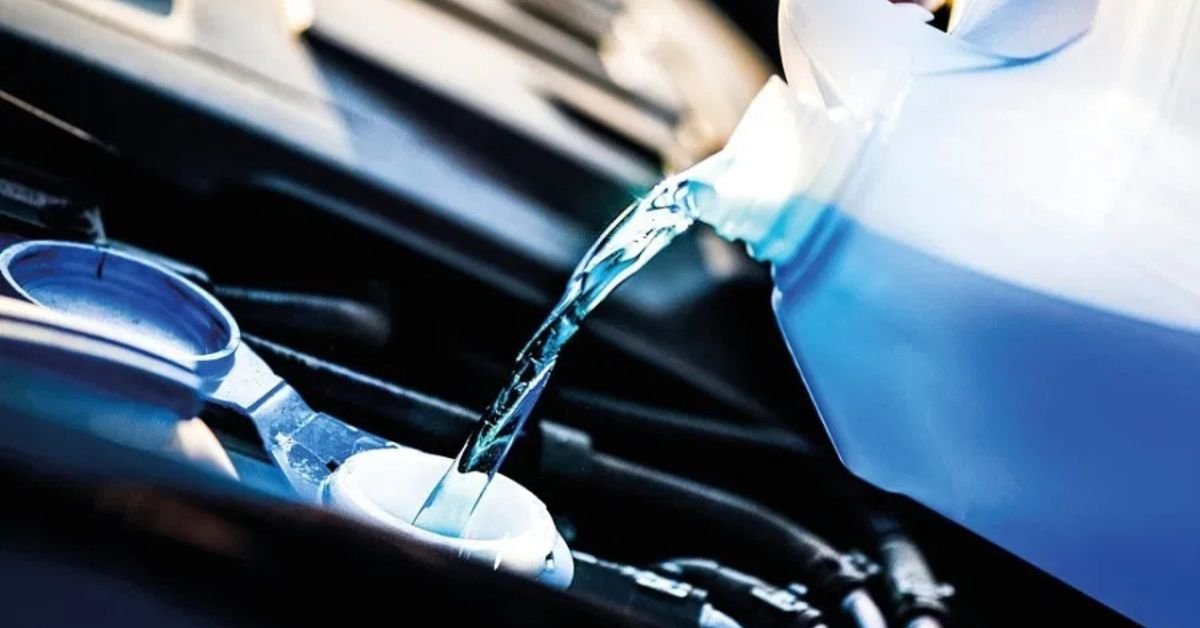
A car’s cooling system uses antifreeze as a special liquid. It helps control engine temperature in both hot and cold weather. It is usually mixed with water to form coolant, which flows through the engine to prevent overheating or freezing.
Many drivers hear about antifreeze but are not fully sure what it actually does. If you have ever wondered why your car engine stays cool in summer or does not freeze in winter, antifreeze is the reason behind it. Understanding it can help you avoid engine damage and costly repairs.
In this guide, you will learn what antifreeze really is, how it works, and why it is important for your vehicle. We will also explain its role in engine safety and how often you should check or replace it.
Antifreeze What Is It? Simple Definition for Beginners
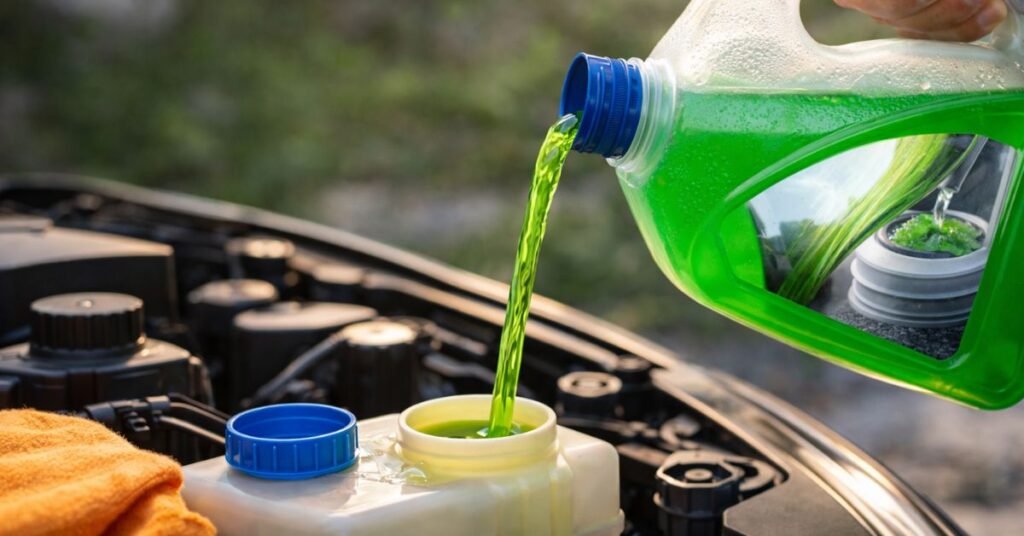
Antifreeze is a liquid used in a car’s engine cooling system. It helps control the engine temperature so it does not get too hot or too cold. It is usually mixed with water to make coolant, which moves through the engine and radiator.
This liquid is very important for engine safety and performance. It prevents freezing in winter and stops overheating in summer. Without antifreeze, the engine can get damaged easily and may stop working properly.
Why Antifreeze Is Essential in Every Vehicle
Antifreeze is very important for every vehicle because it protects the engine in all weather conditions. It keeps the engine temperature balanced so it does not overheat in summer or freeze in winter. Without antifreeze, the cooling system cannot work properly and the engine may get damaged.
It also helps your car run smoothly and increases engine life. It reduces the risk of rust and corrosion inside the cooling system. This keeps important parts safe and working for a long time.
Key reasons why antifreeze is essential:
- Prevents engine overheating
- Stops coolant from freezing in cold weather
- Protects against rust and corrosion
- Helps engine run at the right temperature
- Improves overall engine life and performance
Difference Between Antifreeze and Coolant Explained
Antifreeze and coolant are closely related, but they are not exactly the same. Antifreeze is a concentrated chemical liquid that helps control temperature in the engine. Most of the time, it is not used alone. Coolant is the final mixture of antifreeze and water that actually flows through the engine system.
Many beginners get confused because people often use both terms interchangeably. But understanding the difference helps you take better care of your vehicle. Coolant is what you pour into the radiator, while antifreeze is the main ingredient inside it.
Difference Between Antifreeze and Coolant
| Feature | Antifreeze | Coolant |
| Basic meaning | Concentrated chemical liquid | Mixture of antifreeze and water |
| Usage | Must be mixed before use | Ready-to-use in engine system |
| Main purpose | Prevents freezing and overheating | Regulates engine temperature |
| Composition | Pure glycol-based fluid | Antifreeze + distilled water |
| Where used | Added during coolant preparation | Circulates in radiator and engine |
| Strength | Very strong and concentrated | Balanced and diluted form |
| Direct use in car | Not used directly | Used directly in cooling system |
| Function in engine | Base ingredient | Active working fluid |
| Maintenance | Needs mixing before use | Needs periodic replacement |
| Common name confusion | Often called coolant incorrectly | Often called antifreeze incorrectly |
How Antifreeze Works in Your Car Engine
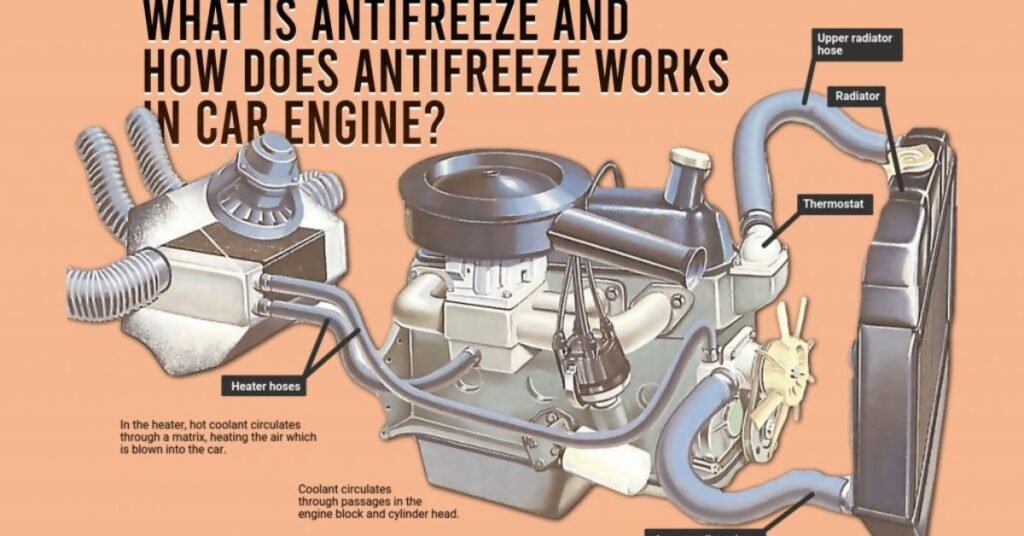
Antifreeze works by controlling the temperature inside your car engine. It moves through the cooling system and absorbs extra heat from the engine. Then it carries that heat to the radiator, where it is released into the air. This keeps the engine from getting too hot during driving.
It also protects the engine in cold weather. Antifreeze lowers the freezing point of the liquid inside the system, so it does not turn into ice. At the same time, it helps prevent rust and corrosion inside engine parts. This keeps the cooling system clean and working properly for a long time.
Heat Control and Engine Temperature Regulation
Your car engine creates a lot of heat while running. If this heat is not controlled, it can damage important engine parts. Antifreeze helps manage this heat by keeping the engine temperature stable. It flows through the engine and absorbs extra heat, then releases it through the radiator.
Proper temperature regulation is very important for smooth engine performance. It helps the engine work efficiently in all driving conditions. Without it, the engine may overheat or become too cold, both of which can cause serious problems.
Key points about heat control:
- Keeps engine temperature stable
- Prevents overheating during long drives
- Helps engine start easily in cold weather
- Improves fuel efficiency
- Protects engine parts from damage
What Happens When You Don’t Use Antifreeze
If you do not use antifreeze in your car, the engine can face serious problems. The cooling system will not control temperature properly. This can cause the engine to overheat in hot weather or freeze in cold weather. Both situations can lead to expensive damage.
Without antifreeze, the engine parts can wear out faster. Rust and corrosion can also build up inside the cooling system. Over time, this reduces engine performance and may even cause complete engine failure.
Possible problems without antifreeze:
- Engine overheating
- Coolant freezing in winter
- Rust and corrosion in the cooling system
- Poor engine performance
- Risk of engine breakdown
What Is Antifreeze Made Of? Key Ingredients Explained
Antifreeze is made from special chemicals that help control engine temperature. The main ingredient is usually ethylene glycol or propylene glycol. These chemicals are mixed with water and other additives to create a balanced solution called coolant. This mixture helps protect the engine in both hot and cold weather.
Each ingredient in antifreeze has a specific role. Some protect against freezing, while others prevent rust and corrosion inside the engine. Additives also help improve the overall performance of the cooling system and keep it clean for longer use.
Key ingredients in antifreeze:
- Ethylene glycol or propylene glycol controls temperature and prevents freezing
- Water (usually distilled) helps carry heat through the system
- Anti-corrosion additives protect metal parts from rust
- Lubricating agents help protect water pump and moving parts
- Stabilizers keep the mixture working for a long time
Ethylene Glycol vs Propylene Glycol
| Feature | Ethylene Glycol | Propylene Glycol |
| Primary role | Standard engine antifreeze base | Safer alternative antifreeze base |
| Toxicity risk | Highly toxic if swallowed | Low toxicity, safer for accidental exposure |
| Engine efficiency | Excellent heat transfer performance | Good but slightly less efficient |
| Common usage | Most cars and heavy vehicles | Eco-friendly and specialty systems |
| Cost level | Lower cost, widely used globally | Higher cost due to safer formulation |
| Environmental safety | Harmful to pets and wildlife if leaked | More environmentally friendly option |
| Freezing protection | Strong protection in extreme cold | Reliable but slightly weaker in extreme cold |
| Boiling protection | Very high boiling point stability | Moderate to high boiling protection |
| Water mixing ratio | Commonly 50/50 mix with water | Commonly 50/50 mix with water |
| Leak hazard impact | Dangerous contamination risk | Lower environmental hazard if leaked |
Additives That Protect Your Engine
Antifreeze contains special additives that help protect your engine from damage. These additives work silently inside the cooling system. They keep the engine clean and prevent harmful build-up. They also improve the overall performance of the coolant.
These additives play an important role in engine safety. They reduce rust, stop corrosion, and protect metal parts from wear. They also help the cooling system last longer and work more efficiently.
Main protective additives:
- Anti-corrosion agents to stop rust
- Lubricants to protect the water pump
- Anti-foaming agents for smooth flow
- pH stabilizers to balance acidity
- Scale inhibitors to prevent deposits
Types of Antifreeze You Should Know
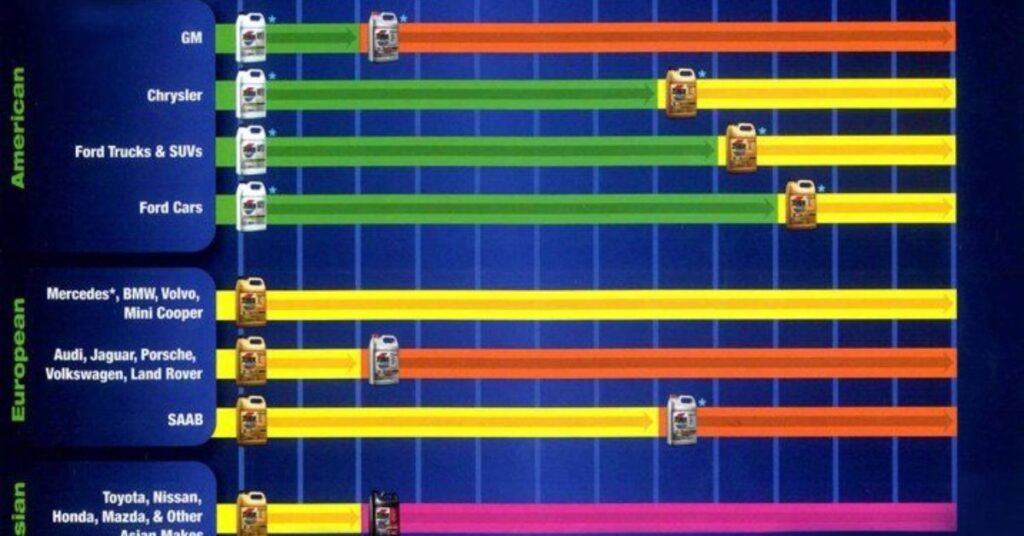
There are different types of antifreeze used in vehicles today. Each type is made for specific engine needs and car models. The most common types include IAT, OAT, HOAT, and NOAT. They all help control engine temperature but use different chemical technologies.
Choosing the right antifreeze is important for engine health. Using the wrong type can reduce performance or even damage the cooling system. Always check your vehicle manual before selecting any antifreeze type.
Common types of antifreeze:
- IAT (Inorganic Acid Technology) used in older vehicles
- OAT (Organic Acid Technology) long-life coolant for modern cars
- HOAT (Hybrid Organic Acid Technology) mix of IAT and OAT benefits
- NOAT (Nitrited OAT) used in heavy-duty engines
IAT, OAT, and HOAT Explained Simply
- IAT (Inorganic Acid Technology)
- Used in older vehicles
- Short service life (around 2 years)
- Basic corrosion protection
- OAT (Organic Acid Technology) –
- Used in modern vehicles
- Long life (up to 5 years or more)
- Strong protection against rust and corrosion
- HOAT (Hybrid Organic Acid Technology)
- Mix of IAT and OAT technologies
- Used in many newer vehicles and trucks
- Balanced protection and longer durability
Signs You Need to Replace Antifreeze
- Engine temperature gauge rises faster than normal during driving
- Coolant changes color to dark brown, rusty, or dirty green
- Sweet or unusual smell coming from the radiator or engine bay
- Engine overheating even on short trips or normal traffic
- Coolant level keeps dropping without any visible external leak
- Heater inside the car stops working or blows cold air
- Sludge, dirt, or thick deposits seen in the coolant reservoir
- Warning light appears on dashboard related to temperature or coolant system
- Engine fan running more often or staying on for longer than usual
- Strange gurgling or bubbling sound coming from the cooling system
Overheating Engine Warning Signs
- Temperature gauge quickly rising into the red zone
- Steam or smoke coming out from under the hood
- Strong burning smell from the engine area
- Coolant warning light appearing on the dashboard
- Engine losing power during normal driving
- Unusual knocking or ticking sounds from the engine
- Coolant leaking or dripping under the vehicle
- Engine shutting down or stalling suddenly
- Radiator fan running constantly at high speed
- Boiling sound coming from the coolant reservoir
Discolored or Dirty Coolant Symptoms
Discolored or dirty coolant is a clear sign that your cooling system is not working properly. Fresh coolant is usually bright in color, but over time it can become dark, rusty, or cloudy. This happens when dirt, rust, or old fluid builds up inside the system.
If you ignore dirty coolant, it can lead to engine damage and poor cooling performance. It may block proper flow and reduce the system’s ability to control temperature. Checking coolant color regularly helps prevent bigger problems.
Symptoms of discolored or dirty coolant:
- Coolant turns brown, dark green, or rusty in color
- Cloudy or muddy appearance in the reservoir
- Sludge or thick particles floating in the coolant
- Strong bad or unusual smell from the coolant tank
- Engine temperature rising more than normal
- Poor heating or cooling inside the car cabin
- Visible contamination inside radiator or reservoir
- Reduced engine performance during driving
How to Check and Add Antifreeze Safely
- Park your car on a flat and safe surface
- Wait until the engine is completely cool
- Open the coolant cap slowly to release pressure
- Check coolant level against the marked lines
- Use only the recommended antifreeze type for your car
- Mix antifreeze with distilled water if required
- Pour slowly to avoid spills and overfilling
- Do not exceed the maximum fill level
- Protect your skin from chemicals by wearing gloves
- Tighten the cap properly after filling
- Wipe any spilled coolant immediately
- Start the engine and check for leaks or warning signs
Step-by-Step Beginner Guide
- Always check that the engine is completely cool before starting
- Locate the coolant reservoir under the hood
- Check the level between minimum and maximum marks
- Use the correct antifreeze type recommended for your car
- Mix with distilled water if required
- Pour slowly to avoid spills or air bubbles
- Fill only up to the proper level mark
- Close the cap tightly after filling
- Start the engine and recheck the level
Common Mistakes to Avoid
- Opening the coolant cap when the engine is hot
- Using the wrong type of antifreeze for your vehicle
- Overfilling the coolant reservoir
- Mixing incompatible coolant types
- Using tap water instead of distilled water
- Ignoring small leaks in the cooling system
- Delaying regular coolant replacement
- Not checking coolant levels frequently
Is Antifreeze Toxic? Safety Tips You Must Know
Antifreeze can be toxic if it is swallowed or handled carelessly. It contains chemicals like ethylene glycol, which are harmful to humans and animals. A small amount can cause serious health problems. That is why it must always be used and stored with care.
You should always follow safety steps when working with antifreeze. Avoid direct contact with skin and never leave it open where children or pets can reach it. Clean any spills immediately to prevent accidents.
Safety tips to follow:
- Never drink or taste antifreeze
- Keep it away from children and pets
- Wear gloves when handling it
- Avoid skin and eye contact
- Store in a tightly closed container
- Clean spills immediately and safely
- Dispose of old coolant properly
- Do not mix with food or drinks containers
Conclusion
Antifreeze is a very important part of your car’s cooling system.In both hot and cold weather, it helps control engine temperature.. Without it, your engine can overheat, freeze, or get damaged easily. That is why every driver should understand what antifreeze is and how it works.
Taking care of your antifreeze can save you from expensive repairs. Always check the coolant level, use the correct type, and replace it when needed. Regular maintenance keeps your engine safe, strong, and long-lasting. A small step like this can make a big difference in your car’s performance.
FAQs
1. What is antifreeze in simple words?
A car’s cooling system uses antifreeze as a special liquid. In hot and cold weather, it helps control engine temperature. It is usually mixed with water to make coolant. This mixture keeps the engine safe from overheating or freezing.
2. Is antifreeze the same as coolant?
Not exactly. Antifreeze is the concentrated chemical liquid, while coolant is a mixture of antifreeze and water. Coolant is what actually flows through the engine. People often use both words in the same meaning, but they are slightly different.
3. Why is antifreeze important for a car engine?
Antifreeze protects the engine from extreme temperatures. It prevents overheating in summer and freezing in winter. It also reduces rust and corrosion inside the cooling system. This helps the engine run smoothly and last longer.
4. How often should antifreeze be changed?
It depends on your car type and coolant used. Most modern cars need a change every 2 to 5 years. Old coolant loses its strength over time and becomes less effective. Always follow your car manufacturer’s guide for best results.
5. What happens if you don’t use antifreeze?
Without antifreeze, the engine can overheat or freeze easily. This can cause serious damage to engine parts. Rust and buildup can also develop inside the cooling system. It may result in a complete engine failure in severe cases.
