

Introduction:
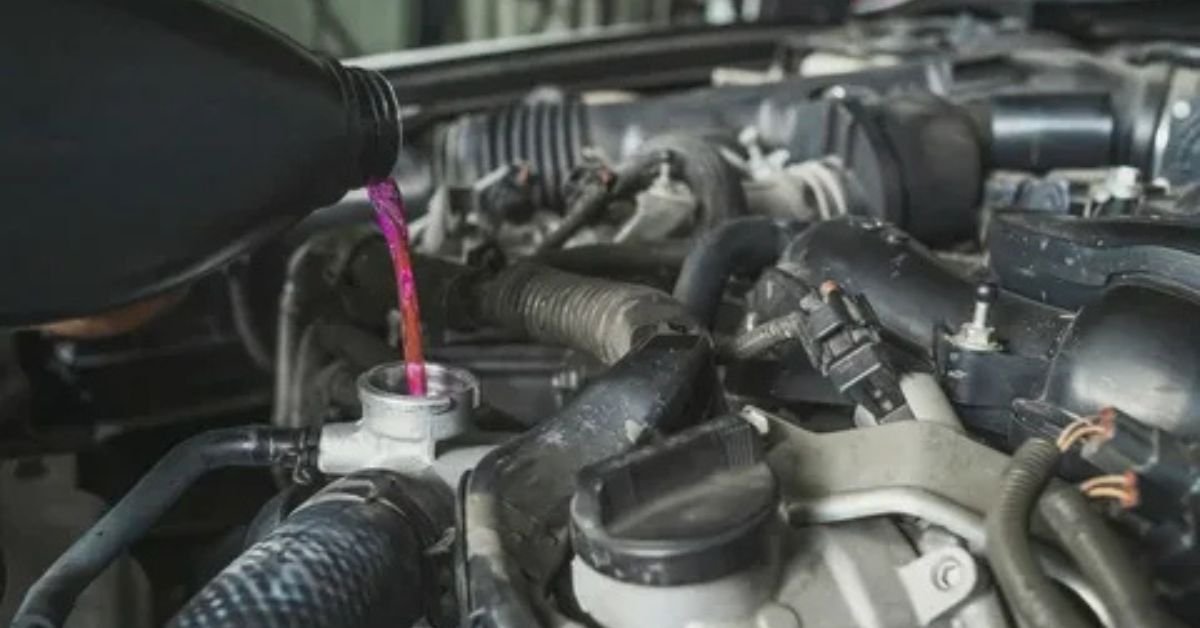
Antifreeze mixed with water is the liquid used in a car’s cooling system to control engine temperature. Antifreeze alone is very strong, so it is usually diluted with water before use. This mixture flows through the radiator and engine to prevent overheating in hot weather and freezing in cold weather. It also helps protect metal parts from rust and corrosion.
Many drivers think they can pour antifreeze directly into the radiator. But using the wrong mixture can cause serious engine problems. Too much water may lead to freezing or overheating. Too much antifreeze can reduce the cooling ability of the system. That is why understanding the correct ratio is very important for every car owner.
A mixture of 50% antifreeze and 50% water is recommended for most vehicles. This balance provides the best protection for the engine and cooling system. In this guide, we will explain how antifreeze mixed with water works, why the ratio matters, and how you can mix it correctly for your car.
What Does Antifreeze Mixed With Water Mean in a Car Cooling System?
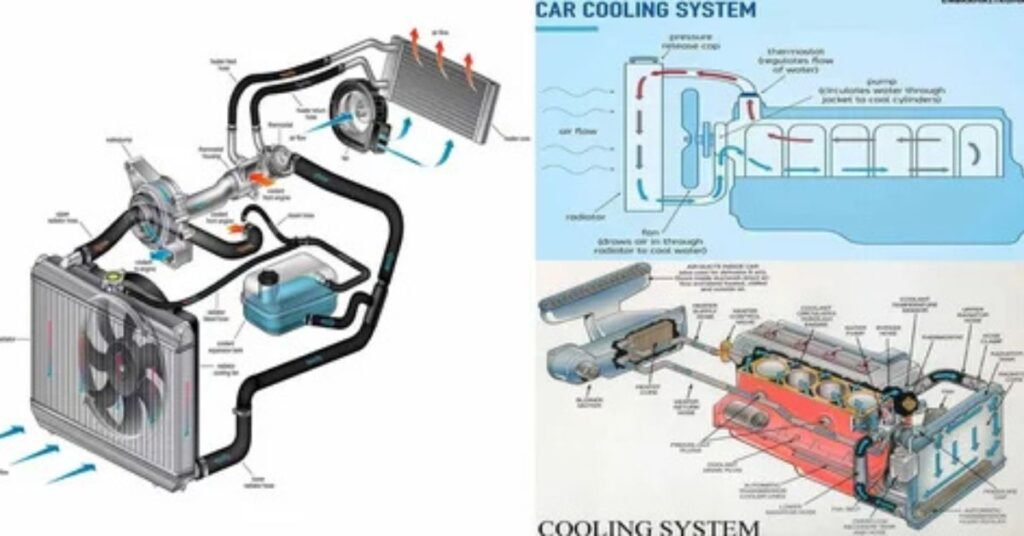
Antifreeze mixed with water means combining coolant with water before adding it to the car’s cooling system. Antifreeze by itself is a concentrated liquid. It is designed to protect the engine, but it works best when diluted. When water is added, the mixture can move easily through the radiator and engine passages. This helps control engine temperature during both hot and cold weather.
This mixture also improves the overall performance of the cooling system. Water helps carry heat away from the engine. Antifreeze adds protection against freezing, boiling, and rust. Together, they create a balanced coolant that keeps the engine running safely. Without the right mix, the cooling system may not protect the engine properly.
Why Antifreeze Needs to Be Mixed With Water
- It helps control engine temperature
Mixing antifreeze with water keeps the engine cool in hot weather and prevents freezing in winter. - It improves cooling performance
Water absorbs heat quickly, which helps remove heat from the engine faster. - It protects the cooling system
Antifreeze contains additives that protect the radiator and engine parts from rust and corrosion. - It prevents coolant from boiling
The mixture increases the boiling point of the coolant, which reduces overheating risk. - It allows proper circulation
The balanced mixture flows smoothly through the radiator, hoses, and engine passages. - It keeps the engine safe for a longer time
Using the correct mix reduces stress on the cooling system and supports long engine life.
Best Antifreeze to Water Ratio for Cars

The best antifreeze to water ratio is usually 50:50. This means half antifreeze and half water. This mix protects your engine in both hot and cold weather. It prevents freezing in winter and boiling in summer. Using this ratio also protects metal parts from rust and corrosion.
Some cars or climates need a slightly different ratio. Cooler regions may need more antifreeze, while very hot areas may need more water. Always check your car manual before mixing. The table below shows common ratios and their benefits:
| Antifreeze : Water Ratio | Freezing Point | Boiling Point | Best Use | Notes |
| 50:50 | -34°F / -37°C | 265°F / 129°C | Most cars | Balanced for year-round use |
| 60:40 | -62°F / -52°C | 270°F / 132°C | Cold climates | Extra freeze protection |
| 40:60 | -12°F / -24°C | 260°F / 127°C | Hot climates | Better heat transfer |
| 70:30 | -84°F / -64°C | 275°F / 135°C | Extreme cold | Not recommended for everyday use |
| 30:70 | 0°F / -18°C | 255°F / 124°C | Very hot areas | Reduces overheating risk but less freeze protection |
This table helps car owners choose the right mix based on climate and vehicle needs. Always remember, the correct ratio keeps your engine safe and improves cooling efficiency.
The Standard 50/50 Antifreeze and Water Mix
The standard 50/50 antifreeze and water mix is the most common and recommended ratio for most cars. This means half antifreeze and half water. It protects the engine from freezing in winter and overheating in summer. The mix also prevents rust and corrosion in the radiator and cooling system. Using this ratio ensures the coolant flows smoothly and works efficiently.
This mixture is easy to prepare and safe for everyday use. It provides balanced protection for engines in almost all climates. Car manufacturers usually suggest this ratio because it offers the best combination of freeze protection, boiling resistance, and engine safety. Regularly checking and maintaining the 50/50 mix helps your car run reliably and extends the life of the cooling system.
When to Use 60/40 or Other Ratios
- Use 60/40 antifreeze to water in very cold weather.
- Choose 70/30 mix for extreme freezing temperatures.
- Stick to 50/50 in normal weather conditions.
- Always follow your car manual for exact ratios.
- Never reduce antifreeze below recommended levels.
- Adjust the mix if your engine or climate needs extra protection.
- Check coolant regularly to maintain proper balance.
- A higher antifreeze ratio helps prevent corrosion and freezing.
How to Properly Mix Antifreeze With Water
- Always use clean water when mixing with antifreeze.
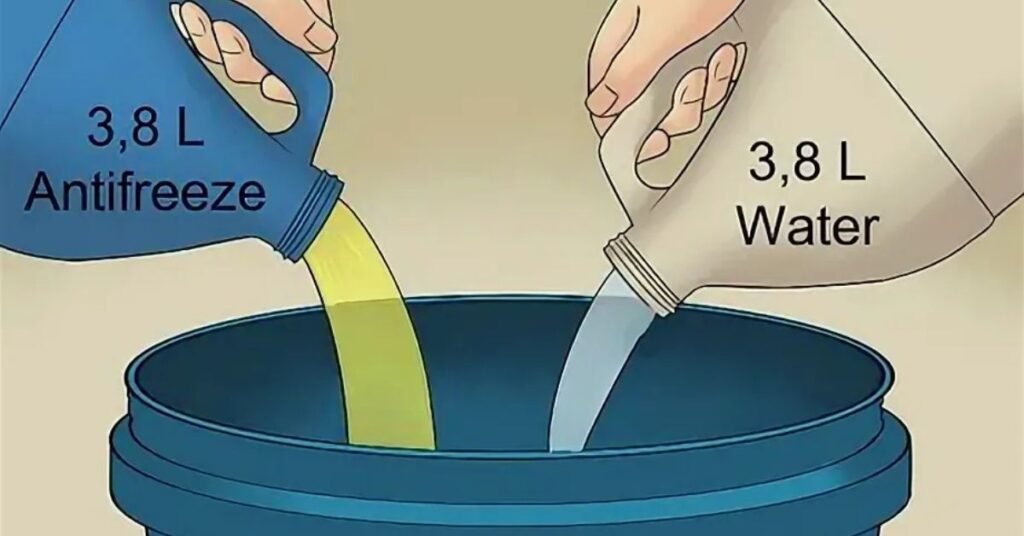
- Measure the antifreeze and water carefully for the correct ratio.
- Pour antifreeze into the container first, then add water.
- Stir or shake gently to mix them evenly.
- Avoid overfilling your radiator or coolant reservoir.
- To protect your skin from chemicals, wear gloves.
- Never mix different types of antifreeze together.
- Check the mixture with a coolant tester if possible.
- Follow your car’s manual for the recommended ratio.
- Refill slowly to prevent air bubbles in the system.
Can You Mix Antifreeze With Tap Water or Distilled Water?
You can mix antifreeze with both tap water and distilled water, but the choice matters. Minerals are not present in distilled water.. Tap water can have minerals that may cause deposits in your engine over time. Using distilled water is safer for long-term engine health.
Sometimes tap water is fine in emergencies. If you use tap water, try to use filtered or soft water. Always aim for the correct antifreeze-to-water ratio. Regularly check your coolant to prevent corrosion or scale buildup.
| Water Type | Pros | Cons | Best Use Case | Notes |
| Distilled Water | Pure, no minerals, protects engine longer | Slightly more expensive than tap water | Regular mixing with antifreeze | Ideal for all climates and long-term engine care |
| Tap Water | Easy to find, cheap | Can leave mineral deposits, may cause corrosion | Emergency or short-term use | Prefer filtered or soft tap water to reduce risks |
| Filtered Water | Fewer minerals, cheaper than distilled | Not completely pure | Temporary replacement in normal conditions | Better than hard tap water, but check regularly |
| Softened Water | Low mineral content, gentle on engine | Can still contain small traces of salts | Temporary or emergency use | Avoid if possible for long-term use |
Why Distilled Water Is Recommended
- Distilled water has no minerals or impurities.
- It prevents scale and deposits in your engine.
- Protects metal parts from corrosion.
- Helps antifreeze work more effectively.
- Reduces the chance of clogging in the radiator.
- Keep the cooling system clean for a long time.
- Ideal for all climates and engine types.
- Ensures consistent antifreeze performance.
- Safer for long-term engine health.
- Easy to measure and mix with antifreeze.
What Happens If Antifreeze Is Not Mixed With Water
- Pure antifreeze is too thick to flow properly in the engine.
- It can cause overheating during normal driving.
- The cooling system may get damaged faster.
- Radiators and hoses can crack under high heat.
- Engine parts may corrode without proper water balance.
- Heater performance inside the car may drop.
- Risk of poor engine cooling in hot weather.
- Pump and thermostat can fail sooner.
- Antifreeze alone does not prevent freezing efficiently.
- Always mix with water to protect your engine.
Common Mistakes When Mixing Antifreeze and Water
- The wrong type of water is being used, such as hard tap water.
- Adding too much or too little antifreeze.
- Mixing different types of antifreeze together.
- Pour water before antifreeze in the container.
- Not checking the ratio with a coolant tester.
- Overfilling the radiator or reservoir.
- Forgetting to wear gloves or protective gear.
- Skipping the car manual instructions.
- Not stirring or shaking the mixture properly.
- Ignoring regular coolant checks after mixing.
Signs Your Coolant Mixture Is Incorrect
- Engine temperature rises faster than usual.
- Radiator hoses feel unusually hot or soft.
- Coolant looks rusty or has sediment.
- The heater inside the car is weak or not working.
- White or bubbly residue appears in the radiator.
- Strange smells, like sweet or burnt odor, from the engine.
- Engine warning lights turn on.
- Coolant level drops quickly without leaks.
- Overheating happens even in normal weather.
- Ice forms in the radiator in cold conditions.
Conclusion
Mixing antifreeze with water correctly is very important for your car. It keeps the engine at the right temperature and protects it from damage. Using the wrong ratio or the wrong type of water can cause serious problems, like overheating or corrosion. Always follow your car’s manual and check your coolant regularly.
Distilled water is the safest choice, but in emergencies, tap or filtered water can work temporarily. Never use pure antifreeze alone. Watch for signs like overheating, strange smells, or discolored coolant if they tell you something is wrong. Proper mixing keeps your engine healthy and your car running smoothly for a long time.
FAQs
1. Can I use tap water instead of distilled water?
Yes, tap water can be used in emergencies, but it may contain minerals that can cause deposits and corrosion over time. Distilled water is safer for long-term engine health.
2. What is the best antifreeze-to-water ratio?
A standard 50/50 mix works in most climates. In very cold areas, a 60/40 or 70/30 mix may be better to prevent freezing. Always check your car’s manual for the recommended ratio.
3. What happens if I use pure antifreeze?
Pure antifreeze is too thick and can cause overheating or damage to the cooling system. It also does not protect the engine effectively against freezing or corrosion.
4. Can I mix different brands of antifreeze?
It’s not recommended. Mixing different types can reduce effectiveness and may cause chemical reactions that harm the engine. Always stick to one type approved by your car manufacturer.
5. How do I know if my coolant mixture is wrong?
Signs include engine overheating, weak heater performance, bubbly or discolored coolant, and warning lights. Regular checks and proper mixing prevent these issues.
