

Introduction:
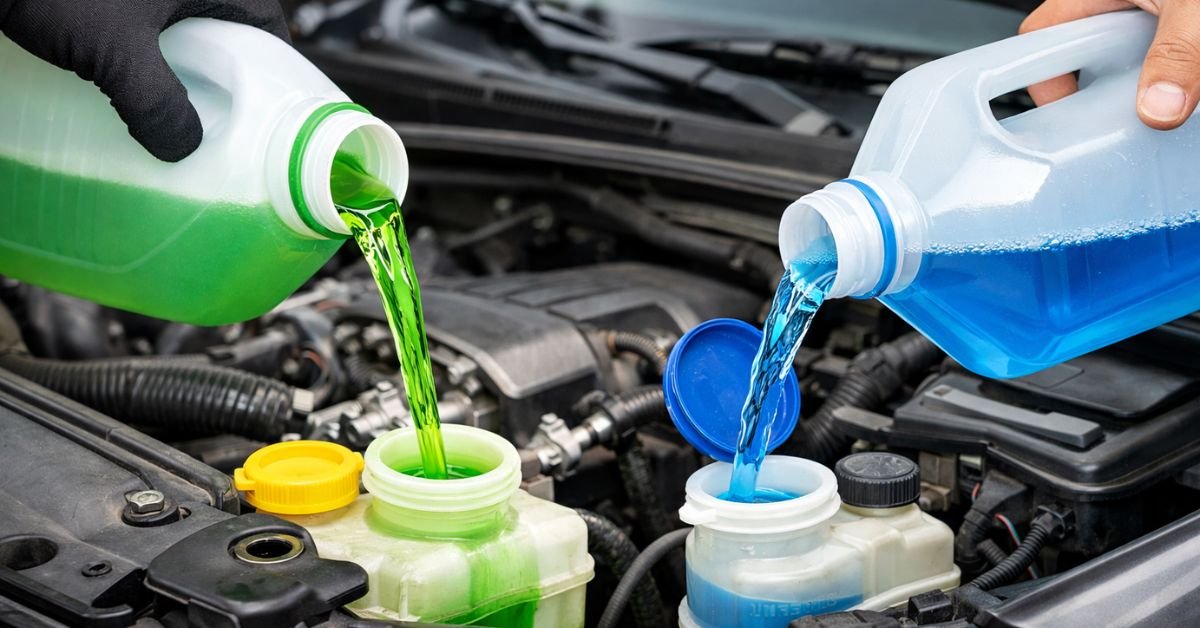
Antifreeze and wiper fluid are two important liquids in your car. Antifreeze keeps the engine cool in summer and prevents it from freezing in winter. Wiper fluid helps clean your windshield, giving you clear vision while driving. Both are small but crucial parts of car maintenance.
Many drivers ignore these fluids until a problem happens. Imagine being stuck on a cold morning with a frozen engine or a dirty windshield blocking your view. Knowing how to use and maintain antifreeze and wiper fluid can save you from stress, expensive repairs, and even accidents.
In this guide, we will explain how antifreeze and wiper fluid work. You will learn how to check them, choose the right type, and maintain them properly. By the end, you’ll know everything a driver should about these essential car fluids.
What Are Antifreeze and Wiper Fluid?
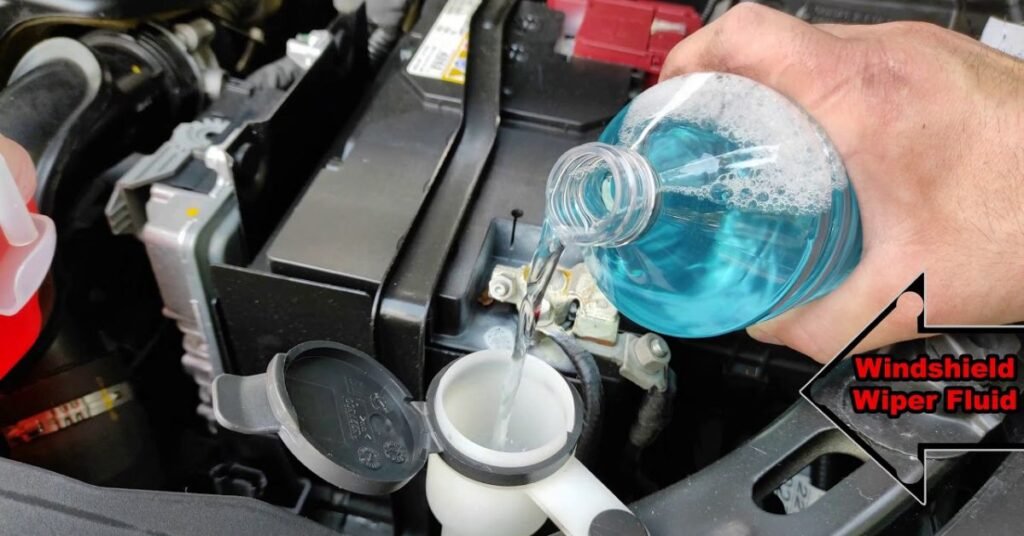
Antifreeze is a special liquid that protects your car’s engine from extreme temperatures.During the winter, it prevents the engine from freezing.. In summer, it stops the engine from overheating. It also keeps the engine parts safe from rust and corrosion. Without antifreeze, your car can face serious engine damage.
Wiper fluid is a liquid used to clean your windshield. It removes dirt, dust, and bugs, giving you a clear view while driving. Some wiper fluids also prevent freezing in cold weather. Together, antifreeze and wiper fluid help keep your car safe, clean, and running smoothly all year.
Definition of Antifreeze / Engine Coolant
Antifreeze, also called engine coolant, is a liquid that protects your car’s engine. It stops the engine from freezing in winter and overheating in summer. It also prevents rust and corrosion inside the engine. Without it, your car can face serious damage.Your engine runs smoothly and safely with antifreeze.
Definition of Windshield Wiper Fluid / Washer Fluid
Windshield wiper fluid is a liquid that cleans your car’s windshield. It removes dirt, dust, bugs, and grime while driving. Cold weather also prevents some fluids from freezing.. Using wiper fluid ensures a clear view on the road. It helps you drive safely in all conditions.
Key Differences Between Antifreeze and Wiper Fluid
Antifreeze and wiper fluid are both important, but they serve very different purposes.Your engine is protected from freezing and overheating by antifreeze.. Wiper fluid keeps your windshield clean and clear. Both help your car run safely, but in different ways. Understanding their differences makes maintenance easier and prevents mistakes.
Here’s a simple comparison table to show their differences clearly:
| Feature | Antifreeze / Engine Coolant | Windshield Wiper Fluid / Washer Fluid |
| Purpose | Protects engine from extreme temps | Cleans windshield for clear vision |
| Function | Prevents freezing, overheating, rust | Removes dirt, dust, bugs, grime |
| Location in Car | Radiator / engine cooling system | Windshield washer reservoir |
| Importance | High – engine damage prevention | High – driving visibility and safety |
| Freezing Protection | Yes, in winter | Some types, yes |
| Overheating Protection | Yes, in summer | No |
| Maintenance Frequency | Check regularly, change per schedule | Refill as needed |
| Impact if Missing | Engine can be damaged | Reduced visibility, unsafe driving |
Both fluids are essential. Using the right type and checking them often keeps your car safe. Ignoring them can cause big problems in the future.
Chemical Composition Comparison
Antifreeze and wiper fluid have very different chemical makeups. Antifreeze usually contains ethylene glycol or propylene glycol. It also has additives to prevent rust, corrosion, and boiling. Wiper fluid is mostly water mixed with alcohol or cleaning agents. Some formulas also include antifreeze chemicals to stop freezing in winter.
Here’s a detailed table comparing their chemical composition:
| Feature / Component | Antifreeze / Engine Coolant | Windshield Wiper Fluid / Washer Fluid |
| Base Chemical | Ethylene glycol or propylene glycol | Water and alcohol |
| Additives | Rust inhibitor, corrosion inhibitor, anti-foam | Surfactants (cleaning agents) |
| Freezing Point | Very low, prevents freezing | Moderate, some freeze-resistant types |
| Boiling Point | High, prevents overheating | Low, evaporates quickly |
| Corrosion Protection | Yes, protects engine metals | No |
| Color | Green, orange, pink, or blue | Usually blue or green |
| Toxicity | High – not safe to drink | Low – safer but not for consumption |
| Main Purpose | Engine protection | Windshield cleaning |
Understanding these differences helps you use the right fluid in the right place. Both are important, but they work in very different ways to keep your car running safely.
Primary Functions and Purpose in Your Vehicle
Antifreeze and wiper fluid each have their own important roles in your car. Antifreeze keeps the engine safe from extreme heat and cold.Additionally, it prevents rust and corrosion on metal parts.. Wiper fluid ensures a clean windshield for clear vision while driving. Both fluids help your car work safely and efficiently.
Here are their main functions in simple points:
Antifreeze / Engine Coolant:
- Prevents engine from freezing in winter
- Stops overheating in summer
- Protects engine parts from rust and corrosion
- Maintains proper engine temperature
Wiper Fluid / Washer Fluid:
- Cleans dirt, dust, and bugs from windshield
- Improves driving visibility and safety
- Some types prevent freezing in cold weather
- Makes windshield cleaning easier and faster
Both fluids may seem small, but they play a big role in keeping your car safe and road-ready.
Can You Mix Antifreeze With Wiper Fluid?
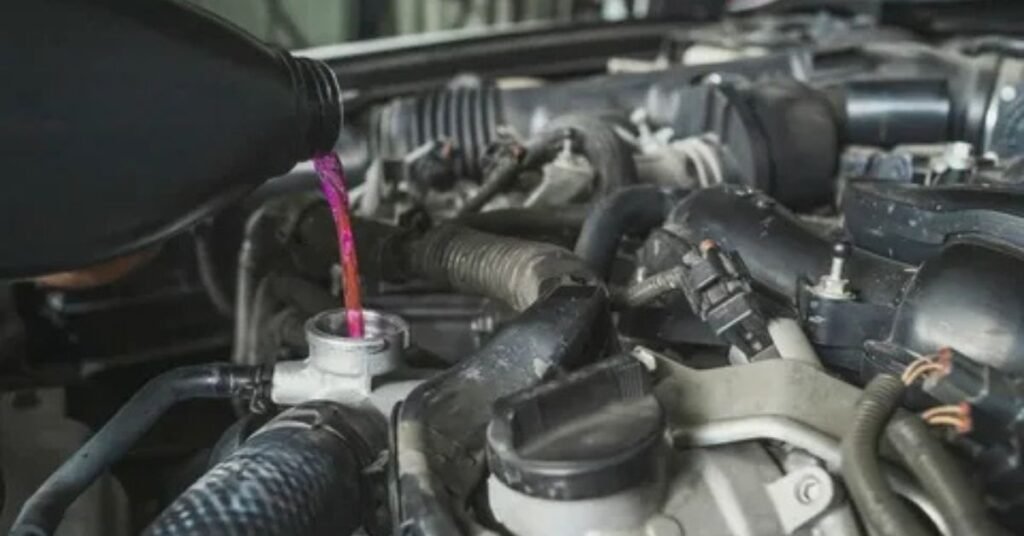
No, you should not mix antifreeze with wiper fluid. They are made for different purposes. Antifreeze protects the engine, while wiper fluid cleans the windshield. Mixing them can reduce their effectiveness. It may also damage your car’s systems or leave residues. Keeping them separate is the safest choice.
Here’s a quick summary in bullet points:
- Antifreeze is for engine protection, not cleaning
- Wiper fluid is for windshield cleaning, not engine cooling
- Mixing can lower freezing or boiling protection
- May leave streaks or damage windshield system
- Always use each fluid in its proper reservoir
Using the right fluid in the right place ensures your car stays safe and works efficiently.
Why Mixing These Fluids Is Dangerous
Mixing antifreeze with wiper fluid is risky for your car. Each fluid is designed for a specific job. Antifreeze regulates engine temperature, while wiper fluid cleans the windshield. Combining them can reduce their effectiveness. It may also damage engine parts or the windshield system. A small mistake can have a big impact.
Here are the main dangers in bullet points:
- Reduces engine protection against freezing or overheating
- Can damage radiator, hoses, or engine seals
- Wiper system may get clogged or leave streaks
- Chemical reaction may produce harmful residues
- Voids car warranty if damage occurs
Using the right fluid in the right place is simple but very important.You can rely on it to keep your car running smoothly and safely.
What Happens If You Mix Them Accidentally
If antifreeze and wiper fluid get mixed by mistake, your car may not work properly. The engine could overheat or freeze because antifreeze loses its strength. Wiper fluid may leave streaks or not clean the windshield well. Even a small mix can reduce the performance of both fluids.
In some cases, mixing can cause damage over time. Engine parts, hoses, or the radiator may corrode or clog. The windshield system may also get blocked. If this happens, you should flush both systems and refill them with the correct fluids. Acting quickly can prevent costly repairs and keep your car safe.
How Antifreeze Protects Your Engine
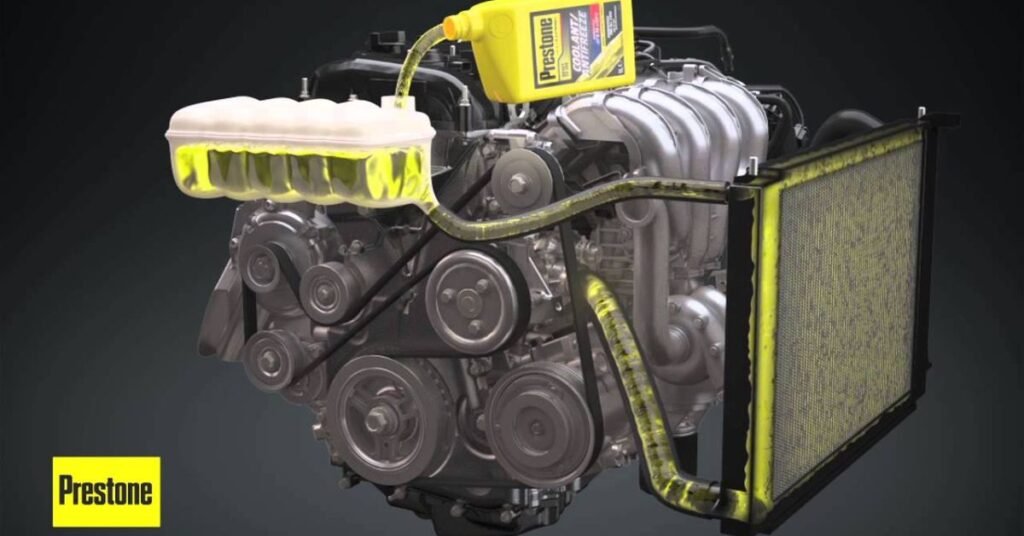
Antifreeze is essential for keeping your engine safe. It regulates temperature and prevents extreme heat or cold from damaging engine parts. The cooling system is also protected from corrosion and rust.. Without antifreeze, your engine can overheat or freeze, causing costly repairs.
Here’s how antifreeze protects your engine in simple points:
- Maintains the right engine temperature in hot and cold weather
- Prevents freezing of engine coolant in winter
- Stops engine from overheating in summer
- Protects metal parts from rust and corrosion
- Keeps hoses, radiator, and seals in good condition
Using the correct antifreeze and checking it regularly ensures your engine runs smoothly and lasts longer.
How Wiper Fluid Works and Why It’s Important
Wiper fluid is a liquid that helps keep your windshield clean. When you spray it, it loosens dirt, dust, and bugs. The wipers then wipe it away, giving you a clear view of the road. Clean windshields are essential for safe driving, especially in rain, snow, or dusty conditions.
Here’s why wiper fluid is important:
- Removes dirt, dust, and bug splatters from the windshield
- Improves visibility while driving in all weather conditions
- Some formulas prevent freezing in cold temperatures
- Works with wipers to keep your view clear and safe
- Helps prevent scratches caused by dry wiping or debris
Using the right wiper fluid regularly makes driving safer and more comfortable.
Seasonal Fluid Maintenance Tips
Antifreeze / Engine Coolant:
- Check levels at the start of winter and summer
- Use the correct 50/50 mix of antifreeze and water
- Replace coolant according to manufacturer’s instructions
- Inspect hoses, radiator, and seals for leaks
- Add winter or summer-specific coolant if recommended
Wiper / Washer Fluid:
- Refill before rainy or snowy seasons
- Use freeze-resistant fluid in winter
- Keep a bottle of wiper fluid in the car for emergencies
- Clean windshield and wiper blades regularly
- Avoid using plain water in freezing temperatures
Following these tips ensures your car stays safe and works efficiently in all seasons.
Choosing the Right Wiper Fluid for Winter
Winter wiper fluid is different from regular fluid. It is designed to resist freezing and clean away snow, ice, and salt. Using the right fluid keeps your windshield clear in cold weather. It also helps your wipers work properly without streaks or damage.
Tips for choosing winter wiper fluid:
- Look for freeze-resistant or anti-freeze formulas
- Avoid plain water in freezing temperatures
- Check the label for temperature rating
- Use fluid that can remove road salt and grime
- Refill regularly during heavy snow or ice
Checking and Replacing Antifreeze Before Winter
Antifreeze is crucial before cold weather. Low or old antifreeze can cause your engine to freeze. Checking and replacing it ensures your engine stays protected. Winter-ready antifreeze prevents freezing, corrosion, and engine damage.
Tips for checking and replacing antifreeze:
- Check coolant levels in the radiator and reservoir
- Ensure the mixture is correct (usually 50/50)
- Replace old or dirty antifreeze before winter
- Inspect hoses and radiator for leaks or cracks
- Follow your car manufacturer’s maintenance schedule
Safety and Environmental Considerations

Antifreeze / Engine Coolant:
- Keep out of reach of children and pets; it is toxic
- Avoid spilling on roads or soil to prevent pollution
- Protect your skin by wearing gloves when handling
- Dispose of old coolant at proper recycling centers
- Pour it away from drains and toilets
Wiper / Washer Fluid:
- Keep out of children’s reach in a cool, dry place
- Avoid mixing with other chemicals
- Dispose of old or contaminated fluid properly
- Check labels for eco-friendly or biodegradable options
- Use only in recommended quantities to reduce waste
Following these tips keeps you safe and helps protect the environment.
Toxicity Concerns With Antifreeze
Antifreeze is highly toxic if swallowed. Even small amounts can make humans or pets very sick. It has a sweet taste, which can attract children and animals. That is why storing it safely is very important.
Exposure to antifreeze can also harm the skin or eyes. Spills on the ground can contaminate water and soil. Always handle it with care and use gloves if needed. Proper disposal at recycling centers helps protect both your family and the environment.
Safe Handling and Disposal Practices
Handling antifreeze and wiper fluid safely is very important. Always store them in sealed containers. Children, pets, and direct sunlight should be kept away from them.. Wear gloves if you need to pour or refill fluids. Small spills should be cleaned immediately to avoid accidents.
Here are some safe handling and disposal tips:
- Store fluids in original, clearly labeled containers
- Keep them in a cool, dry place away from kids and pets
- Protect your skin by wearing gloves when handling
- Never pour old fluids down drains or on the ground
- Take used fluids to authorized recycling or disposal centers
- Avoid mixing different chemicals to prevent dangerous reactions
Following these tips helps protect you, your car, and the environment
Conclusion
Antifreeze and wiper fluid are small parts of your car, but they play a big role in keeping it safe. Antifreeze protects the engine from freezing and overheating. Wiper fluid keeps your windshield clean for clear vision. Ignoring them can cause engine damage or unsafe driving conditions. Regularly checking and maintaining these fluids helps your car last longer and keeps you safe on the road.
Proper handling and the right fluid for each purpose are very important. Always store them safely and dispose of old fluids correctly. Using winter-ready fluids before cold months improves safety and performance. By following simple maintenance tips, you can avoid costly repairs and drive with peace of mind. Taking care of these fluids is easy, but it makes a huge difference for your car and your safety.
FAQs
1. Can I mix antifreeze and wiper fluid?
No, you should never mix them. Antifreeze is for the engine, and wiper fluid is for the windshield. Mixing can reduce their effectiveness and may damage your car.
2. How often should I check antifreeze and wiper fluid?
Check both fluids at least once a month. Leaks or evaporation can cause levels to drop.. Regular checks prevent engine problems and poor visibility while driving.
3. What happens if my antifreeze runs out?
If antifreeze runs out, your engine can overheat or freeze. This can cause serious damage and costly repairs. Keeping it at the right level protects your engine year-round.
4. Can wiper fluid freeze in winter?
Yes, regular wiper fluid can freeze in cold temperatures. Use winter or freeze-resistant formulas to keep your windshield clean and safe during winter months.
5. How should I dispose of old antifreeze and wiper fluid?
Do not pour them down drains or on the ground. Take used fluids to authorized recycling or disposal centers. This keeps the environment safe and prevents contamination.
