

Introduction:
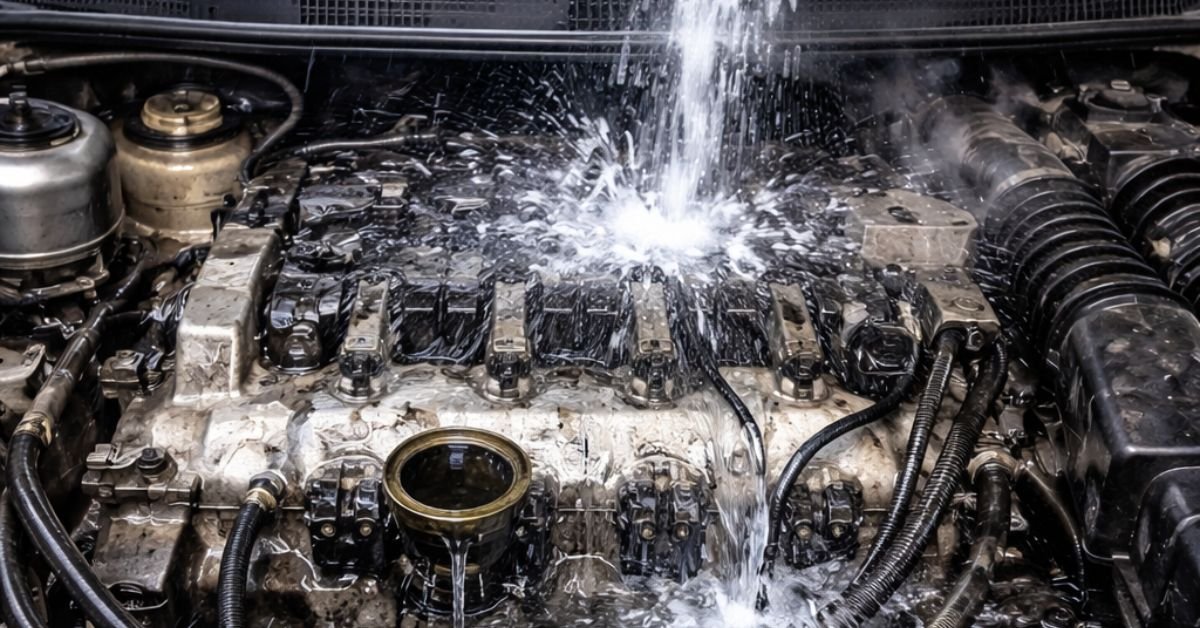
Water entering a car motor is more common than many drivers realize. It can happen slowly through leaks or suddenly during floods or heavy rains.The engine oil or coolant can be seriously damaged when water mixes with them.. Engines are designed to work with oil and fuel, not water. Even a small amount can reduce performance, cause rust, or lead to engine failure.
Many car owners panic when they see the first signs of water damage. The truth is, not all water in the motor leads to total engine destruction. Quick action and proper knowledge can save your engine and your money. Understanding the causes and fixes is the first step toward protecting your car.
In this guide, we will cover the main reasons water enters a car motor. You will learn the early warning signs to watch for. Plus, we’ll provide simple steps to fix the problem safely. By the end, you’ll be equipped to prevent water damage and keep your engine running smoothly for years.
What Does Water in Car Motor Mean?
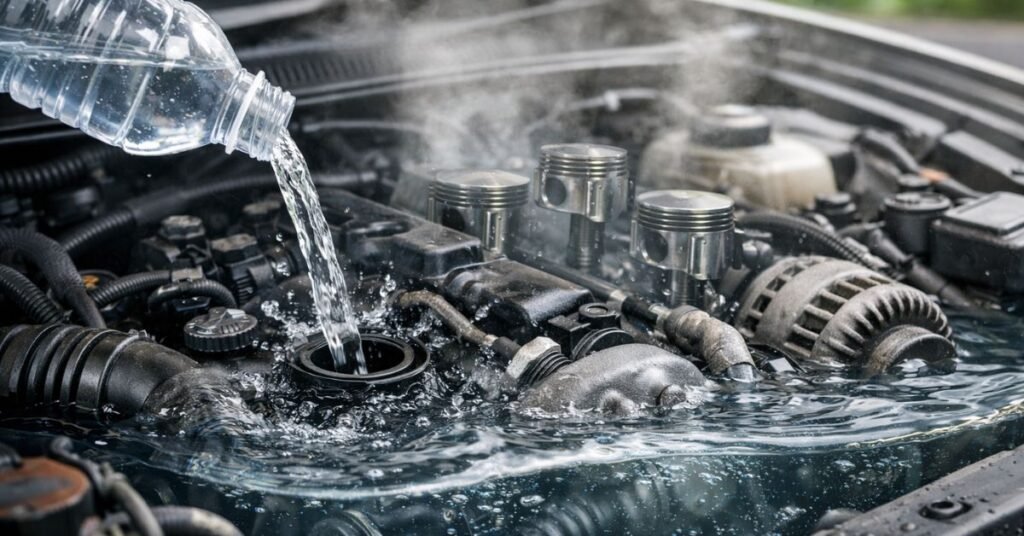
Water in a car motor means that water has entered areas of the engine where it shouldn’t be. Engines are built to work with fuel and oil, not water. Even a little water can mix with engine oil or coolant. This can reduce lubrication, cause rust, and harm engine parts. Over time, it may lead to serious engine problems or even complete failure.
Finding water in your motor is a warning sign. It shows that something is wrong, like a leak, flood damage, or a broken seal. If ignored, small issues can turn into expensive repairs. Understanding what water in the motor means helps you act fast. Early detection can save both your car and your money.
How Water Enters a Car Engine
Water can get into your car engine in several ways. Sometimes it’s obvious, and sometimes it’s hidden. Knowing the main entry points helps you prevent serious damage.
- Driving through deep water or floods
- Leaks in the radiator or hoses
- Cracks in the engine block or cylinder head
- Faulty gaskets or seals
- Rainwater entering through an open hood or air intake
Even small amounts of water entering the engine can be dangerous. Acting quickly when you notice signs of water can save your motor from expensive repairs.
Is Water Ever Normal Inside an Engine?
Water is never normal inside a car engine. Engines are built to run on fuel and oil. Any water inside can reduce lubrication and cause rust. Even a small amount can damage pistons, valves, and other parts. Your engine should always stay dry inside.
Sometimes drivers notice condensation or small drops of water in the coolant system. This is normal and not harmful. But if water mixes with engine oil or is in the cylinders, it is a serious problem. Knowing the difference can help prevent costly engine repairs.
Common Causes of Water in Car Motor
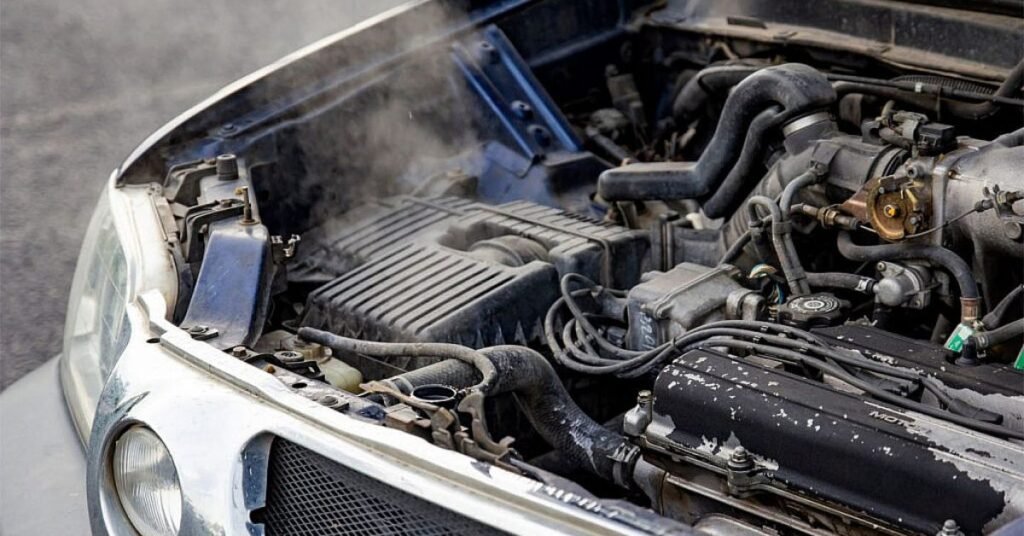
Water can enter a car motor in many ways. One common cause is driving through floods or deep puddles. Leaks in the radiator or hoses can also let water in. Cracked engine parts or worn-out gaskets are other reasons. Even heavy rain can sometimes seep through openings in the hood or air intake.
Another cause is poor maintenance. Old or damaged seals fail to keep water out. Coolant system issues may let water mix with engine oil. Ignoring small leaks or cracks can make the problem worse. Knowing these causes helps you act quickly and prevent serious engine damage.
Driving Through Flooded Roads or Deep Water
- Water can enter the air intake and reach the engine
- Engine oil may mix with water, reducing lubrication
- Electrical components can short circuit
- Rust and corrosion can form inside the engine
- Stalling or hydro-lock can damage pistons
- Flooded brakes can reduce stopping power
- Debris in water can block engine parts
Blown Head Gasket or Cooling System Leaks
A blown head gasket can let water enter the engine. This is a serious problem. The gasket seals the engine’s cylinders and keeps coolant separate from engine oil. When it fails, water can mix with oil or get into the cylinders. Cooling system leaks, like broken hoses or a cracked radiator, can also let water into the motor.
Signs of these problems include white smoke from the exhaust, overheating, and a milky engine oil color.They can cause severe engine damage if ignored. Regular maintenance and checking the cooling system can help prevent these issues. Quick action is key to saving your engine.
Engine Washing or Poor Maintenance
- Using high-pressure water on a hot engine
- Not covering air intake or electrical components
- Ignoring radiator or hose leaks
- Failing to replace worn-out gaskets
- Neglecting regular engine inspections
- Allowing dirt and debris to accumulate inside the engine
Signs of Water in Car Motor
There are clear signs when water gets into a car motor. The engine may make unusual noises or run roughly.The exhaust might emit white smoke.. Engine oil can look milky or frothy if water has mixed with it. Overheating is also a common warning.
Other signs include poor acceleration or stalling. Electrical problems can appear, like warning lights or malfunctioning sensors. Unusual engine vibrations are another clue. Recognizing these signs early can help prevent serious damage and costly repairs.
White Smoke From the Exhaust
White smoke from the exhaust can be a warning sign of water in your car motor. It usually happens when water or coolant enters the engine cylinders. The smoke may appear thick and have a sweet smell. This is different from normal exhaust fumes and should never be ignored.
If you see white smoke often, it may indicate a blown head gasket, a cracked engine block, or a leaking coolant system.It can cause severe engine damage if ignored. Early detection and quick repair can save your car and prevent costly repairs.
Milky Engine Oil or Coolant Contamination
| Sign | What It Means | Possible Cause | Action to Take |
| Milky or frothy engine oil | Water has mixed with oil | Blown head gasket, cracked engine block | Stop driving, check engine, replace oil |
| Milky coolant | Oil has entered coolant | Gasket failure, cracked cylinder head | Flush system, repair leak |
| Sweet smell from oil or coolant | Coolant is in oil | Coolant leak into engine | Inspect and repair cooling system |
| Engine overheating | Water contamination reduces cooling | Blocked coolant flow or leak | Check hoses, radiator, and gaskets |
| Poor engine performance | Lubrication reduced by water | Water in cylinders | Avoid heavy driving, repair immediately |
| Unusual engine noise | Pistons or parts damaged | Water in motor | Inspect engine, repair damaged parts |
| Smoke from exhaust | White smoke may appear | Water entering combustion chamber | Identify source, fix gasket or cracks |
Engine Misfire, Stalling, or Rough Performance
- Engine runs unevenly or shakes while idling
- Sudden stalling while driving
- Poor acceleration or hesitation
- Strange noises from the engine, like knocking
- Warning lights on the dashboard
- Difficulty starting the car
- Reduced fuel efficiency due to incomplete combustion
What Happens When Water Gets Into a Car Motor
When water enters a car motor, it can disturb how the engine works. Engines are designed to run with fuel, oil, and air, not water. When water mixes with engine oil, it reduces lubrication. This increases friction between engine parts. Over time, it can cause rust, wear, and overheating inside the motor.
In more serious cases, water can reach the engine cylinders. This can lead to a condition called hydro-lock. The pistons cannot compress water like air, so the engine may suddenly stop. This can bend engine parts or cause major damage. Acting quickly when water enters the motor can prevent expensive repairs.
Engine Hydrolock and Mechanical Damage
Engine hydrolock happens when water enters the engine cylinders. Engines compress air and fuel, but water cannot be compressed. When the piston tries to move, the water blocks its movement. This sudden pressure can stop the engine immediately.
Hydrolock can cause serious mechanical damage. It may bend connecting rods or crack engine parts. In severe cases, the engine may fail completely. Quick inspection and repair are important to prevent further damage.
Rust and Corrosion Inside Engine Parts
- Water inside the engine can cause rust on metal parts
- Moisture slowly damages pistons, cylinders, and valves
- Corrosion weakens important engine components
- Rust can block small passages in the engine
- Metal surfaces lose smoothness and create more friction
- Engine performance may drop due to internal damage
- Water exposure can lead to costly repairs over time
How to Fix Water in Car Motor
Fixing water in a car motor requires quick action. The first step is to stop driving the car. Running the engine with water inside can cause serious damage. A mechanic may drain the contaminated oil and check the engine parts. In some cases, the cooling system also needs to be inspected for leaks.
After removing the water, the engine oil and filters should be replaced. Mechanics may also flush the system to remove any remaining moisture. If damage has already occurred, some parts may need repair or replacement. Regular inspection helps ensure the motor runs smoothly again.
Immediate Steps to Take After Water Enters the Engine
- Turn off the engine immediately to prevent damage
- Do not try to restart the car
- Check the air intake for any water
- Inspect engine oil for a milky or cloudy color
- Remove water from the air filter if it is wet
- Tow the car to a professional mechanic
- Drain contaminated oil and replace it
- Inspect the cooling system for leaks
- Allow the engine components to dry before restarting
Professional Repairs and Engine Inspection
| Inspection Area | What Mechanics Check | Possible Problem | Recommended Repair |
| Engine oil condition | Color and texture of oil | Water mixed with oil | Oil drain and full replacement |
| Air intake system | Air filter and intake pipes | Water entering through intake | Replace wet filter and clean intake |
| Head gasket | Seal between engine block and head | Blown or leaking gasket | Head gasket replacement |
| Cooling system | Radiator, hoses, and coolant level | Coolant leaks or contamination | Repair leaks and flush coolant |
| Engine cylinders | Internal cylinder condition | Water inside cylinders | Dry cylinders and inspect pistons |
| Spark plugs | Plug condition and moisture | Wet or damaged plugs | Clean or replace spark plugs |
| Fuel system | Fuel lines and injectors | Water contamination | Fuel system cleaning |
| Engine sensors | Electronic sensors and wiring | Water damage or short circuit | Repair or replace sensors |
| Exhaust system | Exhaust flow and smoke | Water-related combustion issues | Inspect and repair exhaust parts |
| Engine block | Structural condition | Cracks or internal damage | Engine repair or replacement |
| Lubrication system | Oil pump and passages | Reduced lubrication from water | Clean system and replace damaged parts |
How to Prevent Water in Car Motor
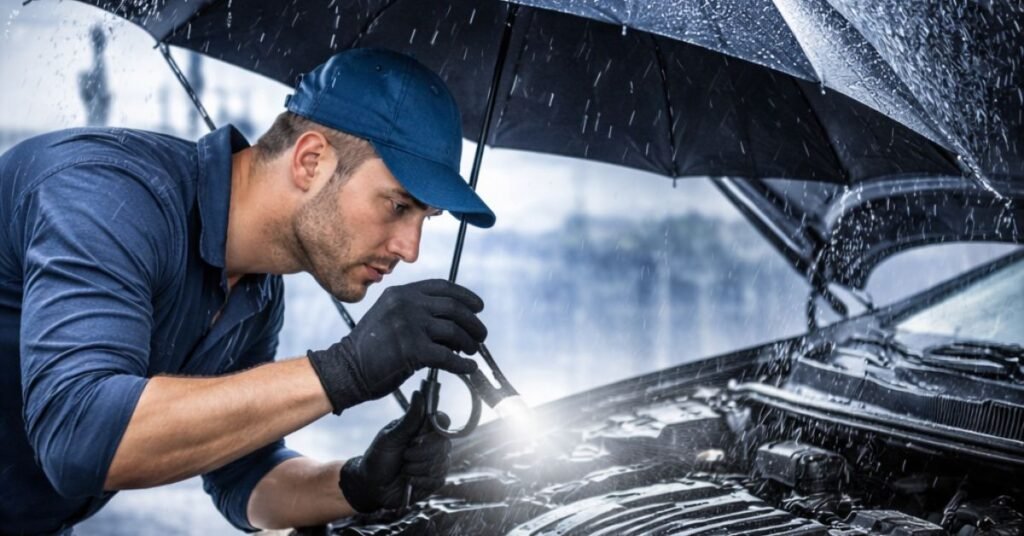
Preventing water from entering your car motor is very important for engine safety. Drivers should avoid driving through flooded roads or deep puddles. Regular inspection of the cooling system also helps prevent leaks. Checking hoses, seals, and gaskets can stop water from entering the engine. Proper car care keeps the motor protected.
Routine maintenance plays a big role in prevention. Always keep the engine area clean and dry. Be careful when washing the engine to avoid water entering sensitive parts. Replacing damaged parts on time also reduces the risk. These simple steps help keep your car motor safe from water damage.
Safe Driving During Heavy Rain or Floods
- Drive carefully through flooded roads or deep puddles
- Slow down to reduce the risk of water entering the engine
- Keep a safe distance from other vehicles
- Follow higher roads when possible
- Turn around if water levels look unsafe
- Watch for stalled vehicles or hidden road damage
- Never drive through moving flood water
Regular Cooling System Maintenance
- Check coolant levels regularly
- Inspect radiator hoses for leaks or cracks
- Replace old or damaged gaskets
- Flush and replace coolant when needed
- Monitor engine temperature while driving
- Ensure the radiator cap is sealed properly
- Schedule routine cooling system inspections
Can a Car Motor Still Run With Water Inside?
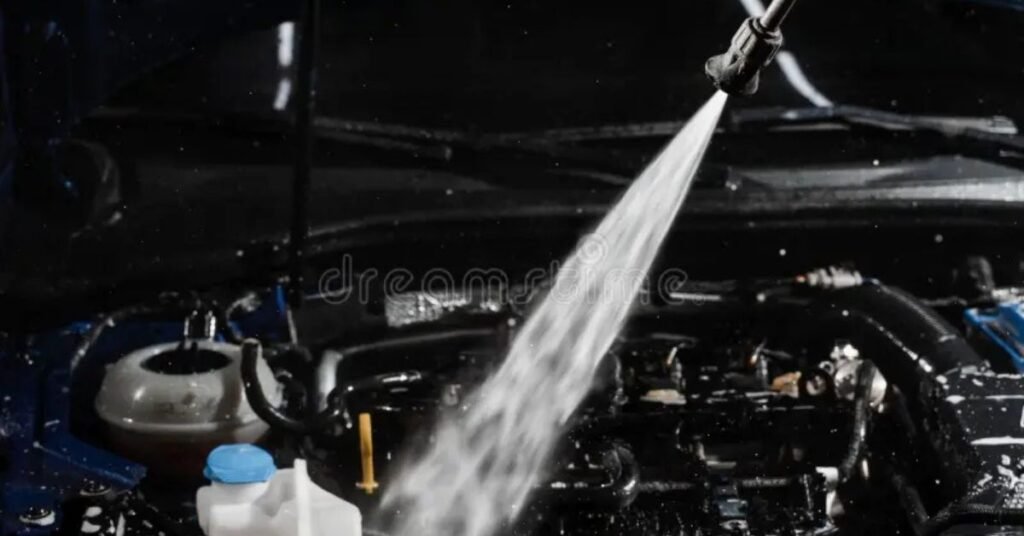
A car motor may still run if a small amount of water gets inside. This does not mean, however, that the engine is safe.. Water can reduce the engine’s lubrication and increase friction. Over time, this can damage important engine parts. The engine might run roughly or lose power.
If a large amount of water enters the motor, the engine may stop working. This can lead to serious problems like hydrolock or mechanical damage. Continuing to drive the car can make the damage worse. It is always safer to check the engine and fix the problem quickly.
Short-Term vs Long-Term Engine Damage
| Damage Type | Short-Term Engine Damage | Long-Term Engine Damage |
| Engine performance | Slight loss of power | Major performance decline |
| Engine noise | Light knocking or rough sound | Loud knocking and severe vibrations |
| Oil condition | Oil becomes slightly cloudy | Oil turns thick and milky |
| Engine parts | Minor wear on moving parts | Severe damage to pistons and cylinders |
| Rust formation | Small signs of moisture | Heavy rust and corrosion inside engine |
| Fuel efficiency | Slight drop in mileage | Significant fuel consumption |
| Starting issues | Harder to start occasionally | Engine may fail to start |
| Engine temperature | Slight overheating | Frequent overheating problems |
| Internal damage | Small internal stress | Bent rods or cracked engine parts |
| Repair cost | Low to moderate repair cost | Very expensive repairs or engine replacement |
When Engine Replacement Becomes Necessary
Engine replacement becomes necessary when water damage is severe. If hydrolock or mechanical damage bends rods or cracks the engine, repairs may not be enough. The engine may fail completely and stop running. At this point, replacing the motor is safer than repairing it.
Other signs include continuous overheating, severe rust, or repeated engine failures. If internal parts are badly worn or damaged, replacement is often the only solution. Acting quickly and consulting a professional mechanic can prevent further damage and ensure your car runs safely again.
Conclusion
Water in a car motor is a serious problem that should not be ignored.It only takes a small amount to damage an engine, reduce performance, and lead to expensive repairs.. Recognizing the signs early, like white smoke, milky oil, or rough engine performance, is very important.
Preventing water damage is always better than fixing it later. Avoid flooded roads, maintain your cooling system, and inspect your engine regularly. Quick action, proper care, and professional help can keep your engine safe and running smoothly for years.
FAQs
1. Can water really damage a car engine?
Yes, water can seriously damage a car engine. It reduces lubrication, causes rust, and may lead to hydrolock. Even a small amount of water can harm pistons, valves, and other engine parts over time.
2. What are the first signs that water has entered the engine?
Common signs include white smoke from the exhaust, milky engine oil, stalling, or rough engine performance. Early detection helps prevent major engine damage and costly repairs.
3. Is it safe to drive if water is in the engine?
No, driving with water in the engine can make the damage worse. It can lead to hydrolock, bent rods, or cracked engine parts. The safest option is to stop driving and get professional help.
4. How can I prevent water from entering my car motor?
Avoid flooded roads, inspect and maintain the cooling system, and check hoses and gaskets regularly. Proper engine cleaning and careful maintenance reduce the risk of water damage.
5. Can a mechanic fully fix water damage in an engine?
It depends on the severity. Minor water contamination can be fixed by draining oil, flushing the engine, and repairing leaks. Severe cases with mechanical damage may require engine replacement.
