

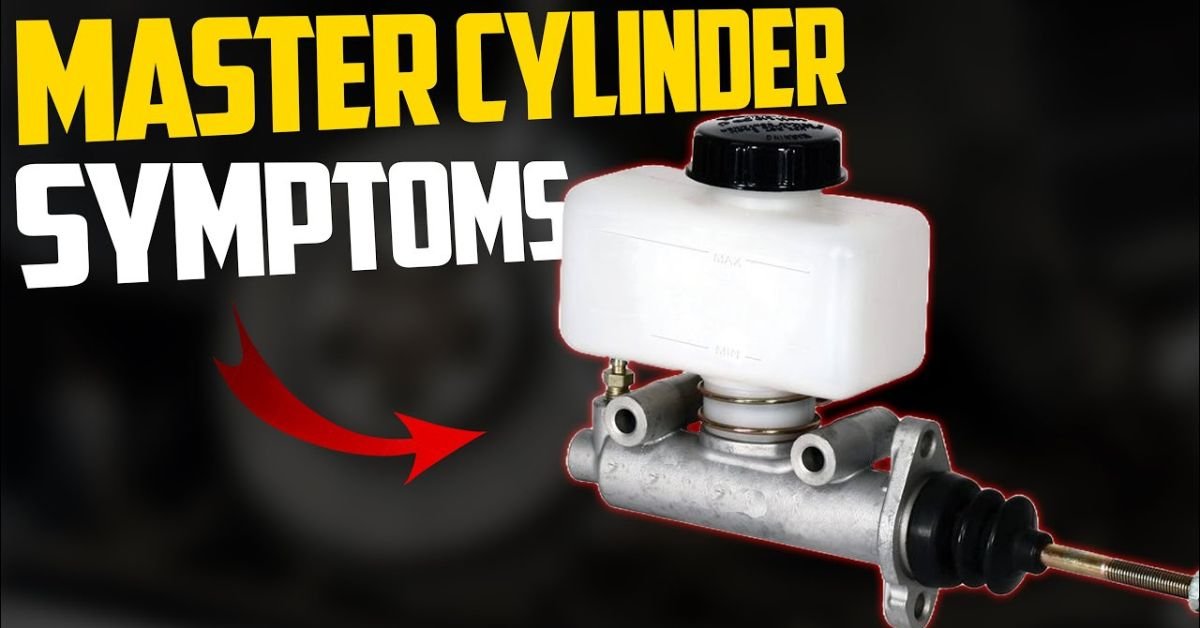
Introduction:
The master cylinder is a key part of your car’s braking system. It helps convert the force from your foot on the brake pedal into hydraulic pressure. This pressure then moves brake fluid to stop your vehicle safely.
Many drivers do not notice brake problems early. But small changes in braking feel can be a warning sign. These issues often start slowly and become worse over time if ignored.
In this article, we will look at the most common master cylinder problem symptoms. You will learn how to identify early warning signs and understand when your brakes may be failing.
What Is a Brake Master Cylinder and How It Works
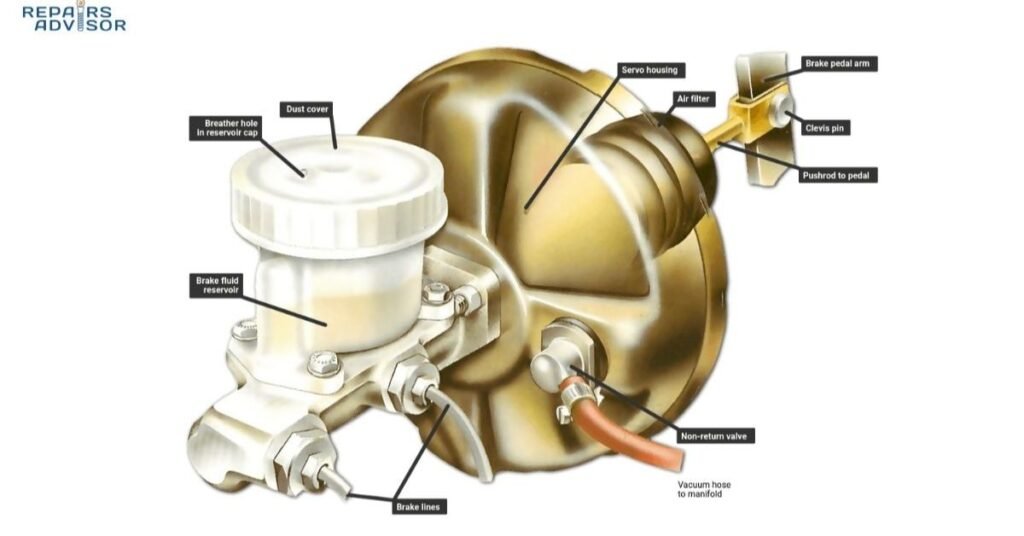
The brake master cylinder is an important part of your car’s braking system. It is located near the brake pedal under the hood. When you press the brake pedal, it helps turn that force into hydraulic pressure.
This pressure is sent through brake fluid to all four wheels. It makes the brake pads or shoes press against the wheels to stop the car. Without a working master cylinder, your brakes will not respond properly and stopping the car becomes unsafe.
Role of the master cylinder in your braking system
The master cylinder plays a key role in your car’s braking system. It takes the force you apply on the brake pedal and turns it into hydraulic pressure. This pressure is then sent through brake lines to each wheel.
Its main job is to make sure all four wheels get equal braking force. Without it, your car would not stop smoothly or safely.
Key roles:
- Converts pedal force into hydraulic pressure
- Sends brake fluid to all wheels
- Helps maintain balanced braking
Why hydraulic pressure is essential for safe braking
Hydraulic pressure is what makes your brakes work properly. It allows force to travel through brake fluid without loss. This ensures your car can stop quickly and safely.
If hydraulic pressure drops or fails, braking becomes weak or uneven. In serious cases, the brakes may stop working completely, which can be very dangerous.
Importance of hydraulic pressure:
- Ensures strong and fast braking response
- Keeps braking force evenly distributed
- Helps maintain safe stopping distance
Common Master Cylinder Problem Symptoms You Should Never Ignore
- Brake pedal feels soft or spongy and does not give solid resistance when pressed
- Brake pedal slowly sinks to the floor while you are holding steady pressure
- Car takes longer distance to stop even with normal brake pressure applied
- Uneven braking happens, making the car feel unstable during stopping
- Brake fluid level keeps dropping with no visible external leak found
- Brake warning light stays on or flashes repeatedly on the dashboard
- Braking power feels weak, especially during sudden or emergency stops
- Brake response becomes delayed, meaning the car reacts slowly after pressing pedal
- Brake fluid looks dark, dirty, or contaminated instead of clean and clear
- Pedal pressure feels inconsistent, sometimes firm and sometimes too loose
Soft or spongy brake pedal feel
A soft or spongy brake pedal is a common sign of a master cylinder problem. When you press the brake, the pedal feels weak or has no solid resistance. It may feel like there is air in the braking system.
This happens when pressure is not building properly inside the master cylinder. It reduces your control over the vehicle and makes braking less effective.
Key signs:
- Brake pedal feels soft when pressed
- Pedal goes down too easily
- Less resistance while braking
- Car feels harder to stop
Brake pedal slowly sinks to the floor
In this issue, the brake pedal slowly moves down even when you keep your foot on it. This is a serious warning sign of internal leakage in the master cylinder.
It means brake pressure is not holding properly, which can lead to brake failure if ignored.
Key signs:
- Pedal keeps sinking while holding pressure
- Brake fluid pressure is not maintained
- Weak or failing internal seals
- Increased risk of brake failure
Uneven braking or reduced stopping power
Uneven braking happens when one wheel or side of the car stops stronger than the other. It can make the car pull or feel unstable while stopping.
Reduced stopping power means the car takes a longer distance to stop, even with full brake pressure applied.
Key signs:
- Car pulls to one side during braking
- Longer stopping distance than normal
- Weak braking response overall
- Unstable feeling when stopping quickly
Early Warning Signs of Master Cylinder Failure
The master cylinder usually gives early warning signs before it completely fails. These signs may seem small at first, but they slowly become serious. If you notice them early, you can avoid dangerous brake problems.
Pay attention to changes in brake feel, fluid condition, and dashboard alerts. These signs often show that the internal seals or pressure system is starting to fail.
Early warning signs table
| Warning Sign | What You May Notice | What It Means | Risk Level |
| Soft brake pedal | Pedal feels weak or spongy when pressed | Air or pressure loss in system | Medium |
| Pedal sinking | Brake pedal slowly goes down while holding it | Internal leak inside master cylinder | High |
| Low brake fluid | Fluid level keeps dropping without visible leak | Possible internal leakage | High |
| Dark brake fluid | Fluid looks dirty or black | Contamination inside system | Medium |
| Brake warning light | Light stays on dashboard | Brake system issue detected | High |
| Longer stopping distance | Car takes more time to stop | Reduced braking efficiency | High |
| Uneven braking | Car pulls to one side when stopping | Pressure imbalance | Medium |
| Delayed response | Brake reacts slowly after pressing | Weak hydraulic pressure | High |
| Hard brake pedal | Pedal becomes stiff or hard to press | Pressure blockage issue | Medium |
| Inconsistent braking | Sometimes strong, sometimes weak braking | Failing internal seals | High |
Low brake fluid with no visible leak
Low brake fluid without any visible leak is a common early sign of a master cylinder problem. The fluid level keeps dropping even though there is no wet spot under the car. This usually means the fluid is leaking internally instead of outside.
It happens when the internal seals inside the master cylinder start to fail. This reduces braking performance and can make the brakes feel weak or unsafe.
Brake warning light on the dashboard
The brake warning light on your dashboard is a clear alert that something is wrong. It may turn on when brake fluid is low or when there is a pressure issue in the system. You should never ignore this warning.
It often indicates a problem with the master cylinder or another part of the braking system. Driving with this light on can increase the risk of brake failure.
Contaminated or dark brake fluid
Contaminated or dark brake fluid is another warning sign of trouble. The color of healthy brake fluid is usually clear or light amber. If it turns dark, it means dirt, moisture, or wear particles have entered the system.
This can affect how the master cylinder works and reduce braking efficiency. Dirty fluid should be checked and replaced as soon as possible.
Dangerous Symptoms of a Failing Master Cylinder While Driving
A failing master cylinder can become very dangerous while you are driving. The symptoms may appear suddenly and reduce your ability to stop the car safely. These issues should never be ignored because they can lead to brake failure.
If you notice any of these signs, you should slow down and get your car checked immediately. Continuing to drive can put you and others at serious risk.
Dangerous symptoms:
- Sudden loss of brake pressure while driving
- Brake pedal goes to the floor with no resistance
- Car does not stop even after pressing brakes hard
- Strong vibration or unstable feeling during braking
- Car pulls sharply to one side when braking
- Brake response becomes very slow or delayed
- Warning light appears while driving
- Brakes work sometimes and fail suddenly without warning
Sudden loss of brake pressure
- Brake pedal suddenly feels empty or goes very low without resistance
- Car does not slow down properly even when brakes are fully pressed
- Hydraulic pressure drops quickly inside the braking system
- Driver may feel panic due to no proper stopping response
- Brake system may fail due to internal master cylinder damage
- Stopping distance becomes extremely long and unsafe
- Brake warning light may turn on during or after pressure loss
- Problem often happens without any clear external brake fluid leak
Car pulling to one side during braking
- Car moves or drifts strongly to left or right while braking
- Uneven brake pressure is sent to different wheels
- One brake circuit may be weaker than the other
- Vehicle feels unstable and harder to control during stops
- Steering wheel may shake or turn on its own slightly
- Increased risk of skidding or losing control in emergency braking
- Brake imbalance often caused by master cylinder or brake line issue
- Problem becomes more noticeable at higher speeds or sudden stops
What Causes Master Cylinder Problems in Vehicles
- Worn internal seals that start leaking brake fluid inside the system
- Damaged pistons due to long-term use and high mileage
- Dirty or contaminated brake fluid affecting smooth operation
- Moisture buildup in brake fluid causing rust and internal corrosion
- Overheating of brake components reducing cylinder efficiency
- Natural aging of the master cylinder over time
- Using low-quality or wrong type of brake fluid
- Physical damage from accidents or rough driving conditions
- Air trapped in the brake lines reducing pressure
- Lack of regular brake maintenance and fluid replacement
Worn internal seals and piston damage
- Internal seals become weak and start leaking brake fluid inside the master cylinder
- Piston surfaces get scratched or damaged due to long-term use
- Loss of hydraulic pressure leads to weak or soft brake pedal feel
- Brake response becomes slow and less effective over time
- Small internal leaks reduce overall braking power
- Pedal may slowly sink even when no external leak is visible
- Braking system becomes unstable during sudden stops
Brake fluid contamination or moisture buildup
- Dirt or particles enter the brake fluid and reduce its quality
- Moisture mixes with brake fluid and lowers its boiling point
- Corrosion starts inside brake lines and master cylinder parts
- Brake fluid changes color and becomes dark or dirty
- Reduced braking efficiency due to poor fluid performance
- Air bubbles may form, causing spongy brake pedal feel
- Increased risk of brake failure if not replaced in time
Overheating and aging of braking components
- Brake system overheats due to heavy use or long driving
- Heat damages internal seals and reduces their strength
- Old master cylinder parts wear out naturally over time
- Repeated heat cycles weaken overall braking performance
- Fluid loses effectiveness after long-term exposure to heat
- Brake pedal becomes inconsistent or less responsive
- Older vehicles are more likely to experience these issues
How to Diagnose Master Cylinder Problem Symptoms at Home
- Start by pressing the brake pedal and checking how it feels
- Notice if the pedal feels soft, spongy, or too easy to press
- Hold steady pressure and see if the pedal slowly sinks down
- Check if braking response feels weak or delayed during normal use
- Observe if the car takes longer distance to stop than usual
- Look for any brake warning light on the dashboard
- Pay attention to uneven braking or car pulling to one side
- Test brakes in a safe, empty area at low speed
- Listen for unusual sounds or changes in braking behavior
- Repeat checks to confirm if symptoms happen more than once
Simple brake pedal test method
- Press the brake pedal firmly while the engine is off
- Hold the pedal and check if it stays steady or sinks slowly
- Start the engine and press the pedal again to feel the difference
- Notice if the pedal feels soft, spongy, or weak
- Check if braking response feels delayed or inconsistent
- Repeat the test a few times to confirm the behavior
- Pay attention to any unusual change in pedal resistance
- Make sure testing is done in a safe and stationary position
Checking brake fluid condition and level
- Open the brake fluid reservoir carefully under the hood
- Make sure the fluid level is below the recommended level
- Observe the color of the brake fluid (clear or light amber is normal)
- Look for dark, dirty, or cloudy fluid signs
- Check for any debris or contamination inside the reservoir
- Make sure the cap is tightly closed after inspection
- Compare fluid level changes over time if possible
- Note any sudden drop in fluid without visible external leak
Can You Drive With a Bad Master Cylinder?
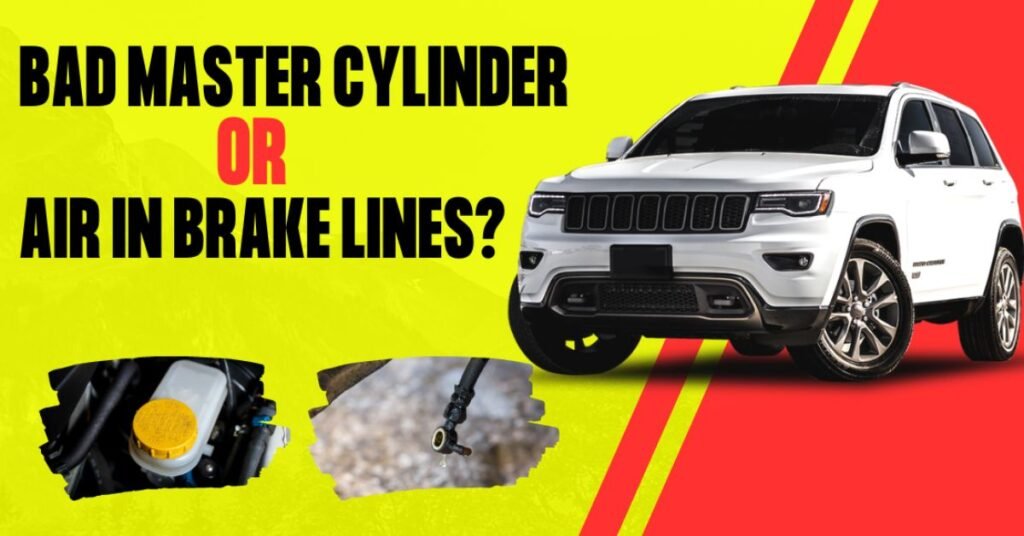
A bad master cylinder is very dangerous to drive with. It affects how your brake system builds pressure. This can make your brakes weak, slow, or completely unresponsive. Your safety becomes at serious risk.
Even small symptoms can turn into sudden brake failure. You may not be able to stop the car in an emergency. This is why it should never be ignored or delayed.
Risks of continuing to drive with failing brakes
- Loss of proper braking power increases stopping distance dangerously
- Brake pedal may suddenly go soft or completely fail without warning
- Driver may lose full control during emergency braking situations
- When the brakes are uneven, the car can pull to one side
- Higher risk of rear-end collisions in traffic or at signals
- Increased chance of accidents at high speeds or downhill roads
- Brake system failure may happen without any visible external leak
- Passenger and pedestrian safety becomes seriously at risk
When you should stop driving immediately
You should stop driving immediately if your brake system feels unsafe. If the brake pedal goes soft, sinks, or does not respond well, it is a serious warning. These signs mean your car may not stop properly.
Do not continue driving even for a short distance in such cases. Pull over safely and turn off the engine. Call for help or a mechanic to inspect the problem.
Repair and Replacement Options for Master Cylinder Issues
When a master cylinder has a problem, you usually have two main options: repair or replacement. Minor issues like small seal leaks can sometimes be repaired. But in most cases, replacement is the safer and more reliable solution.
Choosing the right option depends on the condition of the cylinder, vehicle age, and damage level. A mechanic can inspect the system and suggest the best fix for safe braking performance.
Repair vs Replacement Options
| Option | When It Is Used | Advantages | Disadvantages | Safety Level |
| Repair | Minor seal wear or small internal leaks | Cheaper, quick fix | Not long-lasting | Medium |
| Replacement | Major internal damage or piston failure | Fully restores braking power | More expensive | High |
| Rebuild Kit | Light damage with repairable parts | Cost-effective alternative | Requires skilled labor | Medium-High |
| Full System Check | After repeated brake issues | Finds hidden problems | Takes more time | High |
| Fluid Flush | Contaminated brake fluid cases | Improves performance | Does not fix damaged parts | Medium |
Repairing vs replacing the master cylinder
- Repairing is used for small issues like minor seal leaks or light wear
- It is cheaper but may not last long if internal damage is serious
- Replacing means installing a new or rebuilt master cylinder
- Replacement is more reliable and restores full braking performance
- Mechanics often recommend replacement for safety reasons
- Repair is only suitable when damage is limited and early stage
Estimated repair cost and what to expect in the US
- Average cost in the US is around $300 to $800 total
- Parts usually cost between $150 and $400 depending on vehicle type
- Labor charges range from $150 to $400 based on workshop rates
- Luxury or complex vehicles can cost $900 or more
- Brake bleeding is required after repair or replacement
- Full inspection of the braking system is usually done during service
- DIY repair is possible but needs proper tools and experience
- Getting multiple mechanic quotes is recommended for better pricing
Conclusion
The master cylinder is a very important part of your car’s braking system. It helps create the pressure needed to stop your vehicle safely. If it starts to fail, your brakes may become weak, slow, or unsafe. Small symptoms like a soft pedal or low brake fluid should never be ignored.
Catching the problem early can help you avoid serious damage and costly repairs. Regular inspection and proper brake maintenance can keep your system safe. If you notice any warning signs, it is always better to get your car checked by a mechanic immediately. Safe braking means safe driving for you and everyone on the road.
FAQs
1. What are the earliest master cylinder problem symptoms I should watch for?
Early signs usually start with small changes in brake feel. You may notice a slightly soft brake pedal, longer stopping distance, or uneven braking. Sometimes the brake fluid level drops slowly without any visible leak, which is a key warning that something is wrong inside the system.
2. Is it dangerous to keep driving with a bad master cylinder?
Yes, it is very dangerous. A failing master cylinder can reduce hydraulic pressure, which means your brakes may not respond when you need them most. In worst cases, the brake pedal can go to the floor, leading to sudden loss of braking control.
3. Why does a master cylinder fail in most vehicles?
Most failures happen due to worn internal seals, contaminated brake fluid, or moisture entering the system. Over time, heat and pressure also damage the internal components. Lack of regular brake fluid changes makes the problem worse and speeds up failure.
4. How can I confirm master cylinder issues at home?
You can do a simple brake test by pressing the pedal firmly and holding it. If it slowly sinks or feels too soft, it may indicate internal leakage. Also check brake fluid color and level, and watch for dashboard warning lights for early confirmation.
5. What should I expect when replacing a master cylinder in the US?
In the US, replacement usually includes removing the old unit, installing a new one, and bleeding the brake system. The total cost is typically $300 to $800, depending on the vehicle. After replacement, brakes should feel firm and responsive again if no other issues exist.
