


Introduction:
A windscreen, or windshield, is the front glass of your car that protects you from wind, rain, and debris while driving. In cold weather, ice can cover the windscreen, and many people wonder if pouring hot water can melt it quickly. Using hot water might seem like an easy fix, but it can be risky because sudden heat can crack the glass, and small chips may turn into bigger problems. There are safer ways to remove ice, such as using a scraper, warm (not hot) water, or a defroster. In this article, we will explore what happens when you use hot water on your windscreen and share tips to protect your glass while staying safe.
Can You Use Hot Water on a Windscreen to Defrost Ice?
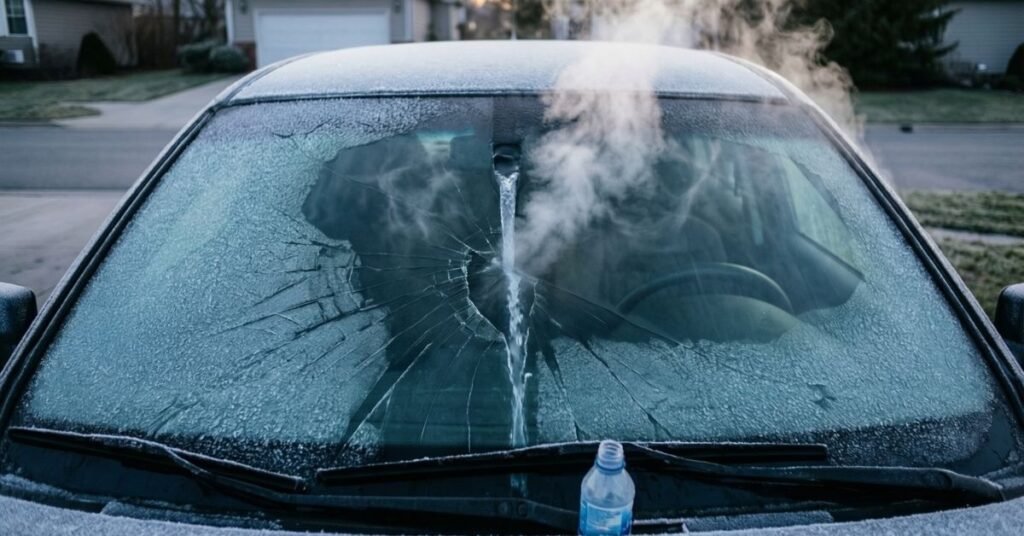
Some people think pouring hot water on a frozen windscreen is a quick way to remove ice. It may melt the ice fast at first, but it can be very risky because the sudden heat can crack the glass, and even small cracks may grow bigger over time. There are safer options like using a scraper, warm (not boiling) water, or turning on the car’s defroster. Being careful with the windscreen keeps the glass safe and ensures your car is ready to drive without damage.
What Happens When You Pour Hot or Warm Water on Your Windscreen
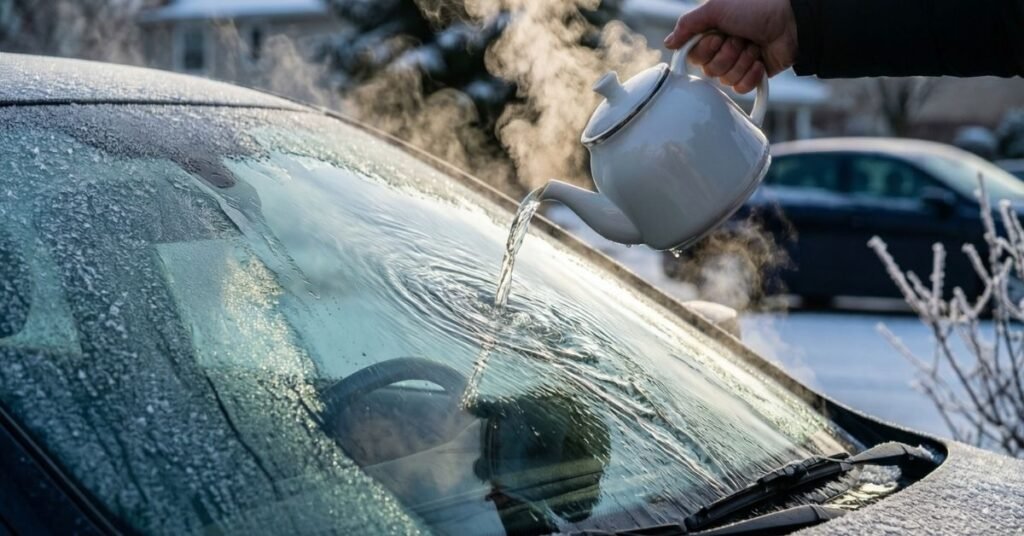
Pouring hot water on a frozen windscreen may seem like a quick solution. Hot water melts ice fast, but it can be dangerous. Sudden heat can crack the glass, especially if the windscreen is very cold or has small chips. Even warm water can be risky if it’s too hot. Using a scraper or the car’s defroster is much safer.
Here are some effects of using hot or warm water on your windscreen:
- Hot water can cause cracks instantly.
- Existing chips may grow larger.
- Warm water may not remove all ice.
- Scrapers or defrosters are safer choices.
Expert Defrosting Methods That Are Safer Than Hot Water
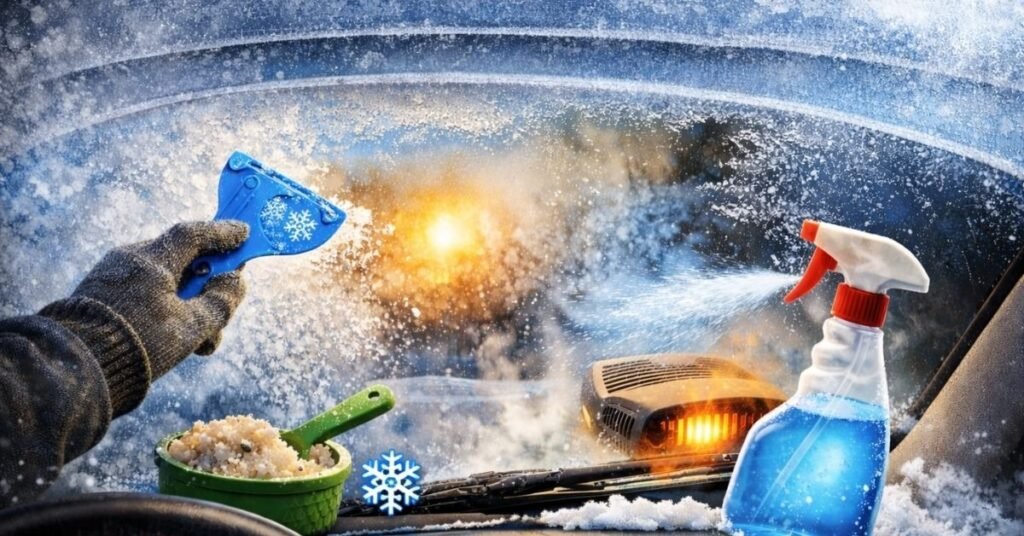
Using hot water to defrost your windscreen can be risky, so experts suggest safer methods. These methods remove ice without cracking the glass or causing damage. Small actions, like starting the car early or using the right tools, can make a big difference. Knowing the right approach keeps both you and your car safe.
Here are some expert defrosting methods:
- Turn on the car’s defroster and let it warm the glass slowly.
- Use a plastic ice scraper to remove ice gently.
- Spray a safe de-icing solution on the windscreen.
- Cover your windscreen overnight with a frost guard or cloth to prevent ice.
How Your Car’s Defrost System Actually Works
Your car’s defrost system helps clear ice and fog from the windscreen by using warm air from the heater and directing it onto the glass. This warms the windscreen slowly and melts frost safely while preventing condensation inside the car. The system works with vents, fans, and sometimes the air conditioner to spread warm air evenly across the windscreen. Using the defrost system correctly protects your glass and makes driving safer in cold or frosty weather.
DIY Alternatives: Ziplock Bag Trick, Alcohol Sprays, and More
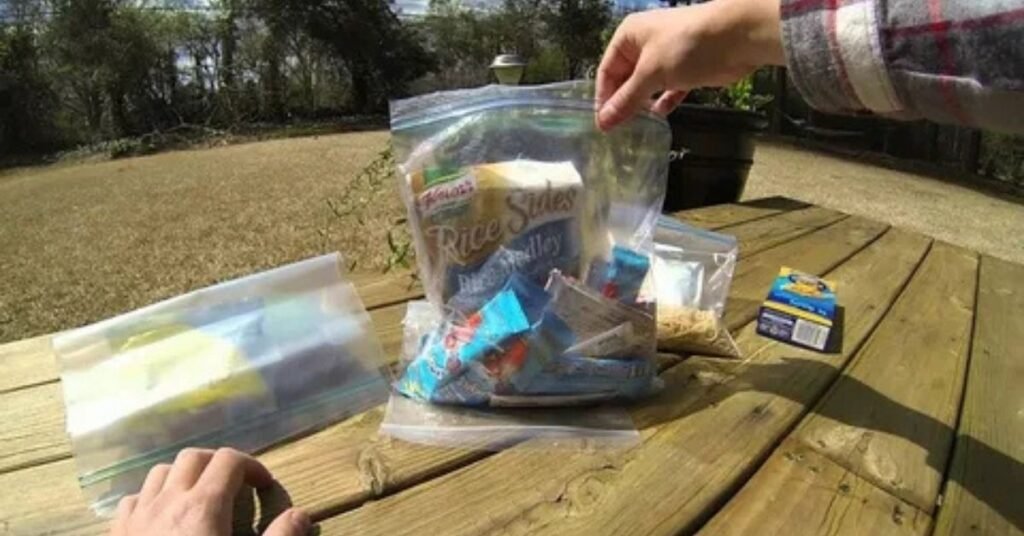
If you don’t want to use hot water, there are safe DIY ways to defrost your windscreen. Simple household items can help remove ice without cracking the glass. These methods are quick, easy, and cost very little. Knowing a few tricks can save you time on cold mornings.
Here are some DIY alternatives:
- Fill a Ziplock bag with warm water and rub it gently on ice.
- Spray a mixture of water and rubbing alcohol to melt frost quickly.
- Use a plastic scraper to remove ice safely.
- Cover your windscreen overnight with a cloth or frost guard to prevent ice.
Why Even Warm Water Is Not Always Safe for Your Windscreen
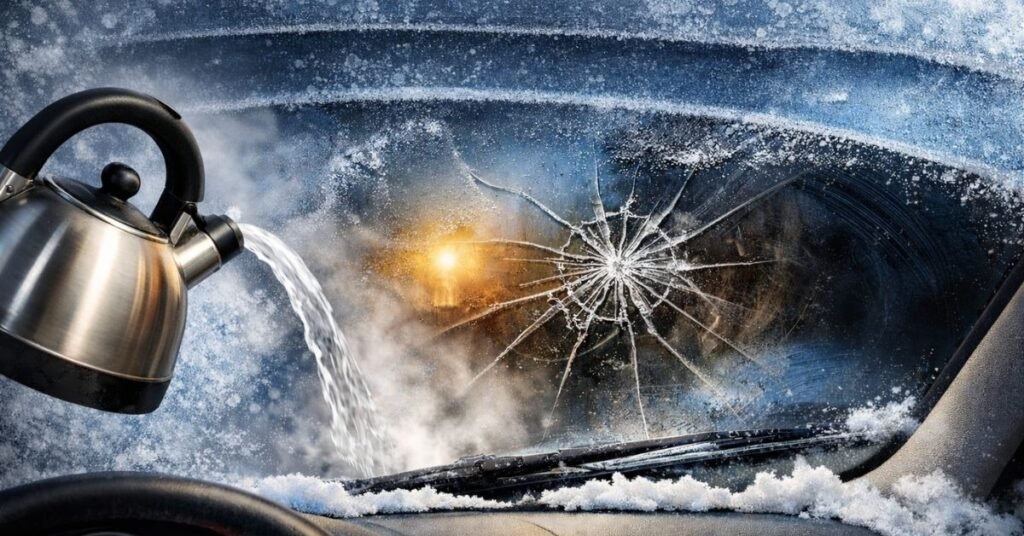
Many people think warm water is safe for defrosting, but it can still be risky because if the glass is very cold, even warm water can cause stress cracks and small chips or scratches may grow bigger over time. Using warm water too often can weaken the windscreen and lead to expensive repairs. Safer methods like using a scraper, the car’s defroster, or gentle de-icing sprays remove ice without damaging the glass and keep your windscreen strong and safe.
Homemade De‑icer Sprays Recipes That Work
- Mix 2 parts rubbing alcohol with 1 part water and spray on ice.
- Combine 1 tablespoon dish soap with 2 cups of water for a quick de-icer.
- Mix 3 parts vinegar with 1 part water and spray lightly on the windscreen.
- For cold mornings, keep the solution in a spray bottle.
- You can add a few drops of essential oil to reduce the strong smell (optional).
- Check a small area first to make sure the glass or paint won’t be damaged..
- Spray evenly across the windscreen and wait a few seconds before scraping.
- Reapply if the ice is thick for faster removal.
Keep the spray away from direct sunlight in a cool, dry place.
- Always handle gently to avoid scratches while scraping after spraying.
Preventing Ice Build‑Up Tips for Winter Nights
Ice can form quickly on your windscreen overnight, making mornings difficult. Preventing ice is easier than removing it. Small steps at night can save time and protect your windscreen from cracks. Covering your car or using frost guards reduces frost formation.
Here are practical ways to prevent ice build-up:
| Tip | How to Do It | Benefits |
| Use a windscreen cover | Place a frost guard or cloth over your windscreen | Stops ice forming directly on glass |
| Park facing east | If possible, park so the morning sun hits the windscreen | Helps natural defrosting |
| Apply a homemade de-icer | Spray water-alcohol or vinegar mix lightly at night | Reduces frost accumulation |
| Raise wipers off glass | Lift wipers before parking | Prevents them from freezing to the glass |
| Keep windows closed | Make sure all windows are tightly shut | Stops condensation from forming inside |
| Use a garage or sheltered spot | Park under cover if available | Reduces exposure to frost and ice |
| Pre-heat engine briefly | Turn on defroster a few minutes before driving | Makes ice removal easier |
| Use anti-frost sprays | Commercial sprays applied at night | Prevents ice from sticking hard |
Conclusion
Using hot water on the windscreen may seem like a quick fix for ice, but it can be very risky because sudden heat can crack the glass and small chips may grow bigger over time. There are safer ways to remove ice, like using a scraper, the car’s defroster, or gentle de-icing sprays, which protect your windscreen and save money on repairs. Prevention is always better than cure, so covering your windscreen, using DIY sprays, or parking in sheltered spots can reduce ice build-up and make winter mornings easier. Avoiding hot water on the windscreen is a smart choice that keeps your car safe and ensures your glass stays strong for the long term.
FAQs
1. Is it safe to pour hot water on the windscreen?
No, pouring hot water can crack your windscreen because of sudden temperature changes. Even small chips or weak spots may grow into bigger cracks, causing costly damage.
2. Can warm water be used instead of hot water?
Warm water is safer than boiling water, but it can still stress very cold glass. If used carelessly, it may cause small cracks to spread over time.
3. What are safer ways to remove ice from a windscreen?
You can use a plastic scraper, your car’s defroster, or gentle DIY de-icing sprays. These methods remove ice without harming the glass or wipers.
4. Can hot water damage my windscreen permanently?
Yes, sudden hot water can create cracks instantly or worsen existing chips. Permanent damage may require expensive glass replacement if not treated quickly.
5. How can I prevent ice build-up without using hot water?
Cover your windscreen overnight with a frost guard or cloth, use DIY de-icer sprays, or park in sheltered areas. These steps stop ice from forming and make mornings easier.
