

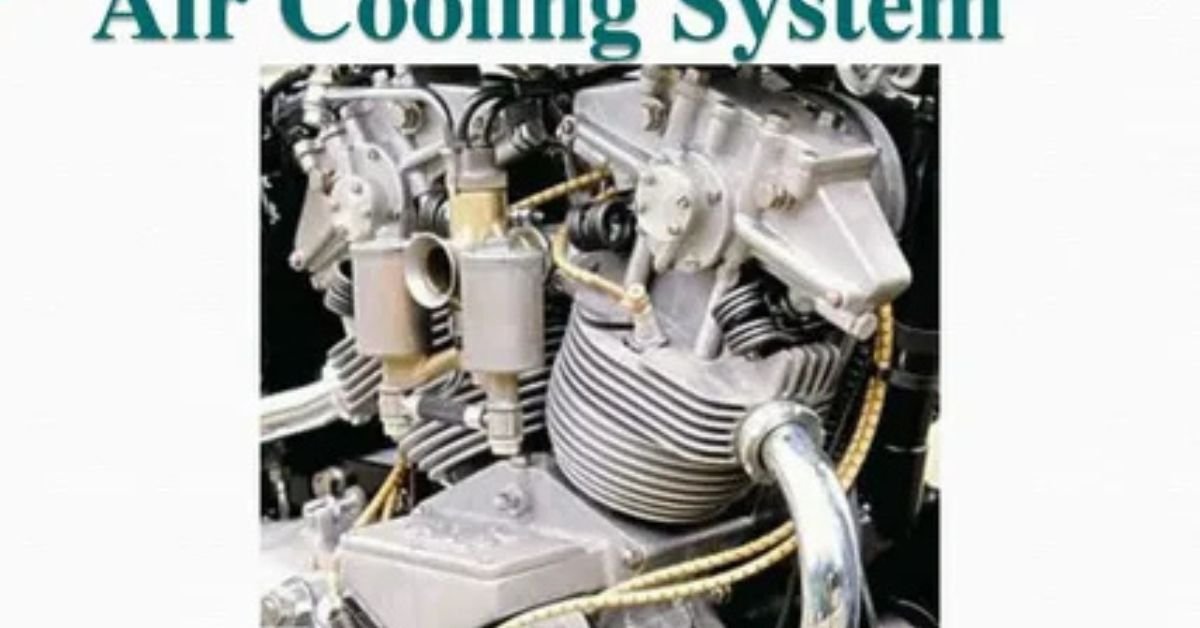
Introduction:
Air in the cooling system means there are air pockets trapped inside your car’s cooling lines. Normally, only coolant should flow through the radiator and engine. When air gets inside, it blocks the smooth flow of coolant. This can affect how well your engine stays cool.
Many drivers ignore this problem at first. But even a small amount of air can lead to overheating and poor heater performance. You might notice strange noises or temperature changes while driving. These signs can quickly turn into bigger engine issues if not fixed on time.
This guide will help you understand why air enters the cooling system and how to fix it. You will learn the common causes, warning signs, and simple solutions. By the end, you will know how to keep your cooling system working properly and avoid costly repairs.
What Does “Air in Cooling System” Mean?
Air in the cooling system means unwanted air is trapped inside the coolant lines. A car’s cooling system is designed to carry liquid coolant, not air. When air gets inside, it forms pockets that disturb the normal flow.As a result, the engine has a harder time staying warm.
These air pockets can move around and block coolant from reaching important engine parts. As a result, heat is not removed properly. This can lead to uneven cooling and sudden temperature changes. Even a small amount of air can reduce the system’s efficiency and cause problems over time.
How a Car Cooling System Works
The cooling system of a car keeps the engine at a safe temperature. Heat is absorbed by the coolant as it flows through the engine. It then moves to the radiator where the heat is released into the air. This cycle continues while the engine is running. It helps prevent overheating and keeps the engine working smoothly.
The system has several important parts that work together. Each part plays a role in moving and cooling the fluid properly.
- Radiator cools down the hot coolant
- Water pump pushes coolant through the system
- Thermostat controls temperature flow
- Coolant absorbs and carries heat
Why Air Pockets (Airlocks) Are a Problem
Air pockets, also called airlocks, stop coolant from flowing freely. When air gets trapped, it blocks certain areas of the system. This means some engine parts do not get enough cooling. As a result, the engine temperature can rise quickly.
These airlocks can also cause strange issues in your car. You may notice poor heater performance or unusual noises. Over time, this can lead to serious engine damage if not fixed.
- Blocks smooth coolant flow
- Causes engine overheating
- Reduces heater performance
- Creates bubbling or gurgling sounds
Symptoms of Air in Cooling System You Should Not Ignore
Air in the cooling system can cause clear warning signs. One of the most common symptoms is engine overheating. The temperature may rise faster than normal. You may also notice the heater is not working properly. It can blow cold air even when the engine is warm.
Sometimes, you may hear strange sounds from the cooling system. These sounds happen when air moves through the coolant lines. You might also see the coolant level dropping without a clear reason. Ignoring these signs can lead to bigger engine problems.
- Engine overheating quickly
- Heater blowing cold air
- Gurgling or bubbling noises
- Fluctuating temperature gauge
- Low coolant level without leaks
Engine Overheating Quickly
When air is trapped in the cooling system, the engine can overheat very fast. Air blocks the smooth flow of coolant. This means heat is not removed properly from the engine. As a result, the temperature rises quickly, even during short drives.
You may notice the temperature gauge going up suddenly. It may feel hotter than usual when the engine is running. If this problem continues, it can damage important engine parts. That is why quick action is important.
Heater Blowing Cold Air
A common sign of air in the system is when the heater blows cold air. The heater depends on hot coolant to produce warm air. If air blocks the flow, the heater will not get enough hot coolant. This causes it to blow cold or weak air.
You may feel the heater working on and off. Sometimes it gives warm air, then suddenly turns cold. This is a clear sign that air is moving inside the system. It should not be ignored.
Gurgling or Bubbling Noises
Air inside the cooling system can create unusual sounds. You may hear gurgling or bubbling noises from the dashboard or engine area. These sounds happen when air moves through the coolant lines. It is not a normal condition.
The noise may become louder when the engine is running or just after turning it off. It shows that air is trapped and moving inside the system. Fixing the issue early can prevent bigger problems later.
What Causes Air in the Cooling System?
Air can enter the cooling system for many reasons. Most of the time, it happens when the coolant level becomes low or when there is a leak. Air replaces the missing coolant and gets trapped inside the system. This disturbs the normal flow and creates air pockets.
Sometimes, the problem is more serious. A damaged engine part can also push air into the cooling system. Even a small fault can allow air to enter and spread through the coolant lines. That is why it is important to find the exact cause quickly.
Common Causes of Air in the Cooling System
| Cause | Description | Effect on System | Warning Signs |
| Low Coolant Level | Coolant drops due to leak or evaporation | Air fills empty space in system | Overheating, low coolant warning |
| Coolant Leak | Cracks in hoses, radiator, or connections | Air enters through leak points | Visible leaks, puddles under car |
| Blown Head Gasket | Engine gases enter cooling system | Air gets forced into coolant flow | White smoke, overheating |
| Faulty Radiator Cap | Cannot maintain proper pressure | Air enters and coolant boils | Temperature fluctuation |
| Improper Coolant Filling | Air trapped during refill | Air pockets form in system | Gurgling sounds, poor heating |
| Damaged Hoses | Cracks or loose fittings | Air suction into system | Coolant loss, overheating |
| Water Pump Failure | Weak circulation of coolant | Air bubbles form inside system | Engine noise, overheating |
| Thermostat Issue | Stuck or faulty valve | Uneven coolant flow | Rapid temperature rise |
Coolant Leaks or Low Coolant Level
Coolant leaks are one of the most common reasons for air in the cooling system. When coolant leaks out, the level goes down. This creates empty space inside the system. Air fills that space and gets trapped.
Low coolant can also happen over time due to evaporation or small unnoticed leaks. When the level is not full, the system starts pulling in air. This affects smooth coolant flow and can lead to overheating.
Blown Head Gasket or Engine Issues
The problem of a blown head gasket is serious.It allows engine gases to enter the cooling system. These gases mix with coolant and create air pockets. This makes the cooling system unstable and less effective.
You may notice overheating, white smoke, or loss of coolant. Engine performance may also drop. If not fixed, it can cause major engine damage.
Faulty Radiator Cap or Hoses
A faulty radiator cap can also cause air to enter the system. The cap is supposed to keep pressure sealed inside. If it is weak or damaged, air can get in easily.
Hoses with cracks or loose fittings can also allow air to enter. Coolant may leak out while air goes in. This disturbs the balance of the cooling system and reduces its efficiency.
How to Diagnose Air in Your Cooling System
Diagnosing air in the cooling system is not too difficult. You just need to observe your car carefully. Most signs show up through temperature changes and unusual behavior. If the engine heats up quickly or the heater works poorly, air may be present in the system.
You can also check the coolant tank and listen for strange sounds. Air inside the system often creates bubbling or gurgling noises. These simple checks can help you identify the problem early before it becomes serious.
Simple Signs You Can Check
- Engine temperature rises quickly
- Heater blows cold or weak air
- Gurgling sounds from dashboard or engine
- Coolant level keeps dropping
- Bubbles in coolant tank
Simple Checks You Can Do at Home
- Check coolant level when engine is cool
- Look for coolant leaks under the car
- Watch temperature gauge while driving
- Listen for gurgling or bubbling sounds
- Check heater performance inside cabin
Signs Mechanics Look For
- Cooling system pressure test
- Inspection of radiator and hoses
- Checking coolant flow and circulation
- Detection of trapped air pockets
- Testing for head gasket problems
How to Remove Air from Cooling System
- Park the car on a flat surface and turn off the engine completely
- Let the engine cool down fully before opening anything
- Open the radiator cap slowly to release pressure safely
- Make sure the radiator is filled with the correct type of coolant
- Start the engine and keep it idle for a few minutes
- Turn the heater to full hot setting inside the car
- Watch for air bubbles coming out of the radiator or reservoir
- Gently squeeze upper radiator hose to help move trapped air
- Keep topping up coolant if the level goes down
- Use a bleed valve (if available) to release trapped air
- Continue until no bubbles appear and coolant flow is steady
- Close the cap tightly and check for leaks after finishing
Bleeding the Cooling System Properly
- Park the car on a flat surface and make sure the engine is completely cold
- Open the radiator cap slowly to release any built-up pressure safely
- Fill the radiator with the correct coolant type recommended for your vehicle
- Start the engine and let it idle so coolant can start circulating
- Turn the heater to the highest setting to allow full coolant flow
- Watch for air bubbles escaping from the radiator or coolant reservoir
- Gently squeeze the upper radiator hose to help move trapped air out
- Keep topping up coolant as the level drops during the bleeding process
- Wait until no more bubbles appear and coolant flow becomes steady
- Close the radiator cap tightly once the system is fully bled
Using a Coolant Funnel or Bleeder Valve
- Attach a coolant funnel securely to the radiator neck for spill-free filling
- Fill the funnel with coolant so air can rise and escape easily
- Start the engine and let it run while observing bubble movement in the funnel
- Keep the funnel filled so no new air enters the system during bleeding
- Use a bleeder valve (if your car has one) to slowly release trapped air
- Open the valve gently until coolant flows without bubbles
- Close the valve once a steady stream of coolant appears
- Remove the funnel carefully after the system stabilizes
- Check coolant level again after engine cools down completely
What Happens If You Ignore Air in Cooling Systems?
If you ignore air in the cooling system, the problem can get worse quickly. Air blocks proper coolant flow, so the engine cannot stay cool. This leads to rising temperatures even during normal driving. Over time, it can damage important engine parts.
Small issues can turn into big repairs if not fixed early. The engine may start running hotter than usual and lose performance. You might also notice poor heating inside the car.
- Engine overheating during normal driving
- Reduced cooling efficiency
- Poor or weak heater performance
- Risk of engine damage over time
- Increased repair costs
- Repeat process if any overheating or air signs return
Engine Overheating and Damage
When air stays inside the cooling system, the engine cannot cool down properly. This causes the temperature to rise again and again. The engine starts to overheat even during normal driving. This is a serious warning sign.
If the problem is ignored, it can damage important engine parts. The head gasket, pistons, and other components can get affected. Over time, this may lead to costly repairs or even engine failure.
Reduced Cooling Efficiency
Air in the cooling system reduces the flow of coolant. This makes the whole system less effective at removing heat. The engine does not stay at a stable temperature anymore.
You may notice slow cooling or sudden temperature changes. The heater may also stop working properly. Overall, the cooling system becomes weak and less reliable.
How to Prevent Air from Entering the Cooling System
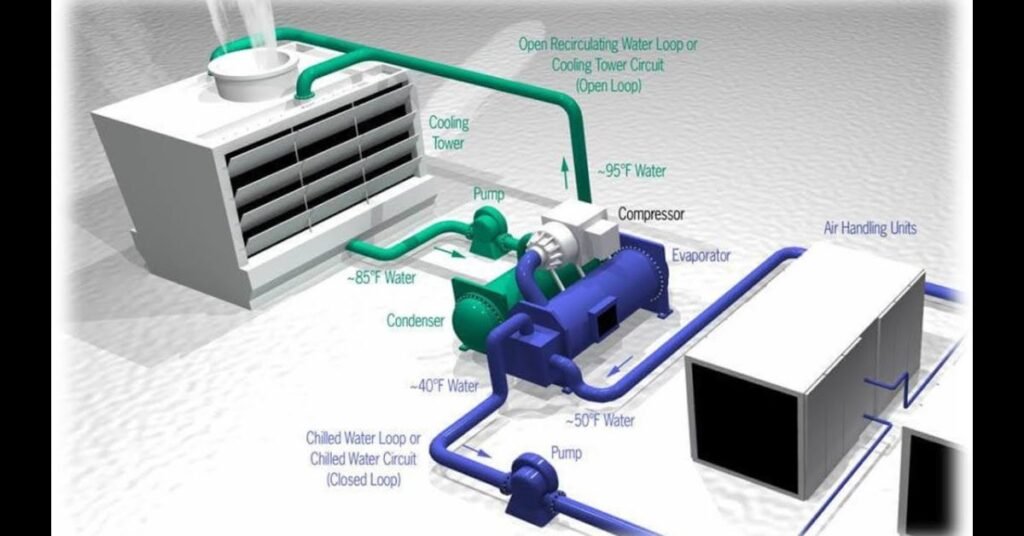
Preventing air from entering the cooling system is easier than fixing it later. You just need to take care during coolant refilling and regular maintenance. A properly sealed system keeps coolant flowing smoothly and avoids air pockets. This helps the engine stay cool and safe.
Small care steps can make a big difference. Always check for leaks and keep coolant at the right level. Never ignore small issues, as they can lead to bigger problems later.
- Always use the correct coolant type for your car
- Fill coolant slowly to avoid trapping air
- Check radiator cap condition regularly
- Inspect hoses for cracks or leaks
- Keep coolant level between MIN and MAX marks
- Fix leaks immediately when noticed
Proper Coolant Refilling Tips
- Before opening the radiator cap, wait until the engine is completely cool
- Use the correct coolant type recommended by your vehicle manufacturer
- Pour coolant slowly to reduce the chance of trapping air inside the system
- Fill the radiator and reservoir up to the proper level marks only
- Start the engine after refilling to help circulate coolant properly
- Turn on the heater to maximum to push coolant through the system
- Check for air bubbles and let them escape during the process
- Top up coolant again if the level drops after circulation
Regular Maintenance and Leak Checks
- Inspect radiator, hoses, and connections for any visible cracks or damage
- Check coolant level regularly, especially before long drives
- Look for coolant leaks under the vehicle after parking
- Replace old or weak radiator caps that cannot hold pressure
- Schedule regular cooling system service as per maintenance guide
- Clean and flush the system periodically to remove buildup
- Monitor engine temperature gauge during daily driving
- Fix even small leaks immediately to prevent air entry
When to Visit a Mechanic for Cooling System Issues
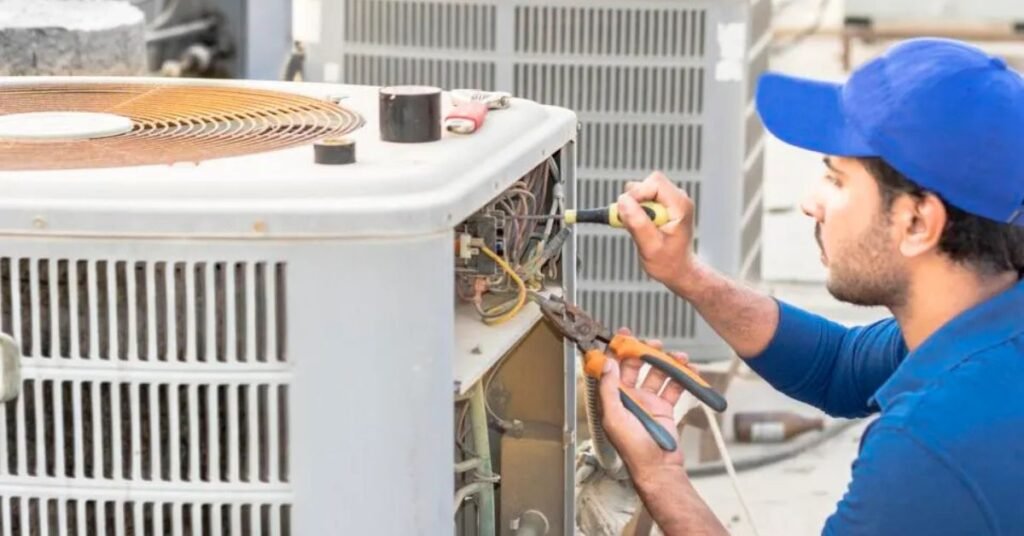
You shIf your car keeps losing coolant but you cannot see any leak, it is a warning sign. The coolant may be escaping internally or turning into vapor. Air can also enter the system through hidden faults. This makes the cooling system weak and unstable.
- This problem should be checked carefully. It may be linked to serious issues like a head gasket failure. A proper inspection is needed to find the real cause and prevent further damage.
Warning lights appear on the dashboard could visit a mechanic when cooling system problems do not go away. If your engine keeps overheating even after basic checks, it is a serious sign. Air trapped in the system may not be easy to remove at home. In such cases, professional help is needed to avoid engine damage.
Persistent Overheating Problems
If your engine keeps overheating again and again, it is a serious issue. The cooling system is not working properly. Air may be trapped inside or coolant may not be flowing correctly. This causes the engine temperature to rise quickly.
You should not ignore this problem. Continuous overheating can damage engine parts over time. It may lead to expensive repairs if not fixed early. A mechanic can find the exact cause and solve it properly.
Coolant Loss with No Visible Leak
If your car keeps losing coolant but you cannot see any leak, it is a warning sign. The coolant may be escaping internally or turning into vapor. Air can also enter the system through hidden faults. This makes the cooling system weak and unstable.
This problem should be checked carefully. It may be linked to serious issues like a head gasket failure. A proper inspection is needed to find the real cause and prevent further damage.
Conclusion
Air in the cooling system is a common but serious problem. It can affect how your engine stays cool and works properly. Small air pockets can lead to overheating, weak heater performance, and strange noises. If ignored, it can slowly damage important engine parts.
The good news is that it can be fixed and prevented with proper care. Regular maintenance, correct coolant filling, and quick leak repairs help keep the system healthy. Always pay attention to early warning signs. Fixing the problem on time can save your engine and reduce repair costs.
FAQs
1. What causes air in the cooling system?
Air enters the cooling system when there is a loss of coolant or a fault in the system. The most common reason is low coolant level caused by leaks in hoses, radiator, or connections. Air can also enter during improper coolant refilling if the system is not bled correctly. In some cases, a damaged radiator cap or internal engine problems like a blown head gasket can force air into the cooling system.
2. How do I know if there is air in my cooling system?
You can identify air in the system through clear warning signs. The engine may overheat quickly even during short drives. The heater inside the car may blow cold air instead of warm air. You might also hear gurgling or bubbling noises coming from the dashboard or engine area. Another sign is an unstable temperature gauge or coolant level dropping without any visible leak.
3. Is air in the cooling system dangerous?
Yes, it is dangerous if you ignore it for too long. Air pockets stop coolant from flowing smoothly, which reduces the cooling ability of the engine. This can lead to frequent overheating, poor engine performance, and long-term damage to engine parts. If not fixed, it may cause serious and expensive repairs such as head gasket failure or engine overheating damage.
4. Can I remove air from the cooling system myself?
Yes, you can remove air from the cooling system at home in many cases. This process is called “bleeding the cooling system.” It involves filling coolant properly, running the engine, and allowing trapped air to escape. You may need to turn on the heater, squeeze hoses, or use a bleeder valve if your car has one. However, if the problem is serious or keeps coming back, a mechanic should inspect it.
5. How can I prevent air from entering the cooling system?
You can prevent air from entering by keeping your cooling system well maintained. Always use the correct coolant type and maintain proper coolant levels. Check for leaks regularly in hoses, radiator, and fittings, and fix them immediately. Be careful while refilling coolant to avoid trapping air inside. Regular servicing also helps keep the system sealed and working efficiently.
