

Introduction:
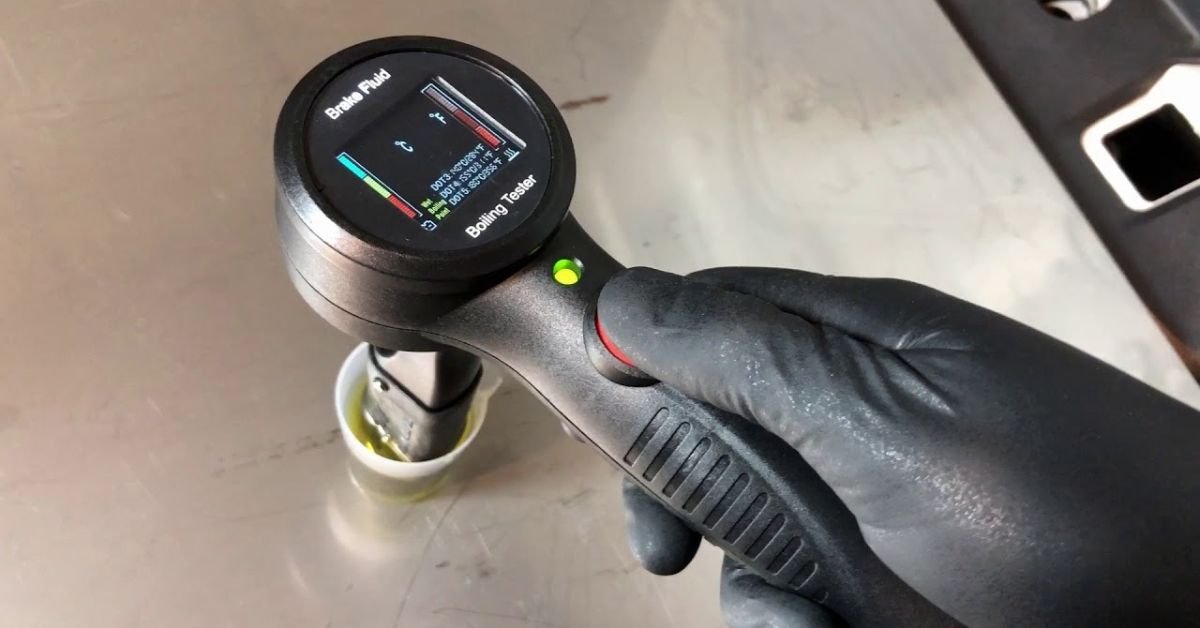
Brake fluid is an important liquid in your car’s braking system. It transfers the force from the brake pedal to the brake parts. This pressure helps your car slow down or stop safely. Sometimes, brake fluid can get too hot and start to boil. When this happens, the braking system may not work properly.
Many drivers do not know that boiling brake fluid can be dangerous. It can cause the brake pedal to feel soft or less responsive. In serious cases, the brakes may fail when you need them the most. This problem often happens during heavy braking or when the fluid becomes old and contaminated.
In this article, we will explain what happens if brake fluid boils. You will learn the common symptoms, the main reasons behind this problem, and simple tips to prevent it. Understanding these points can help you keep your car safe and maintain better brake performance.
What Happens If Brake Fluid Boils in a Car?
When brake fluid boils, it creates tiny air bubbles inside the braking system. Brake fluid normally stays in liquid form and transfers pressure smoothly. But gas bubbles cannot carry pressure well. Because of this, the brake pedal may feel soft or spongy when you press it. The car may also take longer to slow down or stop.
In some cases, boiling brake fluid can make braking very weak. The pedal may go closer to the floor before the car begins to slow down. This problem is called brake fade. It often happens when brakes get extremely hot, such as during long downhill driving or sudden hard braking. If the issue continues, it can reduce driving safety and increase the risk of an accident.
How Boiling Brake Fluid Affects Brake Pressure
- Brake fluid normally transfers pressure from the pedal to the brake calipers.
- When brake fluid boils, it creates small air bubbles inside the brake lines.
- Air bubbles compress easily, but liquid brake fluid does not.
- Because of this, the braking pressure becomes weak and unstable.
- The brake pedal may feel soft or spongy when you press it.
- Sometimes the pedal may go down further than normal before the car slows.
- The car may take more distance to stop than usual.
- Drivers may notice delayed brake response during sudden braking.
- In severe cases, the braking power can drop suddenly.
- This problem increases the risk of brake failure and unsafe driving.
Why Vapor Bubbles Cause Brake Failure
When brake fluid becomes too hot, it can turn into vapor inside the brake lines. This creates small vapor bubbles in the system. Brake systems are designed to work with liquid, not gas. Liquid brake fluid transfers pressure quickly and smoothly. But vapor bubbles interrupt this pressure flow. As a result, the brakes cannot respond the way they should.
These bubbles compress when the driver presses the brake pedal. Instead of sending full pressure to the brakes, some of the force is lost. This makes the pedal feel soft and weak. In serious cases, the brakes may not grip the wheels properly. This is why vapor bubbles can lead to brake failure and make driving unsafe.
Main Causes of Brake Fluid Boiling
Brake fluid can boil when the braking system becomes extremely hot. This often happens during heavy or repeated braking. For example, driving down a long hill or braking suddenly many times can raise the temperature of the brakes. When the heat becomes too high, the brake fluid inside the lines may start to boil and create vapor.
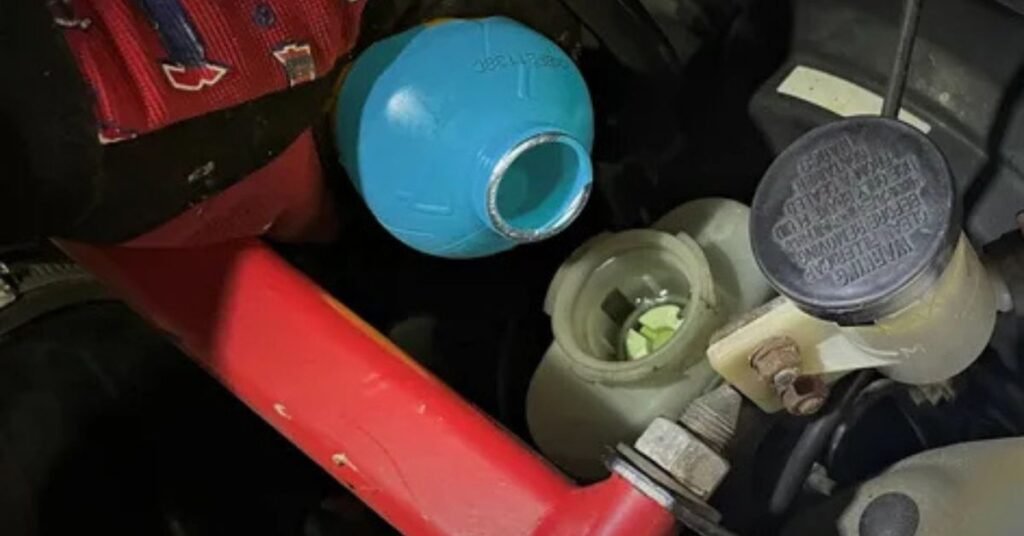
Another common cause is old or contaminated brake fluid.Brake fluid absorbs moisture from the air over time.. Water lowers the boiling point of the fluid. This means the fluid can boil faster even at normal braking temperatures. Poor maintenance and not changing brake fluid regularly can increase the risk of this problem.
Excessive Brake Heat During Heavy Braking
- Heavy braking can create a large amount of heat in the braking system.
- This heat builds up when a driver presses the brake pedal many times.
- Long downhill driving often increases brake temperature quickly.
- Towing heavy loads can also make the brakes work harder.
- High brake temperatures can raise the temperature of the brake fluid.
- When the heat becomes extreme, the brake fluid may start to boil.
- In addition to creating vapor bubbles, boiling fluid can also reduce braking performance.
Moisture Contamination in Brake Fluid
- Moisture is naturally absorbed by brake fluid over time.
- Water contamination lowers the boiling point of brake fluid.
- Even a small amount of moisture can affect brake performance.
- Old brake fluid is more likely to contain water and dirt.
- Moisture inside the system can cause the fluid to boil faster.
- Contaminated fluid may also lead to corrosion in brake parts.
- Regular brake fluid replacement helps prevent this problem.
Symptoms That Indicate Brake Fluid Is Boiling
- One common symptom is a soft or spongy brake pedal.
- The pedal may feel like it goes down too easily when pressed.
- You might notice delayed braking or reduced stopping power.
- The brakes can feel inconsistent, sometimes working and sometimes not.
- Strange noises like a gurgling or bubbling sound may come from the brake system.
- The car may take longer than usual to slow down or stop.
- In severe cases, the brakes may fail completely, making driving unsafe.
- Hot brake smell can also indicate overheating or boiling fluid.
- Drivers may feel vibration or pulsing in the brake pedal during braking.
- Early detection of these symptoms can prevent accidents and serious brake damage.
Dangers of Driving When Brake Fluid Boils
Driving with boiling brake fluid is very risky. The brakes may not respond properly when you press the pedal. This can make it hard to slow down or stop the car in time. Even a short delay can cause accidents, especially in heavy traffic or at high speeds.
Boiling brake fluid also increases the chance of complete brake failure. The vapor bubbles reduce pressure in the brake lines. This can make the pedal feel soft or go all the way to the floor. Drivers may lose control during emergency braking. Ignoring this problem puts both the driver and others on the road in serious danger.
Increased Stopping Distance
When brake fluid boils, the braking system loses efficiency. The pedal may feel soft or spongy, reducing the pressure applied to the brakes. As a result, the car takes longer to slow down or stop. Even small delays can be dangerous, especially in traffic or on highways. Drivers may need more space to stop safely, which can increase the risk of collisions.
Risk of Complete Brake Failure
Boiling brake fluid can sometimes lead to total brake failure. Vapor bubbles in the lines prevent the brakes from receiving proper pressure. In this situation, pressing the brake pedal may do very little or nothing at all. This can happen suddenly during heavy braking or downhill driving. Complete brake failure puts the driver, passengers, and others on the road in serious danger.
Brake Fluid Boiling Point Explained
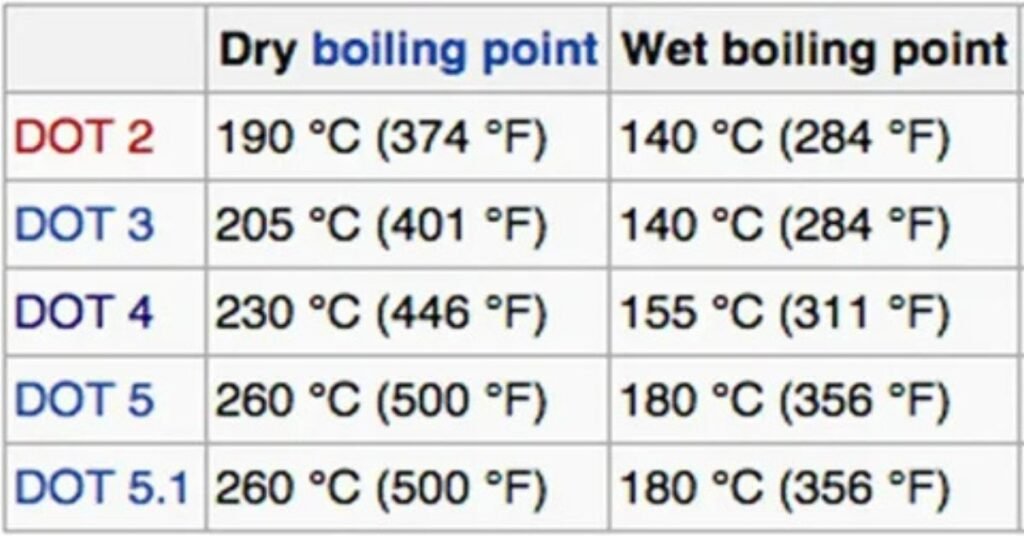
Brake fluid has a specific boiling point, which is the temperature at which it turns into vapor. Normal brake fluid can handle high temperatures, but excessive heat from heavy braking can push it beyond its limit. The brake lines form vapor bubbles when the fluid boils.. These bubbles reduce pressure and make the brakes less effective. Knowing the boiling point of your brake fluid helps prevent accidents and keeps your braking system safe.
There are different boiling points for different types of brake fluid. Here’s a table showing common brake fluids and their approximate boiling points:
| Brake Fluid Type | Dry Boiling Point | Wet Boiling Point | Notes |
| DOT 3 | 401°F (205°C) | 284°F (140°C) | Common in older vehicles, absorbs moisture fast |
| DOT 4 | 446°F (230°C) | 311°F (155°C) | Higher boiling point than DOT 3, used in many modern cars |
| DOT 5 | 500°F (260°C) | N/A | Silicone-based, does not absorb water, not for ABS systems |
| DOT 5.1 | 500°F (260°C) | 356°F (180°C) | Compatible with DOT 3 and 4, high-performance fluid |
This table shows why using the right brake fluid is important. Wet fluid or old fluid boils at lower temperatures. Regular replacement keeps the braking system effective and safe.
Why Water Lowers the Boiling Point
Over time, brake fluid can absorb moisture from the air.. Even a small amount of water can mix with the fluid. The boiling point of water is much lower than that of brake fluid.. When water is present, the overall boiling point of the fluid drops. This means the fluid can start boiling at lower temperatures than normal.
Boiling fluid creates vapor bubbles in the brake lines. These bubbles reduce pressure and make the brakes feel soft. The car may take longer to stop, which is dangerous. Moisture in the brake fluid also causes corrosion in brake parts. Regular fluid checks and replacements prevent water from lowering the boiling point and keep brakes safe.
What To Do Immediately If Brake Fluid Boils
- Stay calm and do not panic while driving.
- Gently pump the brake pedal to try and build pressure.
- Avoid sudden or hard braking that could make the situation worse.
- Shift to a lower gear to slow the car using engine braking.
- Turn on hazard lights to alert other drivers if slowing down suddenly.
- Look for a safe place to pull over and stop the car.
- Once stopped, let the brakes cool down before attempting to drive again.
- Do not continue driving until the braking system is checked and repaired.
- Call for roadside assistance if the brakes are not responding properly.
- Regular maintenance can help prevent brake fluid from boiling in the future.
How to Prevent Brake Fluid from Boiling
- Check brake fluid level regularly and top up if needed.
- Replace brake fluid according to the manufacturer’s schedule.
- Use the correct brake fluid type with a higher boiling point.
- Avoid overloading your car or towing heavy loads unnecessarily.
- Do not ride the brakes on long downhill drives.
- Slow the car by using engine braking.
- Watch for a soft or spongy brake pedal and get it checked immediately.
- Keep brake components clean and free from contamination.
- Check brake lines and hoses for leaks or damage.
- Regular maintenance ensures safe braking and reduces the risk of boiling fluid.
How Often Should Brake Fluid Be Changed?
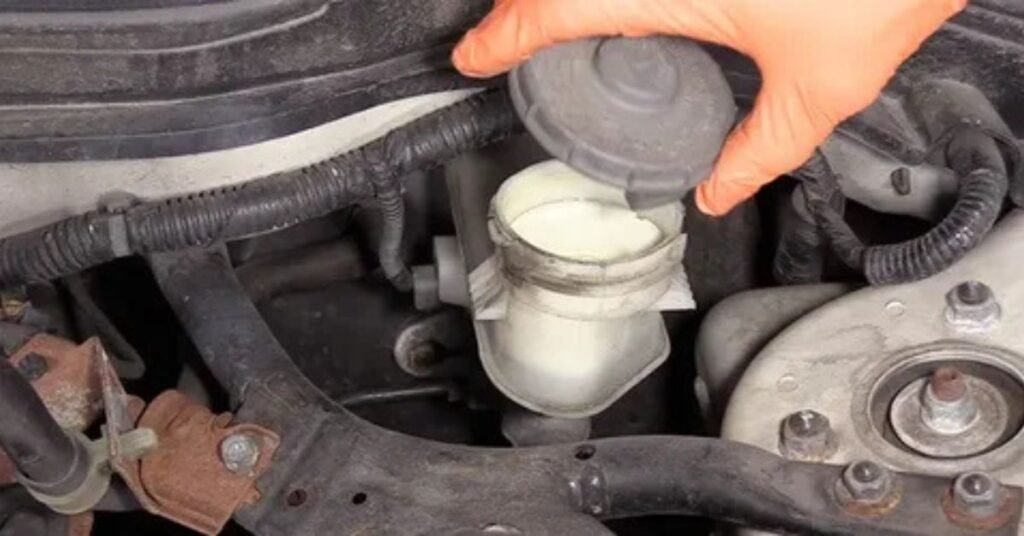
Brake fluid should be changed regularly to keep your braking system safe. Most car manufacturers recommend changing it every 2 years or 24,000 miles, but this can vary by vehicle. Old brake fluid absorbs moisture over time, which lowers its boiling point and reduces braking performance. Regular replacement ensures the fluid stays clean and effective.
Some signs indicate it’s time to change the brake fluid sooner. If the pedal feels soft or spongy, or if braking seems less responsive, the fluid may be contaminated. Dark or dirty fluid in the reservoir is another warning. Checking and replacing brake fluid on schedule keeps your brakes working properly and prevents dangerous situations like brake failure.
Recommended Replacement Intervals
- Change brake fluid every 2 years or 24,000–30,000 miles, as recommended by most manufacturers.
- High-performance or heavy-duty vehicles may need more frequent replacements.
- Regular changes prevent moisture buildup and maintain a high boiling point.
- Protects brake components from corrosion.
- Ensures consistent and reliable braking performance.
Signs Your Brake Fluid Needs Replacement
- Dark or cloudy fluid in the reservoir indicates contamination.
- Soft or spongy brake pedals show moisture absorption.
- Strange noises like gurgling when braking.
- Reduced braking response or longer stopping distances.
- Brake lines or master cylinder leaks.
- Early attention to these signs keeps brakes safe and reliable.
Conclusion
Brake fluid is a small part of your car, but it plays a very important role. It helps transfer pressure from the pedal to the brakes, allowing your car to stop safely. If brake fluid boils, it can create vapor bubbles, reduce brake pressure, and even cause brake failure. This is very dangerous, especially on highways or during heavy braking.
The good news is that boiling brake fluid can be prevented. Regular maintenance, timely replacement of brake fluid, and careful driving habits keep your brakes working properly. Watching for warning signs like a soft pedal, strange noises, or dark fluid helps you act before a problem becomes serious. By taking simple steps, you can ensure your brakes stay safe, reliable, and effective on every drive.
FAQs
1. What happens if brake fluid boils?
If brake fluid boils, it forms vapor bubbles in the brake lines. This reduces pressure, making the brake pedal soft and slowing down braking response. In severe cases, it can lead to partial or complete brake failure, which is very dangerous.
2. What causes brake fluid to boil?
Brake fluid boils due to excessive heat from heavy braking or long downhill drives. Old or contaminated fluid with moisture can also lower the boiling point, making it easier to boil even at normal driving temperatures.
3. How can I tell if my brake fluid is boiling?
Signs include a soft or spongy brake pedal, longer stopping distances, unusual noises like gurgling, and reduced brake performance. Early detection helps prevent accidents and serious brake damage.
4. Can boiling brake fluid cause an accident?
Yes. When brake fluid boils, brakes may respond slowly or fail completely. This increases stopping distance and the risk of collisions, especially in emergency situations or heavy traffic.
5. How can I prevent brake fluid from boiling?
Regularly check and replace brake fluid, use the correct type with a high boiling point, and avoid excessive braking on long hills. Maintaining good driving habits and performing routine maintenance keeps your braking system safe.
