

Introduction:
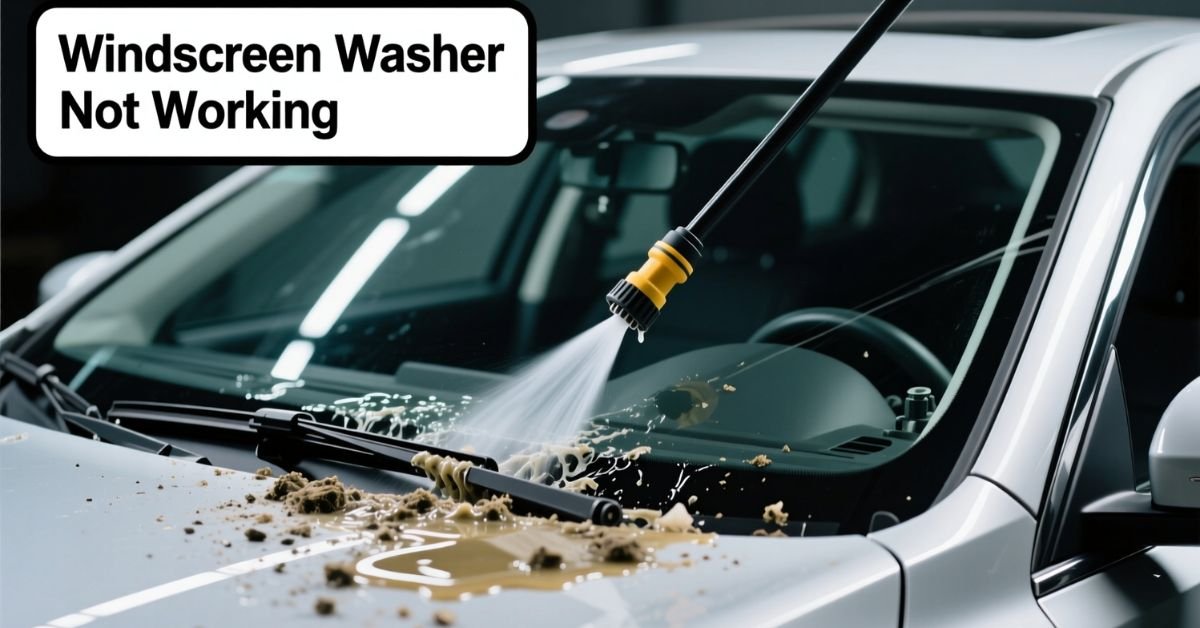
A windscreen washer helps clean dirt, dust, and bugs from your windshield. It sprays washer fluid so you can see the road clearly. When it stops working, driving becomes unsafe, especially in rain or on dusty roads.
A windscreen washer not working can be very frustrating. You press the switch, but nothing happens. The glass stays dirty, and your visibility gets worse. This small problem can quickly turn into a big safety risk.
There are many simple reasons why a windscreen washer may stop working. It could be low washer fluid, a blocked nozzle, or a faulty pump. In most cases, the fix is easy and affordable if you find the cause early.
Common Causes of a Windscreen Washer Not Working

One common cause is low or empty washer fluid. If the tank is dry, no fluid can spray onto the windscreen. Clogged washer nozzles can also block the spray. Dirt and dust often build up in these small holes over time.
A faulty washer pump is another reason for this problem. If you do not hear any sound when you press the switch, the pump may be bad. Blown fuses, damaged hoses, or electrical issues can also stop the washer from working properly.
Low or Empty Washer Fluid
Low or empty washer fluid is the most common reason for this issue. When the reservoir runs dry, nothing can spray onto the windscreen. A low fluid level can also let air enter the system, which weakens the spray.
Blocked or Clogged Washer Nozzles
Washer nozzles can get blocked by dirt, wax, or dust. When this happens, the fluid cannot spray properly. Cleaning the nozzles with a small pin or needle often fixes the problem quickly.
Frozen Washer Fluid in Winter
In cold weather, washer fluid can freeze inside the tank or hoses. Frozen fluid cannot reach the nozzles. Using winter-grade washer fluid helps prevent this problem and keeps the system working in freezing temperatures.
Washer Pump Problems That Stop the System Working
The washer pump pushes fluid from the tank to the nozzles. If the pump fails, no fluid will spray on the windscreen. You may press the switch and hear no sound at all.
A weak or damaged pump can also cause poor spray. Sometimes the pump gets clogged with dirt from the tank. In many cases, replacing the washer pump is a simple and low-cost fix.
Faulty Windscreen Washer Pump
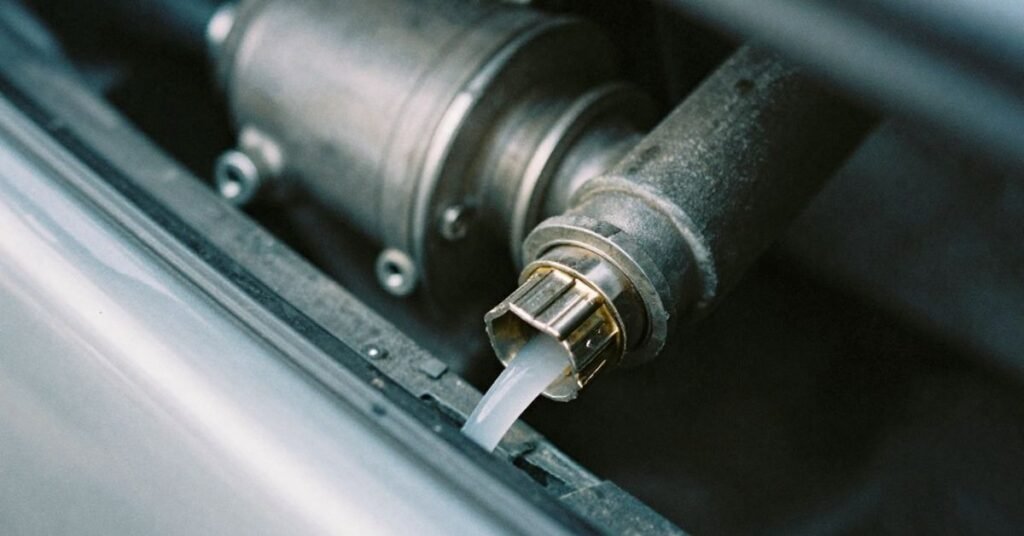
A faulty windscreen washer pump cannot push fluid to the nozzles. When this happens, the washer stays silent and does not spray. Wear and tear over time is a common reason for pump failure.
Blown Fuse or Electrical Issue
A blown fuse can cut power to the washer system. Loose wiring or a bad switch can also stop the pump from working. Checking the fuse box is often a quick and easy step.
How the Windscreen Washer Pump Works
The washer pump is an electric motor inside the fluid tank. When you press the washer switch, it sends fluid through hoses to the nozzles. If power or fluid flow is blocked, the system will not work properly.
Blocked or Damaged Washer Hoses and Reservoir
Washer hoses carry fluid from the tank to the nozzles. If they are blocked by dirt or debris, the fluid cannot reach the windscreen. Kinks or bends in the hoses can also reduce or stop the spray.
The washer reservoir can crack or leak over time. A damaged tank may lose fluid quickly or stop the pump from working properly. Inspecting the hoses and reservoir regularly can prevent these problems.
Leaking or Cracked Washer Hoses
Washer hoses can develop leaks or cracks over time. Fluid may drip out before reaching the windscreen. Small holes can reduce spray, while large cracks can stop it completely. Replacing damaged hoses usually fixes the problem.
Broken Washer Reservoir
The washer reservoir stores the fluid for the system. If it cracks or breaks, fluid can leak out quickly. A broken tank can also prevent the pump from working properly. Replacing the reservoir is often the easiest solution.
Screen Wash Quality and Dilution Issues
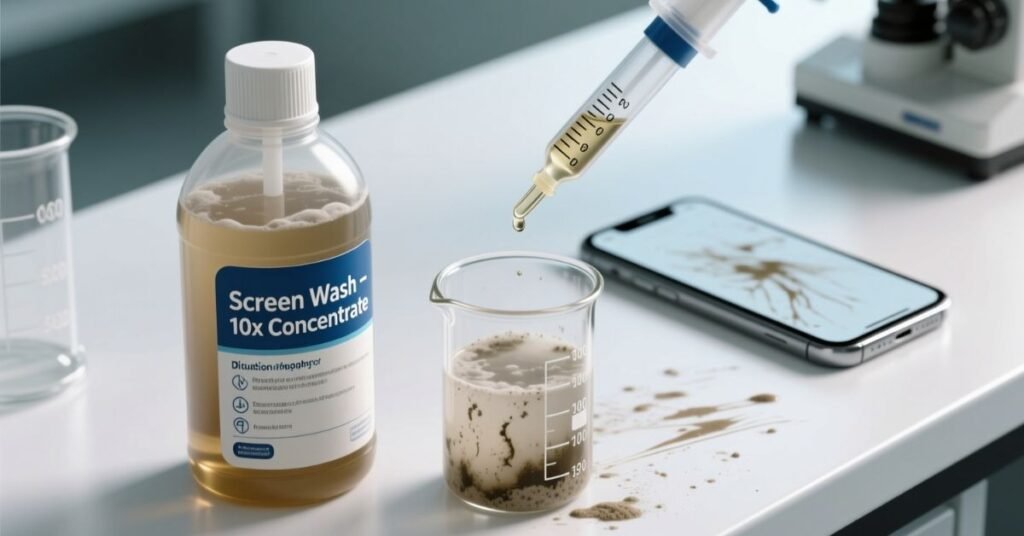
Low-quality screen wash may not clean the windscreen properly. It can leave streaks or smear dirt across the glass. Using a good quality washer fluid ensures better cleaning and clear visibility.
Dilution problems can also affect performance. Adding too much water weakens the fluid, while too little may clog the system. Following the instructions on the bottle helps keep the washer working well.
Incorrect Screenwash Dilution Ratio
Using the wrong dilution ratio can cause washer problems. Too much water makes the fluid weak and less effective. Too little water can make it too thick and block the nozzles. Always follow the instructions on the screenwash bottle.
Problems Caused by Cheap or Low-Quality Screenwash
Low-quality screenwash can damage the washer system. It may leave streaks or sticky residue on the windscreen. Some cheap fluids can even clog nozzles or harm the pump. Using a trusted brand keeps the system working smoothly.
How to Clean a Clogged Windscreen Washer Nozzle

A clogged washer nozzle stops fluid from spraying properly. First, remove any dirt or debris from the nozzle tip. You can use a small pin, needle, or toothpick to gently clear the blockage.
Next, test the nozzle by pressing the washer switch. If the spray is still weak, soak the nozzle in warm water for a few minutes. Regular cleaning helps keep the washer system working well and your windscreen clear.
Simple Cleaning Methods for Minor Blockages
Minor blockages can be fixed quickly at home. Use a pin, needle, or small brush to clear dirt from the nozzle tip. Wipe the area with a clean cloth and test the spray.
Deeper Cleaning for Stubborn Nozzle Clogs
Stubborn clogs may need a stronger approach.Warm water or vinegar should be used to soak the nozzle.. Use a thin wire to push out any remaining dirt. This method restores proper spray and keeps your windscreen clean.
How to Troubleshoot a Windscreen Washer System
Troubleshooting a windscreen washer system helps find the problem quickly. Start by checking simple things first, like fluid level and fuses. Look for visible leaks, broken hoses, or damaged nozzles.
Here are some quick steps you can follow:
- Check the washer fluid level and refill if low.
- Inspect hoses for cracks, leaks, or blockages.
- Test the washer pump by listening for its sound when activated.
- Clean clogged nozzles with a pin or needle.
- Check fuses and electrical connections for any issues.
Following these steps helps fix most washer problems without needing a mechanic.
Step-by-Step Washer System Checks
Checking the washer system step by step makes it easier to find the problem. Start with the fluid level and refill if needed. Inspect hoses, nozzles, and the pump for damage or blockages.
Here’s a simple checklist:
- Refill washer fluid if low.
- Look for cracks or leaks in hoses and reservoir.
- Clean clogged nozzles with a pin or needle.
- Check the washer pump and fuses for proper function.
- Tighten any loose electrical connections.
Testing the System After Repairs
After fixing the issues, test the washer system to ensure it works. Press the washer switch and watch the spray. Check all nozzles for even coverage.
Steps to test:
- Fill the tank with washer fluid.
- Activate the washer and observe the spray pattern.
- Listen for any unusual sounds from the pump.
- Make sure all repairs are secure and leak-free.
Testing confirms the system is ready and your windscreen stays clear.
How to Replace a Faulty Windscreen Washer Pump
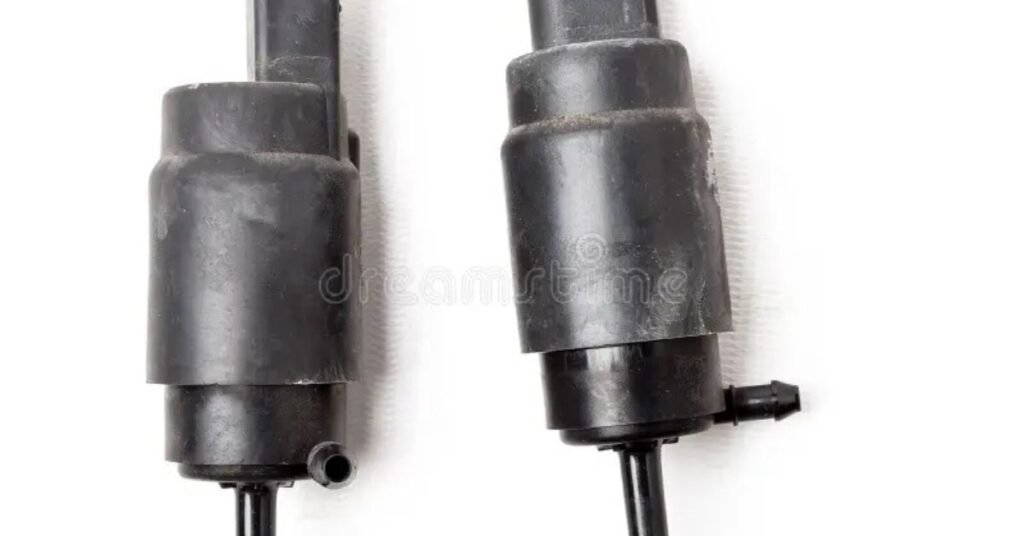
Replacing a faulty washer pump is simple and can save money. Make sure the car battery is disconnected first.. Locate the washer pump on the fluid reservoir.
Next, remove the old pump carefully. Disconnect the electrical connector and hoses. Fit the new pump in place and reconnect everything. Fill the reservoir with washer fluid and test the system to make sure it works.
Where to Locate the Washer Pump
The washer pump is usually attached to the bottom or side of the fluid reservoir. Look for a small electric motor with hoses connected to it. It is often easy to spot under the bonnet or in the engine bay.
Basic Steps to Replace the Pump
Start by disconnecting the car battery for safety. Remove the old pump by disconnecting the hoses and electrical connector. Fit the new pump in the same position and reconnect everything. Fill the reservoir with washer fluid and test the system to ensure it works properly.
How Much Does It Cost to Fix a Windscreen Washer?
The cost to fix a windscreen washer depends on the problem. Simple issues like low fluid or a clogged nozzle are usually free or very cheap. Replacing a faulty pump, hoses, or reservoir may cost more.
Here is a general cost guide for common repairs:
| Issue | Estimated Cost | Notes |
| Low washer fluid | $5 – $15 | Just refill the tank |
| Clogged nozzles | $0 – $10 | Clean with pin or needle |
| Frozen fluid | $10 – $20 | Use winter-grade fluid |
| Leaking hoses | $10 – $50 | Depends on hose length |
| Faulty washer pump | $30 – $100 | Includes parts and labor |
| Broken reservoir | $50 – $150 | Depends on car model |
| Electrical/fuse issues | $20 – $60 | Simple fuse replacement or wiring check |
This table gives a rough idea. Prices may vary by location and car type.
How to Prevent Windscreen Washer Problems in the Future

Regular maintenance keeps the washer system working well. Always check the fluid level and refill when needed. Clean the nozzles and hoses regularly to prevent blockages.
Use good-quality washer fluid and follow the dilution instructions. Avoid harsh chemicals that can damage the pump or hoses. Inspect the system for leaks or cracks often to catch problems early.
Using the Correct Washer Fluid
Using the right washer fluid keeps the system working properly. Always choose a fluid suitable for your car and climate. In winter, use anti-freeze screenwash to prevent freezing. Avoid plain water or cheap substitutes that can damage the pump.
Regular Maintenance Tips
Regular maintenance helps prevent washer problems. Make sure the fluid level is checked often and refilled as needed. Clean nozzles and hoses to remove dirt or debris. Inspect the pump, reservoir, and connections for leaks or damage. This simple routine keeps your windscreen clear and safe.
When Should You Visit a Mechanic for Washer Issues?
Home repairs are possible for some washer problems.. But certain issues need a mechanic’s help. If the pump is broken or hoses are damaged, it may require professional repair.
Also, visit a mechanic if electrical problems or leaks persist. Persistent low spray, strange noises, or repeated system failures are signs of bigger issues. Early professional help can prevent costly repairs later.
Conclusion
A windscreen washer not working can be frustrating and unsafe. Most problems are simple, like low fluid, blocked nozzles, or a frozen reservoir. Regular checks and basic cleaning often fix these issues quickly.
For more serious problems, like a faulty pump or broken hoses, professional help may be needed. Using the correct fluid and keeping the system maintained can prevent future issues. Staying on top of these simple steps keeps your windscreen clear and driving safe.
FAQs:
Q1: Why is my windscreen washer not working?
It could be low fluid, clogged nozzles, a faulty pump, or electrical issues.
Q2: How can I fix a blocked washer nozzle?
Clean it gently with a pin or needle to remove dirt and debris.
Q3: Can frozen washer fluid stop the system?
Yes, in winter, frozen fluid can block spray; use winter-grade screenwash.
Q4: When should I replace the washer pump?
Replace it if the pump is silent or weak after checking fluid and fuses.
Q5: Is it safe to drive if the washer is not working?
No, a dirty windscreen reduces visibility and can be dangerous, especially in rain or dust.
