

Introduction:
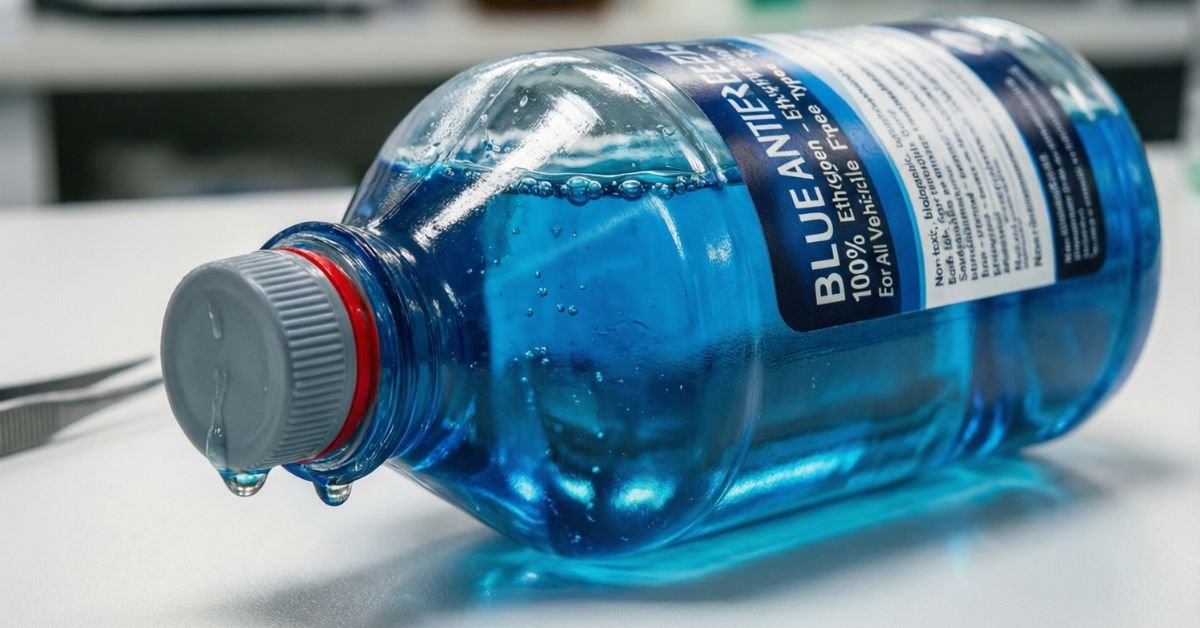
Blue antifreeze is a type of coolant used in car engines. Keeping the engine at the right temperature is important.. Summers are kept cool and winters are kept warm.. It also protects metal parts inside the engine from rust and corrosion.
Many car owners see blue antifreeze but don’t know why it’s important. Engine damage can result from using the wrong coolant.. That’s why understanding blue antifreeze can save you time and money. It’s more than just a colored liquid in your radiator.
Blue antifreeze is different from green, orange, or pink types. It lasts longer and works best in certain car models. Knowing when and how to use it can improve your engine’s life. In this guide, we’ll explain everything you need to know about blue antifreeze.
What Is Blue Antifreeze?
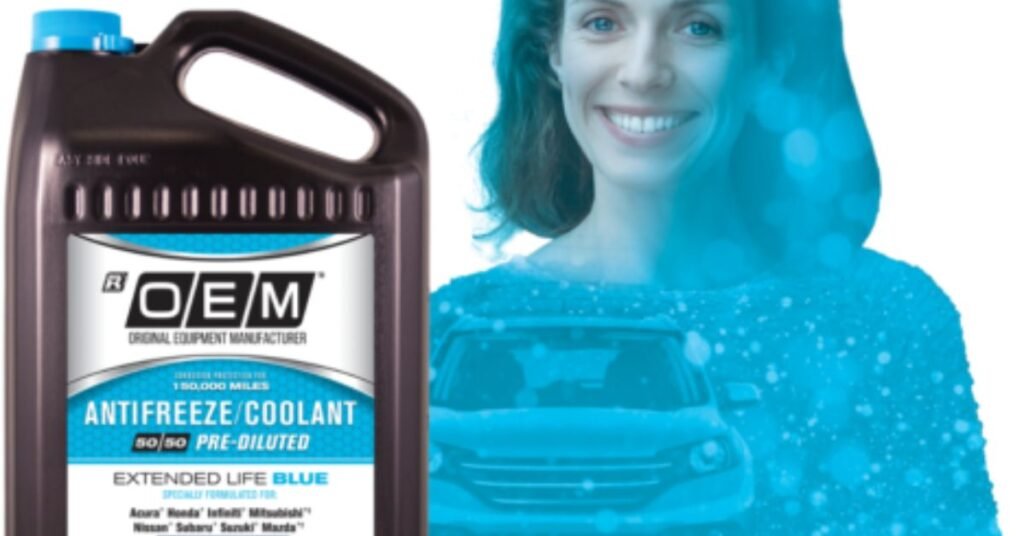
Blue antifreeze is a special liquid used in car engines. It helps keep the engine cool in hot weather and prevents it from freezing in cold weather.The engine is also protected against corrosion and rust.. Without antifreeze, your engine can overheat or get damaged.
Blue antifreeze is different from other colors like green, pink, or orange. Each type is made for specific cars and engines. Using the right one can keep your car running smoothly. It lasts longer and works better in some modern engines compared to older coolant types.
Definition and Basic Properties
Blue antifreeze is a liquid that keeps car engines running safely. It controls the engine temperature and prevents damage from extreme heat or cold.The engine is also protected against corrosion and rust.
Some key properties of blue antifreeze are:
- Protects engine from freezing in winter
- Prevents overheating in summer
- Reduces rust and corrosion
- Compatible with specific car engines
- Lasts longer than some other coolant types
How Blue Coolant Works in Your Engine
Blue coolant is like a bodyguard for your engine. It moves through the engine and absorbs heat. This keeps the engine from getting too hot. At the same time, it stops the engine from freezing in cold weather.Metal parts are also protected from rust and damage by it.
Here’s what happens inside your engine when blue coolant works:
- Circulates through the radiator and engine parts
- Absorbs and carries heat away from the engine
- Maintains a steady engine temperature
- Prevents corrosion on metal surfaces
- Extends the life of engine components
Chemical Composition of Blue Antifreeze
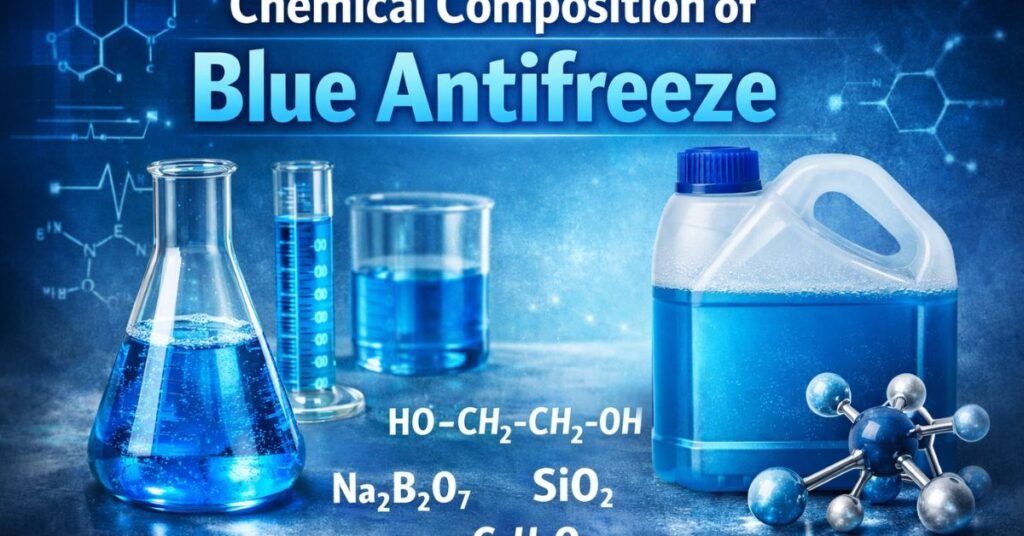
Blue antifreeze is made of special chemicals that protect your engine. The main ingredient is usually ethylene glycol or propylene glycol, which helps control temperature. It also contains additives that prevent rust, corrosion, and foam inside the engine.
Other important parts include inhibitors that protect metal parts and keep the coolant stable for a long time. These chemicals work together to keep your engine safe in both hot and cold conditions. Using the right antifreeze ensures your engine lasts longer and runs smoothly.
Ethylene Glycol Base Explained
Ethylene glycol is the main ingredient in many blue antifreeze formulas. It’s a liquid that stops your engine from freezing in cold weather. At the same time, it helps carry heat away in hot weather. This keeps the engine temperature stable and prevents damage.
Besides controlling temperature, ethylene glycol also protects metal parts from rust and corrosion. It mixes easily with water and other additives to make a long-lasting coolant. Using antifreeze with ethylene glycol ensures your engine runs safely and lasts longer.
Additives and Corrosion Inhibitors in Blue Coolant
Blue coolant is not just water and chemicalsit has special additives. These additives protect the engine from rust, scale, and corrosion. They also help the coolant last longer and work better under extreme temperatures. Without these, the engine parts could wear out faster.
Some unique functions of additives and corrosion inhibitors include:
- Protect engine metal surfaces with a protective layer
- Reduce foam and bubbles for smooth coolant flow
- Stabilize the coolant’s chemical balance over time
- Prevent mineral buildup that can block pipes or radiator
- Enhance the coolant’s performance in both hot and cold conditions
Why Do Some Coolants Appear Blue?
Some coolants appear blue because manufacturers add special dyes. The color helps identify the coolant type easily. It also reduces the chance of using the wrong coolant in a car.
Blue color can also help spot leaks quickly. It makes the coolant visible during checks or repairs. The color does not change how the coolant works, but it improves safety and maintenance.
Color Isn’t Standardized What It Actually Means
Coolant color is not a universal rule. Each brand chooses its own color to label its formula. This means the same color can mean different things in different cars.
What really matters is the coolant type, not the color. Always check the owner’s manual or label. Using the correct formula protects your engine better than relying on color alone.
Blue Coolant vs Other Colors (Green, Red, Orange)
Blue coolant is often made for specific engines and modern cooling systems. It usually lasts longer and offers better corrosion protection. Other coolant colors also work well, but they are designed for different engine types and technologies. Color alone does not decide performance.
Green, red, and orange coolants each have their own purpose. Some are better for older cars, while others suit newer vehicles. The key is choosing the coolant type recommended by the car manufacturer, not just matching the color.
| Coolant Color | Common Type | Typical Lifespan | Best For | Key Characteristics |
| Blue | HOAT / OEM-specific | 5–10 years | Many Asian & modern cars | Long-lasting, strong corrosion protection |
| Green | IAT | 2–3 years | Older vehicles | Fast protection, shorter lifespan |
| Red | OAT | 5 years | Some European & Asian cars | Organic acids, less silicates |
| Orange | OAT | 5–7 years | GM & modern engines | Long service life, low maintenance |
| Mixed Colors | Mixed formulas | Unpredictable | Not recommended | Can cause sludge or damage |
Blue Antifreeze and Vehicle Compatibility
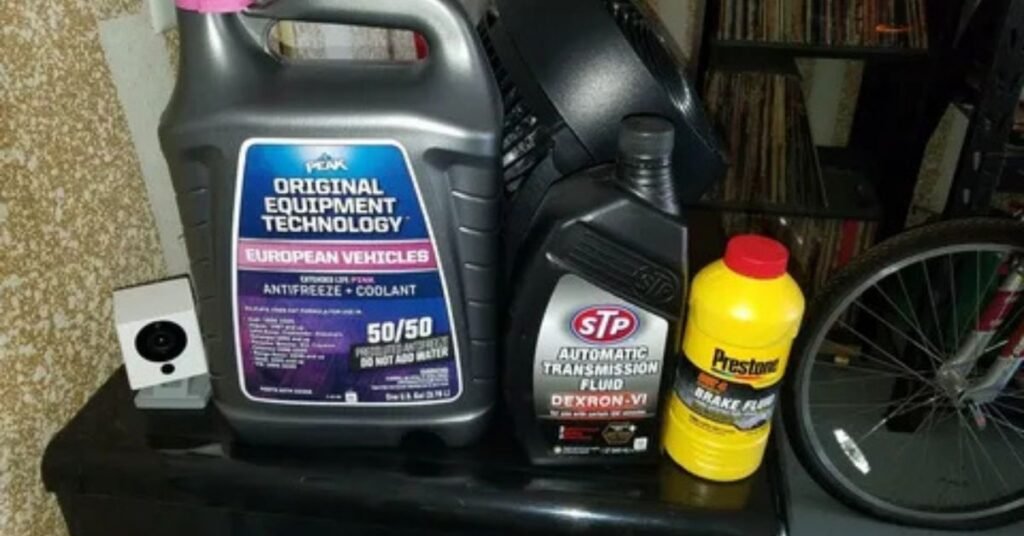
Blue antifreeze is designed for specific vehicles and engine types. It is commonly used in many Asian and modern cars. The formula matches the metals and seals used in these engines. Using it helps prevent corrosion and cooling system damage.
Not every car can use blue antifreeze. Some vehicles require green, red, or orange coolant instead. Always check the owner’s manual before choosing a coolant. Using the correct type keeps your engine safe and running smoothly.
Cars That Commonly Use Blue Coolant (Asian / European Models)
- Many Toyota and Lexus models use blue coolant from the factory
- Honda and Acura vehicles often recommend blue OEM coolant
- Several Nissan and Infiniti cars are designed for blue antifreeze
- Subaru engines commonly rely on blue coolant for corrosion control
- Some Mazda models specify blue coolant for long service life
- Certain Volkswagen and Audi vehicles use blue or blue-based coolant
- Select BMW models use blue coolant formulated for aluminum engines
- Many imported cars prefer blue coolant for extended protection intervals
(Always check the owner’s manual before choosing coolant.)
Why Manufacturer Specs Matter Don’t Rely on Color Alone
Coolant color can be confusing. The same color can mean different formulas in different brands. Relying only on color can lead to using the wrong coolant. This can harm seals, hoses, and engine parts.
Manufacturer specs tell you the exact coolant type your engine needs. They are based on engine design and materials. Following these specs helps prevent corrosion and overheating. It also keeps your warranty safe and your engine running longer.
Benefits of Blue Antifreeze
- Provides strong protection against engine overheating and freezing
- Designed to work well with modern aluminum engine parts
- Helps prevent rust, corrosion, and scale buildup
- Offers a longer service life compared to traditional coolants
- Maintains stable engine temperature in extreme weather
- Reduces wear on water pump and cooling system components
- Improves overall engine reliability and performance
(Benefits may vary by vehicle and coolant brand.)
Long-Life Protection and Corrosion Resistance
- Designed to last many years without having to be replaced frequently
- Forms a protective coating on metal surfaces inside the engine
- Prevents rust from spreading in radiators and coolant passages
- Protects aluminum, steel, and mixed-metal engines
- Reduces internal wear caused by heat and moisture
- Maintains the cooling system’s efficiency over time
- Helps maintain consistent cooling performance
(Follow the manufacturer’s recommended service interval.)
Protection Against Freezing and Overheating
Blue antifreeze keeps engine fluids from freezing in cold weather. It also absorbs excess heat during hot driving conditions. This balance protects the engine from cracks and breakdowns.
By maintaining a stable temperature, it helps the engine run smoothly. This reduces stress on parts and prevents sudden overheating issues.
Blue Antifreeze vs Other Coolant Types
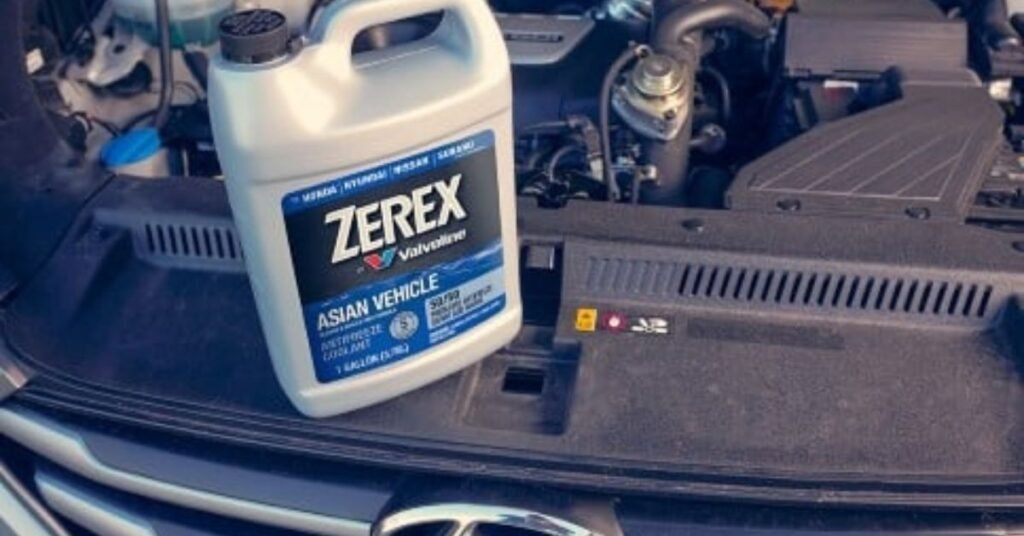
Blue antifreeze is made for specific engines and lasts longer in many modern cars. Other coolant types may work well, but they are designed for different engine materials and systems.
The real difference is the formula, not the color. Always choose the coolant type your car manufacturer recommends.
Blue vs Green (IAT) / Blue vs Orange / Red (HOAT / P-OAT)
Blue coolant is often designed for modern engines with mixed metals. Green IAT coolant is older and works well in classic cars, but it needs frequent replacement. Using the wrong type can reduce protection and damage the cooling system.
Orange and red coolants (HOAT / P-OAT) are also long-life options for specific vehicles. They provide strong corrosion protection like blue antifreeze but are formulated for different engines. Always match the coolant type with your vehicle’s specification.
| Comparison | Blue Coolant | Green Coolant (IAT) | Orange/Red Coolant (HOAT / P-OAT) |
| Engine Type | Modern engines, Asian/European | Older vehicles | GM, European, modern engines |
| Lifespan | 5–10 years | 2–3 years | 5–7 years |
| Corrosion Protection | Strong, works with aluminum | Moderate | Strong, organic acid based |
| Temperature Control | Excellent | Good | Excellent |
| Maintenance | Low, long-life | Frequent top-ups | Low, long-life |
| Metal Compatibility | Aluminum, steel | Mostly steel | Aluminum, steel, mixed metals |
| Color Identification | Blue | Green | Orange or Red |
| Additives | Corrosion inhibitors, stabilizers | Basic inhibitors | Organic acids, corrosion inhibitors |
Can You Mix Blue With Other Colors?
- Mixing blue coolant with green, red, or orange can cause chemical reactions.
- It may create sludge that clogs the radiator and hoses.
- Engine corrosion and damage can increase if coolants are mixed.
- Always use the coolant type recommended in your vehicle manual.
- If changing coolant color, flush the system completely first.
- Avoid topping up with a different color to prevent engine issues.
- Using the wrong mix can shorten the lifespan of the coolant.
How to Choose the Right Coolant for Your Car
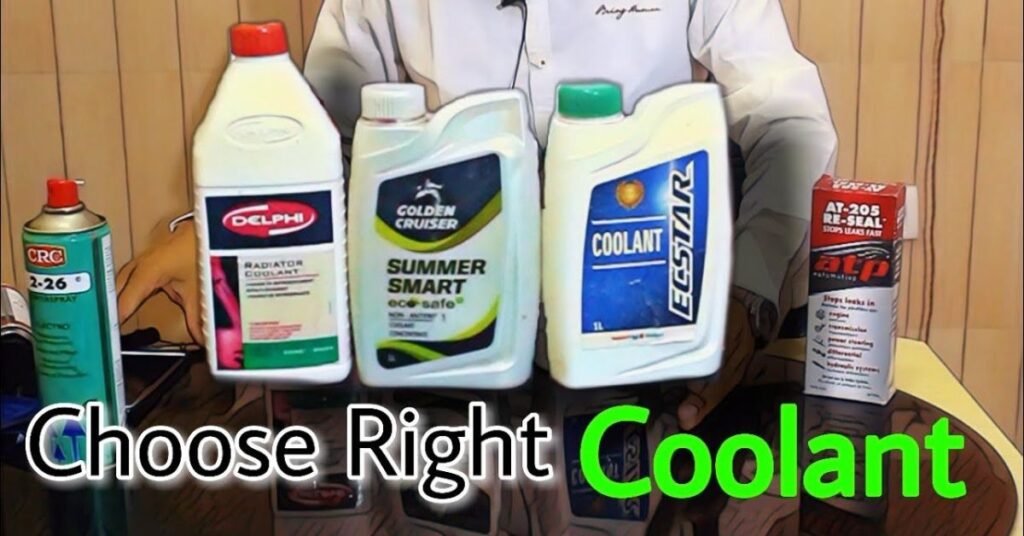
- Always check your vehicle’s owner manual for the recommended coolant type.
- Consider the engine material (aluminum, steel, or mixed metals) before choosing.
- Choose a coolant with the right lifespan for your driving habits.
- Look for corrosion inhibitors suitable for your engine type.
- Match the coolant formula, not just the color, to avoid damage.
- Buy from trusted brands or OEM-recommended products.
- Check temperature ratings to ensure protection in extreme heat or cold.
How to Read Your Owner’s Manual?
Your owner’s manual shows the exact coolant type your car needs. Always follow it to protect your engine and avoid damage.
Coolant Service Intervals and Maintenance Tips
- Check your coolant level regularly, at least once a month.
- Replace coolant according to your vehicle’s recommended interval.
- Flush the cooling system when switching coolant types.
- Inspect hoses, radiator, and clamps for leaks or cracks.
- Look for discoloration or debris in the coolant as a warning sign.
- Top up with the correct type, never mix different colors.
- Keep the radiator cap clean and secure for proper pressure.
- Schedule professional maintenance if unsure about coolant.
Conclusion
Blue antifreeze is more than just a colored liquid in your car. It keeps your engine safe from freezing, overheating, and corrosion. Using the right type ensures your engine runs smoothly and lasts longer.
Always follow your car manufacturer’s recommendations. Check the coolant type, service intervals, and never mix different colors. Understanding what blue antifreeze is helps protect your engine and avoid costly repairs.
FAQs
1: Is Blue Coolant Better Than Other Colors?
Blue coolant isn’t always better; it depends on your car’s engine and manufacturer specifications. Always use the type recommended in your manual.
2: What Happens If I Use the Wrong Coolant?
Using the wrong coolant can cause corrosion, overheating, and damage to engine parts. It may also void your vehicle warranty.
3: How Often Should You Change Blue Antifreeze?
Blue antifreeze usually lasts 5–10 years, but always follows your car manufacturer’s recommended interval. Regular checks help maintain engine safety.
4: Can I Mix Blue Antifreeze With Other Coolants?
No, mixing blue with green, red, or orange coolant can create sludge and damage the engine. Flush the system before switching types.
5: How Do I Check If My Blue Coolant Is Still Good?
Look for discoloration, debris, or low levels in the radiator or reservoir. A clean, bright blue color usually means it’s still effective.
