


Introduction:
Transmission fluid leak color is one of the easiest ways to understand what is happening inside your car’s transmission. Different colors can point to different conditions. Fresh fluid usually looks bright red or pink. Old or burnt fluid turns darker. By checking the color, you can get an early warning of trouble.
Many drivers ignore small spots under their car. They think it is just water or dirt. But the color of the leak can tell a bigger story. A simple color check can save you from expensive repairs. Knowing what each shade means helps you act fast and smart.
In this guide, you will learn how to recognize transmission fluid leak color step by step. We will match colors with possible problems. You will also learn when a leak is serious and when it is minor. This makes it easier to decide your next move
What Is Transmission Fluid & Why Color Matters
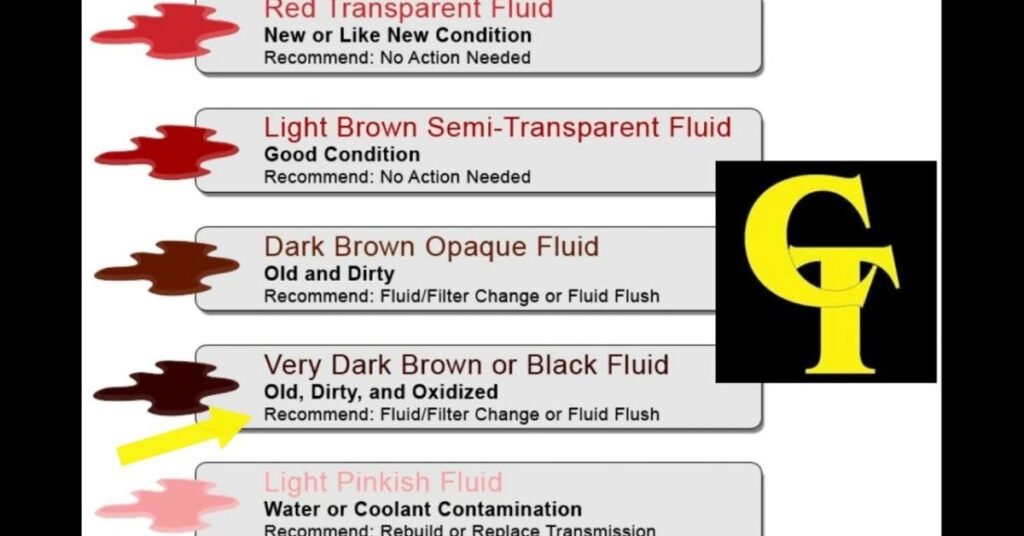
Transmission fluid is a special liquid that helps your car’s transmission work smoothly. It lubricates moving parts and reduces friction. It also helps control heat and keeps internal parts clean. Without it, the transmission can overheat and wear out quickly. That is why keeping the right fluid level and condition is very important.
Color matters because it shows the health of the fluid. Fresh transmission fluid is usually bright red or pink and clear. As it gets older, it turns darker and thicker. A brown or burnt-looking color can be a warning sign. By checking the color, you can spot problems early and avoid major damage.
Transmission Fluid Color Chart
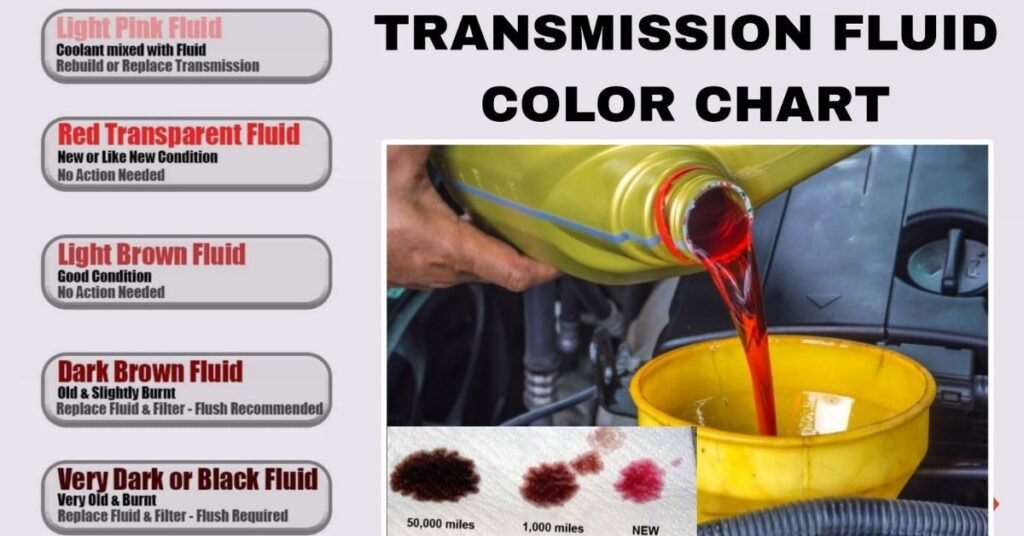
Transmission fluid color gives quick clues about the condition of your transmission. You do not always need tools to spot early warning signs. A simple look at the fluid on a dipstick or on the ground can help. Different shades often point to different stages of fluid life and possible problems.
A color chart makes this easier to understand at a glance. It helps car owners compare what they see with what it usually means. This is not a final diagnosis, but it is a strong first check. Use this chart as a basic guide before deciding on service or repair.
| Transmission Fluid Color | Fluid Condition | What It Usually Means | Possible Cause | What You Should Do |
| Bright Red | Fresh & healthy | Fluid is new and working well | Recently changed fluid | No action needed |
| Light Red | Good condition | Normal used fluid | Regular usage | Check again later |
| Pink | Mixed or diluted | Fluid may be mixed with coolant or water | Possible cooler leak | Get system checked soon |
| Red-Brown | Aging fluid | Fluid is losing strength | Old fluid | Plan a fluid change |
| Brown | Worn out | Lubrication quality reduced | Long service interval | Change fluid soon |
| Dark Brown | Very old fluid | Poor protection and heat control | Neglected maintenance | Service urgently |
| Dark Brown with particles | Contaminated | Internal wear may be happening | Clutch or gear wear | Mechanic inspection needed |
| Black | Burnt fluid | Overheating or severe wear | High heat damage | Immediate service required |
| Black with burnt smell | Critical condition | Transmission may be at risk | Burnt clutches | Do not delay repair |
| Milky or foamy | Aerated/contaminated | Air or coolant inside fluid | Leak or wrong fill | Professional check needed |
Bright Red or Dark Red Normal / Healthy Fluid
Bright red or dark red transmission fluid shows your fluid is in good shape. It means the transmission is lubricated and working well. This is the color you want to see during routine checks.
- Fluid is fresh or recently changed
- Smooth shifting and proper lubrication
- No unusual smell or particles
- Transmission is protected from wear and heat
Brown or Dark Brown Old / Degraded Fluid
Brown or dark brown fluid indicates aging or worn-out fluid. It has lost its lubricating power and may cause problems if ignored. This is a warning to plan a fluid change soon.
- Reduced protection for transmission parts
- Shifting may feel rough or delayed
- Fluid may have a burnt odor
- Regular maintenance is needed
Black or Burnt Fluid Serious Problem
Black or burnt fluid signals a major issue in your transmission. Overheating or severe wear can cause this. Immediate action is required to prevent expensive damage.
- Fluid has lost all lubrication
- High risk of transmission failure
- Strong burnt smell often present
- Visit a mechanic immediately
Light Pink or Milky Fluid Contamination
Light pink or milky fluid usually means coolant or water has mixed with transmission fluid. This can harm internal components if not addressed quickly.
- Fluid is diluted or aerated
- Transmission performance may drop
- Possible leaks in cooler or seals
- Professional inspection is highly recommended
How to Identify a Transmission Fluid Leak by Color & Location
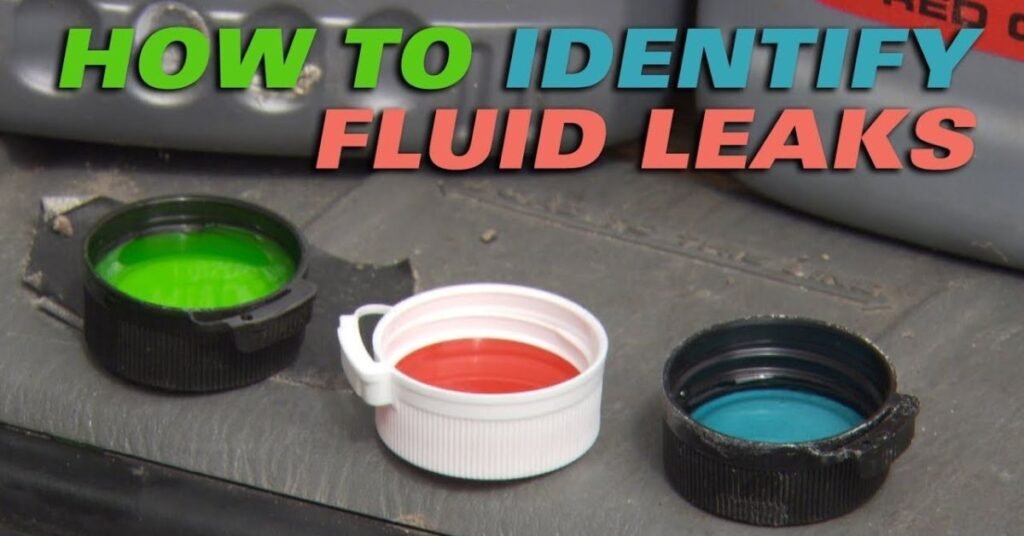
- Check under the car: Look for spots or puddles on your garage floor or driveway. Transmission fluid usually leaves bright red or dark red marks when fresh. Old fluid may appear brown or dark brown.
- Look at the dipstick: Pull out the transmission dipstick and check the fluid color. Healthy fluid is red, while burnt or contaminated fluid may be dark brown, black, or milky.
- Inspect the transmission pan and seals: Fluid often leaks from the pan gasket, seals, or cooler lines. Dark spots near these areas are signs of a leak.
- Trace the fluid path: Follow the drip to its source. The color can help you determine if it is transmission fluid or another car fluid like engine oil or coolant.
- Check transmission performance: Slipping gears, rough shifting, or delayed response can indicate a leak even if the puddle is small.
- Smell test: Transmission fluid has a slightly sweet or burnt smell. Burnt fluid indicates serious problems.
- Monitor fluid level: Low transmission fluid can confirm a leak. Compare the dipstick reading before and after driving.
- Look for milky or pink fluid: This can mean coolant contamination, which is a sign of a serious issue in the transmission cooler.
Common Misidentified Leaks Other Fluids with Similar Colors
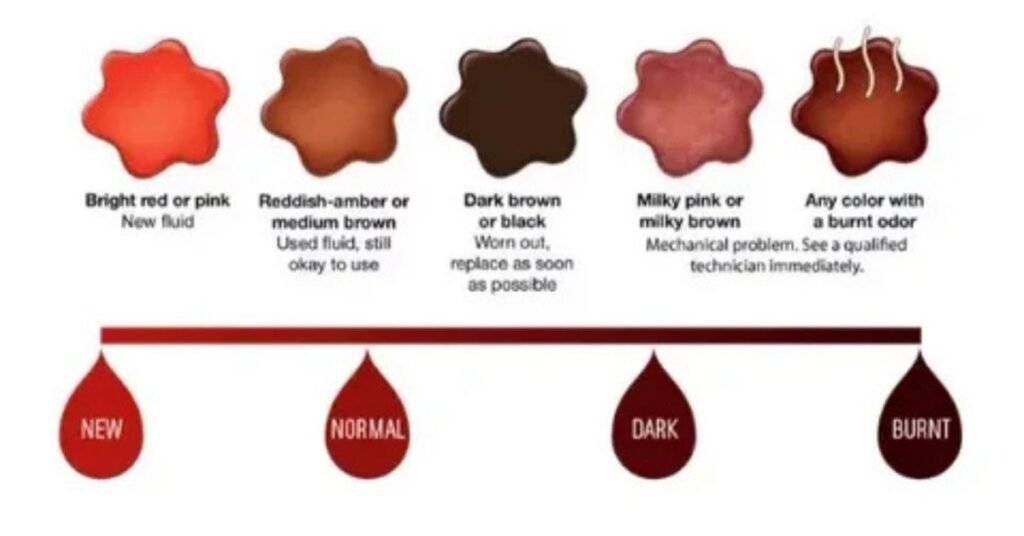
Not all colored leaks under your car are transmission fluid. Other fluids can look similar and confuse drivers. Engine oil, brake fluid, power steering fluid, and coolant sometimes mimic transmission fluid colors. Knowing the differences helps you avoid wrong diagnosis and costly mistakes.
Checking the fluid’s color, texture, smell, and location is key. Transmission fluid is usually red, smooth, and slightly sweet-smelling. Other fluids have different shades, textures, and scents. A clear comparison chart makes it easier to identify the true source.
| Fluid Type | Common Color | Texture | Smell | Common Leak Location | Key Difference from Transmission Fluid |
| Transmission Fluid | Bright Red / Dark Red | Smooth, oily | Slightly sweet | Under transmission, pan, or cooler lines | Red color and sweet smell; smooth consistency |
| Engine Oil | Amber / Dark Brown / Black | Thick, greasy | Slight petroleum smell | Under engine oil pan or filter | Darker, thicker, and heavier than transmission fluid |
| Brake Fluid | Clear / Light Yellow / Brown | Thin, oily | Slight chemical smell | Near brake lines or master cylinder | Thin and slippery; reacts strongly with water |
| Power Steering Fluid | Red / Light Pink / Brown | Oily, smooth | Slight petroleum smell | Near power steering pump or hoses | Similar red color, but usually near steering components |
| Coolant / Antifreeze | Green / Orange / Pink / Milky | Watery, slightly slippery | Sweet or chemical | Radiator, hoses, or under engine | Watery texture; milky or bright color distinguishes from transmission fluid |
| Water | Clear | Thin, watery | No smell | Under AC drain or condensation | Pure water evaporates quickly; no oiliness |
| Gear Oil (for differentials) | Dark Brown / Black | Very thick, greasy | Strong petroleum smell | Rear differential or axle seals | Much thicker and heavier than transmission fluid |
This chart helps you quickly rule out other fluids. Always check the source, color, and smell before deciding on repairs. Correct identification saves time, money, and prevents damage to your transmission.
What to Do If You Spot a Transmission Fluid Leak
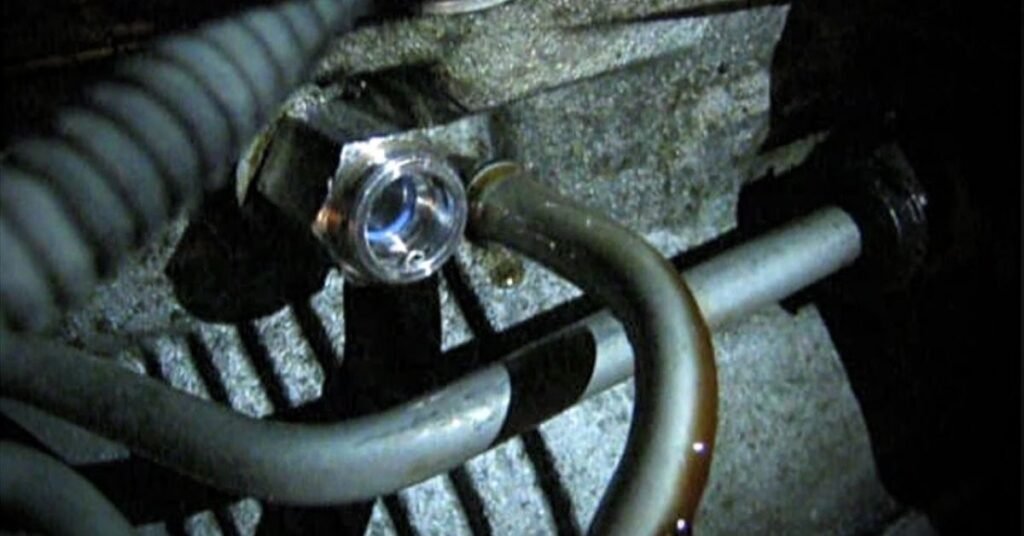
Spotting a transmission fluid leak early can save you a lot of trouble.It can lead to serious damage and costly repairs if ignored.. The first step is to confirm that the fluid is really from the transmission. Checking the color, location, and smell helps identify it correctly.
Once confirmed, act quickly to prevent further damage. Here are some steps you can follow:
- Check the fluid level: Use the dipstick to see if the fluid is low. Low fluid can cause slipping or rough shifting.
- Clean the area: Wipe the leak and surrounding area. This helps track if it spreads or worsens.
- Inspect for obvious damage: Look for loose bolts, cracked seals, or worn gaskets near the leak.
- Avoid driving long distances: Driving with low or contaminated fluid can severely damage your transmission.
- Use temporary measures if needed: Transmission stop-leak additives may slow minor leaks, but they are not a permanent fix.
- Contact a professional mechanic: A certified technician can diagnose and repair leaks properly.
- Schedule a fluid change if needed: Old or contaminated fluid should be replaced as part of the repair.
Acting fast and correctly can prevent small leaks from turning into major transmission problems. Checking regularly and addressing leaks early keeps your car running smoothly for longer.
Conclusion
Transmission fluid color is a simple way to check your car’s health. Bright red means your fluid is healthy. Dark, burnt, or milky colors show problems that need attention. Paying attention early can save money and prevent big repairs.
Regular checks, knowing the colors, and spotting leaks quickly keep your transmission safe. Always act fast if you see unusual colors or smells. A little care goes a long way in keeping your car running smoothly and reliably.
FAQs
1. What does bright red transmission fluid mean?
Bright red fluid is healthy and fresh. It shows the transmission is well-lubricated. No action is needed if the color is bright and clear.
2. Why is my transmission fluid brown or dark brown?
Brown or dark brown fluid is old or degraded. It loses lubrication power and can cause rough shifting. You should plan a fluid change soon.
3. Can I confuse transmission fluid with other car fluids?
Yes, other fluids like brake fluid, power steering fluid, or coolant can look similar. Check the color, location, and smell. This helps you identify the real source correctly.
4. What does milky or pink transmission fluid indicate?
Milky or pink fluid usually means contamination with coolant or water. This can damage internal parts quickly. A professional inspection is highly recommended.
5. What should I do if I see a transmission fluid leak?
First, check the fluid level and color. Avoid long drives and clean the area to monitor the leak. For proper diagnosis and repair, contact a mechanic.
.
