

Introduction
Cars are not complete without brakes. They help you stop safely and avoid accidents. Bad brakes can be dangerous if not noticed early. Symptoms of bad brakes show when something is wrong with your braking system.
Ignoring brake problems can lead to serious accidents. Many drivers do not realize the warning signs until it’s too late. Learning the symptoms of bad brakes early can keep you and others safe on the road.
In this guide, we will cover the most common signs of bad brakes. You will learn how to spot problems like strange noises, vibrations, or a soft brake pedal. Understanding these symptoms helps you take action before a small problem becomes a big one.
What Are the Symptoms of Bad Brakes?
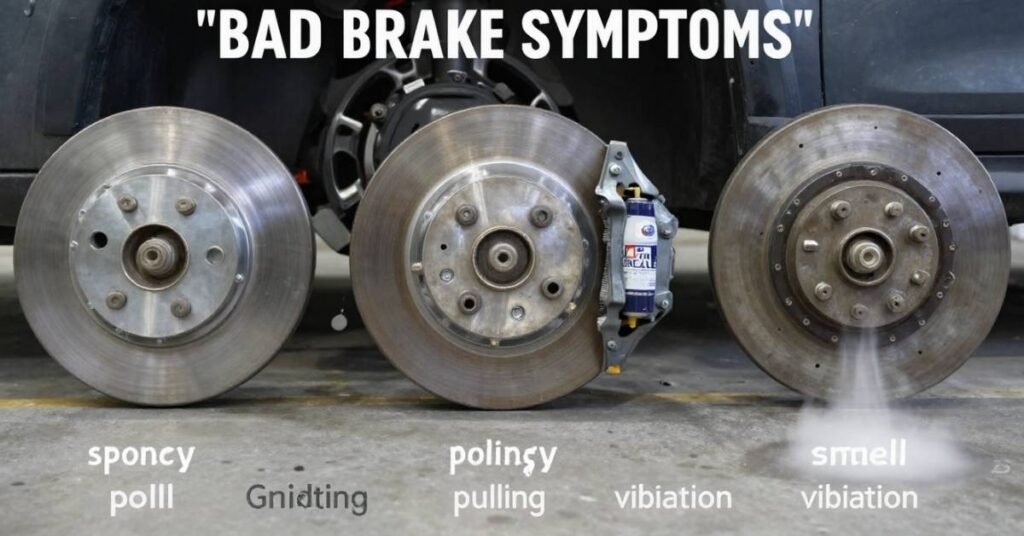
Brakes are essential for safe driving, and problems often show warning signs. Catching these early can prevent accidents and costly repairs. Issues may appear as unusual sounds, strange pedal behavior, or vibrations while driving. Paying attention to these signs can protect you and your passengers.
Here are some common symptoms to watch for:
- Squealing, grinding, or scraping noises when braking
- Brake pedal feels spongy or goes down too easily
- Car drifts to one side when stopping
- Shaking or pulsating when applying brakes
- Dashboard brake warning light turns on
Noises That Signal Bad Brakes
Your brakes can give you warnings long before a serious problem appears. Strange sounds while driving are like your car asking for attention. Ignoring these noises can lead to expensive repairs or even dangerous situations. Paying attention early can save you money and keep you safe.
Common brake noises to notice include:
- High-pitched squeal : usually from brake pads getting worn down
- Harsh grinding : means the pads may be completely gone and metal is rubbing
- Clicking or rattling : often caused by loose or damaged parts
- Hissing or unusual whoosh : could point to air or fluid issues in brake lines
Squealing or Screeching Sounds
Squealing or screeching sounds from your brakes are one of the most common warning signs. These noises usually happen when the brake pads are worn down. Ignoring them can cause damage to the brake system and increase repair costs.
Here is a table explaining possible causes and what to do:
| Sound Type | Possible Cause | What It Means | Recommended Action |
| High-pitched squeal | Worn brake pads | Pads are getting thin | Replace brake pads soon |
| Continuous screeching | Glazed pads or rotors | Pads or rotors overheated or damaged | Inspect and resurface or replace |
| Squeal only when cold | Moisture on pads | Normal in damp weather | Usually disappears after use |
| Squeal when braking hard | Loose hardware or worn clips | Pads may move or vibrate | Tighten or replace hardware |
Grinding or Metal-on-Metal Noise
Grinding or metal-on-metal sounds from your brakes are serious warning signs. This usually happens when the brake pads are completely worn out. Ignoring this noise can damage your rotors and lead to costly repairs.
Here is a table explaining the causes and what to do:
| Sound Type | Possible Cause | What It Means | Recommended Action |
| Loud grinding | Worn-out brake pads | Pads are gone; metal is rubbing | Replace brake pads immediately |
| Continuous metal scraping | Damaged rotor | Rotor surface is scored or damaged | Resurface or replace the rotor |
| Grinding when braking hard | Debris stuck in brakes | Foreign object causing friction | Remove debris and inspect brakes |
| Intermittent grinding | Loose brake components | Parts may move or vibrate | Tighten or replace hardware |
Brake Pedal Problems
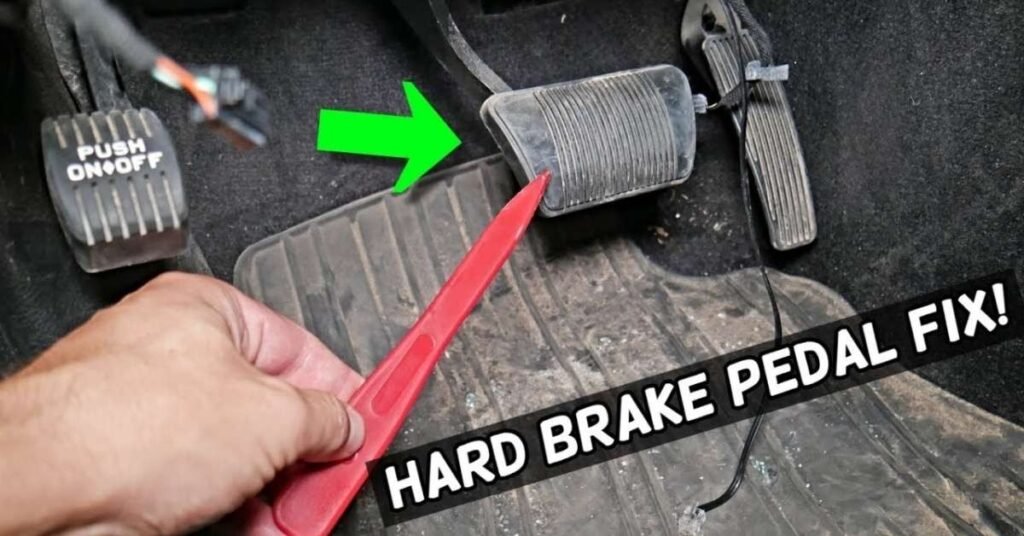
The brake pedal can show early signs of trouble in your braking system. It may feel soft, sink too easily, or require extra force to press. These problems make stopping harder and can be dangerous if ignored.
Some common issues include a spongy pedal, a pedal that goes to the floor, or one that vibrates when pressed. Noticing these signs early can help you fix the problem before it becomes serious.
Soft or Spongy Brake Pedal
A soft or spongy brake pedal is a common sign of brake problems. When you press the pedal, it may feel squishy or go down too far. This can happen if there is air in the brake lines. Low brake fluid can also cause this issue. Sometimes, worn brake parts are the reason.
It is important to fix a soft brake pedal quickly. Driving with this problem is dangerous. A mechanic can check the brake fluid, brake lines, and calipers. Bleeding the brakes may solve the problem. Regular maintenance helps prevent this issue.
| Possible Cause | Signs & Symptoms | Solution |
| Air in brake lines | Pedal feels soft or goes down too far | Bleed brakes |
| Low brake fluid | Pedal is spongy, warning light may show | Refill fluid, check for leaks |
| Worn brake pads or shoes | Poor braking, longer stopping distance | Replace pads/shoes |
| Brake line leak | Fluid under car, soft pedal | Repair or replace brake lines |
| Faulty master cylinder | Pedal sinks to the floor | Replace master cylinder |
Brake Pedal Sinks to the Floor
If your brake pedal suddenly drops to the floor, it signals a major brake problem. This means your braking system is not working as it should. The issue can develop slowly over time or happen all at once. The most common reasons are a leak in the brake lines, a failing master cylinder, or very low brake fluid. Any of these problems can cause the pedal to go down completely when pressed.
Ignoring a sinking brake pedal is extremely risky. Your car may take longer to stop or fail to stop at all, putting you and others in danger. You should immediately check the brake fluid level and inspect the system for leaks. A mechanic can carefully examine the master cylinder, calipers, and brake lines to pinpoint the problem. Getting it repaired quickly can prevent accidents and keep your vehicle safe to drive.
Vibrations or Shaking When Braking
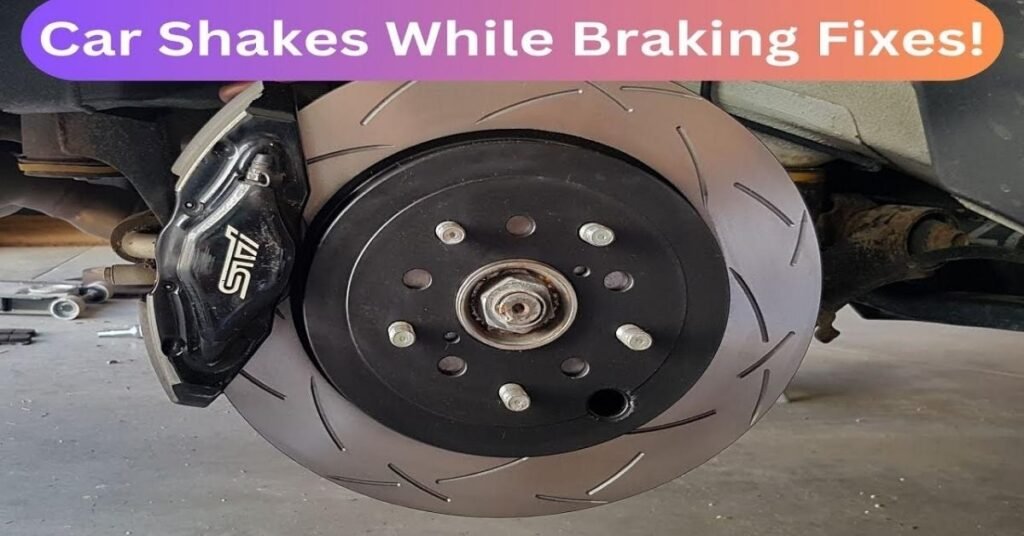
If your car shakes or vibrates when you press the brakes, it is a warning sign. This usually happens when the brake rotors are uneven or warped. Sometimes, worn brake pads or loose parts in the braking system can also cause shaking. The vibrations may feel in the brake pedal, steering wheel, or even the whole car. Ignoring this problem can make braking less effective and unsafe.
It is important to check the brakes immediately if you notice shaking. A mechanic can inspect the rotors, pads, and other brake parts. Fixing the problem early can save money and prevent accidents. Below is a table showing common causes and signs of brake vibrations:
| Cause of Vibration | Signs to Notice | Possible Fixes |
| Warped Brake Rotors | Shaking in pedal or steering wheel | Resurface or replace rotors |
| Worn Brake Pads | Squealing or grinding noise | Replace brake pads |
| Loose Wheel Bearings | Vibration increases at higher speed | Tighten or replace bearings |
| Uneven Tire Wear | Car shakes when braking | Rotate or replace tires |
| Suspension Issues | Vibration in the whole car | Inspect and repair suspension parts |
Brake Warning Lights on Dashboard
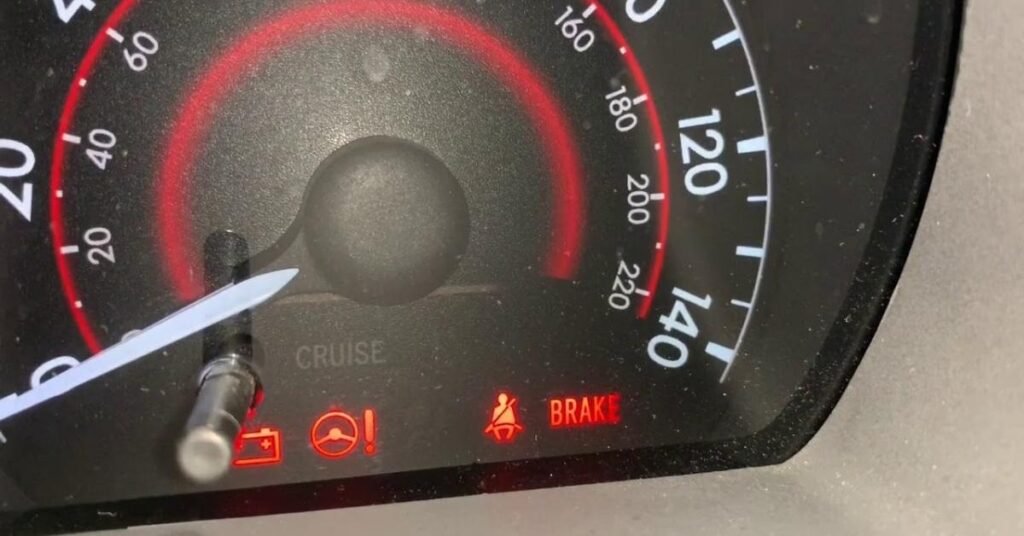
When a brake warning light appears on your dashboard, it should not be ignored. This light is a sign that something is wrong with your braking system. It can indicate low brake fluid, worn brake pads, or a problem with the brake system itself. Sometimes, it may be triggered by the parking brake being engaged or a sensor issue.
If the brake light comes on, check the following:
- Brake fluid level in the reservoir
- Parking brake position
- Condition of brake pads
- Any visible leaks in brake lines
- Dashboard sensor warnings
Car Pulls to One Side While Braking
If your car pulls to one side when you press the brakes, it is a serious sign of a brake problem. This can happen if the brake pads or calipers on one side are worn or sticking. Uneven tire pressure or suspension issues can also cause the car to pull. Driving like this is dangerous because it reduces control and increases the risk of an accident.
You should check your brakes immediately if the car pulls to one side. A mechanic can inspect the brake pads, calipers, and brake lines. They will also check tire pressure and suspension parts. Fixing the problem quickly ensures safe braking and better control of your car.
Burning Smell, Smoke, or Brake Fade
A burning smell or smoke from your brakes is a serious warning. It usually happens when brakes get too hot. This can be caused by dragging brake pads, heavy braking, or worn-out components. Brake fade is when the brakes feel weak or less responsive. Driving with brake fade is dangerous because the car may not stop properly.
If you notice these signs, check the brakes immediately. A mechanic can inspect pads, rotors, and brake fluid. Below is a table showing common causes, signs, and solutions:
| Cause | Signs to Notice | Possible Fixes |
| Overheated Brake Pads | Burning smell, smoke, weak brakes | Replace pads, avoid heavy braking |
| Worn Brake Pads | Squealing, reduced stopping power | Replace brake pads |
| Sticking Brake Calipers | Smell of burning, uneven wear | Clean or replace calipers |
| Low or Old Brake Fluid | Soft pedal, fading brakes | Refill or replace brake fluid |
| Driving Downhill Too Fast | Fading brakes, smell of heat | Use engine braking, check brakes |
Longer Stopping Distance or Reduced Braking Power
If your car takes longer to stop than usual, it is a serious problem. This means the brakes are losing their effectiveness. Reduced braking power can happen due to worn brake pads, low brake fluid, or air in the brake lines. Driving like this is dangerous because it increases the risk of accidents.
It is important to check the braking system immediately. A mechanic can inspect brake pads, rotors, brake fluid, and lines. Below is a table showing common causes, signs, and solutions:
| Cause | Signs to Notice | Possible Fixes |
| Worn Brake Pads | Longer stopping distance, squealing | Replace brake pads |
| Low Brake Fluid | Soft pedal, reduced braking power | Refill brake fluid, check for leaks |
| Air in Brake Lines | Spongy pedal, slow response | Bleed the brakes |
| Worn or Warped Rotors | Vibration, uneven braking | Resurface or replace rotors |
| Faulty Master Cylinder | Pedal sinks, reduced braking force | Repair or replace master cylinder |
Conclusion
One of the most important parts of your car is the brakes. They keep you safe on the road. Any signs of trouble, like soft pedals, vibrations, or warning lights, should never be ignored.
Regular brake maintenance is key. Checking brake fluid, pads, rotors, and lines helps prevent problems. Even small issues can become dangerous if left unattended.
If you notice any brake problems, get them checked by a mechanic immediately. It is possible to prevent accidents and save lives by taking quick action. Safe brakes mean a safer drive for you and everyone on the road.
FAQs
1. Why does my brake pedal feel soft or spongy?
A soft or spongy brake pedal usually means there is air in the brake lines or low brake fluid. It can also indicate a worn master cylinder. Check fluid levels and have a mechanic inspect the system.
2. What causes my car to shake when braking?
Shaking or vibrations when braking are often caused by warped brake rotors or uneven brake pads. Worn suspension parts or tire issues can also contribute.
3. Why is the brake warning light on my dashboard?
The brake warning light can indicate low brake fluid, worn pads, or a problem in the braking system. Sometimes it comes on if the parking brake is engaged.
4. What does it mean if my car pulls to one side when braking?
If your car pulls to one side, it may be due to worn or sticking brake pads or calipers. Uneven tire pressure or suspension issues can also cause this problem.
5. What should I do if I smell burning from my brakes?
A burning smell or smoke from brakes indicates overheating or worn components. Stop driving, let the brakes cool, and have a mechanic inspect pads, rotors, and calipers immediately.
