

Introduction:
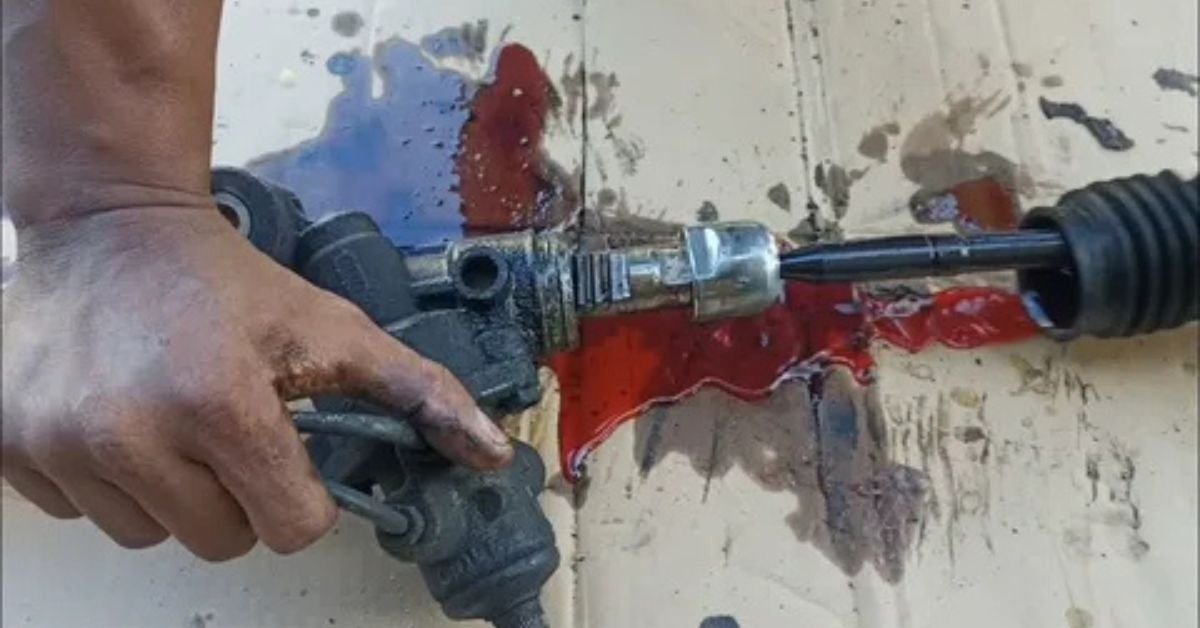
A steering rack oil leak happens when the power steering fluid escapes from the steering system. This fluid helps your car turn smoothly. If it leaks, steering can feel hard or noisy, and it may damage other parts of your car.
Many drivers don’t notice the leak at first. You might see puddles under the car or hear strange sounds when turning. Ignoring it can lead to bigger problems. Knowing the signs early can save you money and keep you safe on the road.
In this guide, we will explain the common causes of steering rack oil leaks. You will also learn how to diagnose the problem, repair it, and prevent future leaks. By the end, you’ll know what steps to take if your steering starts acting up.
What Is a Steering Rack Oil Leak?
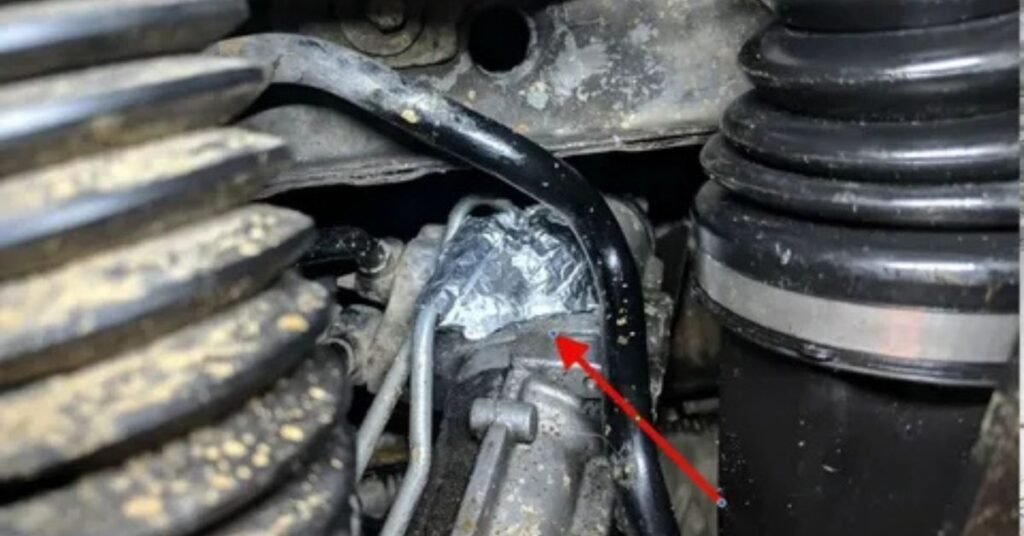
A steering rack oil leak occurs when power steering fluid escapes from the steering rack, the part of your car that helps the wheels turn smoothly. This fluid is essential for easy and safe steering. When it leaks, your steering may feel heavy, uneven, or make unusual noises. Even a small leak can gradually damage the system and affect how your car handles. Noticing the problem early can save you from costly repairs and keep your driving safe and comfortable.
Common Causes of Steering Rack Oil Leaks
Several things can cause your steering rack to start leaking fluid. Most problems are easy to spot if you know what to look for.
- Worn Seals and O-Rings Over time, seals inside the steering rack can wear out and allow fluid to escape.
- Damaged Hoses and Lines Power steering hoses may crack or loosen, causing leaks.
- Corrosion or Rust Moisture and road salt can corrode the steering rack, creating holes.
- Impact or Accident Damage Hitting curbs, potholes, or minor accidents can damage the rack.
Worn Seals and ORings
One of the most common reasons for a steering rack oil leak is worn seals or O‑rings. These small parts keep the power steering fluid inside the system. A crack, shrinkage, or loss of flexibility can occur over time.. When that happens, fluid starts to leak, making steering harder and noisy.
Signs of worn seals or O‑rings include:
- Fluid dripping under the car near the steering rack.
- Steering feels stiff or jerky when turning.
- Unusual whining or groaning sounds while driving.
- Needing to top up power steering fluid more often than usual.
- Old Age and High Mileage Steering racks naturally wear out as the car gets older.
Damaged Power Steering Lines and Hoses
Power steering lines and hoses carry the fluid from the pump to the steering rack. If they get damaged, cracked, or loose, fluid can leak out. This makes steering harder and can cause strange noises when turning. Damage can happen from heat, pressure, or bending of the hoses over time.
Even small leaks in these lines can cause serious problems. The fluid level may drop quickly, which can harm the power steering pump. Replacing damaged hoses early can save you from bigger repairs and keep your steering smooth and safe.
Corrosion, Impact Damage, and Age‑Related Wear
Corrosion happens when moisture, road salt, or dirt eats away at the metal parts of the steering rack. This can create tiny holes where fluid starts to leak. Impact damage from potholes, curbs, or minor accidents can also bend or crack the rack, causing leaks.
Age-related wear is natural. Over many miles, seals, metal parts, and hoses slowly weaken. Even without accidents, older steering racks are more likely to develop leaks. Regular checks and maintenance can help prevent serious problems and keep your car safe.
Symptoms of a Leaking Steering Rack
- Steering feels heavy, stiff, or jerky.
- Unusual whining, groaning, or squealing noises when turning.
- Fluid spots or puddles under the front of the car.
- Frequent need to top up power steering fluid.
- Steering may pull to one side or feel uneven.
- Vibrations in the steering wheel while driving.
Fluid Spots or Puddles Underneath Your Vehicle
If you see small puddles or wet spots under your car, it could be a sign of a steering rack oil leak. The fluid usually drips near the front wheels. Even a tiny spot means the system is losing power steering fluid. Catching it early can prevent bigger problems.
Stiff or Heavy Steering Feel
When your steering feels hard or heavy, your power steering system might not have enough fluid. A leaking steering rack can cause this problem. Turning the wheel becomes more difficult, especially at low speeds. This is a clear sign that something needs attention.
Whining, Groaning, or Abnormal Noises When Turning
Strange sounds while turning are a warning sign. You might hear whining, groaning, or squealing noises. These sounds happen because the steering rack is low on fluid or damaged. Ignoring these noises can lead to more serious steering issues.
Frequent Power Steering Fluid Top‑Ups
If you are refilling power steering fluid often, there is likely a leak. A healthy system should not lose fluid quickly. Frequent top-ups mean the fluid is escaping somewhere, usually from the steering rack. Fixing the leak early saves money and keeps your car safe.
How to Diagnose a Steering Rack Oil Leak
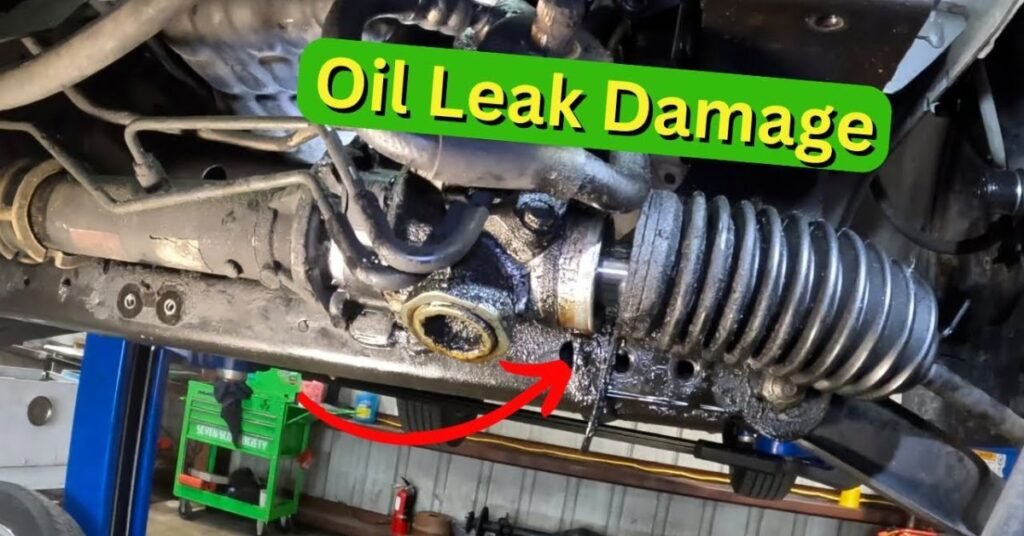
Diagnosing a steering rack oil leak is easier than many drivers think. Check the level of the power steering fluid first.. Low fluid can indicate a leak. Look under the car for wet spots near the front wheels. Inspect hoses, seals, and connections for cracks or damage.
Next, pay attention to how the steering feels. If it is stiff, heavy, or makes unusual noises, the steering rack might be leaking. You can also turn the wheels slowly while the engine is running and watch for fluid dripping from the rack. Early diagnosis helps prevent bigger problems and keeps driving safe.
Steering Rack Oil Leak Repair Options: DIY vs Professional
Fixing a steering rack oil leak can be done in two main ways: by yourself or by a professional mechanic. Small leaks from worn seals or loose hoses can sometimes be repaired at home. DIY repairs are cheaper but require the right tools and some experience.
For bigger leaks, damaged racks, or worn-out parts, it is safer to go to a professional. Mechanics have the skills and tools to replace parts properly. Choosing the right option depends on the severity of the leak, your skills, and your budget.
DIY vs Professional Repair Comparison
| Repair Option | Suitable For | Pros | Cons | Estimated Cost (USD) | Time Required |
| DIY Repair | Small leaks, worn seals, loose hoses | Cheaper, quick fixes, learn skills | Risky if done wrong, requires tools | $50–$150 | 1–3 hours |
| Professional Mechanic | Severe leaks, damaged rack, full replacement | Safe, guaranteed, proper tools | Expensive, wait time at shop | $300–$800 | 2–6 hours |
| Seal Replacement Only | Minor leaks from O-rings or seals | Low cost, prevents major damage | Limited to small leaks | $40–$120 | 1–2 hours |
| Full Rack Replacement | Old, corroded, or heavily damaged rack | Solves problem completely | High cost, complex job | $400–$900 | 3–6 hours |
| Hose or Line Replacement | Cracked or damaged hoses | Affordable, easy for small leaks | Only fixes hose-related leaks | $50–$200 | 1–2 hours |
When You Can Fix It Yourself
You can fix a steering rack oil leak at home if the problem is small. Leaks from worn seals or loose hoses are usually manageable. Simple tasks like tightening connections or replacing O-rings can be done with basic tools.
DIY repair saves money and is faster than going to a shop. However, you must know what you are doing. Check your work and follow safety precautions at all times.. If the leak continues, it may need professional help.
When You Need a Mechanic or Rack Replacement
Some leaks are too big for DIY repairs. If the steering rack is corroded, damaged, or heavily worn, it requires a professional. Mechanics have the tools and experience to replace parts correctly.
Trying to fix a serious leak yourself can be risky. Wrong repairs may damage the steering system further. A mechanic ensures the car is safe to drive. It may cost more, but it prevents bigger problems later.
Cost to Fix a Steering Rack Oil Leak in the USA
The cost to fix a steering rack oil leak depends on the type of repair needed. Minor leaks, like replacing seals or hoses, are cheaper. Major repairs, like a full rack replacement, are more expensive. Labor costs can also vary depending on your city or the mechanic.
Knowing the average costs helps you plan and avoid surprises. It also helps you decide whether DIY repair is possible or professional help is required. Here’s a detailed table showing typical repair costs in the USA:
Steering Rack Oil Leak Repair Costs in the USA
| Repair Type | Parts Cost (USD) | Labor Cost (USD) | Total Cost (USD) | Time Required |
| Seal or O-Ring Replacement | $30–$70 | $50–$100 | $80–$170 | 1–2 hours |
| Hose or Line Replacement | $40–$100 | $50–$120 | $90–$220 | 1–2 hours |
| DIY Minor Leak Fix | $20–$50 | N/A | $20–$50 | 1–3 hours |
| Partial Rack Repair | $100–$200 | $150–$250 | $250–$450 | 2–3 hours |
| Full Rack Replacement | $200–$400 | $200–$500 | $400–$900 | 3–6 hours |
| Power Steering Pump Replacement (if needed) | $150–$300 | $100–$250 | $250–$550 | 2–4 hours |
Can You Drive With a Steering Rack Leak? Safety Risks Explained
Driving with a steering rack leak is not safe for long periods. At first, the problem may seem small. The car may still move normally. But as the fluid level drops, steering becomes harder and less responsive. This can make turning difficult, especially at low speeds.
Ignoring the leak can lead to serious damage and safety risks. The power steering system may fail completely. This can increase the chance of losing control while driving. It is always better to fix the problem early to avoid expensive repairs and unsafe situations.
Safety risks of driving with a steering rack leak:
- Sudden loss of power steering assist
- Hard or stiff steering while turning
- Increased risk of accidents
- Damage to the power steering pump
- Higher repair costs if ignored
Preventing Steering Rack Oil Leaks: Maintenance Tips
- Check power steering fluid level regularly to catch leaks early.
- Inspect under your car for wet spots near the front wheels.
- Replace worn seals, O-rings, and hoses before they fail.
- Avoid hitting curbs and deep potholes to protect the steering rack.
- Clean dirt and road salt from the undercarriage to prevent corrosion.
- Follow your vehicle’s recommended maintenance schedule.
- Make sure you use the right power steering fluid for your vehicle.
- Fix small leaks immediately to avoid major repairs later.
Conclusion
A steering rack oil leak may start as a small problem, but it can quickly become serious if ignored. The steering system depends on clean and enough power steering fluid to work smoothly. When fluid leaks, steering can feel heavy, noisy, or unsafe. Noticing the early signs like puddles, strange sounds, or stiff steering can help you act fast. Fixing the issue early protects your car and keeps you safe on the road.
Understanding the causes, symptoms, repair options, and costs helps you make smart decisions. Some small leaks can be fixed at home, but major damage needs a professional mechanic. Regular maintenance and fluid checks can prevent future leaks and expensive repairs. Taking care of your steering system means better control, safer driving, and peace of mind every time you turn the wheel.
FAQs
1. What causes a steering rack oil leak?
A steering rack oil leak usually happens because of worn seals, damaged hoses, or corrosion. Heat and pressure weaken these parts over time.. Small cracks allow power steering fluid to escape from the system.
2. How do I know if my steering rack is leaking?
You may see fluid spots under the front of your car. The steering can feel stiff or make whining noises when turning. Frequent power steering fluid top-ups are also a common sign of a leak.
3. Is it safe to drive with a steering rack oil leak?
It is not safe to drive for long with a leak. Low fluid can cause hard steering and sudden loss of control. Ignoring the issue may also damage the power steering pump and increase repair costs.
4. How much does it cost to fix a steering rack oil leak?
The cost depends on the repair type. Minor fixes like seal replacement are cheaper, while full rack replacement is more expensive. On average, repairs in the USA can range from a few hundred to several hundred dollars.
5. Can I fix a steering rack oil leak myself?
Small leaks from loose hoses or worn seals can sometimes be fixed at home. You need proper tools and basic mechanical knowledge. Major leaks or rack damage should always be handled by a professional mechanic.
