

Introduction:
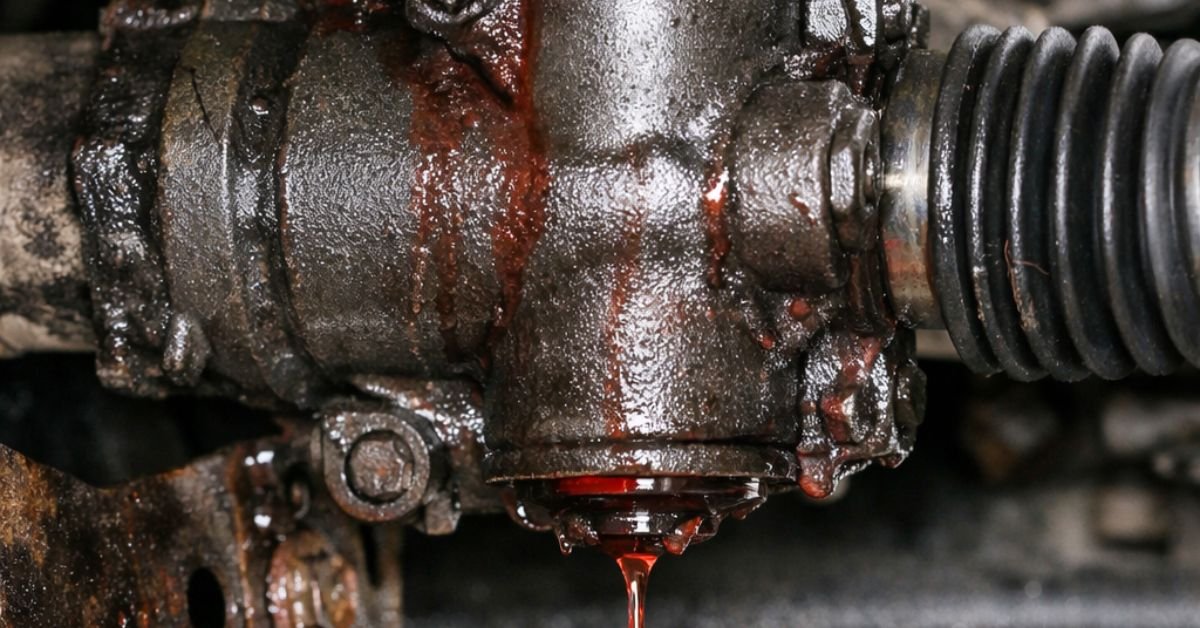
A power steering gear leak occurs when the fluid that helps your steering system work properly starts to escape from the steering gear or rack. This fluid is essential for making your steering wheel easy to turn and your driving smooth. Without it, your steering can feel heavy, unresponsive, or even dangerous over time.
You might notice a puddle of fluid under your car or hear strange noises when turning the wheel. These are warning signs of a power steering gear leak. Ignoring them can lead to bigger problems and expensive repairs, making it important to act quickly.
In this article, we’ll explore the main causes of a power steering gear leak, the common symptoms to watch for, and the most effective ways to fix it. Understanding these points will help you maintain your car, save money, and stay safe on the road.
What Is a Power Steering Gear Leak?
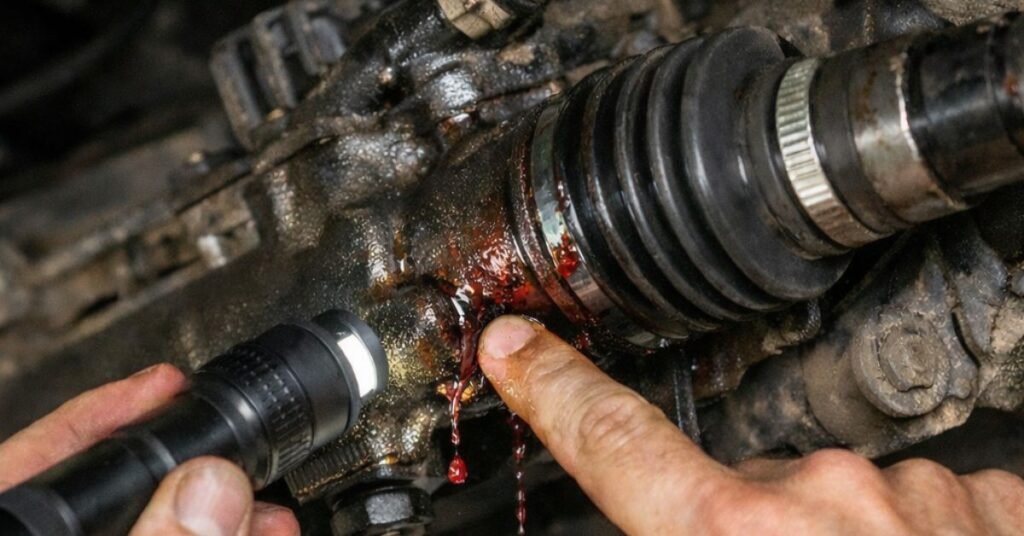
A power steering gear leak is a problem that happens when the fluid in your car’s steering system starts escaping from the steering gear or rack. This fluid is very important because it makes turning the steering wheel smooth and easy. When the fluid leaks, the steering can feel stiff or heavy, making it harder to control the car. Over time, if the leak is not fixed, it can cause serious damage to the steering system and other parts of the vehicle. Leaks usually occur due to worn-out seals, cracks in the gear, or loose connections. You might notice puddles of fluid under your car, a whining noise when turning, or difficulty in steering. Understanding what a power steering gear leak is can help you identify the problem early and avoid expensive repairs.
Difference Between Power Steering Gear and Rack & Pinion
The power steering gear and rack & pinion are both parts of a car’s steering system, but they work in different ways.Power steering gear uses a set of gears to turn the wheels, while rack and pinion uses a straight bar (rack) and a small gear (pinion). to move the wheels. Both make steering easier, but the mechanisms are different, and each has its own advantages.
Here are some main differences:
- Power Steering Gear: Uses a gear system, usually in older or larger vehicles. It handles heavy loads well.
- Rack & Pinion: Uses a rack and small pinion gear, common in modern cars. It provides more precise steering.
- Steering Feel: Rack & pinion feels lighter and more responsive, while power steering gear can feel heavier but stronger.
Knowing these differences helps you understand your car better and detect steering problems early.
How the Gearbox Fits Into Your Steering System
The gearbox is an important part of your car’s steering system. It connects the steering wheel to the wheels. When you turn the wheel, the gearbox transfers that movement to the wheels, making them turn. It also multiplies your effort, so you don’t have to push too hard to steer. Without the gearbox, steering would be very difficult and unsafe.
The gearbox works with other parts like the power steering pump, rack & pinion, and tie rods. It helps the steering feel smooth and controlled. If the gearbox leaks or wears out, steering can feel heavy or jerky. Checking the gearbox regularly can prevent bigger problems and keep your car safe on the road.
Common Causes of Power Steering Gear Leaks
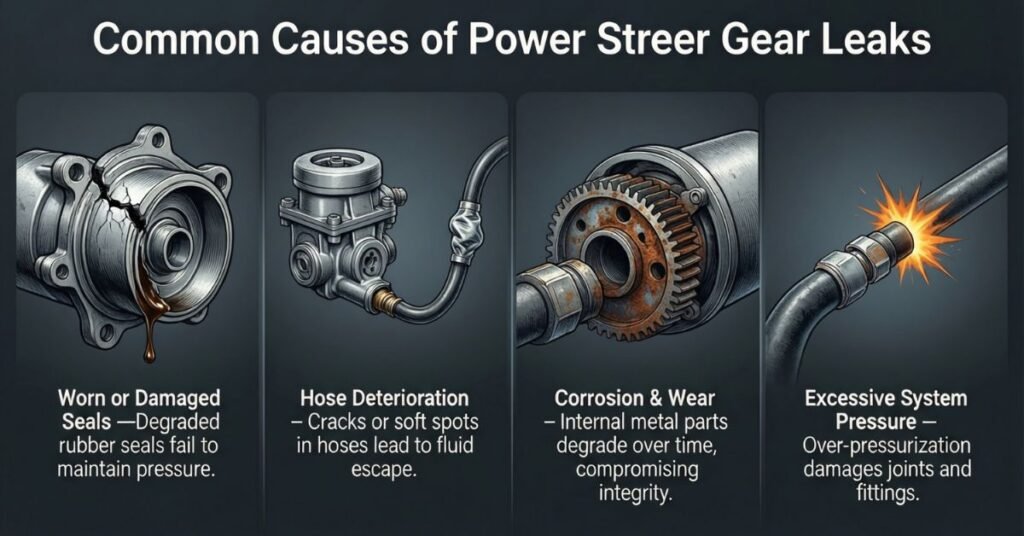
Power steering gear leaks happen when the fluid escapes from the steering system. This can make the steering feel heavy and can damage other parts if ignored. Knowing the causes can help you fix the problem early and avoid costly repairs.
Some common causes include:
- Worn-out Seals: Over time, seals inside the gearbox can wear out and start leaking.
- Cracks in the Gearbox: Physical damage or corrosion can create cracks where fluid escapes.
- Loose Connections: Hoses or fittings that are not tight can cause leaks.
- Old or Contaminated Fluid: Dirty fluid can wear down parts and lead to leaks.
By understanding these causes, you can check your steering system regularly and keep your car safe on the road.
Worn or Damaged Gearbox Seals
The gearbox seals in your steering system keep the power steering fluid inside. Over time, these seals can wear out or get damaged. When that happens, fluid starts leaking. This can make steering feel heavy or jerky and may lead to more serious problems if not fixed.
Damaged seals often happen due to age, heat, or contaminated fluid. You might notice small puddles under your car or a drop in fluid levels. Replacing worn or damaged seals early can prevent bigger repairs and keep your steering smooth and safe.
Aging O-Rings and Gaskets in the Steering Gear
- O-rings and gaskets in the steering gear help keep power steering fluid sealed inside.
- Over time, these parts can harden, crack, or shrink, causing leaks.
- Old or worn O-rings reduce the efficiency of the steering system.
- Leaking gaskets can make the steering feel stiff or uneven.
- Regular inspection can help spot worn O-rings and gaskets before they cause bigger problems.
- Replacing aging O-rings and gaskets keeps your steering smooth and prevents costly repairs.
Loose Fittings and Connections Around the Gearbox
- Hoses and fittings around the gearbox connect the power steering system.
- If these connections become loose, fluid can leak out.
- Loose connections can make the steering feel soft or uneven.
- You might see fluid dripping under the car or hear whining noises when turning.
- Tightening or replacing loose fittings can stop leaks quickly.
- Regular checks help prevent bigger steering problems and keep your car safe.
Hoses and Pressure Line Failures Near the Steering Gear
- Hoses and pressure lines carry power steering fluid to and from the gearbox.
- Over time, these hoses can crack, leak, or burst under pressure.
- A failing hose can cause sudden fluid loss and make steering heavy.
- Pressure line problems can also create noises when turning the wheel.
- Regular inspection helps spot worn or damaged hoses early.
- Replacing failing hoses and pressure lines keeps the steering system safe and smooth.
External Environmental and Wear Factors
The power steering system can be affected by outside conditions and general wear over time. Dirt, dust, and road debris can build up around the gearbox. This can cause seals and components to wear faster and start leaking. Harsh weather, like extreme heat or cold, can also weaken parts and reduce their lifespan.
Regular driving naturally wears out steering parts. Older cars are more likely to develop leaks due to long-term use. Checking the gearbox and surrounding components often can help catch problems early. Protecting your steering system from harsh conditions and wear keeps your car safe and steering smooth.
Signs You Have a Power Steering Gear Leak
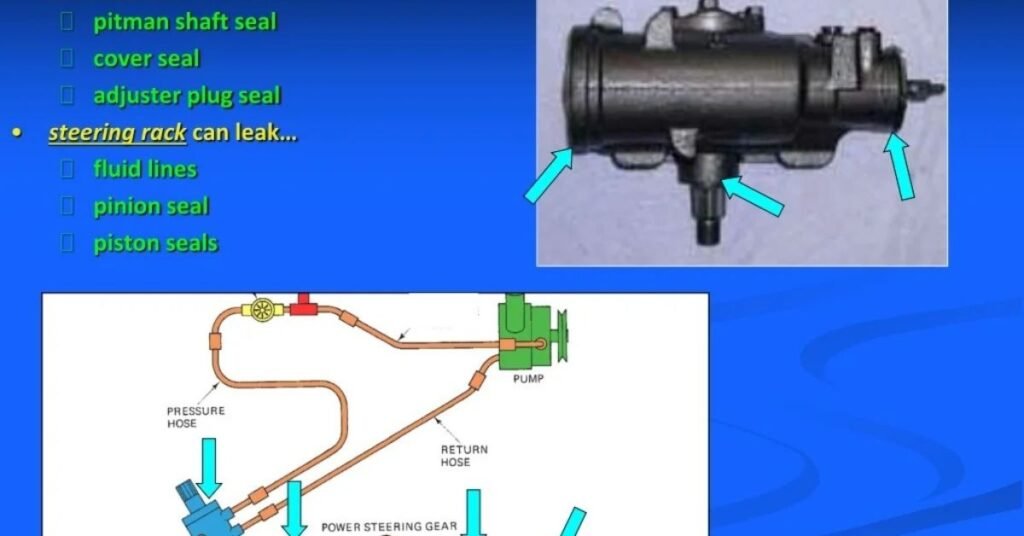
- One of the first signs is fluid puddles under your car, usually reddish or light brown.
- Steering may feel heavy, stiff, or harder to turn than usual.
- You might hear whining or groaning noises when turning the wheel.
- The steering wheel can feel jerky or uneven while driving.
- Low power steering fluid levels can also indicate a leak in the gearbox.
Noticing these signs early is important. Ignoring a power steering gear leak can lead to bigger damage. Regular checks and timely repairs keep your steering smooth and your car safe on the road.
Fluid Puddles Under the Steering Rack or Gearbox
- Seeing fluid puddles under your car is a clear sign of a power steering gear leak.
- The fluid is usually red, pink, or light brown.
- Puddles often appear near the front of the car, under the steering rack or gearbox.
- Leaks can happen from worn seals, damaged hoses, or loose connections.
- Ignoring puddles can cause low fluid levels and steering problems.
If you notice puddles, check the source immediately. Fixing the leak early keeps the steering smooth and prevents costly damage. Regular inspections can help you catch leaks before they get worse.
Difficulty Turning the Wheel / Heavy Steering
When the steering wheel feels hard to turn, it is often a sign of a power steering problem. A leak in the steering gear can cause low fluid levels. Low fluid means the system cannot build enough pressure. This makes the wheel feel stiff, especially at low speeds or while parking. You may notice the problem more when the engine is cold.
Heavy steering can get worse if the leak is ignored. The steering pump may start to struggle and wear out. Turning the wheel may feel slow or uneven. In some cases, the wheel may feel heavy only in one direction. Fixing the leak early helps keep steering smooth and safe.
Whining, Grinding or Squealing Noises When Steering
When you turn the steering wheel and hear a whining sound, it is often a warning sign. This noise usually means the power steering fluid is low. Air may be trapped in the system. The pump then struggles to work smoothly. The sound can get louder when turning at low speeds or while parking.
Grinding or squealing noises are more serious and should not be ignored. These sounds may come from a failing power steering pump or worn internal parts. Old or contaminated fluid can also cause noise. If the problem continues, it can lead to steering damage and higher repair costs.
Common causes of steering noises include:
- Low or leaking power steering fluid
- Air trapped in the steering system
- Worn or damaged power steering pump
- Old, dirty, or incorrect steering fluid
- Loose or damaged belts connected to the pump
Low Power Steering Fluid Levels & Dashboard Alerts
Low power steering fluid is a common problem in many vehicles. It usually happens because of a leak in the system. When fluid levels drop, steering becomes harder. The wheel may feel stiff or heavy, especially at low speeds or while turning.
Many modern cars show a warning light or message on the dashboard. This alert tells you the fluid level is low or the steering system has a problem. Ignoring this warning can cause serious damage to the power steering pump. Checking and refilling the fluid on time can prevent expensive repairs and keep steering smooth.
How to Diagnose a Power Steering Gear Leak
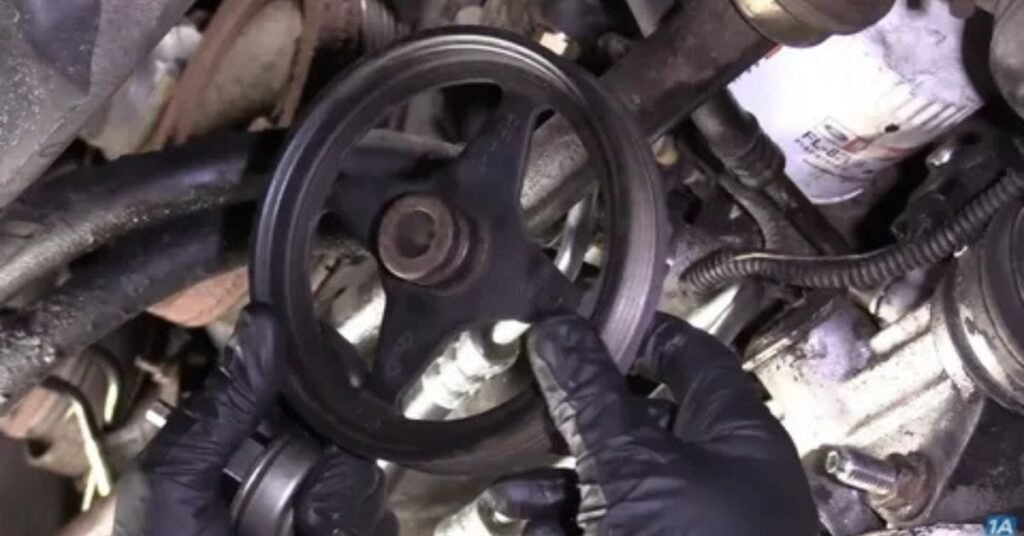
Start by parking your car on a clean, flat surface.Let the engine cool off after turning it off.. Check under the vehicle for wet spots or puddles. Power steering fluid is usually red, pink, or light brown. Look closely around the steering gear and nearby hoses.
Next, open the hood and check the power steering fluid level. If it is low, a leak is likely present. Ask someone to turn the steering wheel while you watch the steering gear area. Leaks often show up when pressure builds in the system.
Simple steps to diagnose a leak:
- Check fluid level in the power steering reservoir
- Look for fluid on the ground under the steering gear
- Inspect hoses, seals, and connections for wet areas
- Turn the steering wheel and watch for fresh leaks
- Listen for whining or groaning noises when steering
Visual Inspection of Gearbox and Hoses
Allow the engine to cool down after turning it off. Look closely at the steering gearbox for wet or oily areas. Any shine or buildup usually means fluid is leaking. Dust sticking to oily spots is another clear sign.
Next, check all hoses connected to the steering system. Follow each hose with your eyes and hands. Look for cracks, bulges, or loose fittings. Pay attention to those ends and joints. Even a small leak can lower fluid levels and cause steering problems.
Paper Towel or UV Dye Test to Find Leaks
A paper towel test is an easy way to spot small leaks. Wipe the steering gearbox, hoses, and fittings with a clean towel. Start the engine and turn the steering wheel slowly. Check the towel for fresh fluid marks. Even light stains can point to the leak source.
A UV dye test is more accurate for hidden leaks. Add the special dye to the power steering fluid. Drive the car for a short time. Use a UV light to inspect the system. Leaking areas will glow and become easy to see.
When to Use Professional Pressure Testing
- When the power steering fluid keeps dropping with no visible leak
- When leaks only appear while driving or turning
- When steering feels heavy but hoses look fine
- When whining or grinding noise does not stop after refilling fluid
- When seals inside the steering gear may be leaking
- When DIY checks do not find the problem
- When you want an exact leak location without guessing
DIY Fixes vs Professional Repairs
Some power steering problems are easy to fix at home. You can top up low fluid levels. You can also tighten loose fittings. Replacing small hoses is possible if you have basic tools. These fixes save money and time. They work best for minor leaks.
Serious leaks need professional repairs. Internal gearbox seal leaks are not simple. A worn steering rack also needs special tools. Wrong repairs can make the problem worse. A mechanic ensures safety and long-term results.
Quick comparison:
- DIY fixes work for small leaks and low fluid
- Professionals handle internal seal and gearbox damage
- DIY saves money but has limits
- Professional repair costs more but lasts longer
When You Can Try DIY
You can try DIY repairs when the problem is small. Low power steering fluid is easy to fix. Minor hose leaks are also manageable. If the steering still works smoothly, DIY may help. Simple tools are often enough for these tasks.
DIY is best when you clearly see the issue. Tightening loose clamps can stop small leaks. Replacing worn hoses is another option. Always work on a cool engine. Safety should come first.
DIY is suitable when:
- Power steering fluid is slightly low
- Leak is small and easy to reach
- Hoses or clamps are visibly loose
- Steering noise is mild and recent
- You have basic tools and experience
When to Seek a Mechanic (Gearbox Replacement)
- Power steering fluid leaks from inside the gearbox
- Steering feels very stiff or hard to control
- Grinding or knocking noises come from the steering gear
- Fluid leaks return after multiple DIY fixes
- Steering wheel does not return to center
- Power steering warning light stays on
- Vehicle pulls to one side while steering
- Gearbox shows heavy wear or damage
Cost Expectations for Gearbox Leak Repairs
The cost of fixing a gearbox leak depends on the problem. Small leaks cost less to repair. Simple seal or hose fixes are usually affordable. Labor time also affects the final price. Early repairs help avoid high expenses.
Major gearbox damage costs much more. Replacing the entire gearbox is expensive. Prices vary by car model and location. Professional repairs cost more but last longer. Getting an inspection gives a clear estimate.
Mini Cost Table
| Repair Type | Estimated Cost Range |
| Power steering fluid top-up | Low cost |
| Hose or clamp replacement | Low to medium cost |
| Seal repair | Medium cost |
| Steering gearbox rebuild | High cost |
| Full gearbox replacement | Very high cost |
Preventing Power Steering Gear Leaks
Preventing power steering leaks is easier than fixing them. Regularly check fluid levels in the reservoir. Keep an eye on hoses and fittings for cracks or wear. Replacing old fluid on time keeps the system healthy. Avoid over-tightening hoses, as this can cause damage.
Routine maintenance saves money and prevents bigger problems. Clean the steering gear area to spot leaks early. Listen for unusual noises while turning the wheel. Following these simple steps helps the power steering last longer.
Preventive Maintenance Tips
| Task | Frequency/Tip | Benefit |
| Check power steering fluid level | Every month or before long drives | Prevents low fluid damage |
| Inspect hoses and fittings | Every 3–6 months | Detects cracks or leaks early |
| Replace old or dirty fluid | Every 2 years or per manual | Keeps pump and gearbox working smoothly |
| Tighten loose clamps and connections | During inspections | Stops minor leaks before they worsen |
| Clean gearbox and surrounding area | Every oil change | Makes leaks easier to spot |
| Listen for whining, squealing, or grinding | Every drive | Early warning for pump or gearbox issues |
| Avoid harsh steering or overloading | Always | Reduces wear on hoses and seals |
Regular Fluid Checks and Correct Fluid Use
Checking power steering fluid regularly is very important. Low or dirty fluid can damage the pump and gearbox. Open the reservoir and look at the fluid level and color. Top up if it is low, and replace if it is dark or contaminated. Using the right type of fluid keeps the system working smoothly.
Always follow the car manufacturer’s recommendations. Wrong fluid can cause leaks and noise. Regular checks prevent costly repairs and extend the life of the steering system.
Tips for fluid checks and use:
- Check fluid at least once a month
- Use the fluid type recommended in the owner’s manual
- Replace old or dirty fluid every 1–2 years
- Avoid overfilling the reservoir
- Inspect fluid for discoloration or debris
- Top up only when the engine is cool
Inspect Hoses, Seals, and Fittings Often
Regular inspection of hoses, seals, and fittings helps prevent leaks. Look for cracks, bulges, or signs of wear. Tighten loose fittings carefully. Damaged parts can cause fluid loss and hard steering. Early detection saves money and avoids bigger repairs.
Check the steering system at least once every few months. Replace worn or cracked hoses immediately. Clean around seals to spot leaks faster. Keep an eye on all connections, especially near the gearbox.
Inspection Tips:
- Look for cracks, splits, or bulges in hoses
- Check seals for oil or fluid buildup
- Tighten loose clamps and fittings carefully
- Clean areas around the steering gearbox
- Replace damaged hoses or seals promptly
- Listen for unusual noises while turning the wheel
Avoid Overloading the Steering System
Avoid putting extra stress on the steering system. Do not turn the wheel forcefully when the car is stationary. Heavy loads or rough driving can strain the gearbox and hoses. Overloading can cause leaks or damage over time.
Drive smoothly and avoid sudden sharp turns. Park slowly and carefully instead of forcing the wheel. Proper handling reduces wear on the power steering system. This keeps steering smooth and prevents costly repairs.
Conclusion
Power steering gear leaks are common but preventable. Regular checks, proper fluid use, and careful driving help a lot. Small problems caught early are easy to fix. Ignoring warning signs can lead to costly repairs.
Simple maintenance and attention to the steering system keep your car safe. Clean hoses, tight fittings, and correct fluid protect the gearbox. By following these steps, you can avoid leaks and enjoy smooth, easy steering every day.
FAQs
1. What causes a power steering gear leak?
Leaks are usually caused by worn seals, damaged hoses, or low fluid levels. Over time, parts wear out and fluid can escape.
2. How can I tell if my steering gear is leaking?
Look for fluid under the car or on hoses and fittings. You may also hear whining or squealing when turning the wheel.
3. Can I fix a minor leak myself?
Yes, small leaks from hoses or loose fittings can be fixed with basic tools. Low fluid levels can also be topped up easily.
4. When should I see a mechanic?
Seek professional help if the leak comes from the gearbox or if steering feels heavy. Major damage requires expert repair.
5. How can I prevent power steering leaks?
Regularly check fluid, inspect hoses and fittings, and avoid overloading the steering system. Proper maintenance keeps the system healthy.
