


Introduction:
Passengers in the car are the people who travel in a vehicle but are not driving it. They can sit in the front or back seats. Their safety is just as important as the driver’s. Simple habits like wearing a seat belt and sitting properly can prevent serious injuries.
Many people think only the driver is responsible for safety. That is not true. A careless passenger can also create risk. For example, not wearing a seat belt or distracting the driver can lead to accidents. Small actions from passengers can make a big difference.
In this guide, you will learn easy and practical safety tips. These tips are useful for daily rides and long trips. They are simple to follow and easy to remember. The goal is to keep every passenger safe and comfortable on the road.
Why Passengers in the Car Affect Driving Safety
Passengers in the car can directly affect how safely a vehicle is driven. Their behavior, movement, and noise level can change the driver’s focus. A distracted driver reacts slower to road dangers. Even small distractions inside the car can lead to big mistakes. That is why passenger behavior matters on every trip.
Good passengers help create a calm and safe driving environment. They support the driver instead of disturbing them. Simple actions can reduce risk and improve control on the road. Safety is a shared responsibility, not just the driver’s job.
Ways passengers can affect driving safety:
- Talking too loudly or arguing with the driver
- Blocking mirrors or touching controls
- Not wearing a seat belt
- Moving around while the car is in motion
- Distracting the driver with phones or videos
- Helping with directions when needed
How Extra Passengers Change Driver Focus
Extra passengers in a car can quickly change the driver’s level of focus. More people usually mean more talking and movement. Noise inside the vehicle can increase. The driver may turn attention away from the road for a moment. Even short mental breaks can reduce reaction time. This makes simple traffic situations more risky.
More passengers also bring more responsibility for the driver. The driver may feel pressure to talk, answer questions, or manage behavior. This splits attention between driving and social interaction. Safe driving needs full concentration. A quiet and controlled car environment helps the driver stay alert and make better decisions.
Risk Factors When the Car Is Full
- Driver visibility can be reduced with too many people and bags
- More noise inside the car can distract the driver
- Passengers may block mirrors or windows
- Overloading the car can affect balance and braking
- Not enough seat belts for every passenger increases injury risk
- People sitting uncomfortably may move around during the ride
- Extra weight can increase stopping distance
- Crowded space can slow down emergency exit
- Children without proper seats face higher danger
- Driver attention splits when managing many passengers
Legal Rules for Passengers in the Car in the USA
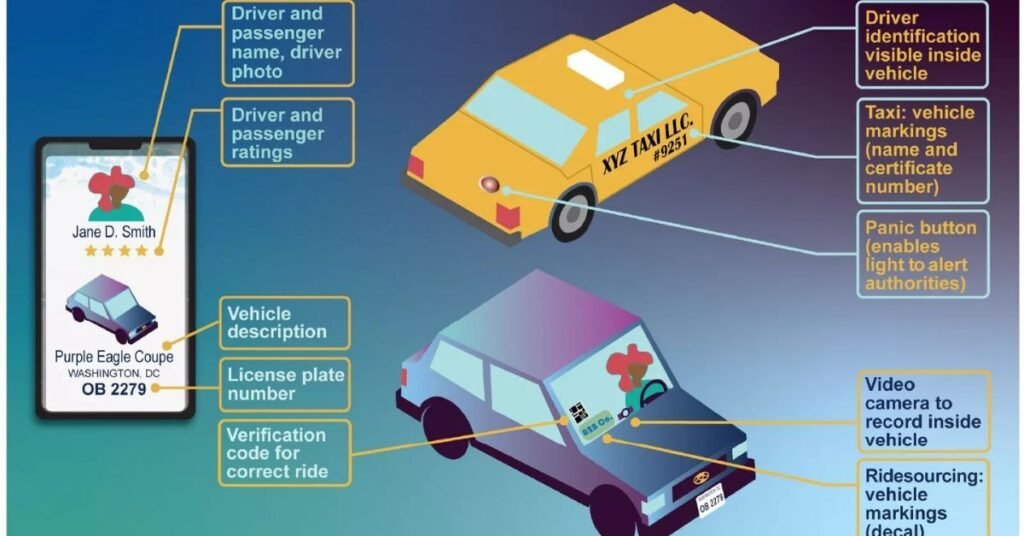
Passengers in the car must follow certain laws to stay safe and avoid fines. These rules vary by state, but some are common everywhere. Seat belts are mandatory for almost all passengers. Children must sit in proper car seats or booster seats.Tickets and fines can be issued for breaking these laws.
The following table shows the common passenger laws in the USA:
| Rule | Who It Applies To | Details | Penalty |
| Seat Belt Use | All passengers | Everyone must wear a seat belt | Fines vary by state |
| Child Car Seats | Children under 8 | Must use car seat or booster | $50–$200 fine, depends on state |
| Front Seat Restrictions | Children under 13 | Should sit in back seat | Fines and safety risk |
| Maximum Occupancy | All passengers | Car cannot exceed seat belts available | Fines and liability in accidents |
| Phone Use | Front and back passengers | Hands-free only in some states | Fines or warnings |
| Alcohol | All passengers | No open containers | $100–$500 fine or more |
| Distracting Driver | All passengers | No behavior that distracts driver | Liability in accidents, fines |
This table helps passengers know what is legal and what is risky. Following these rules keeps everyone safer on the road.
Seat Belt Laws for Front and Back Seat Riders
Seat belts are required for all passengers in the car. Front seat riders must always buckle up. Drivers can get fined if passengers in front do not wear belts. It is the law in almost every state in the USA.
Back seat passengers also need seat belts. Children under a certain age or height must use car seats or boosters. Not wearing a belt increases the risk of injury in accidents. Buckling up is simple but can save lives.
Child Passenger Requirements by Age
- Rear-facing car seats are required for children under 2 years of age
- Ages 2–4 usually need a forward-facing car seat with a harness
- Ages 4–8 must use a booster seat until seat belts fit properly
- Children 8 and older can use regular seat belts if they fit correctly
- Always follow state-specific rules for car seats and boosters
- Never let a child ride in front if they are under 13
- Proper restraint reduces risk of serious injury in crashes
| Age Group | Seat Type | Position in Car | Notes |
| Under 2 | Rear-facing | Back seat | Always use harness |
| 2–4 | Forward-facing | Back seat | Use harness |
| 4–8 | Booster seat | Back seat | Seat belt must fit |
| 8+ | Seat belt | Back seat | Fit properly, may vary by state |
| Under 13 | Any | Back seat | Never ride in front |
Common Distractions Caused by Passengers
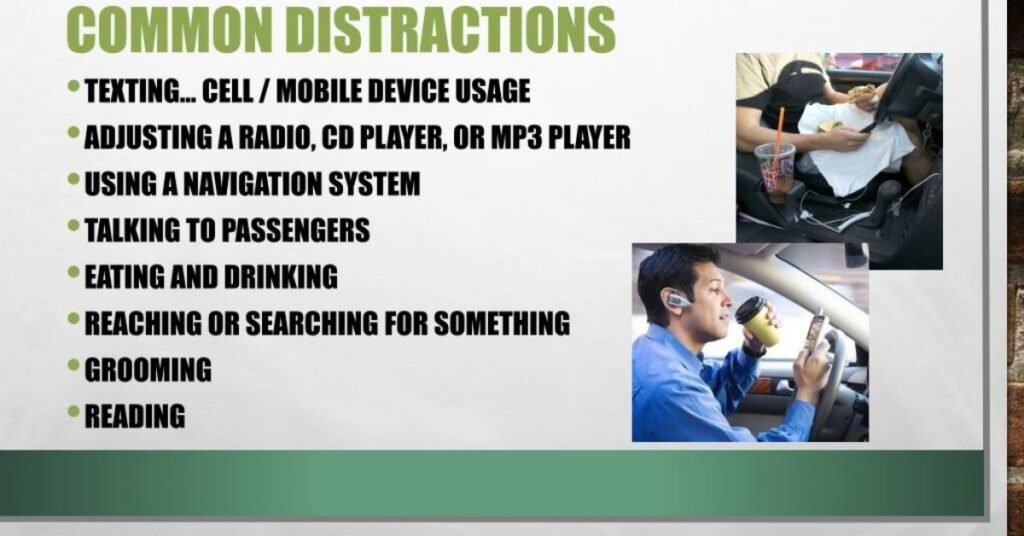
Passengers can unintentionally distract the driver. Talking loudly or arguing can take attention from the road. Reaching for items or moving around while the car is moving is also risky. Even small distractions can increase the chance of an accident.
Common passenger distractions:
- Loud conversations or arguments
- Reaching for drinks, phones, or bags
- Kids moving or playing in the back seat
- Pets jumping or making noise
- Showing videos or using devices near the driver
- Asking for directions while the car is in motion
- Sudden gestures or movements that surprise the driver
These distractions may seem small, but they can be dangerous. Passengers should stay calm and help the driver focus on the road.
Noise, Movement, and Device Use
- Loud talking or music can distract the driver
- Children or pets moving around increase risk
- Passengers reaching across the driver or controls are dangerous
- Using phones or tablets in the front seat can divert attention
- Sudden noises, like dropping items, can startle the driver
- Constant chatting or arguing splits the driver’s focus
- Backseat movement can block mirrors or the driver’s view
- Sharing devices or screens with the driver adds to distraction
- Even small movements can affect the driver’s steering control
- Keeping calm and quiet helps the driver stay alert
How Talking Passengers Impact Reaction Time
Passengers who talk a lot can slow the driver’s reactions. The driver may look at them instead of the road. Even short glances away can be dangerous. Conversations take mental focus, which delays responses to traffic.
Loud or emotional talking makes it worse. The driver may miss stop signs or sudden hazards. Quiet and calm passengers help the driver stay alert. Reducing distractions keeps everyone safer on the road.
Safety Tips for Adult Passengers in the Car
- Always wear your seat belt, front or back seat
- Sit properly and avoid leaning or moving around
- Keep noise low to help the driver focus
- Do not distract the driver with phones or screens
- Avoid reaching for items while the car is moving
- Help the driver with navigation without causing stress
- Keep children or pets under control if present
- Follow all vehicle rules and state laws
- Stay calm during traffic or long trips
- Remind the driver gently about safety if needed
Proper Seating and Seat Belt Position
- Sit upright and keep your back against the seat
- Adjust the seat belt across the chest and lap correctly
- Make sure the belt is not twisted or loose
- Keep feet on the floor, not on the dashboard
- Children should use age-appropriate car seats or boosters
- Avoid leaning forward or sideways while the car is moving
- Proper seating reduces injury risk in sudden stops
How Passengers Can Support the Driver
- Keep conversations calm and avoid arguments
- Help with navigation without distracting the driver
- Hand over items safely without reaching across the driver
- Monitor kids or pets to reduce distractions
- Adjust climate, music, or devices quietly
- Encourage safe driving habits politely
- Be alert to road hazards and remind the driver gently if needed
Guidelines for Children as Passengers
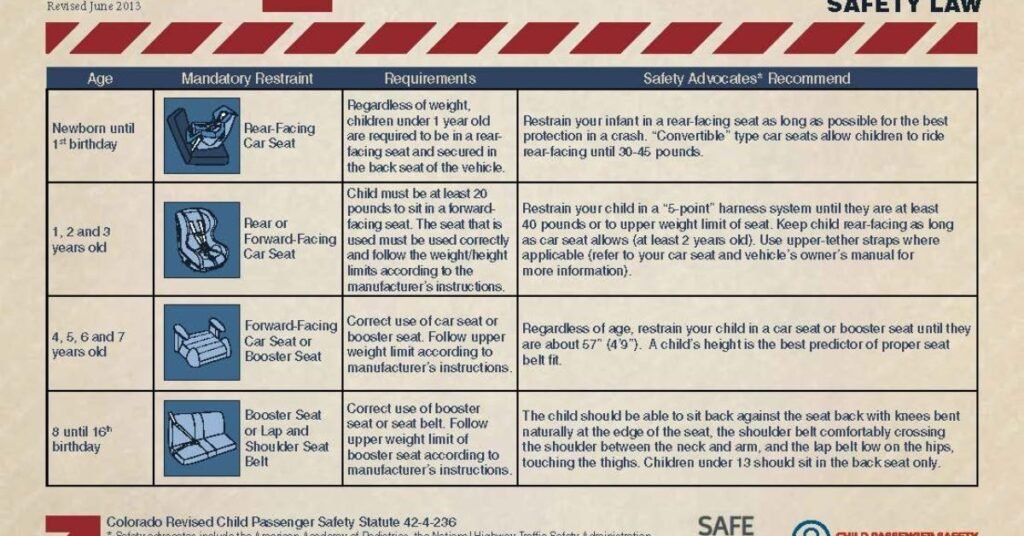
Children need extra care when riding in a car. They should always sit in the correct car seat or booster based on their age and size. The back seat is the safest place for children under 13 years of age.. Seat belts should fit properly across their chest and lap. Proper seating and restraint reduce the risk of serious injury in accidents.
Keeping children calm and secure also helps the driver focus. Toys or loose items should be fastened so they don’t move around. Children should stay seated until the car stops. Eating or drinking should be limited to avoid spills and distractions. Following these guidelines keeps both children and adults safe on the road.
Tips for children as passengers:
- Always use age-appropriate car seats or boosters
- Keep children in the back seat if under 13
- Secure loose items and toys
- Ensure seat belts fit properly
- Limit food, drinks, and movement during trips
Car Seats and Booster Seat Basics
Car seats and booster seats keep children safe in a crash. They must fit the child’s age, weight, and height. Rear-facing seats are for infants and toddlers. Forward-facing seats are for older toddlers. Booster seats help children use regular seat belts safely. Proper installation is very important.
Car seat and booster seat tips:
- Use rear-facing seats for children under 2
- Switch to forward-facing when the child outgrows rear-facing
- Use a booster until seat belts fit correctly
- Ensure seat belts are snug across chest and lap
- Follow manufacturer instructions for installation
Safe Behavior Rules for Kids
Children’s behavior can affect car safety. Calm and seated children reduce distractions. Kids should not stand, lean, or reach while the car is moving. They should keep hands and heads inside the car. Teaching kids rules helps protect everyone.
Safe behavior rules for kids:
- Stay seated at all times
- Keep hands and heads inside the car
- Avoid distracting the driver with noise or movement
- Do not throw objects inside the car
- Follow instructions from adults in the car
Best Practices When Driving With Multiple Passengers

Driving with multiple passengers needs extra focus. More people can increase noise and distractions. The driver must stay alert at all times. Everyone should wear seat belts. Proper seating and calm behavior make the trip safer.
Tips for driving with multiple passengers:
- Ensure all passengers are buckled up
- Ask passengers to keep noise low
- Keep children and pets secure in their seats
- Avoid reaching across the driver for items
- Assign one person to help with directions or navigation
- Remind passengers not to distract the driver
- Plan breaks on long trips to reduce restlessness
- Keep windows and climate comfortable for all passengers
- Limit eating or drinking while the car is moving
- Encourage passengers to stay seated and calm throughout the ride
Trip Planning and Seating Arrangement
- Plan who sits where before starting the trip
- Place children and infants in appropriate car seats or boosters
- Keep adults or older children in seats that allow easy access to safety belts
- Avoid overcrowding and ensure everyone has a seat belt
- Assign calm passengers near the driver to reduce distractions
- Place restless children or pets in the back with proper restraints
- Keep essential items within reach without distracting the driver
- Rotate responsibilities like navigation or music control to one passenger
- Plan breaks for long trips to reduce fatigue and restlessness
- Ensure clear visibility for the driver from all mirrors and windows
Passenger Etiquette Every Rider Should Follow
- Always wear your seat belt, front or back seat
- Stay seated and avoid unnecessary movement
- Keep noise low to help the driver focus
- Avoid distracting the driver with phones or loud conversations
- Do not interfere with driving controls or mirrors
- Help with navigation quietly if needed
- Keep children and pets calm and secure
- Avoid eating or drinking that may spill
- Respect the driver’s rules and instructions
- Be polite and patient during traffic or long trips
What Passengers Should Never Do While Driving
- Distract the driver with loud talking or arguing
- Reach across the driver or touch controls
- Stand, lean, or move around while the car is in motion
- Block the driver’s view of mirrors or the road
- Throw objects inside the car
- Use devices that demand the driver’s attention
- Encourage risky driving or sudden maneuvers
- Ignore seat belt rules or safety restraints
- Feed children or pets in a way that causes spills
- Engage the driver in stressful or emotional conversations
How Drivers Can Manage Difficult Passengers
Difficult passengers can distract the driver and increase risk. Drivers need to stay calm and focused. Clear communication helps set boundaries. Planning before the trip reduces potential problems. Patience is key for a safe journey.
Tips for managing difficult passengers:
- Politely ask passengers to stay seated and quiet
- Set rules for phone use, music, and conversation
- Assign one person to help with navigation or needs
- Use calm tone to handle arguments or complaints
- Take breaks if passengers become restless or loud
- Keep children and pets secured to reduce disturbances
- Remind passengers about seat belts and safety rules
- Avoid engaging in heated debates while driving
- Encourage cooperation for a smooth trip
- Stay focused on the road first, passengers second
Conclusion
Passengers play an important role in car safety. Their behavior can make driving easier or more risky. Simple actions like wearing seat belts, staying seated, and being calm help keep everyone safe. Following rules protects both the driver and passengers.
Being a responsible passenger is easy but powerful. Paying attention, avoiding distractions, and supporting the driver make trips safer. Everyone in the car shares the responsibility for safety. Small habits create a big difference on the road.
FAQs
1. Why is it important for passengers to wear seat belts?
Seat belts protect passengers in case of sudden stops or accidents. They reduce the risk of serious injury. Both front and back seat passengers must buckle up at all times
.
2. Can talking passengers really distract the driver?
Yes, talking or arguing can take the driver’s attention from the road. Even short glances away increase accident risk. Calm conversation helps the driver focus better.
3. What age should children sit in the back seat?
Under 13-year-olds should always sit in the back seat.. This reduces the risk of injury from airbags and collisions. Proper car seats or boosters should also be used.
4. How can passengers help the driver stay focused?
Passengers can keep noise low and avoid sudden movements. They can help with navigation or controlling music quietly. Supporting the driver creates a safer driving environment for everyone.
5. What should passengers never do while the car is moving?
Passengers should never distract the driver or touch controls. They must stay seated and avoid leaning or standing. Throwing objects or using devices near the driver is also dangerous.
