

Introduction:
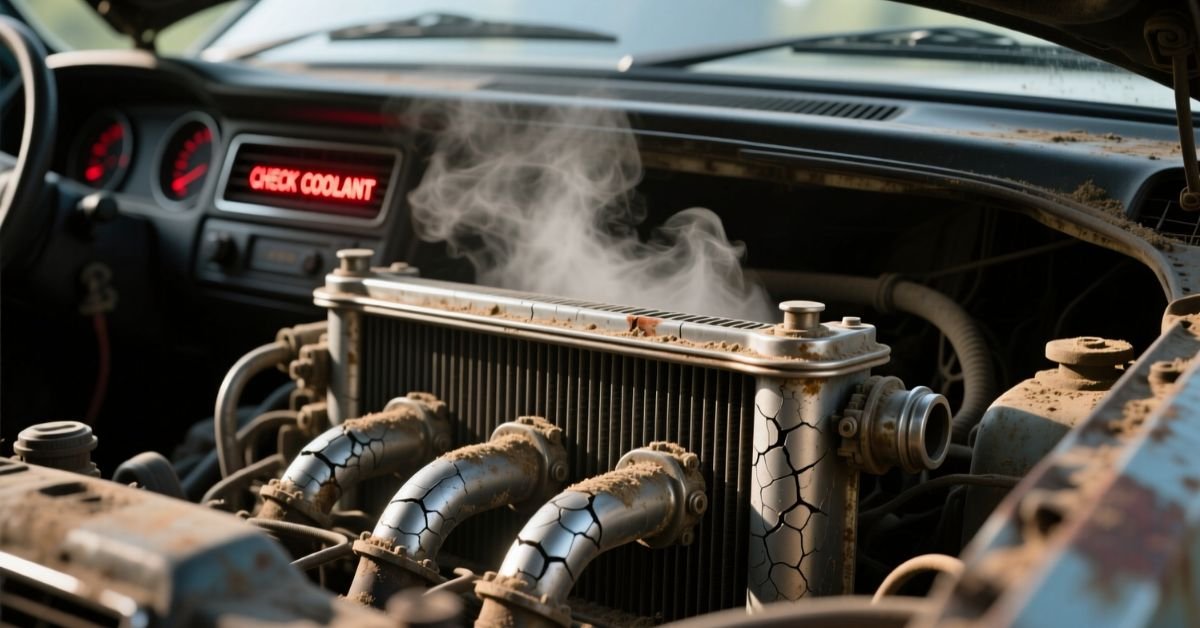
Driving with no coolant in the radiator means your engine has no liquid to control heat. Coolant keeps the engine temperature stable. Without it, engine parts heat up very fast. This can lead to serious damage in a short time.
Many drivers do not notice the problem right away. The car may still run for a few minutes. This creates a false sense of safety. By the time warning lights appear, the engine may already be overheating.
This topic is important because driving with no coolant in the radiator can harm the engine, radiator, and head gasket. Even a short drive can be risky. Understanding the dangers can help you avoid costly repairs and sudden breakdowns.
No Coolant in Radiator Causes, Symptoms & What to Do
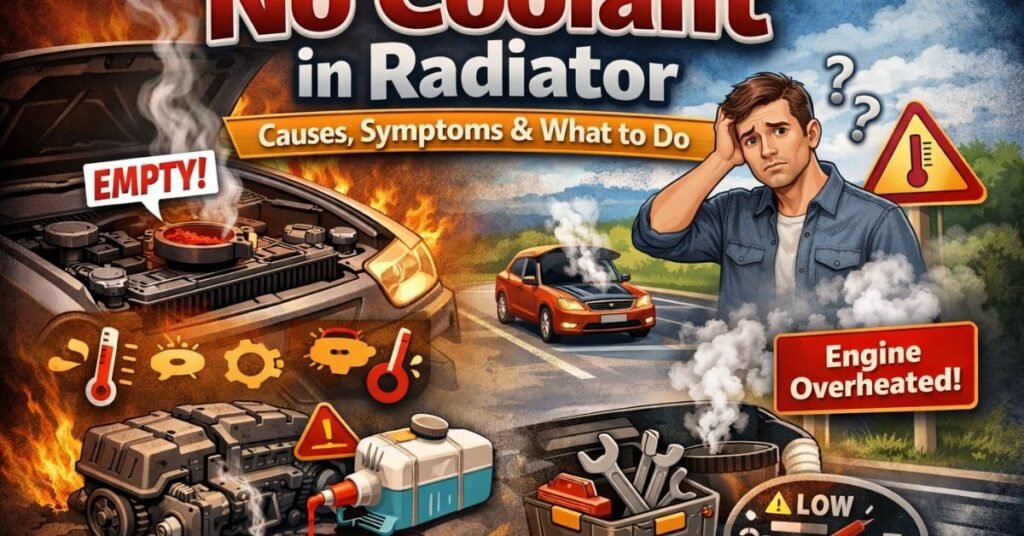
No coolant in the radiator usually happens because of leaks, a cracked hose, or a faulty radiator cap. Sometimes the coolant burns off due to engine overheating. Low maintenance and old coolant can also cause this problem. Ignoring small leaks often leads to an empty radiator.
Common symptoms include engine overheating, a temperature warning light, and steam from the hood. You may also notice poor heater performance. If this happens, stop driving right away. Let the engine cool down and check for leaks. Refill coolant only after fixing the issue to avoid serious engine damage.
What Happens When There Is No Coolant in the Radiator
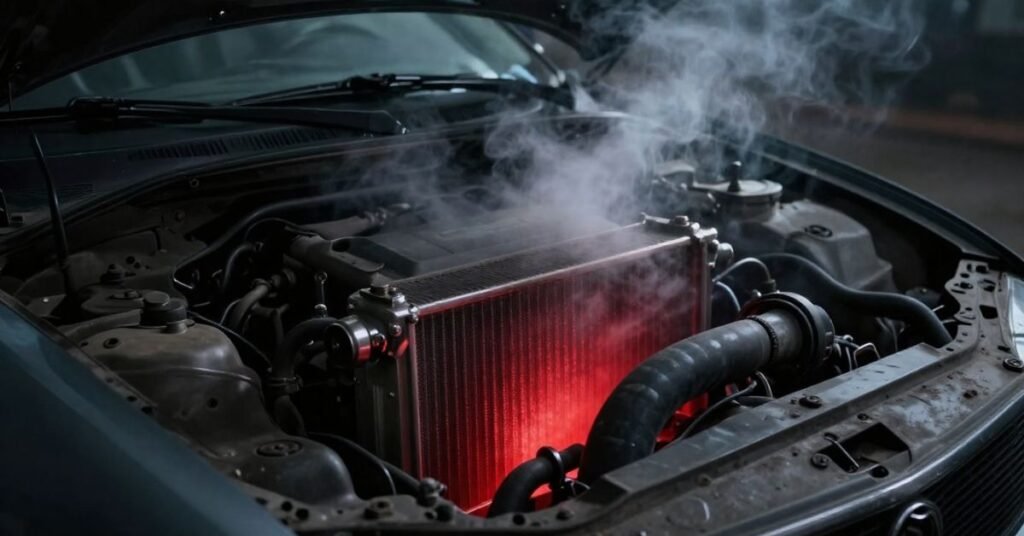
When there is no coolant in the radiator, the engine temperature rises very fast. The radiator cannot remove heat from the engine. Metal parts start to expand due to extreme heat. This puts heavy stress on the engine.
Continued driving can cause the engine to overheat and shut down. The head gasket may blow, and engine parts can crack. Repairs become very expensive. Even a short drive without coolant can lead to serious damage.
Engine Overheating Risks
Without coolant, the engine heats up very quickly. The radiator cannot control the temperature. This causes the engine to run hotter than normal. Even a few minutes can be dangerous.
Overheating can force the engine to shut down suddenly. In some cases, the car may stop in traffic. This creates safety risks for the driver and others on the road
Damage to Engine Components
High heat damages important engine parts. Pistons, cylinders, and seals can wear out fast. Metal parts may bend or crack due to extreme temperature.
A blown head gasket is also common. Engine oil can mix with coolant or burn. These issues lead to costly repairs and long downtime.
Effect on Heater and AC Performance
The car heater depends on engine coolant to work. When there is no coolant, the heater blows cold air. This is often an early warning sign.
The AC system also suffers indirectly. Engine overheating puts extra load on the system. Cooling performance may drop, especially in hot weather.
Warning Lights and Safety Issues
The temperature warning light may turn on. Some cars also show a low coolant warning. Ignoring these signs increases the risk of breakdown.
Driving with warning lights on is unsafe. The engine may fail without notice. Stopping early can prevent serious damage and keep you safe.
How Long Can a Car Run with No Coolant

A car cannot run long with no coolant. In most cases, the engine may overheat within a few minutes. Some cars may last only one to two miles. This depends on engine size, weather, and driving conditions.
Even a short drive is risky. Heat builds up very fast without coolant. Serious engine damage can happen before you realize it. It is best to stop the car immediately and avoid driving at all.
Short-Term Driving Risks
Driving without coolant even for a short time is risky. The engine heats up very fast. You may notice steam or smoke from under the hood. The car can suddenly overheat and stop on the road. This can be dangerous for you and others around you.
Long-Term Engine Damage
Repeated driving without coolant causes serious engine damage. Pistons, cylinders, and gaskets can warp or crack. The head gasket may blow, leading to expensive repairs. Over time, the engine life shortens significantly.
Why Driving Without Coolant Is Dangerous
Coolant keeps the engine temperature safe. Without it, the engine can fail without warning. Even short trips can turn into costly problems. Driving without coolant is unsafe and can damage your car permanently.
Why There Is No Coolant in the Radiator but the Reservoir Is Full
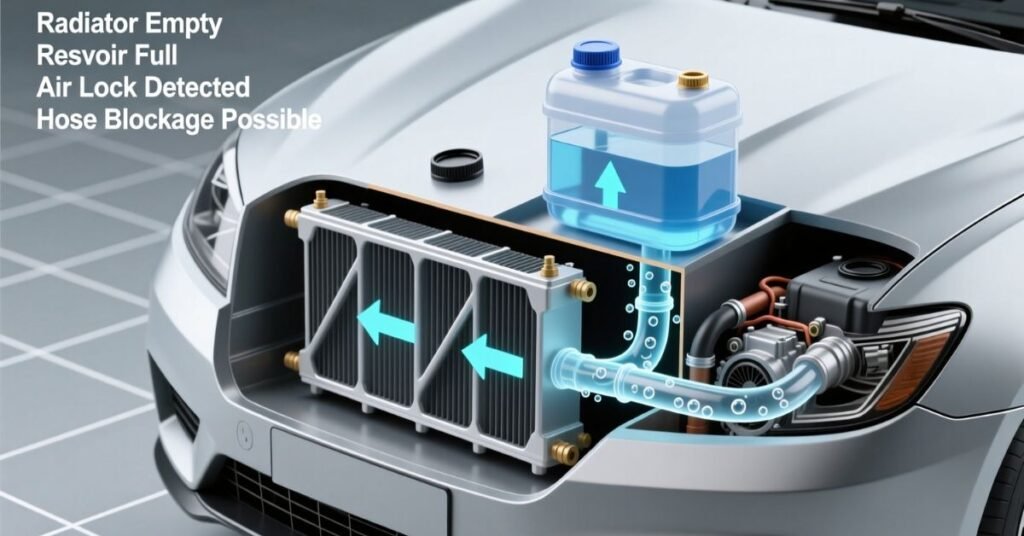
Sometimes the radiator looks empty even when the reservoir is full. This usually happens because the coolant is stuck in the reservoir and not flowing into the radiator. A clogged hose, stuck radiator cap, or blocked passage can cause this problem.
The engine may still overheat even if the reservoir is full. The radiator cannot cool the engine without proper coolant flow. Checking hoses, the radiator cap, and connections can help fix this issue.It can cause serious engine damage if ignored.
Faulty Radiator Cap
A faulty radiator cap can prevent coolant from flowing properly. It may not maintain the correct pressure in the system. This stops coolant from reaching the radiator, causing overheating.
Air Trapped in the Cooling System
Air bubbles in the cooling system block coolant flow.It reduces the radiator’s cooling capacity.. Overheating can happen quickly if the air is not removed.
Blocked or Damaged Radiator Hose
A blocked or damaged hose stops coolant from circulating. Kinks, cracks, or debris inside the hose can cause this. The engine may overheat even if the reservoir is full.
Failed Thermostat
The thermostat controls coolant flow to the radiator. If it fails, coolant may stay in the engine instead of reaching the radiator. This leads to rapid overheating and engine stress.
Water Pump Not Circulating Coolant
The water pump moves coolant through the system. If it fails, coolant cannot circulate properly. The engine temperature rises fast, causing serious damage.
Common Causes of No Coolant in Radiator
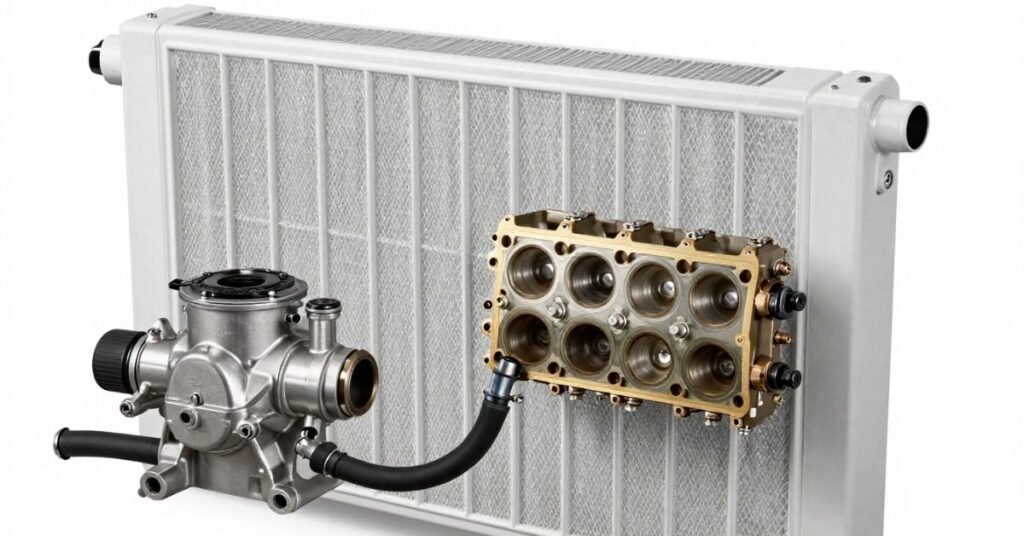
One common cause is leaks in the radiator, hoses, or water pump. Even small leaks can empty the radiator over time. Cracks in the radiator or a blown head gasket can also lead to coolant loss.
Another cause is low maintenance. Old or dirty coolant can stop flowing properly. A stuck thermostat or faulty radiator cap can block coolant circulation. Ignoring these issues can cause the engine to overheat quickly.
Coolant Leakage (External & Internal)
Coolant can leak outside the engine through hoses, radiator, or water pump. Internal leaks happen inside the engine, like a blown head gasket. Both types reduce coolant levels and cause overheating.
Coolant Evaporation Due to Overheating
When the engine gets too hot, coolant can evaporate quickly.As a result, the radiator’s ability to cool the engine is reduced.. Even a small amount lost can lead to overheating fast.
Head Gasket Failure
A blown head gasket lets coolant escape into the engine or oil. This lowers coolant levels and damages engine parts. It often causes white smoke from the exhaust.
Intake Manifold Gasket Failure
A faulty intake manifold gasket can leak coolant inside the engine. This prevents proper circulation and causes overheating. The engine may run rough or misfire.
Cracked Radiator or Engine Block
Cracks in the radiator or engine block allow coolant to escape. Even small cracks can empty the radiator quickly. This leads to rapid overheating and serious engine damage.
Warning Signs of Low or No Coolant in Radiator
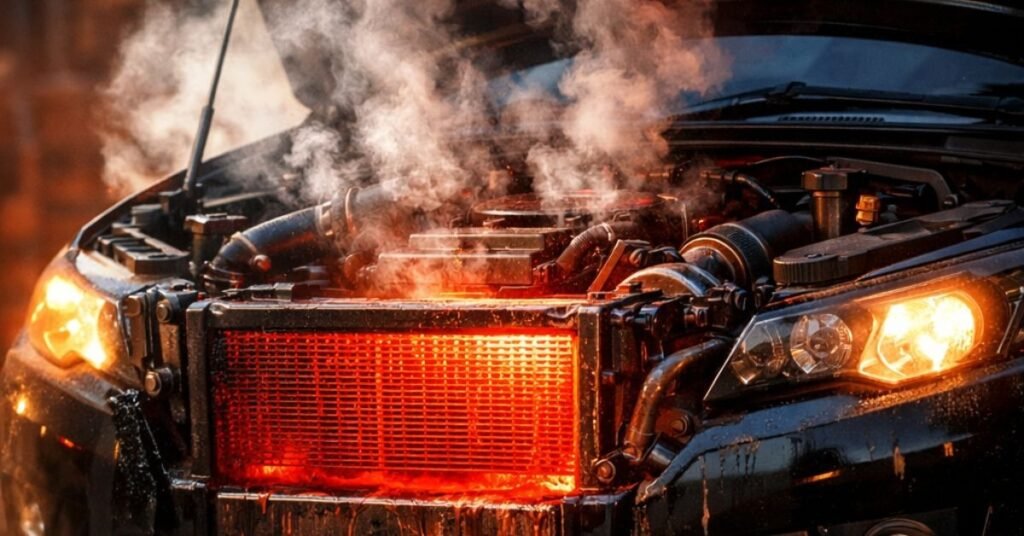
One clear sign is the engine temperature rising quickly.Steam may be coming from under the hood.. The temperature warning light on the dashboard may turn on.
Other signs include poor heater performance and strange engine noises. You might notice leaks under the car or a sweet smell from coolant. Engine damage can result from ignoring these signs.
Engine Overheating
Low or no coolant can make the engine overheat fast. The temperature gauge may rise quickly. If ignored, the engine can shut down or get damaged.
Coolant Warning Light
The dashboard may show a coolant warning light. This is an early sign of low coolant. It should never be ignored.
White Exhaust Smoke
A blown head gasket or coolant leak can cause white smoke from the exhaust. This shows coolant is entering the combustion chamber.
Sweet Smell from Engine Bay
Coolant has a sweet smell. If you notice it near the engine, there may be a leak. Immediate inspection is needed.
Steam or Smoke from Bonnet
Steam or smoke from under the hood shows the engine is too hot. This happens when coolant is missing or not circulating.
Poor Cabin Heater Performance
The heater uses engine coolant to warm the cabin. Low coolant can make the heater blow cold air. This is often an early warning of a problem.
Losing Coolant but No Visible Leak Where Is It Going
Sometimes coolant disappears without any visible leak. It may be leaking inside the engine. A blown head gasket can let coolant mix with engine oil or enter the combustion chamber.
Coolant can also evaporate due to overheating. Cracks in the radiator or engine block may be too small to see. Even a stuck thermostat or faulty water pump can prevent proper circulation. These hidden issues can cause serious engine damage if not fixed.
Coolant Burning Inside the Engine
Coolant can burn inside the engine if there is a head gasket failure. This lowers coolant levels quickly. You may notice white smoke from the exhaust or a sweet smell.
Coolant Leaking into Exhaust System
A leak into the exhaust system happens when coolant enters the combustion chamber. This produces white smoke and may damage engine parts. It can also reduce engine performance.
Evaporation from Overheated Engine
When the engine overheats, coolant can evaporate fast. As a result, the radiator’s ability to cool the engine is reduced.. Even small losses can cause overheating if ignored.
Hidden Leaks That Are Hard to Detect
Some leaks are not visible from outside. Cracks in the engine block or small radiator holes may go unnoticed. These hidden leaks can slowly empty the coolant and damage the engine over time.
Is It Safe to Drive with No Coolant in Radiator
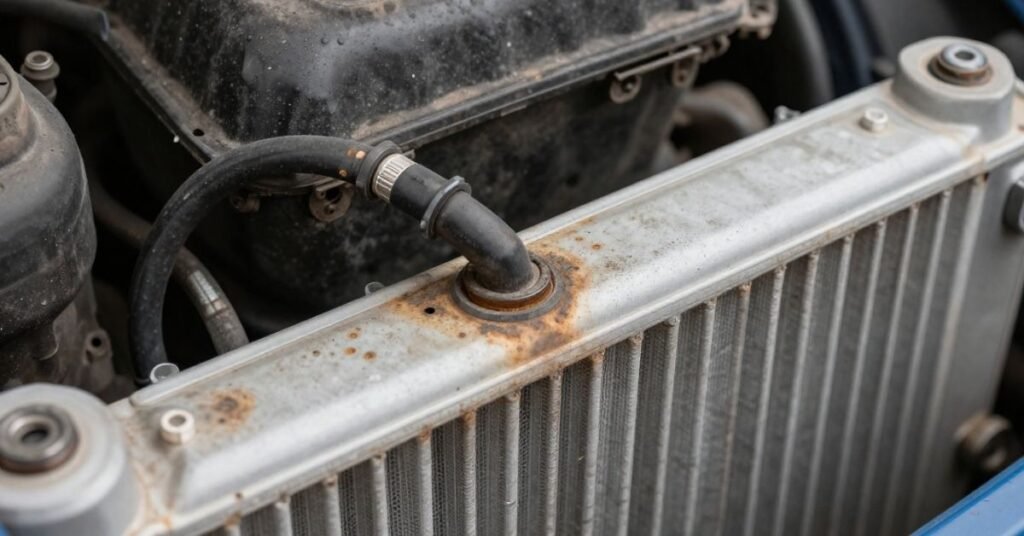
It is not safe to drive with no coolant in the radiator. The engine can overheat very quickly. Even a short drive can cause serious damage.
Driving without coolant can lead to:
- Engine overheating in minutes
- Blown head gasket
- Cracked engine parts
- Poor heater and AC performance
- Expensive repairs
What Happens If You Keep Driving
If you keep driving with no coolant, the engine overheats fast. Metal parts expand and may crack. The head gasket can blow, and engine oil may get contaminated. This leads to very expensive repairs.
When to Stop the Car Immediately
You should stop the car as soon as you notice:
- Steam or smoke from under the hood
- Temperature warning light on the dashboard
- Strange engine noises or loss of power
Towing vs Driving Short Distance
If the problem is serious, towing is safer than driving. Even a short distance can cause engine damage. Only drive a few meters if it is an emergency, and the engine is still cool. Towing prevents costly repairs and keeps you safe
If you notice no coolant, stop the car immediately. Let the engine cool down before checking or refilling. Avoid driving until the problem is fixed to prevent costly damage.
How to Fix No Coolant in Radiator Issue
Fixing no coolant in the radiator starts with identifying the cause. Check for leaks, a faulty radiator cap, or a stuck thermostat. Make sure the water pump is working properly. Sometimes the problem is hidden, like a blown head gasket or small cracks in the radiator.
Here’s a simple guide to troubleshoot and fix the issue:
| Step | What to Check | Action to Take | Notes |
| 1 | Coolant level | Refill coolant if low | Use the recommended type for your car |
| 2 | Radiator cap | Inspect and replace if faulty | Ensures proper pressure |
| 3 | Hoses | Check for cracks or leaks | Replace damaged hoses |
| 4 | Thermostat | Test or replace | Controls coolant flow |
| 5 | Water pump | Inspect for proper operation | Replace if not circulating coolant |
| 6 | Radiator | Look for leaks or cracks | Repair or replace if damaged |
| 7 | Head gasket | Check for internal leaks | Requires professional repair |
| 8 | Air trapped in system | Bleed cooling system | Ensures proper coolant circulation |
Following these steps can help restore proper coolant flow. Always let the engine cool before working on it to avoid burns or further damage.
Checking Coolant Level Properly
When the engine is cold, always check the coolant level.. Open the radiator cap carefully to avoid burns. Make sure the coolant reaches the recommended mark. Refill with the correct type of coolant if it is low.
Bleeding Air from Cooling System
Air trapped in the cooling system blocks coolant flow. Bleed the system using the bleed valve or follow the car manual instructions. This ensures the radiator can cool the engine efficiently.
Replacing Radiator Cap or Hoses
A faulty radiator cap or damaged hoses can stop coolant circulation. Inspect them regularly and replace them if needed. This prevents leaks and overheating.
When to Visit a Mechanic
Some problems require professional help. If you notice:
- White smoke from the exhaust
- Persistent overheating
- Internal leaks or blown head gasket
Visit a mechanic immediately to avoid costly repairs.
Here’s a simple guide to common fixes:
| Step | What to Do | How to Do It | Notes |
| 1 | Check coolant level | Open radiator cap when cold | Refill with recommended coolant |
| 2 | Bleed air from system | Use bleed valve or follow manual | Ensures proper circulation |
| 3 | Inspect radiator cap | Look for cracks or worn seals | Replace if faulty |
| 4 | Inspect hoses | Check for cracks, leaks, or kinks | Replace damaged hoses |
| 5 | Check for leaks | Look under car and around engine | Small leaks can cause big problems |
| 6 | Monitor engine temperature | Watch dashboard gauge | Stop immediately if overheating |
| 7 | Visit mechanic | For internal leaks or persistent issues | Prevents severe engine damage |
How Much Coolant Loss Is Normal
A small loss of coolant over time is normal. Engines naturally lose some coolant through evaporation. This usually happens slowly and does not affect performance.
However, sudden or large coolant loss is not normal. It can indicate a leak or overheating problem. Always check the radiator and reservoir regularly. Refill coolant as needed and fix any leaks promptly to avoid engine damage.
Normal Evaporation vs Abnormal Loss
Some coolant loss happens naturally due to evaporation. This is normal if it is slow and steady. Abnormal loss happens quickly or in large amounts. It often signals a leak, blown gasket, or overheating issue.
Seasonal Coolant Level Changes
Coolant levels can change with temperature. Hot weather can increase evaporation, while cold weather may cause contraction. Always check coolant regularly, especially during seasonal changes.
Maintenance Tips to Avoid Coolant Loss
Regularly inspect hoses, radiator, and caps for damage. Refill coolant as recommended in the owner’s manual. Bleed the system if air is trapped. Proper maintenance prevents overheating and costly engine repairs.
Prevention Tips to Avoid No Coolant in Radiator
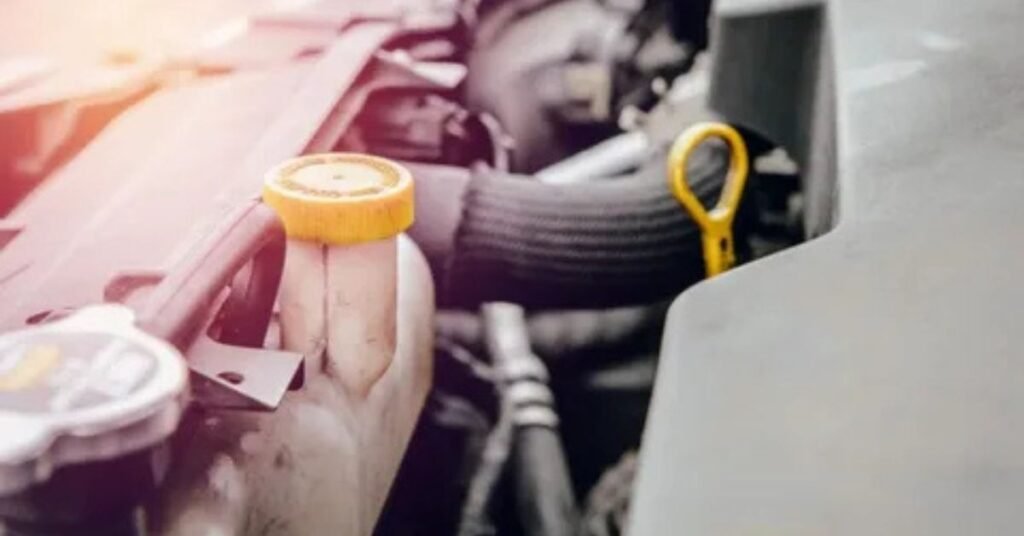
Regularly check the coolant level in both the radiator and reservoir. Make sure to use the correct type of coolant for your car. Inspect hoses, radiator, and caps for leaks or damage.
Schedule routine maintenance for the cooling system. Bleed air from the system if needed. Replace worn parts like hoses, radiator caps, or the thermostat. These simple steps help prevent overheating and costly engine repairs.
Regular Coolant Inspection
Check the coolant level regularly in both the radiator and reservoir. Look for leaks, cracks, or discoloration. Early detection can prevent engine overheating and costly repairs.
Use Correct Coolant Type
Always use the coolant recommended for your car. Using the wrong type can cause corrosion or blockages. This affects engine performance and cooling efficiency.
Timely Cooling System Service
Service the cooling system as per the manufacturer’s schedule. Replace old coolant, inspect hoses, and check the radiator cap. Timely maintenance keeps the engine safe and prevents sudden coolant loss.
Conclusion
Having no coolant in the radiator is a serious issue for any car. It can cause the engine to overheat, damage parts, and lead to expensive repairs. Even short drives without coolant are risky.
Regular checks, using the correct coolant, and timely maintenance can prevent problems. If you notice low or no coolant, stop the car and fix it immediately. Taking action early keeps your engine safe and your car running smoothly.
FAQs:
- What happens if there is no coolant in the radiator?
The engine can overheat quickly, causing serious damage to parts like the head gasket and cylinders. - Can I drive with no coolant in the radiator?
No, driving without coolant is unsafe and can lead to engine failure within minutes. - Why is there no coolant in the radiator but the reservoir is full?
This may happen due to a blocked hose, faulty radiator cap, or air trapped in the cooling system. - How do I fix no coolant in the radiator?
Check for leaks, inspect hoses and radiator cap, bleed the system, and refill with the correct coolant. - How much coolant loss is normal?
A small, slow loss due to evaporation is normal, but sudden or large loss indicates a problem.
