

Introduction:
Coolant is a liquid used in your car’s engine to control temperature. It helps prevent overheating and freezing. Mixing coolant with water is a common practice to make it work correctly in the cooling system.
Many car owners are confused about the correct ratio. Using too much water or too much coolant can cause engine problems. This is why knowing the proper mix is very important for your vehicle’s health.
In this guide, you will learn the correct coolant to water ratio and why it matters. You will also understand what happens if the mix is wrong and how to keep your engine running safely in all weather conditions.
Can You Mix Coolant with Water? What Car Owners Need to Know
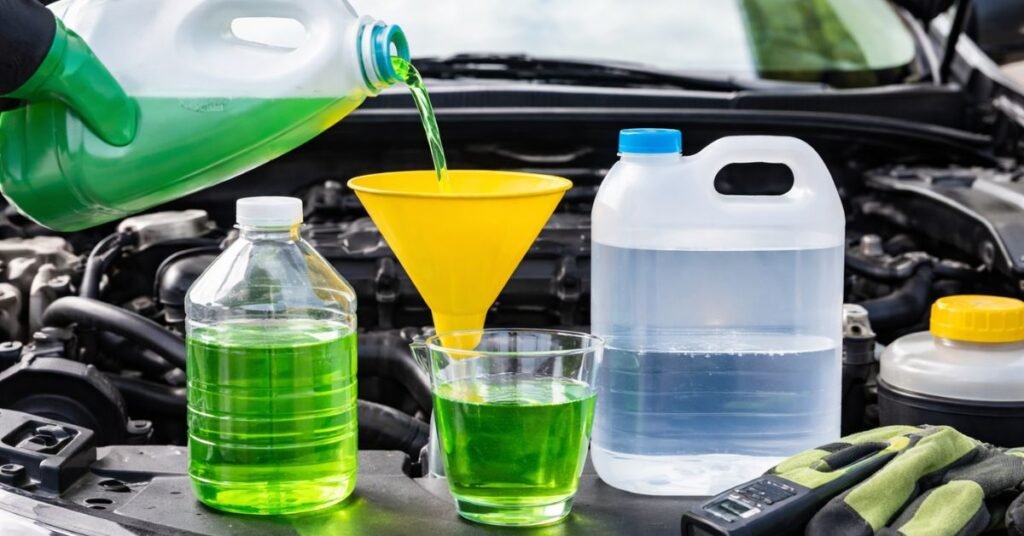
Yes, you can mix coolant with water in most cars. In fact, it is often required for the cooling system to work properly. Coolant alone is usually too strong to use by itself.
Mixing coolant with water helps control engine temperature. It also improves heat transfer and protects the engine from overheating. Most car makers recommend a proper mix, usually with distilled water for best results.
Why coolant is not used in pure form
Coolant is not used in pure form because it is too strong on its own. It cannot manage heat properly without water. Water helps carry heat away from the engine.
Pure coolant also does not flow as well inside the system. It can reduce cooling performance and may stress engine parts over time. That is why manufacturers always recommend mixing it with water.
When mixing with water is actually required
Mixing coolant with water is required in most normal driving situations. It helps the engine stay at a safe temperature. This mix works better in everyday road conditions.
It is also needed when you are filling or topping up the cooling system. In hot weather, the correct mix becomes even more important. It keeps the engine from overheating and ensures smooth performance.
What Is the Correct Coolant to Water Ratio?
The correct coolant to water ratio is very important for engine health. It helps your engine stay cool in hot weather and prevents freezing in cold weather. Most car manufacturers recommend a balanced mix for best performance.
The most common and safest ratio is 50/50. This means equal parts of coolant and water. However, the ratio can change depending on weather and driving conditions.
| Condition | Coolant % | Water % | When to Use | Benefit |
| Normal daily driving | 50% | 50% | Most climates | Best balance of cooling and protection |
| Hot weather areas | 60% | 40% | Very high temperatures | Better heat resistance |
| Cold weather areas | 70% | 30% | Freezing temperatures | Prevents coolant from freezing |
| Emergency top-up | 40–50% | 50–60% | Temporary use only | Keeps engine running safely |
| Heavy load / towing | 60–70% | 30–40% | Long trips or heavy work | Extra engine protection |
This table shows how the ratio changes depending on driving needs. Using the correct mix helps protect your engine from damage and keeps it running smoothly in all conditions.
50/50 coolant-water mix explained
A 50/50 coolant-water mix means equal parts of coolant and water. This is the most common ratio used in cars. It gives a good balance of cooling and protection.
This mix helps the engine stay at a stable temperature. The coolant protects against rust and overheating, while water helps carry heat away from the engine. Together, they work better than using either one alone.
When to adjust the ratio for hot or cold climates
- Very hot weather: Increase coolant percentage to prevent overheating
- Extremely cold weather: Increase coolant strength to avoid freezing
- Summer long drives: Use slightly more coolant for better protection
- Heavy load or towing: Stronger coolant mix for engine safety
- Normal daily driving: Keep a 50/50 mix for balanced performance
- Mountain driving: Adjust coolant higher to handle temperature stress
What Happens If You Mix Too Much Water in Coolant?
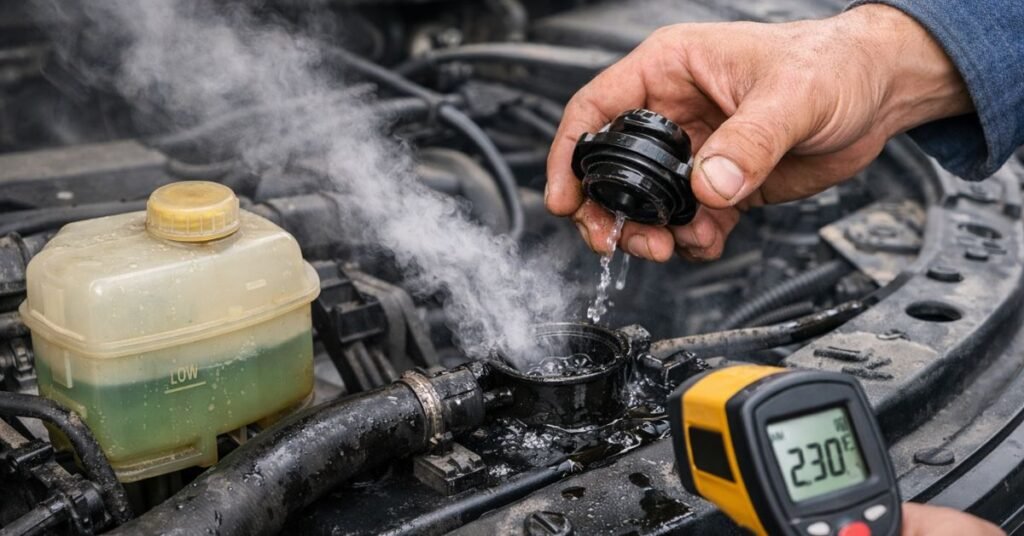
If you mix too much water in coolant, the engine may not stay cool properly. Water alone cannot handle high engine heat. This can lead to overheating, especially during long drives or hot weather.
A weak coolant mix also reduces protection inside the engine. It cannot prevent rust or corrosion as effectively. Over time, this can damage engine parts and reduce the life of your cooling system.
Effects on engine overheating
When the coolant mix has too much water, the engine can overheat easily. Water does not absorb and control heat as well as coolant. This puts extra pressure on the cooling system during driving.
Overheating can lead to serious engine problems. It may cause breakdowns or even permanent damage if not fixed in time.
- Engine temperature rises quickly
- Cooling system works less effectively
- Risk of engine shutdown increases
- Possible damage to head gasket or engine parts
Reduced corrosion protection risks
Too much water in the coolant also reduces protection against rust and corrosion. Coolant is designed to protect metal parts inside the engine. Water alone cannot provide this protection.
Over time, this can cause internal damage and shorten engine life. It may also lead to clogging and poor cooling system performance.
- Rust formation inside engine parts
- Corrosion in radiator and pipes
- Reduced lifespan of cooling system
- Sludge buildup affecting flow
- Higher repair costs over time
Distilled Water vs Tap Water for Coolant Mixing

The type of water you use in coolant mixing is very important for engine health. Distilled water is the best choice because it is clean and free from minerals. Tap water may look clean, but it contains minerals and impurities that can harm the cooling system.
Using the right water helps prevent rust, buildup, and engine damage. That is why most car experts recommend using distilled water instead of tap water when mixing coolant.
| Feature | Distilled Water | Tap Water |
| Purity | Very high, no minerals | Contains minerals and chemicals |
| Engine safety | Safe for cooling system | Can cause damage over time |
| Rust prevention | Strong protection | Weak protection |
| Scale buildup | No buildup | Can create deposits |
| Cooling performance | Smooth and stable | Reduced efficiency |
| Cost | Slightly higher | Cheap and easily available |
| Long-term effect | Extends engine life | May shorten engine life |
| Recommendation | Highly recommended | Not recommended |
Using distilled water gives better protection and keeps the cooling system clean for a long time.
Why distilled water is strongly recommended
Distilled water is strongly recommended for mixing coolant because it is clean and free from minerals. It does not contain salts, dirt, or chemicals that can harm the engine. This helps the cooling system work smoothly.
It also prevents unwanted reactions inside the radiator and engine. Using distilled water keeps the system stable and reduces the chance of damage over time.
Problems caused by minerals in tap water
- Calcium buildup that blocks radiator passages
- Magnesium deposits that reduce cooling flow
- Rust formation inside engine and metal parts
- Scale layers that reduce heat transfer efficiency
- Clogged cooling system leading to overheating
- Increased wear on water pump and hoses
- Long-term engine damage and costly repairs
Can You Mix Different Types of Coolant with Water?
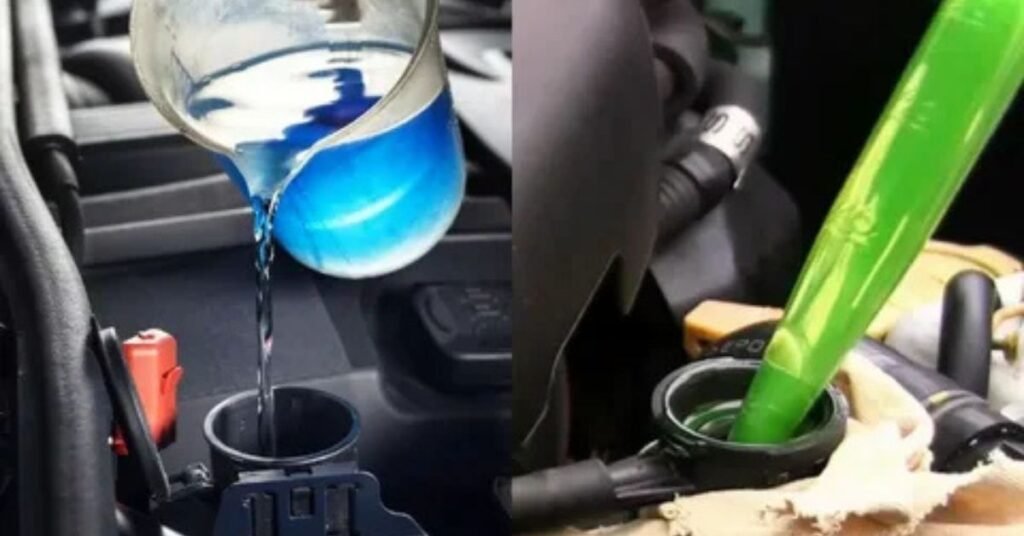
You can mix coolant with water, but mixing different types of coolant is risky. Each coolant type is made with a different chemical formula. When they are mixed, they may not work properly together.
This can reduce cooling performance and protection inside the engine. It may also cause long-term damage if the wrong mix is used.
| Coolant Type | Full Name | Can Mix with Water? | Can Mix with Other Coolants? | Risk Level | Result if Mixed Wrong |
| OAT | Organic Acid Technology | Yes | Not recommended | Medium | Sludge, reduced protection |
| IAT | Inorganic Acid Technology | Yes | Not recommended | High | Rust, faster breakdown |
| HOAT | Hybrid Organic Acid Technology | Yes | Limited compatibility | Medium | Cooling system issues |
| Universal coolant | Multi-vehicle formula | Yes | Sometimes safe | Low–Medium | Depends on brand quality |
Always follow your car manufacturer’s recommendation. Using the correct coolant type with water keeps your engine safe and prevents costly repairs.
Risks of mixing OAT, IAT, and HOAT coolants
Mixing OAT, IAT, and HOAT coolants can create serious problems in your car’s cooling system. These coolant types have different chemical formulas. When they are mixed, they may not work together properly.
This can reduce the coolant’s ability to control temperature. It may also lead to chemical reactions that harm engine parts over time.
What happens when incompatible coolants are combined
- Sludge formation inside radiator and engine
- Reduced cooling system efficiency
- Blocked coolant passages
- Engine overheating issues
- Rust and corrosion inside metal parts
- Damage to water pump and hoses
- Poor heat transfer performance
- Higher risk of engine failure over time
Signs Your Coolant Mixture Is Wrong
- Engine temperature rises faster than normal
- Frequent overheating warning light on dashboard
- Steam coming from the hood while driving
- Heater not working properly in cold weather
- Coolant level dropping too quickly
- Strange smell from engine area
- Coolant color looks rusty, muddy, or changed
- Sludge or deposits inside coolant tank
- Unusual noises from water pump or radiator
- Poor engine performance during driving
Engine overheating warning signs
- The temperature gauge is rising into the red zone
- Overheat warning light turning on
- Steam coming from the engine hood
- Knocking or unusual engine noises
- Loss of engine power while driving
- Burning smell from the engine area
- Car shutting down suddenly to protect engine
Rust, sludge, or color change in coolant
- Coolant turning brown or rusty in color
- Thick sludge forming in the reservoir
- Coolant changing from bright color to dull shade
- Deposits or particles floating inside coolant tank
- Dirty coolant smell instead of normal chemical odor
- Blocked radiator flow due to buildup
- Reduced cooling performance and engine stress
How to Properly Mix Coolant with Water
- Always check the car manual before starting
- Cool the engine completely
- Use the correct type of coolant recommended for your car
- Use distilled water, not tap water
- Follow the correct ratio (usually 50/50 mix)
- Mix coolant and water in a clean container first
- Never pour undiluted coolant directly without checking level
Preparing the correct mixture safely
- Check engine is completely cool before opening anything
- Use the correct coolant type recommended for your car
- Always use distilled water, not tap water
- Mix coolant and water in the right ratio (usually 50/50)
- Use a clean container to avoid contamination
- Never mix unknown or different coolant brands randomly
- Wear gloves for safety while handling coolant
Filling and bleeding the cooling system
- Slowly open the coolant reservoir cap
- Pour the pre-mixed coolant into the tank carefully
- Fill up to the recommended level mark
- Start the engine and let it warm up
- Turn on heater to maximum for proper circulation
- Watch for air bubbles coming out of the system
- Let air escape completely before closing the cap
- Tighten the cap and check for leaks after finishing
Conclusion
Mixing coolant with water is very important for your car’s engine health. The right mix helps control engine temperature in all weather conditions. It also protects the engine from overheating, rust, and internal damage. A correct ratio, usually 50/50, gives the best balance of cooling and protection. Using the wrong mix can cause serious engine problems over time.
It is also important to use distilled water and the correct coolant type. Tap water or wrong coolant combinations can reduce performance and damage the cooling system. Always follow your car manufacturer’s instructions for the safest results. Regular checks and proper maintenance will help your engine run smoothly, last longer, and avoid costly repairs.
FAQs
1. Can I use only water instead of coolant in my car?
No, using only water is not safe for your engine. Water cannot handle high engine temperatures properly like coolant does. It also boils faster and freezes in cold weather. On top of that, it does not protect metal parts from rust or corrosion. Over time, this can lead to overheating and serious engine damage.
2. What is the best coolant to water ratio?
The most recommended and commonly used ratio is 50/50. This means equal parts of coolant and distilled water. It gives a perfect balance of cooling, freezing protection, and rust prevention. In some hot or cold climates, the ratio can be slightly adjusted. Always check your car manual for the safest and correct mix.
3. Can I mix tap water with coolant?
It is not a good idea to use tap water in your coolant mix. Calcium and magnesium are minerals found in tap water. These minerals can build up inside the radiator and cooling system. Over time, they may cause rust, blockages, and poor cooling performance. Distilled water is always the safer and recommended option.
4. What happens if I mix too much water in coolant?
If you add too much water, the coolant becomes weak. It will not protect the engine properly from high heat. This can lead to overheating, especially during long drives or hot weather. It also reduces protection against rust and corrosion inside the engine. In the long run, it can shorten the life of your cooling system.
5. How often should I check or replace coolant?
You should check your coolant level at least once every month. You can detect leaks or low levels earlier this way.. Most cars need a full coolant replacement every 2 to 5 years, depending on the type used. Old coolant loses its protective power over time. Regular maintenance keeps your engine safe, cool, and running smoothly.
