

Introduction:
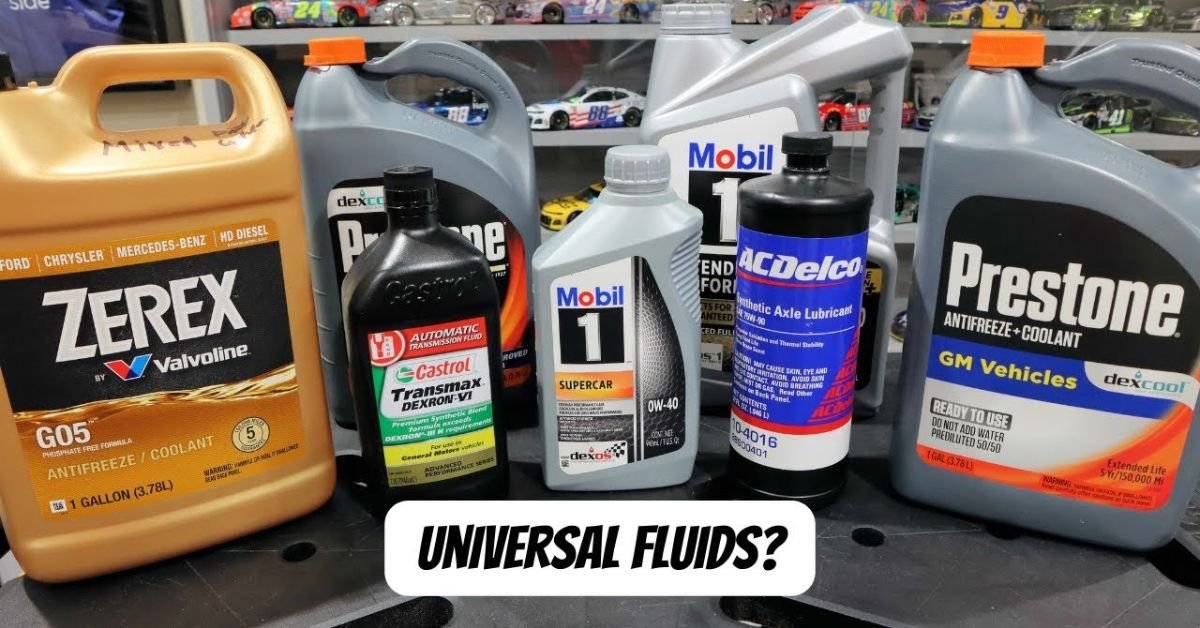
Engine coolant is a special liquid that helps control your engine’s temperature. It keeps the engine from overheating in hot weather and freezing in cold weather. Coolant also protects metal parts from rust and corrosion. Many people think all coolants are the same, but that is not always true.
So, is engine coolant universal? This is a common question among car owners in the USA. Auto parts stores may sell bottles labeled “universal coolant.”.. It sounds simple and convenient. But using the wrong coolant can cause serious engine problems and expensive repairs.
In this guide, we will explain different coolant types, colors, and compatibility. You will learn about IAT, OAT, and HOAT coolants. We will also help you understand how to choose the right coolant for your vehicle. By the end, you will know whether engine coolant is truly universal or not.
What Does “Universal Coolant” Mean?
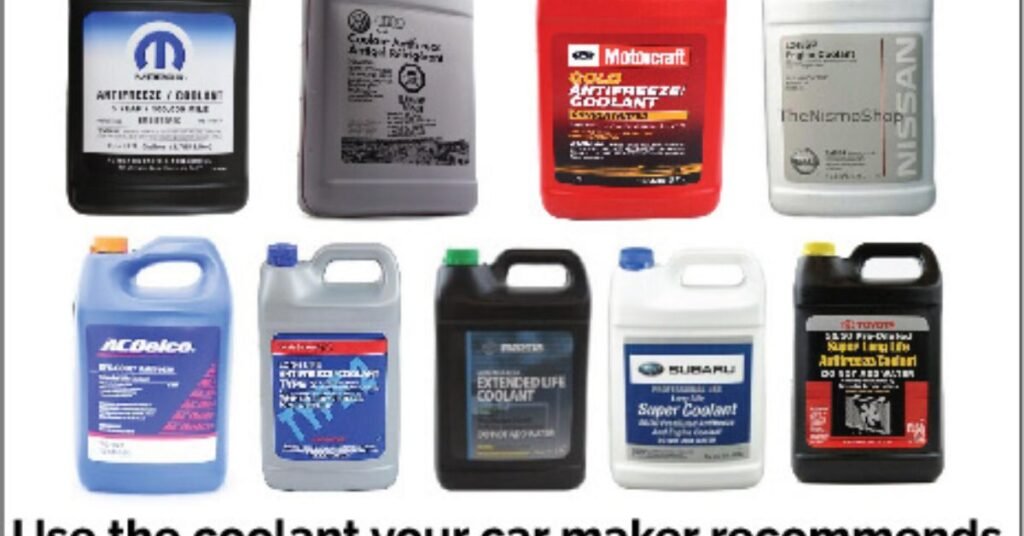
Universal coolant is a type of engine coolant that is marketed as suitable for many vehicles. The word “universal” suggests that it can work in different car brands and models. It is usually designed to mix with most common coolant types. Many drivers choose it because it looks simple and convenient.
However, “universal” does not always mean it fits every engine perfectly. Different vehicles use different coolant formulas and additives. Some engines need specific protection based on their design and materials. That is why it is important to check your owner’s manual before using any coolant labeled as universal.
Are Engine Coolants Truly Universal?
Many people believe that engine coolants are truly universal. The label on the bottle often says it works with all makes and models. This sounds easy and stress-free. But in reality, not all engines use the same coolant formula. Car manufacturers design cooling systems with specific materials and requirements. Because of this, one single coolant may not be perfect for every vehicle.
Different coolant technologies protect engines in different ways. Using the wrong type can reduce performance or even cause damage over time. That is why experts recommend checking your owner’s manual first.
Why engine coolants are not always universal:
- Different chemical formulas (IAT, OAT, HOAT)
- Specific manufacturer requirements
- Different corrosion protection needs
- Possible warranty risks if the wrong coolant is used
Different Types of Coolants (IAT, OAT, HOAT, etc.)
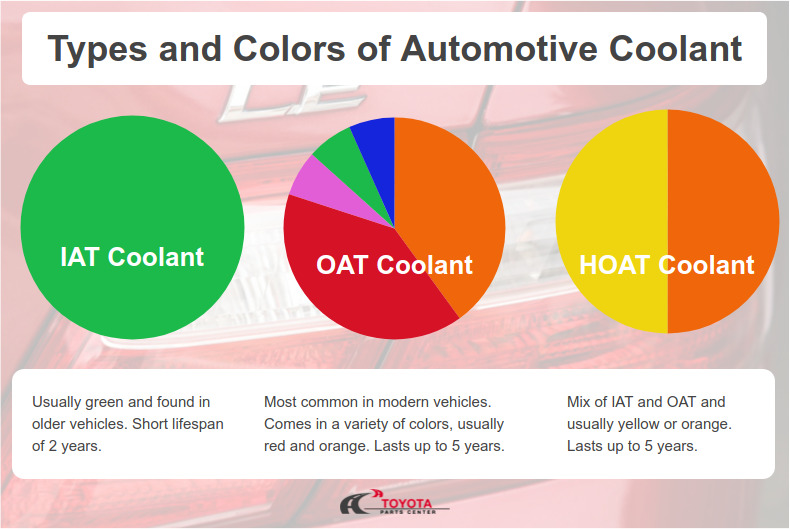
Not all engine coolants are made the same. There are different types, and each one uses a different chemical formula. IAT, OAT, and HOAT are the most common types.. These coolants are designed for different engine materials and vehicle models.Choosing the right type is therefore very important.
IAT coolant is usually found in older cars and needs to be changed more often. OAT coolant is used in many modern vehicles and lasts longer. HOAT coolant is a mix of both technologies and is common in European and some American cars. Each type offers different protection, so always check what your vehicle requires before filling your cooling system.
What Is IAT Coolant?
IAT stands for Inorganic Additive Technology. It is one of the oldest types of engine coolant. This coolant uses silicates and phosphates to protect metal parts from rust. It is mostly used in older vehicles made before the early 2000s. IAT coolant usually needs to be changed every two years or 30,000 miles.
IAT works well for engines with copper and brass components. However, it does not last as long as modern coolants. Over time, its protective additives break down. That is why regular replacement is very important if your car uses IAT coolant.
What Is OAT (Organic Acid Technology)?
OAT stands for Organic Acid Technology. It is a newer type of coolant used in many modern cars. Instead of silicates, it uses organic acids to prevent corrosion. This helps protect aluminum parts commonly found in today’s engines. OAT coolant usually lasts up to five years or 150,000 miles.
OAT is known for its long life and strong protection. It is often orange, red, or pink in color, but color can vary by brand. Even though it lasts longer, it should only be used in vehicles designed for it. Mixing it with other types can reduce its effectiveness.
What Are HOAT & Other Hybrid Types?
HOAT stands for Hybrid Organic Acid Technology. It combines features of both IAT and OAT coolants. This means it uses organic acids along with a small amount of silicates. HOAT provides strong corrosion protection and longer service life. It is commonly used in many American and European vehicles.
Other hybrid types, like P-HOAT or Si-OAT, are special versions made for specific car brands. These formulas are designed to meet certain manufacturer standards. Because of these differences, it is always best to check your owner’s manual before choosing a hybrid coolant.
| Feature | IAT Coolant | OAT Coolant | HOAT & Hybrid Coolants |
| Full Form | Inorganic Additive Technology | Organic Acid Technology | Hybrid Organic Acid Technology |
| Common Use | Older vehicles (before 2000) | Modern cars and light trucks | American & European vehicles |
| Protection Style | Silicates + phosphates prevent rust | Organic acids prevent corrosion | Mix of organic acids + small silicates |
| Service Life | ~2 years / 30,000 miles | Up to 5 years / 150,000 miles | Around 5 years (varies by brand) |
| Typical Color | Green (varies by brand) | Red, orange, and pink | The colors yellow, turquoise, pink, and purple |
| Best For | Engines with copper/brass parts | Aluminum engines & newer cooling systems | Engines needing hybrid protection |
| Special Notes | Replaced frequently | Be careful not to mix types | Some formulas are brand-specific (P-HOAT, Si-OAT) |
Why Manufacturers Don’t Approve Truly Universal Coolants
Car manufacturers often do not recommend using universal coolant in all vehicles. Every engine is built with different metals, seals, and cooling system designs. Using the wrong coolant can cause corrosion, leaks, or damage over time. That is why most brands insist on specific coolant formulas for their cars.
Universal coolants may seem convenient, but they cannot meet every manufacturer’s exact standards. Using them without checking the manual can void warranties or reduce engine life.
Reasons manufacturers avoid universal coolants:
- Different engines require different corrosion inhibitors
- Some coolants react with aluminum or copper parts
- Seals and gaskets may not be compatible with all formulas
- Warranty may be void if the wrong coolant is used
- Performance and lifespan of the engine can be affected
This ensures your engine stays protected and performs well over time.
Can You Mix Different Coolant Types?
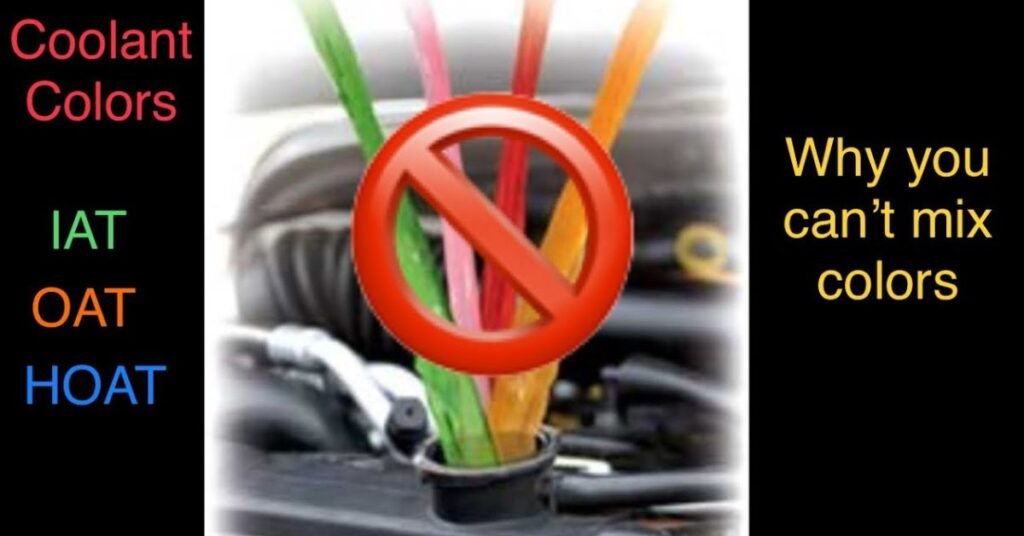
Mixing different coolant types is not recommended. Each coolant has its own chemical formula. IAT, OAT, and HOAT use different additives to protect the engine. When mixed, these chemicals can react and reduce protection. This may cause sludge, corrosion, or even overheating.
Even if a product is labeled “universal,” it may not safely mix with another type. Always check your owner’s manual before combining coolants. Using the wrong mix can be costly and damage your engine.
Risks of mixing coolant types:
- Formation of sludge in the cooling system
- Reduced corrosion protection for metals
- Overheating due to blocked coolant flow
- Possible damage to water pumps and gaskets
- Shortened lifespan of the coolant and engine components
This is why using the correct coolant type is always the safest choice.
How Does Using the Wrong Coolant Affect Your Car?
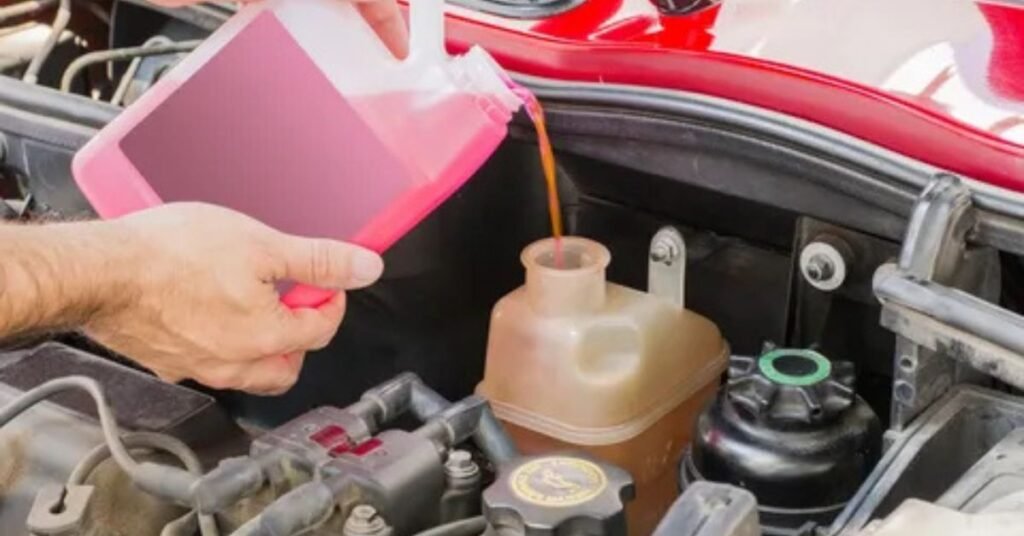
Using the wrong coolant can cause serious problems for your engine. Each coolant has specific chemicals to protect metals, seals, and gaskets. If the wrong type is used, these protections may fail. Over time, this can lead to corrosion, leaks, or engine overheating. Even a small mistake can become a costly repair.
Some symptoms appear quickly, while others take months. Car owners may not notice damage until it is severe. Always match the coolant to your vehicle’s specifications to avoid issues.
Possible consequences of using the wrong coolant:
- Radiator and engine rust and corrosion
- Overheating due to blocked coolant flow
- Water pump or gasket failure
- Sludge or deposits forming in the cooling system
- Reduced overall engine performance and lifespan
Using the right coolant is essential to keep your engine safe and running smoothly.
Pros & Cons of Using Universal Coolant
Universal coolant is designed to work in many types of vehicles. It looks convenient and easy to use. Many drivers like it because they don’t have to buy different coolants for different cars. It can save time and effort for topping up the cooling system.
However, it is not perfect for every engine. Some vehicles need specific chemical formulas for full protection. Using universal coolant in the wrong car can cause corrosion, leaks, or reduced engine life. Checking your owner’s manual is always important before using it.
Pros & Cons Table of Universal Coolant:
| Feature | Pros | Cons |
| Convenience | Can be used in multiple vehicles | May not fully match specific manufacturer requirements |
| Availability | Easy to find in stores | Some brands may exaggerate “universal” claims |
| Protection | Offers basic rust and corrosion protection | Less effective for engines needing specific formulas |
| Cost | Can save money by buying one type | Potential repair costs if used incorrectly |
| Maintenance | Simplifies top-ups | May shorten coolant life compared to OEM-specific products |
| Color Options | Often compatible with multiple colors | Mixing with other types can create sludge |
| Lifespan | Often lasts longer than older IAT coolants | May still require more frequent changes in certain engines |
| Warranty Risk | Minimal risk in older or flexible vehicles | Can void manufacturer warranty if not recommended |
This table helps drivers weigh convenience against risks. Universal coolant works for some cars, but it is not a one-size-fits-all solution.
Choosing the Right Coolant for Your Vehicle
Choosing the right coolant is important to keep your engine safe. Not all coolants work for every car. Each vehicle has a recommended type, color, and chemical formula. Using the wrong one can cause corrosion, leaks, or overheating. Always check your owner’s manual before buying or adding coolant.
There are simple steps to select the correct coolant. Knowing the type of coolant your car requires will save money and prevent damage. Follow these tips to make the right choice:
Steps to choose the right coolant:
- The type of coolant recommended by your vehicle owner’s manual
- Identify the coolant type currently in your car (IAT, OAT, HOAT)
- Match the color only if it aligns with the recommended formula
- Avoid mixing different coolant types
- Consider climate and driving conditions for proper protection
- Buy quality coolant from trusted brands or auto parts stores
- Replace or top up at recommended intervals to maintain engine health
By following these steps, you can ensure your engine stays protected and performs efficiently for years.
Conclusion
Engine coolant is very important for your car. It keeps the engine at the right temperature.Rust and corrosion are also prevented by it.. Not all coolants are the same. Some are IAT, OAT, or HOAT. Each type has its own chemical formula and purpose. Using the wrong coolant can cause leaks, corrosion, or overheating. That is why you should always check your vehicle’s owner manual before choosing or adding coolant.
Universal coolant may seem convenient, but it is not truly universal. It can work in some vehicles, but not all. Choosing the right coolant keeps your engine safe and lasts longer. Always follow manufacturer recommendations and replace or top up at the right time. By doing this, you prevent costly repairs and keep your car running smoothly. Proper coolant care ensures your engine stays healthy for years.
FAQs
1. Is engine coolant really universal?
No, engine coolant is not truly universal. Different vehicles require specific formulas based on engine materials and manufacturer standards. Using the wrong coolant can lead to corrosion, leaks, and reduced engine life.
2. Can I mix universal coolant with my car’s existing coolant?
Mixing coolant types is not recommended. Universal coolant may react with IAT, OAT, or HOAT formulas, creating sludge and reducing protection. Always check your owner’s manual before adding any coolant.
3. How often should I change engine coolant?
Coolant replacement depends on the type. IAT usually lasts 2 years, OAT and HOAT up to 5 years. Regularly replacing it prevents corrosion, overheating, and engine damage.
4. What do coolant colors mean?
Coolant colors indicate chemical types and additives. For example, green is usually IAT, orange/red is OAT, and yellow/pink is HOAT. Always match the type recommended for your vehicle, not just the color.
5. Can using the wrong coolant void my warranty?
Yes, using a coolant not approved by the manufacturer can void your vehicle warranty. It may also reduce engine protection and cause long-term damage. Always follow manufacturer guidelines.
