

Introduction
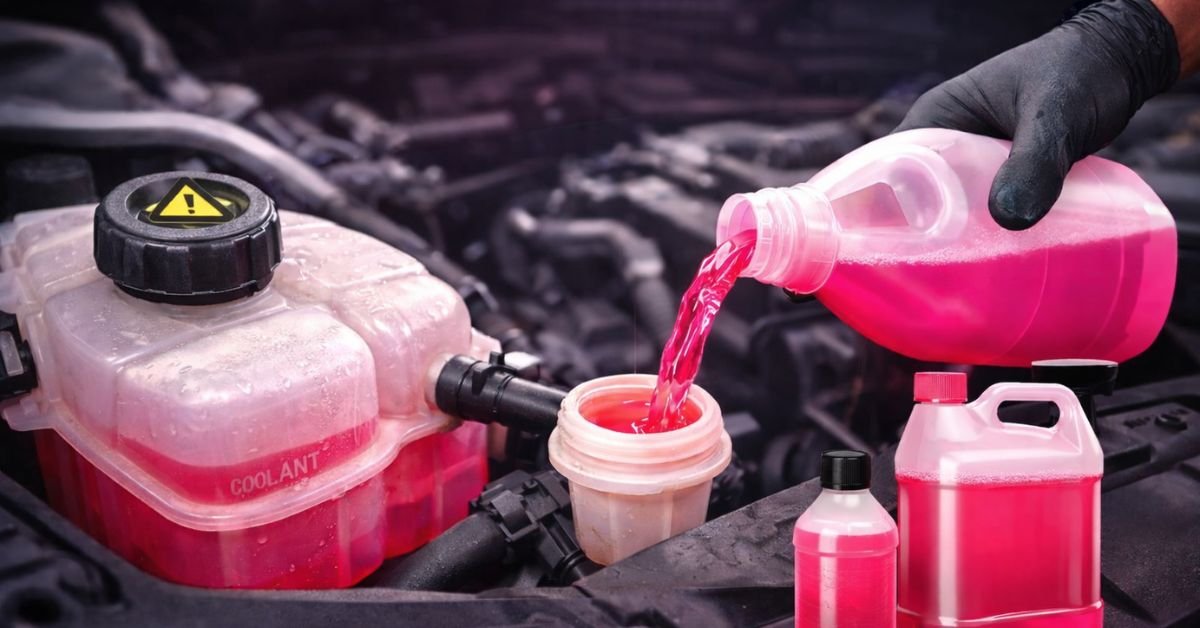
Pink engine coolant is a specially formulated liquid that helps maintain your car engine’s temperature in all weather conditions. It prevents overheating during hot weather and protects the engine from freezing in cold climates. The pink color usually indicates a modern, long-life coolant designed for newer vehicles.
Many car owners feel confused when they notice pink coolant in the reservoir. They often wonder whether it’s normal or a sign of a problem. This confusion leads people to search for answers before topping up or replacing their coolant.
In most cases, pink engine coolant is completely normal. It is commonly used in modern European and Asian vehicles and is designed to protect engine components from rust, corrosion, and internal damage. Understanding what pink coolant means helps you choose the correct type and avoid expensive engine repairs.
What Antifreeze Is Pink and What Does It Mean?

Pink antifreeze is a modern type of engine coolant made with advanced additives. Its main purpose is to protect the engine from overheating, freezing, and corrosion. The pink color usually indicates OAT or HOAT-based coolant, which is commonly used in newer vehicles.
Seeing pink antifreeze in your car is usually a good sign. It means your vehicle requires a long-life coolant that lasts much longer than traditional green antifreeze. Using the correct pink antifreeze helps extend engine life and improves overall cooling system performance.
Why Is Some Antifreeze Pink Instead of Green?
Antifreeze is pink instead of green because it uses a different chemical formula. Pink antifreeze contains modern corrosion-resistant additives that protect engine components for a longer period.
Key reasons pink antifreeze is used:
- Lasts longer than traditional green coolant
- Provides better protection against rust and corrosion
- Designed for modern aluminum engine components
- Helps maintain efficient cooling system performance
Using the correct antifreeze color is important because the wrong type can lead to engine damage and costly repairs.
What Type of Coolant Is Pink?

Pink coolant is usually made using advanced coolant technologies such as OAT, HOAT, or P-OAT. These coolants are engineered to offer long-term protection and are commonly used in modern vehicles.
Common pink coolant types:
- OAT (Organic Acid Technology): Long-life coolant with strong corrosion protection
- HOAT (Hybrid Organic Acid Technology): Combines organic and traditional additives for added durability
- P-OAT (Phosphated OAT): Often used in Asian vehicles to protect aluminum engines
Choosing the correct pink coolant type helps keep your engine running smoothly and safely.
Is Pink Antifreeze the Same as Long-Life or Extended-Life Coolant?
In most cases, pink antifreeze is considered long-life or extended-life coolant. It is designed to last significantly longer than conventional green antifreeze, which is why many manufacturers use it from the factory.
However, not all long-life coolants are pink. Some extended-life coolants come in different colors depending on the brand. Always check your vehicle’s owner’s manual to ensure you are using the correct coolant type.
Vehicles Commonly Using Pink Antifreeze
Many popular vehicles use pink antifreeze because it offers long-term protection and meets modern engine requirements.
Why manufacturers choose pink coolant:
- Toyota & Lexus: Protects aluminum engines and offers long service intervals
- Honda: Newer models require extended-life coolant to prevent corrosion
- Hyundai & Kia: Designed for modern engines with long-term durability
- European vehicles (VW, Audi, BMW, Mercedes): Meets strict OEM coolant standards
Using the correct coolant type ensures smooth engine performance and helps avoid expensive repairs.
Which Cars Use Pink Antifreeze in the USA?

Many vehicles in the USA use pink antifreeze for long-lasting engine protection. However, not all cars require it, so checking the owner’s manual is essential.
Common vehicles using pink antifreeze:
| Car Model | Why Pink Antifreeze Is Used | Recommended Coolant |
| Toyota Camry | Compatible with aluminum engines | Pink long-life coolant |
| Honda Accord | Extended corrosion protection | Pink long-life coolant |
| Hyundai Elantra | Heat and corrosion resistance | Pink OAT / P-OAT |
| Kia Sorento | Modern engine design | Pink extended-life |
| Subaru Outback | Complex cooling system protection | Pink antifreeze |
| Mazda CX-5 | Long service intervals | Pink coolant |
| Volkswagen Jetta | European coolant standards | Pink OAT |
| Audi A4 | Premium engine protection | Pink long-life coolant |
Pink Antifreeze vs Green vs Orange Coolant

Different coolant colors serve different engine needs. Pink coolant is designed for modern engines, green coolant is used in older vehicles, and orange coolant is a hybrid option.
| Coolant Color | Typical Use | Lifespan | Best For |
| Pink | Modern vehicles | 5–10 years / 150,000 miles | Excellent corrosion protection |
| Green | Older vehicles | 2–3 years / 30,000 miles | Basic protection |
| Orange | Hybrid systems | 5 years / 50,000–75,000 miles | Aluminum engine protection |
| Red | Specialty vehicles | 5–7 years | European & Japanese models |
| Blue | Asian vehicles | 5–6 years | Long-life corrosion resistance |
Never mix coolant colors unless the manufacturer allows it.
Can You Mix Pink Antifreeze With Other Coolant Colors?

Mixing pink antifreeze with other coolant colors is usually not recommended. Different coolant formulas can react chemically and reduce engine protection.
Important tips:
- Never mix pink and green coolant
- Mixing pink with orange or red is risky unless approved
- Always flush the system before changing coolant types
- Follow the manufacturer’s recommendation strictly
How to Choose the Right Pink Antifreeze for Your Car

Choosing the correct pink antifreeze is essential for engine health. Not all pink coolants are the same.
Simple steps:
- Check your owner’s manual
- Identify the required coolant type (OAT, HOAT, or P-OAT)
- Choose trusted brands
- Avoid mixing coolant colors
The right coolant ensures long engine life and prevents costly repairs.
Conclusion
Is engine coolant pink? In many modern vehicles, yes. Pink coolant is commonly used because it offers long-lasting protection against overheating, rust, and corrosion. It is an excellent choice for newer engines designed for extended-life coolant.
Always check your vehicle’s owner’s manual before adding or replacing coolant. Understanding what pink engine coolant means helps you make the right choice and keep your engine healthy for years.
FAQs
1.Is pink antifreeze better than green coolant?
Yes. Pink antifreeze lasts longer and provides better corrosion protection than green coolant, especially for modern engines.
2.How long does pink antifreeze last in a car?
Pink antifreeze typically lasts 5–10 years or up to 150,000 miles, depending on the vehicle and coolant brand.
3.Can using the wrong coolant color damage my engine?
Yes. Using the wrong coolant color can cause corrosion, overheating, and long-term engine damage.
4.Is it safe to mix pink antifreeze with other coolant colors?
No. Mixing pink antifreeze with other colors can create sludge and reduce cooling system protection.
5.Which vehicles commonly use pink antifreeze?
Many Toyota, Lexus, Hyundai, Kia, Honda, and European vehicles use pink long-life antifreeze.
