


Introduction:
The inside of my windshield frozen means ice forms on the inner glass, not the outside. This usually happens during cold weather. Moisture inside the car turns into frost when temperatures drop. It can make driving unsafe and hard to see.
This problem surprises many drivers. You may clear the outside glass but still see ice inside. It wastes time and feels frustrating on busy mornings. Many people think it is normal, but it is not something to ignore.
The inside of my windshield frozen issue is often linked to trapped moisture. Wet carpets, poor ventilation, or water leaks are common causes. Understanding why it happens helps you fix it and prevent it in the future.
Why Does the Inside of a Windshield Freeze?

The inside of a windshield freezes because warm air inside the car holds moisture. When the outside temperature drops, this moisture turns into frost on the cold glass. Breathing, wet clothes, and rain can all add moisture to the air. Poor ventilation makes the problem worse.
Cold air outside cools the windshield quickly. When humid air inside touches the cold glass, ice forms. Small water leaks or damp carpets can also cause freezing. Keeping the car dry helps stop this issue.
Excess Moisture Inside the Car
Excess moisture is one of the main reasons the windshield freezes inside. Water builds up in the air and turns into frost when it touches cold glass. This moisture often comes from everyday use of the car.
Common sources of moisture include:
- Wet shoes or clothes
- Rain or snow brought inside
- Spilled drinks
- Damp carpets or floor mats
Temperature Difference Between Cabin and Outside
A big temperature difference can cause freezing inside the windshield. Warm air inside the car hits the very cold glass. This makes the moisture in the air turn into ice quickly.
This usually happens:
- During very cold nights
- When the heater is off
- If the car cools down fast after driving
Leaky Door Seals or Poor Ventilation
Leaky door seals let cold air and moisture enter the car. Poor ventilation traps moist air inside. Both problems increase the chance of frost forming on the windshield.
Things to watch for include:
- Worn or damaged door seals
- Windows not closing fully
- Rare use of air vents or defroster
Fixing these issues helps keep the inside glass clear and dry.
Is It Normal for the Inside of a Windshield to Freeze?

It can be normal for the inside of a windshield to freeze in very cold weather. This usually happens when there is some moisture inside the car. However, if it happens often, it may point to a bigger problem that needs attention.
When Inside Frost Is Normal
Inside frost is normal when the weather is extremely cold. A small amount of moisture in the air can freeze overnight. This is common in winter and usually goes away once the car warms up.
This is more likely when:
- Temperatures drop below freezing
- The car is parked outside overnight
- There is light moisture from daily use
When It Indicates a Moisture or Seal Problem
Frequent inside freezing is not normal. It often means too much moisture is trapped in the car. Leaks, damaged seals, or poor ventilation are common causes. Ignoring it can lead to mold, bad smells, and poor visibility.
Below is a table to help you understand the difference:
| Situation | Is It Normal? | Possible Cause | What to Do |
| Light frost after a very cold night | Yes | Cold weather + mild moisture | Use defroster |
| Frost disappears quickly when driving | Yes | Normal condensation | No action needed |
| Frost appears every morning | No | Excess moisture inside | Check for damp items |
| Thick ice layer on inside glass | No | Water leaks or wet carpets | Inspect interior |
| Fogging during the day | No | Poor ventilation | Improve airflow |
| Frost even in mild cold | No | Damaged door seals | Check seals |
| Musty smell in car | No | Trapped moisture | Dry interior |
Understanding these signs helps you decide if the issue is normal or needs fixing.
How to Remove Ice From the Inside of a Windshield Safely
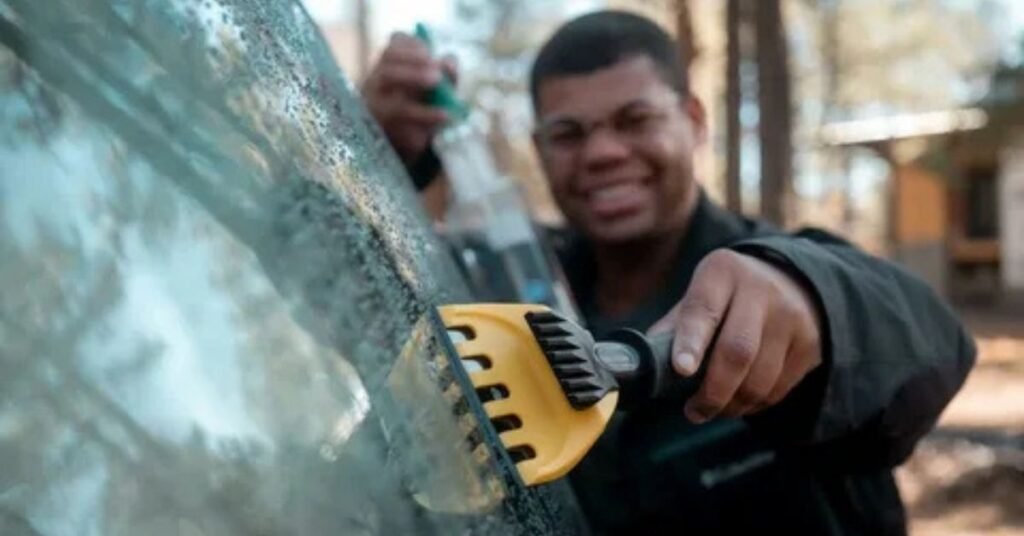
Removing ice from the inside of a windshield should be done carefully. Using sharp objects or hot water can crack the glass. The safest way is to warm the car gradually and let the ice melt naturally.
You can also use a soft cloth or a plastic scraper designed for windshields. Turn on the defroster and direct warm air toward the glass. Wiping gently in small sections helps remove ice without damaging the glass.
Best Way to Defrost the Inside of Your Windshield
The best way to defrost the inside of your windshield is to use warm air from the car’s defroster. Turn on the heater and direct it toward the glass. Be patient and let the ice melt slowly. You can also wipe the glass gently with a soft cloth to remove condensation.
Tips to defrost safely:
- Use the car’s defroster or heater
- Wipe with a microfiber cloth
- Remove wet items from the car to reduce moisture
- Crack a window slightly to improve airflow
What Not to Do (Hot Water, Sharp Tools, De-icers)
Some methods can damage your windshield. Never pour hot water on the glass. Sharp objects like knives or metal scrapers can scratch or crack it. Avoid chemical de-icers inside the car, as they may harm the interior.
Things to avoid:
- Hot water directly on glass
- Metal or sharp scrapers
- Chemical sprays meant for outside use
- Rubbing hard on frozen spots
Following safe methods protects your windshield and keeps it clear.
The Best Way to Prevent Freezing on Your Windshield
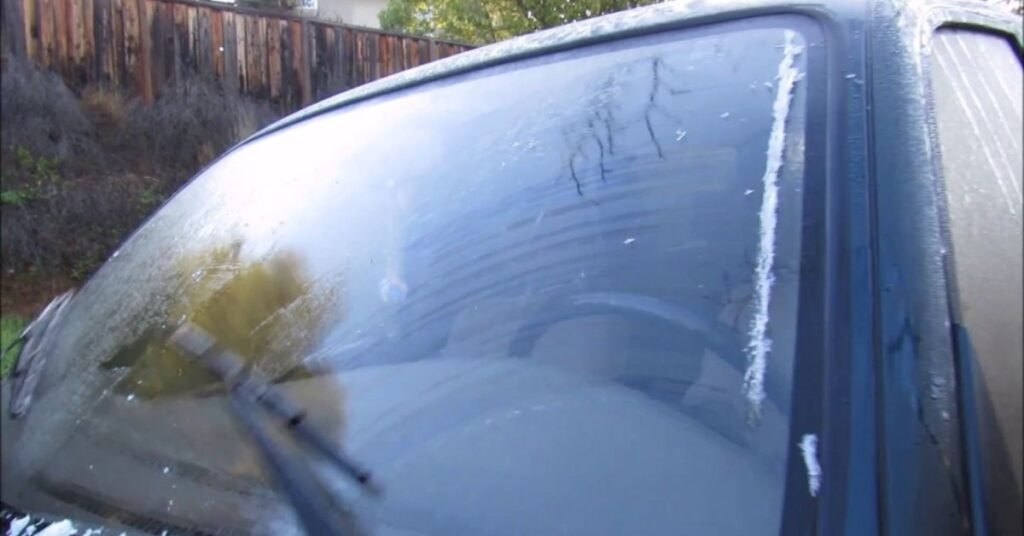
The first step to preventing ice on your windshield is to reduce the amount of moisture inside your vehicle. Wet items and damp floor mats add extra water to the air. Removing them or drying them properly helps a lot.
Tips to reduce moisture:
- Take out wet clothes, shoes, and umbrellas
- Dry floor mats before using
- Keep the car interior clean and dry
Use Air Conditioner to Reduce Humidity
The air conditioner can help even in winter. Keep the windshield clear by running the A/C before driving.
Improve Ventilation and Air Circulation
Good airflow prevents frost from forming. Use air vents to circulate air or crack windows slightly.. Avoid leaving vents blocked by objects.
Use Car Dehumidifiers or Moisture Absorbers
Car dehumidifiers or moisture absorbers are very effective.When the weather is cold and wet, use them regularly..
Make driving safer by taking steps like these to prevent your windshield from freezing.
Does a Frozen Windshield Inside Affect Driving Safety?
A frozen windshield inside can make driving dangerous. Ice and frost reduce visibility, making it hard to see the road. This increases the risk of accidents, especially in traffic or bad weather. Even small patches of frost can block your view and slow your reaction time.
Visibility Problems and Accident Risks
- Frost blocks your view of other cars and pedestrians
- Glare from sunlight or headlights can make ice worse
- Delayed reactions increase the chance of collisions
Why You Should Fix the Root Cause Quickly
Fixing the root cause prevents repeated problems. Excess moisture, leaks, or poor ventilation can make ice return quickly. Solving these issues keeps your windshield clear and your driving safe.
Tips to act fast:
- Dry wet carpets and floor mats
- Repair leaks or damaged door seals
- Use defrosters and maintain proper ventilation
Addressing the problem early keeps you and others safe on the road.
Can You Use De-Icer on the Inside of a Windshield?
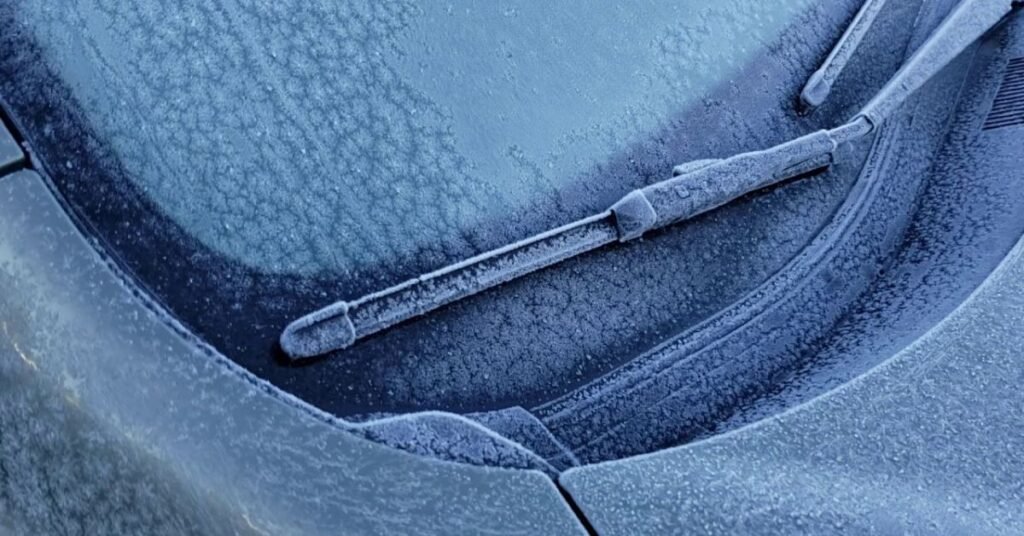
Using chemical de-icers on the inside of a windshield is not recommended. Most de-icers are made for outside glass and can damage the car interior. They may harm plastics, fabrics, or leave harmful fumes inside the car.
Is It Safe to Use De-Icer Inside the Car?
- Most commercial de-icers are not safe for indoor use
- Can leave chemical residue on dashboard and upholstery
- Fumes can irritate eyes and lungs
- May damage the defroster or heater vents
Better Alternatives to Clear Inside Ice
Instead of de-icer, use safer methods to remove ice inside the windshield:
| Method | How It Works | Benefits | Notes |
| Car defroster | Warms the glass slowly | Safe, effective | Turn on heater and direct air to windshield |
| Soft cloth or microfiber | Wipe condensation and light frost | Gentle on glass | Avoid hard rubbing |
| Plastic scraper designed for inside | Scrapes thin frost | Safe on glass | Do not use metal |
| Air conditioning | Removes moisture from air | Reduces humidity | Can be used in winter too |
| Moisture absorbers | Traps water from the air | Prevents frost buildup | Replace regularly |
| Crack a window slightly | Improves ventilation | Reduces trapped moisture | Works best in dry, cold weather |
Using these alternatives keeps your car interior safe while clearing ice efficiently.
When Should You See a Mechanic for Inside Windshield Frost?
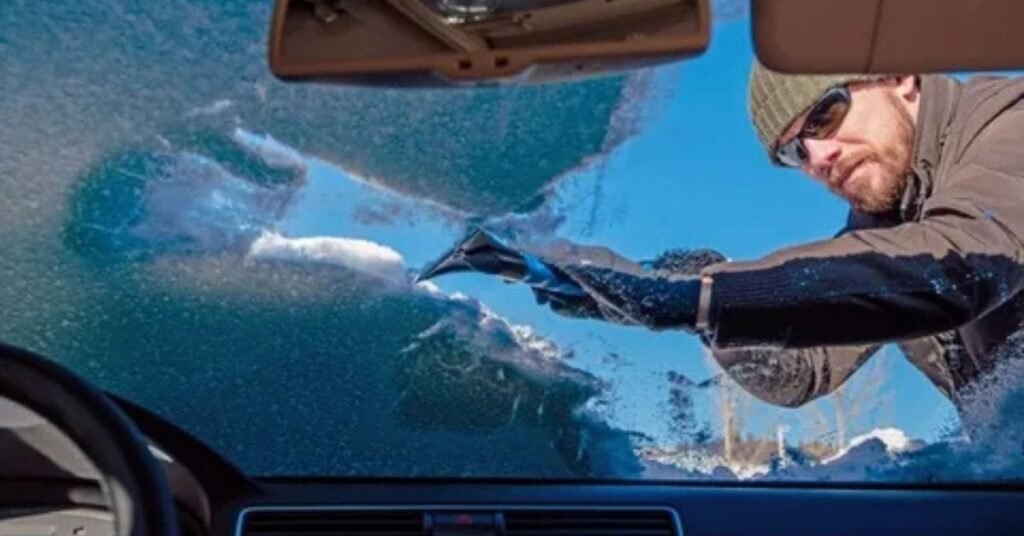
You should see a mechanic if frost inside happens often or does not go away. Frequent frost may indicate leaks, damaged seals, or ventilation problems. Ignoring it can lead to more moisture, mold, or bad smells inside the car.
Signs you need a mechanic:
- Frost forms every morning, even in mild cold
- Water or leaks appear inside the car
- Musty or damp smell inside the cabin
- Windows fog constantly while driving
- Defroster or heater is not working properly
Seeing a mechanic early can prevent bigger problems and keep your windshield clear and safe.
Conclusion
The inside of a windshield frozen is a common winter problem. It happens when moisture inside the car meets cold glass. This can reduce visibility and make driving unsafe. Understanding the causes helps prevent it.
To avoid frost, remove wet items, improve ventilation, and use dehumidifiers. Warm the car slowly and use the defroster to clear ice safely. Fix leaks and damp areas quickly. These simple steps keep your inside windshield frozen issue under control and make driving safer.
FAQs:
1. Why is the inside of my windshield frozen?
It usually happens when moisture inside the car meets cold glass, forming frost.
2. How can I safely remove ice from the inside of the windshield?
Use the car’s defroster, warm air, and a soft cloth or plastic scraper—never hot water or metal tools.
3. Can frost damage my car?
Yes, repeated moisture can cause mold, bad smells, and damage to carpets or upholstery.
4. How can I prevent the inside of my windshield from freezing?
Remove wet items, improve ventilation, use A/C or dehumidifiers, and repair leaks or damaged seals.
5. When should I see a mechanic about the inside windshield frost?
See a mechanic if frost happens often, leaks are present, or your defroster/vents are not working properly.
Final Thoughts:
The inside of the windshield is mostly caused by trapped moisture. Taking simple preventive steps and fixing leaks keeps your car safe and your glass clear.
