

Introduction:
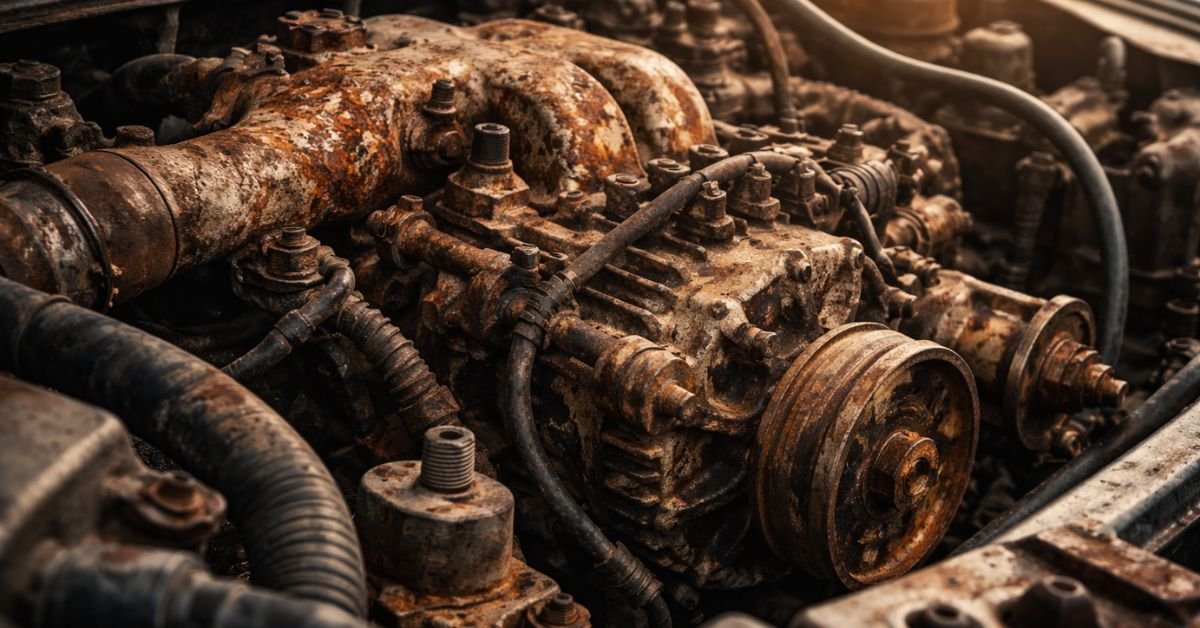
Rust on a car engine occurs when metal parts start to corrode due to moisture, salt, or lack of maintenance. Over time, this corrosion can damage essential engine components, reduce performance, and even lead to costly repairs. Many car owners ignore small signs of rust, thinking it is harmless, but it can quickly turn into a serious problem if not addressed promptly.
The good news is that rust on a car engine can be fixed with simple steps. By identifying the affected areas early and using the right tools and methods, you can prevent further damage and keep your engine running smoothly. Ignoring rust can lead to leaks, overheating, and expensive replacements, so acting fast is always better.
In this guide, we will explore easy and practical fixes for rust on your car engine. You will learn about cleaning techniques, protective coatings, and maintenance tips that help prolong the life of your engine. Following these steps ensures your engine remains safe, efficient, and free from corrosion.
What Is Rust on a Car Engine?
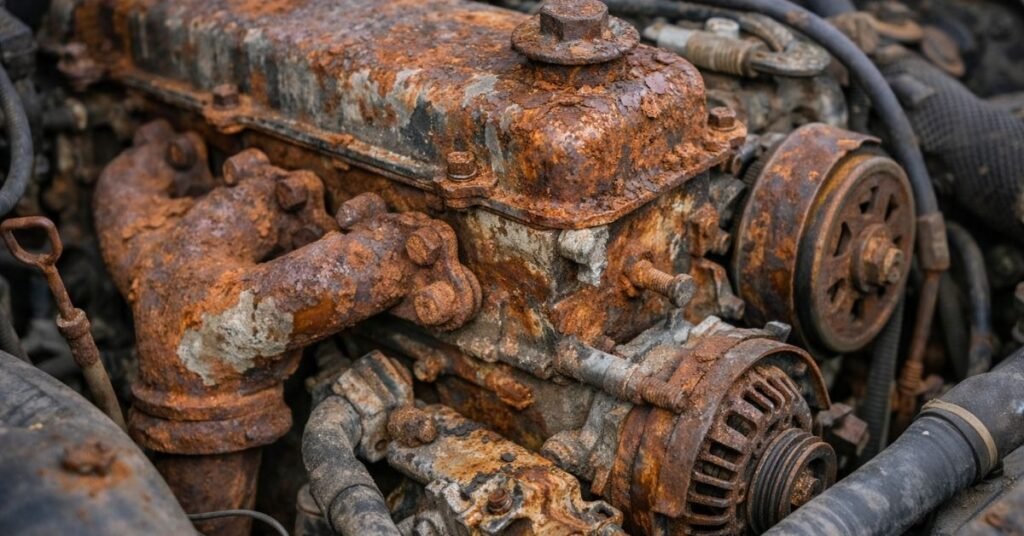
Rust on a car engine is the corrosion of metal parts. It happens when metal reacts with water, air, or salt. Rust can appear as orange or brown spots on engine parts. Over time, it can weaken metal and cause damage. Rust does not always show immediately, but it can slowly spread if not treated.
Rust on a car engine can affect performance and safety. Some common problems caused by rust include:
- Engine parts wearing out faster
- Reduced fuel efficiency
- Overheating issues
- Leaks in critical areas
Preventing rust early can save money and avoid major repairs. Regular checks, cleaning, and protective coatings can help keep your engine safe.
Common Causes of Engine Rust and Corrosion
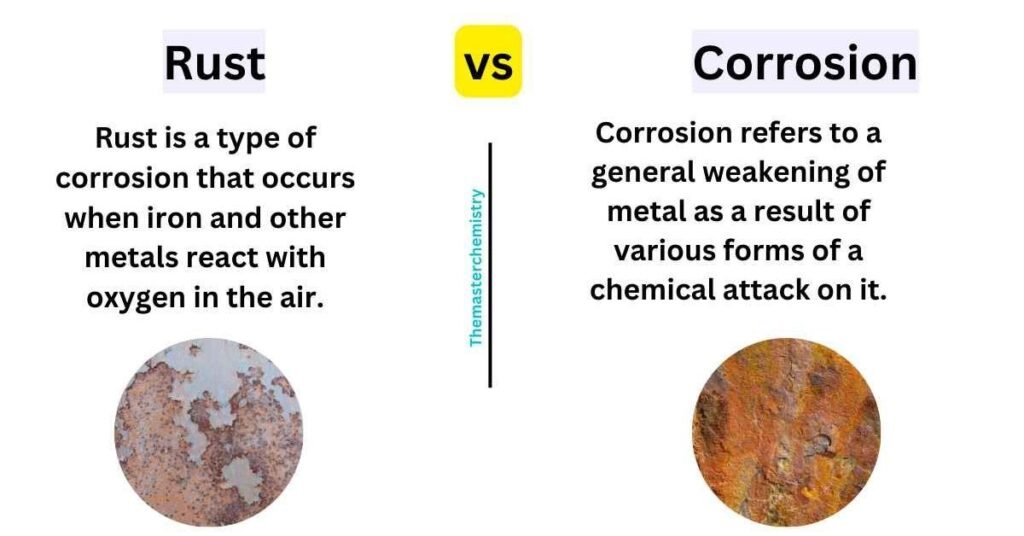
- Moisture exposure: Water from rain, puddles, or washing can cause rust if the engine is not dry.
- Salt and road chemicals: Driving in winter or on salted roads accelerates corrosion.
- Poor maintenance: Skipping regular cleaning or inspections allows rust to form unnoticed.
- Coolant leaks: Leaking antifreeze or coolant can damage metal parts over time.
- Condensation in engine parts: Temperature changes can cause water buildup inside the engine.
- Old or damaged paint/coating: Protective layers wear off, leaving metal exposed to rust.
- High humidity environments: Cars stored in damp areas are more likely to develop corrosion.
Common Causes of Engine Rust and Corrosion
| Cause | How It Affects the Engine |
| Moisture | Water from rain or washing can start rusting metal parts. |
| Salt & Road Chemicals | Speeds up corrosion, especially in winter or coastal areas. |
| Poor Maintenance | Dirt and grime hold moisture and cause rust over time. |
| Coolant Leaks | Leaking antifreeze can damage engine metal surfaces. |
| Condensation | Temperature changes create water inside engine parts. |
| Worn Protective Coating | Exposed metal rusts faster without paint or coatings. |
| High Humidity | Cars stored in damp areas are more prone to corrosion. |
Signs Your Engine Has Rust Problems
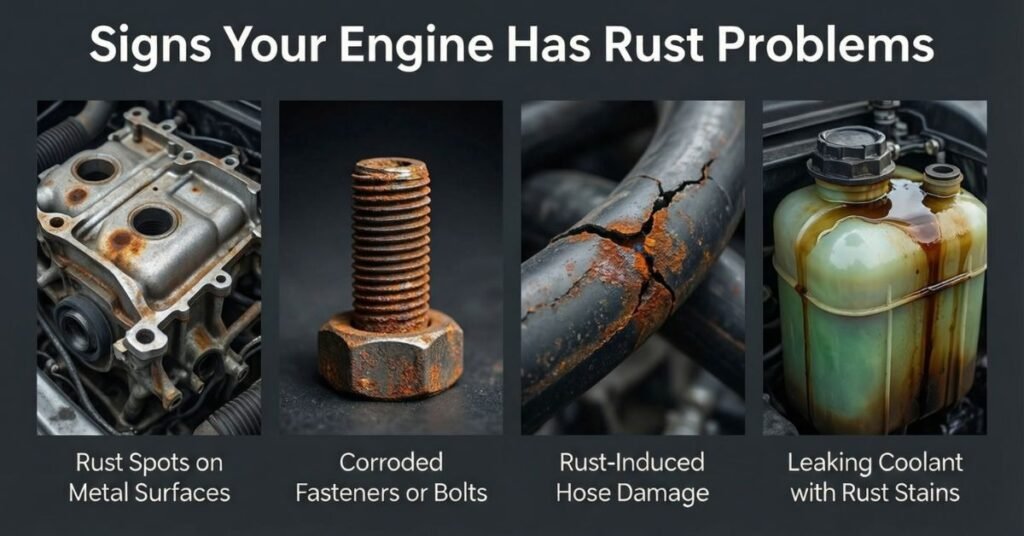
- Orange or brown spots on engine parts or bolts.
- Strange noises like grinding or squeaking from corroded parts.
- Reduced performance, such as slower acceleration or rough idling.
- Coolant leaks that may be caused by rusted seals or pipes.
- Overheating issues due to clogged or corroded passages.
- Difficulty starting the engine if rust affects key components.
- Unusual smells from burning metal or corrosion residue.
Signs Your Engine Has Rust Problems
| Sign | What It Means |
| Orange or brown spots | Metal parts are corroding and rust is forming. |
| Strange noises | Rust may be causing friction or damaged parts. |
| Reduced performance | Corrosion can affect engine efficiency and power. |
| Coolant leaks | Rusted seals or pipes may be letting fluid escape. |
| Overheating | Rust can block coolant flow or damage the system. |
| Difficulty starting | Key engine components may be corroded or stuck. |
| Unusual smells | Burning metal or rust residue is present. |
Why Rust on an Engine Is Dangerous
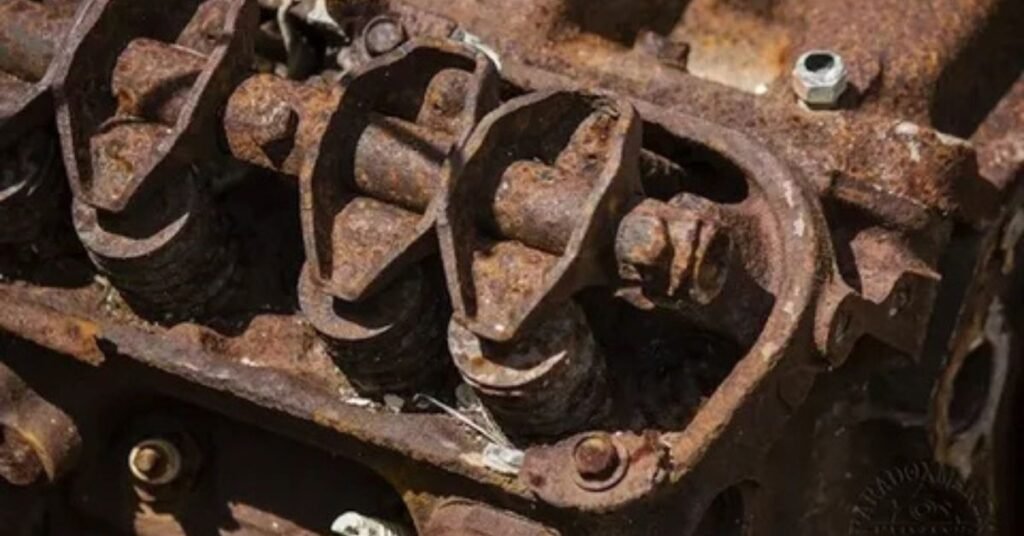
Rust on a car engine is not just a cosmetic problem. It weakens metal parts and can cause serious damage over time. Corroded parts may break, leak, or stop working properly. Rust can affect performance, fuel efficiency, and safety. Ignoring rust can lead to costly repairs or even engine failure.
Rust can cause many problems in your engine, such as:
- Weakened parts – bolts, pipes, and components can break easily.
- Leaks – rusted seals or gaskets can cause coolant or oil leaks.
- Overheating – blocked or corroded passages reduce cooling efficiency.
- Poor performance – engines may run rough or lose power.
- Costly repairs – replacing rusted parts is expensive and time-consuming.
How to Prevent Rust on Your Car Engine
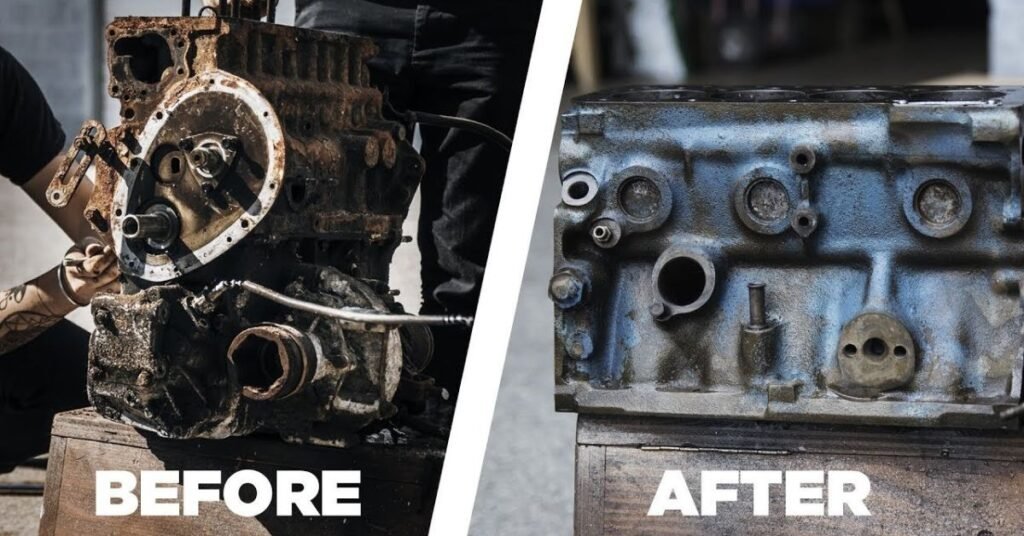
Preventing rust on your car engine starts with regular maintenance. Keep the engine clean and dry. Wash off dirt, grime, and salt after driving in wet or snowy conditions. Check for leaks in coolant, oil, or other fluids and fix them promptly. Using protective sprays or coatings can also shield metal parts from moisture and corrosion.
Storing your car in a dry, covered area helps prevent rust too. Regular inspections can catch early signs of corrosion before they spread. Simple habits like these keep your engine running smoothly and extend its life. By staying proactive, you save money and avoid serious engine problems.
Keep Your Engine Bay Clean and Dry
Keeping your engine bay clean and dry is very important to prevent rust. Dirt, dust, and moisture can build up and cause corrosion over time. Regular cleaning removes grime that traps water and speeds up rusting. Always let your engine cool before cleaning to avoid damage or burns.
Some tips to keep your engine bay safe:
- Wash carefully: Use water and mild soap to clean dirt.
- Dry completely: Remove all moisture after washing.
- Check for leaks: Fix oil or coolant leaks immediately.
- Inspect often: Look for early signs of rust or corrosion.
- Avoid high-pressure water: It can damage sensitive parts.
Apply Rust Inhibitors and Protective Coatings
- Use rust inhibitor sprays on exposed metal parts to prevent corrosion.
- Apply protective coatings to engine components for long-lasting protection.
- Reapply regularly according to product instructions to maintain effectiveness.
- Focus on vulnerable areas like bolts, brackets, and pipes.
- Clean before applying to remove dirt, grease, or moisture for better adhesion.
- Check after rain or washing to ensure protective layers are still intact.
- Combine with regular maintenance for maximum rust prevention.
Maintain Coolant and Fluids with Anti‑Corrosion Additives
| Fluid / Action | How It Helps Prevent Rust |
| Coolant with anti-corrosion additives | Protects engine metal from rust and corrosion. |
| Brake fluid with corrosion inhibitors | Keeps brake lines and components safe from rust. |
| Engine oil with additives | Forms a protective layer on moving parts. |
| Regular fluid checks | Ensures no leaks or old fluid that can cause corrosion. |
| Flushing old coolant | Removes rust particles and prevents buildup. |
| Using the right fluid mix | Maintains chemical balance to protect metal surfaces. |
| Topping up fluids on time | Prevents exposure of metal parts to air and moisture. |
Regular Inspection and Engine Maintenance
- Check engine parts often for rust, corrosion, or damage.
- Tighten loose bolts and replace worn-out components immediately.
- Look for leaks in coolant, oil, or other fluids.
- Clean the engine bay regularly to remove dirt and moisture.
- Monitor engine performance for unusual sounds or reduced power.
- Follow the manufacturer’s maintenance schedule for oil changes and servicing.
- Apply rust inhibitors to vulnerable parts during inspections.
- Store cars properly in a dry, covered area when not in use.
Professional Rust Prevention Options
Sometimes DIY methods are not enough to fully protect your engine. Professional rust prevention treatments provide stronger and longer-lasting protection. Experts can apply specialized coatings that are hard to replicate at home. These treatments help prevent rust from forming in hidden or hard-to-reach areas of your engine.
Some professional rust prevention options include:
- Engine bay coatings – thick protective layers applied by specialists.
- Undercoating sprays – protect the underside and other exposed metal parts.
- Electrochemical rust inhibitors – advanced treatments that prevent corrosion at a molecular level.
- Regular professional inspections – experts detect early signs of rust and fix them.
- Professional cleaning services – remove dirt and moisture completely before coating.
What to Do If Rust Is Already Present
If you notice rust on your engine, act quickly. Small rust spots can be treated before they cause serious damage. Ignoring rust allows it to spread and weaken metal parts. Cleaning and applying protective coatings can help stop it from getting worse.
Some steps to handle existing rust include:
- Clean the rusted area using a wire brush or rust remover.
- Apply a rust converter to neutralize the corrosion.
- Use protective coatings after cleaning to prevent future rust.
- Replace severely damaged parts if necessary.
- Inspect surrounding areas to ensure rust hasn’t spread.
- Seek professional help for deep or hard-to-reach rust.
Rust Prevention Products Worth Considering
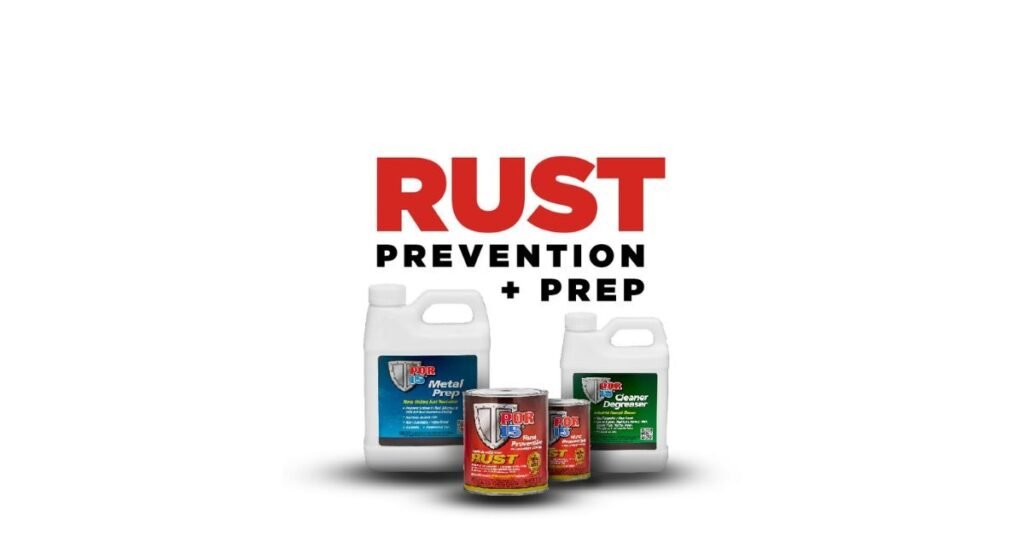
| Product | Purpose / Benefit |
| Rust Inhibitor Spray | Protects exposed metal parts from moisture and corrosion. |
| Protective Engine Coating | Creates a strong layer to prevent rust on engine components. |
| Anti-Corrosion Coolant | Keeps coolant passages free from rust and corrosion. |
| Rust Converter | Neutralizes existing rust and stops it from spreading. |
| Undercoating Spray | Shields the underside and hard-to-reach metal parts. |
| Engine Oil with Additives | Forms a protective film on moving metal surfaces. |
| Electrochemical Rust Inhibitors | Advanced treatment to prevent corrosion at the molecular level. |
| Professional Rust Treatment | Applied by experts for long-lasting engine protection. |
Conclusion
Rust on a car engine is a serious issue that can damage parts and reduce performance. The good news is that it can be prevented with regular care, cleaning, and protective products. Taking small steps now saves money and avoids bigger problems later.
By inspecting your engine often and using rust inhibitors or professional treatments, you can keep your engine healthy. Preventing rust ensures your car runs smoothly, lasts longer, and stays safe on the road. Simple maintenance today keeps your engine strong for years to come.
FAQs:
1. What causes rust on a car engine?
Rust forms when metal parts are exposed to moisture, salt, or poor maintenance. Over time, this leads to corrosion and damage.
2. How can I tell if my engine has rust?
Look for orange or brown spots, unusual noises, or leaks. Rust can also reduce engine performance.
3. Can rust on the engine be removed?
Yes, small rust spots can be cleaned using rust removers or converters. Protective coatings can stop rust from spreading.
4. How can I prevent rust on my engine?
Keep the engine clean and dry, use rust inhibitors, and perform regular inspections. Protective coatings add extra safety.
5. Do I need professional help for engine rust?
Professional treatments are useful for deep or hidden rust. Experts can apply coatings that last longer and prevent future corrosion.
