

Introduction:
Coolant is a special liquid that helps keep your car engine at the right temperature. It stops the engine from overheating in summer and freezing in winter. Mixing coolant the right way is important for smooth engine performance and long engine life.
Many drivers think adding coolant is easy, but a small mistake can cause big problems. Using the wrong mix can lead to overheating, rust, or engine damage. That’s why learning how to mix coolant properly really matters.
In this guide, you’ll learn the correct way to mix coolant for your car engine. We’ll explain the right coolant-to-water ratio and common mistakes to avoid. This simple knowledge can help protect your engine and save repair costs.
What Is Coolant and Why Is It Important for Your Engine?
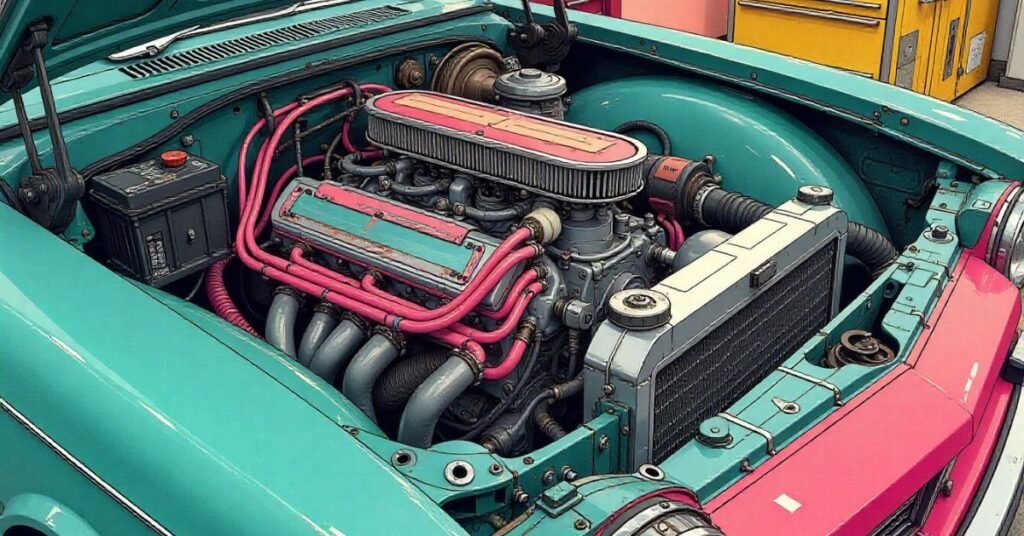
Coolant is a liquid that moves through your car engine and radiator. The engine’s temperature is kept at a safe level by it. In hot weather, it stops the engine from overheating.It prevents the engine from freezing in cold weather. Water and antifreeze are usually used as coolants.
Coolant is important because it protects engine parts from damage. It reduces rust and corrosion inside the engine. It also helps the engine run smoothly and last longer. Without proper coolant, your engine can overheat and fail. Using the right coolant keeps your car reliable and safe.
What Is Radiator Coolant?
Radiator coolant is a liquid that flows through the radiator and engine. It helps remove heat from the engine and keeps the temperature stable. Radiator coolant is usually made by mixing antifreeze with water. This mixture works in both hot and cold conditions.
Difference Between Coolant and Antifreeze & Why It Matters
Antifreeze is a concentrated liquid, while coolant is antifreeze mixed with water. Coolant is important because it protects the engine from overheating, freezing, and rust. It also prevents corrosion inside engine parts. Using proper coolant helps the engine stay safe, strong, and long-lasting.
When and Why You Need to Mix Coolant

You need to mix coolant when the coolant level is low or during a coolant change. It is also needed when you add new antifreeze to the system. Mixing coolant at the right time helps keep the engine temperature stable. It ensures the cooling system works properly in all weather.
Mixing coolant is important because pure antifreeze or plain water can harm the engine. The correct mix protects against overheating and freezing. In addition, it prevents engine rust and corrosion.. A proper coolant mix helps your engine run smoothly and last longer.
Signs Your Car Needs Coolant Mixing or Refilling
Your car may need coolant mixing or refilling if the temperature gauge runs high. You might see a warning light on the dashboard. Low coolant levels in the reservoir are another clear sign. Steam from the engine area can also mean coolant trouble.
What Happens If Coolant Is Not Mixed Properly
If coolant is not mixed properly, the engine can overheat or freeze. Poor mixing can cause rust and corrosion inside the engine. It may also damage the radiator and water pump. Over time, this can lead to costly engine repairs.
Types of Coolant and Antifreeze Explained
There are different types of coolant and antifreeze for cars. The most common are green, orange, pink, and blue. Each type has special chemicals for engine protection. Some are for older cars, while others are for modern engines.
Coolants also come in different forms, like concentrate or pre-mixed. Antifreeze is usually concentrated and needs water to mix. Using the right type helps prevent overheating and corrosion. Choosing the correct coolant keeps your engine safe and running well.
Inorganic, Organic, and Hybrid Coolants
Coolants come in three main types: inorganic, organic, and hybrid. Inorganic coolants use traditional chemicals to prevent rust. Organic coolants use organic acids for longer engine protection. Hybrid coolants combine both types for balanced performance. Choosing the right type helps protect your engine and cooling system.
Understanding Coolant and Antifreeze Colours
Coolant and antifreeze come in different colors like green, orange, pink, and blue. The color shows the type of chemicals used and which cars it suits. It helps you avoid mixing the wrong types. Using the correct color keeps your engine safe and prevents damage.
Can You Mix Coolant With Water?
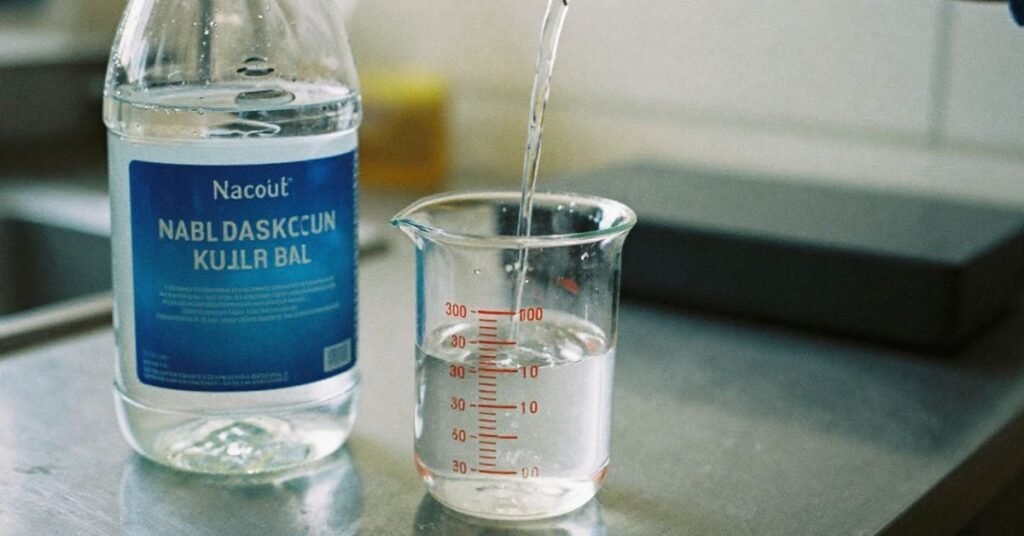
Yes, you can mix coolant with water, but it must be done in the right ratio. Most car engines need a 50/50 mix of coolant and water. This mix helps prevent overheating in summer and freezing in winter. Using too much water or too much coolant can harm the engine.
Mixing coolant with water also protects against rust and corrosion. It ensures the cooling system works efficiently. Always use clean water when mixing with coolant. A proper mix keeps your engine safe and running smoothly for a long time.
Concentrated vs Pre-Mixed Coolant
Concentrated coolant is pure antifreeze and needs to be mixed with water before use. Pre-mixed coolant already has the correct water ratio. Using the right type saves time and ensures proper engine protection. Always check your car’s manual for the recommended option.
What is the importance of using distilled water and is tap water safe for mixing coolants?
Distilled water is best for mixing with coolant because it has no minerals. Tap water can contain minerals that cause rust and scale inside the engine. Using distilled water helps keep the cooling system clean. This protects the engine and makes coolant work more effectively.
Can You Mix Different Coolants or Antifreeze Colours?
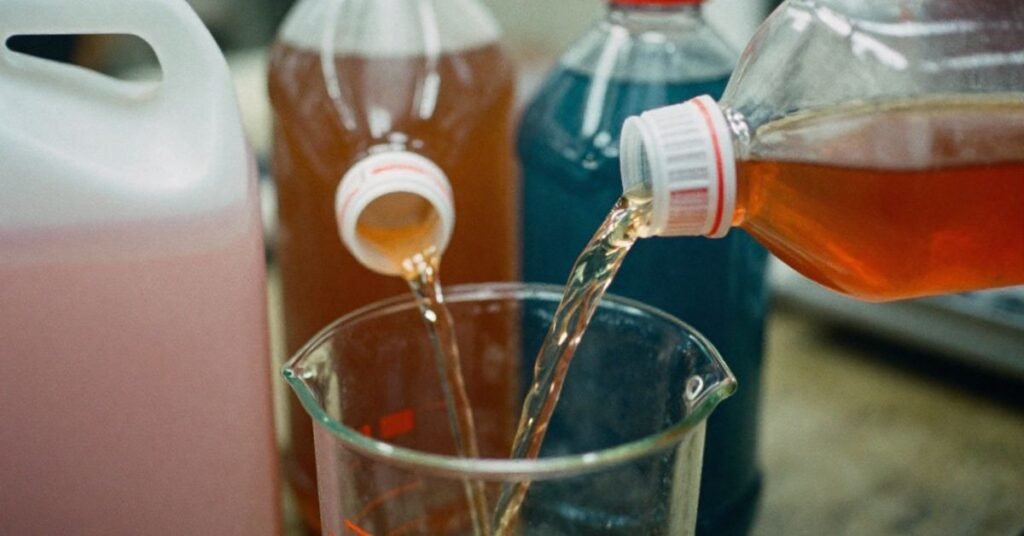
Mixing different coolants or antifreeze colours is generally not recommended. Different types have different chemicals that can react with each other. This can cause sludge, corrosion, or blockages in the cooling system. Always check your car’s manual before adding a new coolant type.
If you must mix, follow these tips:
- Only mix coolants of the same type (e.g., organic with organic).
- Avoid mixing old coolant with a new, different type.
- Flush the system if switching to a new coolant type.
Using the wrong mix can damage the engine and cooling system. Correct coolant ensures your engine stays safe and runs smoothly.
Why Mixing Different Colours Is Risky
Mixing different coolant colours can be risky because each colour often represents a different chemical formula. These chemicals may react and form sludge or deposits in the engine. This can reduce cooling efficiency and cause overheating.
Mixing coolants may be safe and will not cause problems
Mixing might be safe only if the coolants are the same type, even if the colour is different. Always check the manufacturer’s instructions before mixing.
Problems caused by mixing the wrong coolants:
- Engine overheating
- Rust and corrosion inside the cooling system
- Damage to the radiator and water pump
- Sludge buildup that blocks coolant flow
Using the correct coolant type and mix keeps your engine safe and working well.
Correct Coolant-to-Water Ratio for Cars
The correct coolant-to-water ratio is usually 50/50. This means half coolant and half water. This mix works well in both hot and cold weather. It protects the engine from overheating and freezing.
Some cars may need a different ratio, like 60/40. Always check your car’s manual for the recommended mix. Using the right ratio prevents rust and corrosion. It also keeps the cooling system working efficiently and the engine safe.
Standard 50/50 Coolant Mixing Ratio
The standard coolant mix is 50% coolant and 50% water. This ratio works well for most cars in normal weather.In summer, it prevents the engine from overheating and in winter, it keeps it warm. This mix also protects against rust and corrosion.
Best Coolant Ratio for Hot Climates & Effects of Wrong Coolant Ratio
In hot climates, like Pakistan, some cars may need a 60/40 mix of coolant to water. This gives extra protection against high temperatures. Using the wrong ratio can cause problems:
- Engine overheating
- Freezing in cold weather
- Rust and corrosion inside the engine
- Poor cooling system performance
A correct mix keeps the engine safe and running smoothly.
How to Mix Coolant Manually (Best Method for Cars)
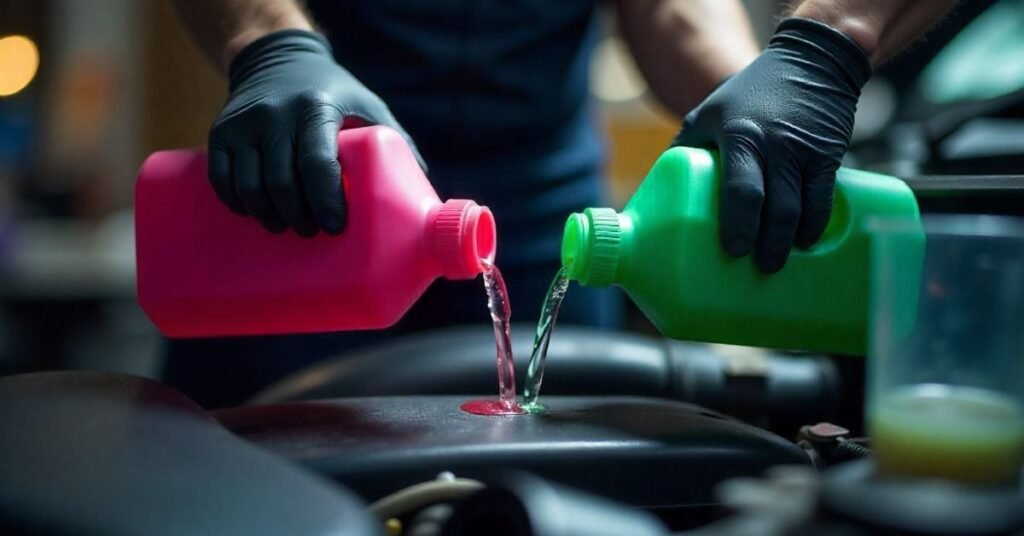
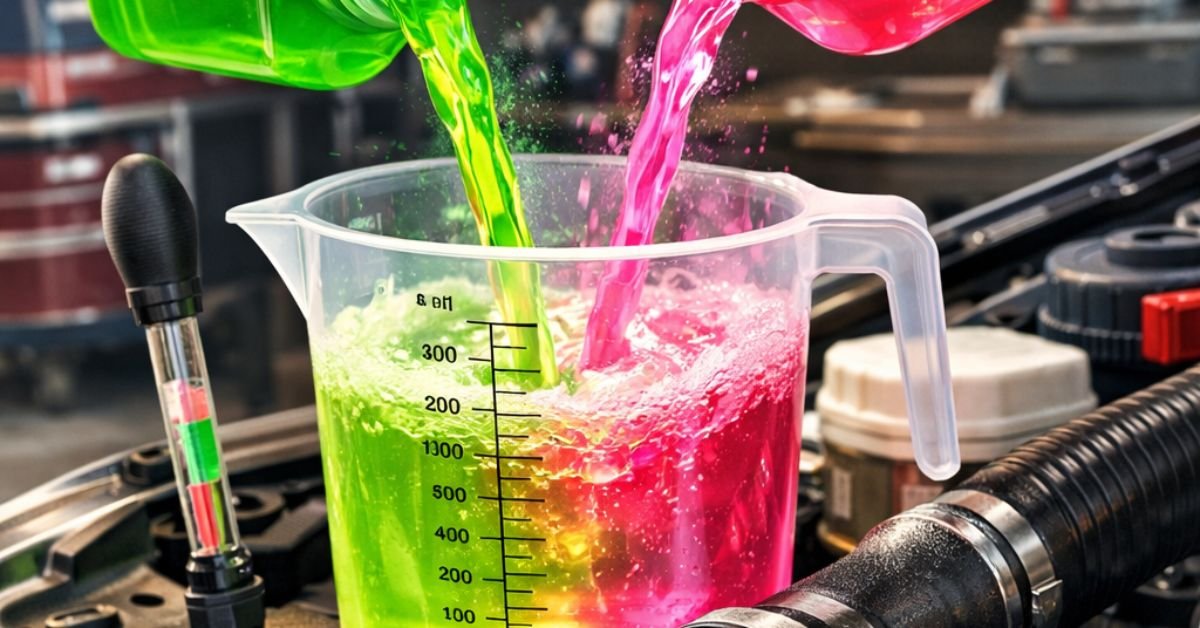
Mixing coolant manually is simple if you follow the right steps. First, check your car’s manual for the recommended coolant type and ratio. Usually, a 50/50 mix of coolant and distilled water works best.
Next, pour the coolant and water into a clean container. Mix them gently until fully combined. Always use distilled water to prevent rust and deposits. After mixing, pour the solution into the car’s radiator or reservoir. This keeps your engine cool and protected.
Tools and Items You Need
To mix coolant manually, you need a few simple items. You will need the right type of coolant, distilled water, and a clean container. A funnel helps pour the liquid without spilling. Gloves and a cloth are useful to keep your hands and car clean.
Step-by-Step Manual Coolant Mixing Process
First, check your car manual for the correct coolant ratio. Next, pour the coolant and distilled water into the container. Mix them gently until fully combined. Use a funnel to pour the mix into the radiator or reservoir. Finally, check the coolant level and close the cap tightly. This ensures your engine stays safe and cool.
How to Mix Coolant Before Pouring It into the Radiator
Before pouring coolant into the radiator, it must be mixed correctly. Most cars need a 50/50 mix of coolant and distilled water. Some cars in hot climates may need a 60/40 mix. Using distilled water prevents rust and deposits inside the engine.
Follow these steps to mix coolant safely:
| Step | What to Do | Notes |
| 1 | Check your car manual | Find the recommended coolant type and ratio |
| 2 | Gather items | Coolant, distilled water, clean container, funnel, gloves |
| 3 | Measure the liquids | Use correct ratio (50/50 or 60/40) |
| 4 | Pour into container | Mix coolant and water gently |
| 5 | Stir the mixture | Ensure it is fully blended |
| 6 | Pour into radiator | Use a funnel to avoid spills |
| 7 | Check level | Make sure radiator is full, then close the cap |
| 8 | Run the engine | Check for leaks and proper cooling |
Mixing coolant correctly keeps the engine safe and prevents overheating or damage. Always follow these steps for best results.
Should You Mix Coolant Before or Inside the Radiator?
It is best to mix coolant before pouring it into the radiator. Pre-mixing ensures the correct ratio of coolant and water. Pouring an unmixed concentrate into the radiator can cause uneven cooling. Mixing first also prevents damage to engine parts and avoids corrosion.
Common Mixing Mistakes to Avoid
Many people make mistakes when mixing coolant. Using tap water instead of distilled water can cause rust. Adding the wrong ratio can lead to overheating or freezing. Mixing different types or colours of coolant is also risky. Always follow the correct steps and ratios to keep your engine safe.
How to Check If Coolant Is Mixed Correctly
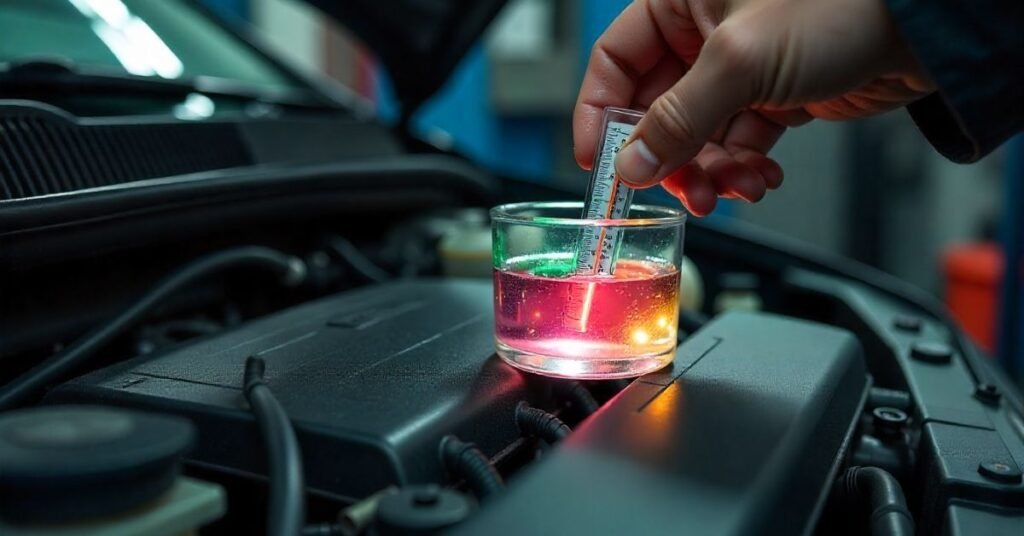
You can check if coolant is mixed correctly using a refractometer or coolant tester. These tools measure the coolant-to-water ratio. A correct mix protects the engine from overheating and freezing. Signs of incorrectly mixed coolant include engine overheating, poor cooling, or strange deposits in the radiator.
Common Coolant Mixing Problems and Solutions
Overheating is a common problem caused by wrong coolant ratio or low levels. Always check the mixture and top up if needed. Coolant leaks and corrosion can damage engine parts. Regular checks and proper mixing prevent these issues.
Dos and Don’ts of Mixing Coolant and Antifreeze
Dos:
- Use the correct coolant type for your car
- Mix with distilled water
- Follow the recommended ratio
- Check coolant level regularly
Don’ts:
- Don’t mix different types or colours
- Don’t use tap water
- Don’t pour coolant directly without mixing
- Don’t ignore leaks or signs of corrosion
How Often Should You Change or Remix Coolant?
Coolant should be changed according to your car’s manual. Usually, every 2–5 years or 30,000–60,000 km. Hot climates can shorten coolant life. Check levels more often in places with high temperatures.
Environmental Safety and Coolant Disposal
Old coolant must be disposed of properly. Recycle it or dispose of it at a hazardous waste facility. Never pour it on the ground or down the drain. Proper disposal protects the environment and water sources.
Conclusion
Knowing how to mix coolant correctly is very important for your car. The right mix protects your engine from overheating, freezing, and corrosion. Always follow the recommended ratio and use distilled water.
Mixing coolant properly also prevents costly repairs and keeps your car running smoothly. Regular checks, proper mixing, and safe disposal make your engine reliable. Learning how to mix coolant the right way keeps both your car and the environment safe.
FAQs:
- How to mix coolant for my car?
Mix coolant with distilled water in the ratio recommended by your car’s manual, usually 50/50. - Can I mix different brands of coolant?
Only if they are the same type and chemistry; otherwise, it can damage the engine. - Is it safe to mix coolant in a hot engine?
No, always wait for the engine to cool before adding or mixing coolant. - Do I need distilled water to mix coolant?
Yes, distilled water prevents rust and deposits inside the engine. - How often should I mix or change coolant?
Check your car manual, usually every 2–5 years or 30,000–60,000 km.
