

Introduction:
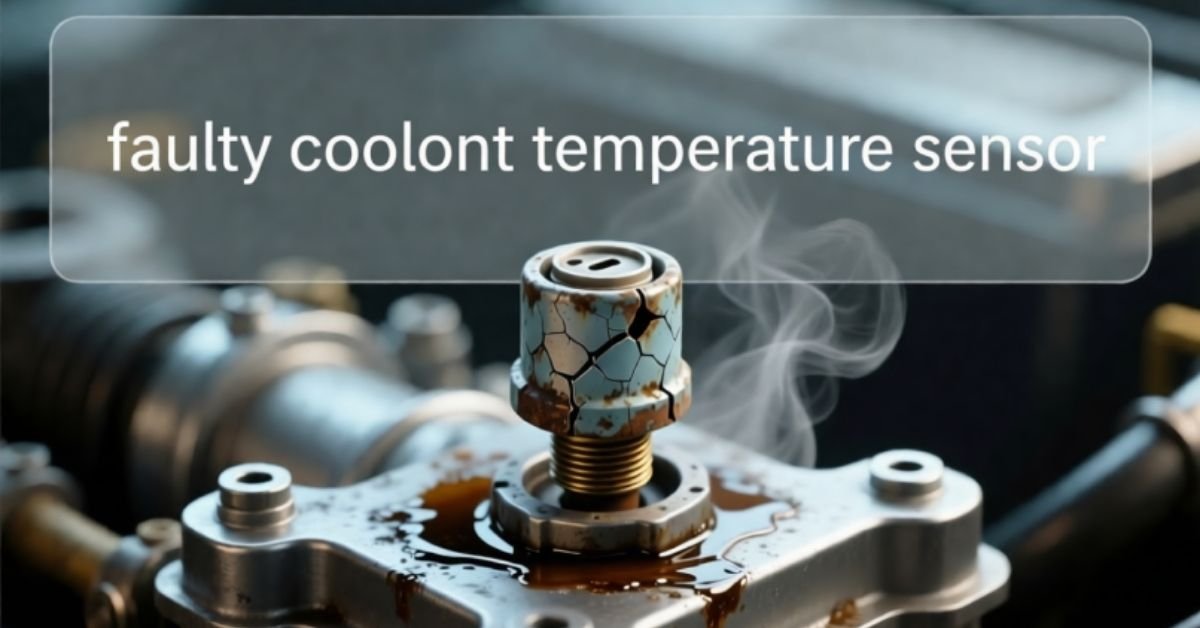
A faulty coolant temperature sensor is a small part that measures your engine’s heat levels. It sends this information to your car’s computer. When it stops working, your engine may not get the right signals, which leads to poor performance.
You may not notice this part at first, but it plays a big role in keeping your engine healthy. A bad sensor can cause hard starts, rough idling, or wrong temperature readings. These small issues can grow fast if ignored.
In this guide, you will learn how the coolant temperature sensor works, why it fails, and how you can fix it. This simple information can help you keep your car running smoothly and avoid expensive repairs.
What Is a Coolant Temperature Sensor and Why It Matters
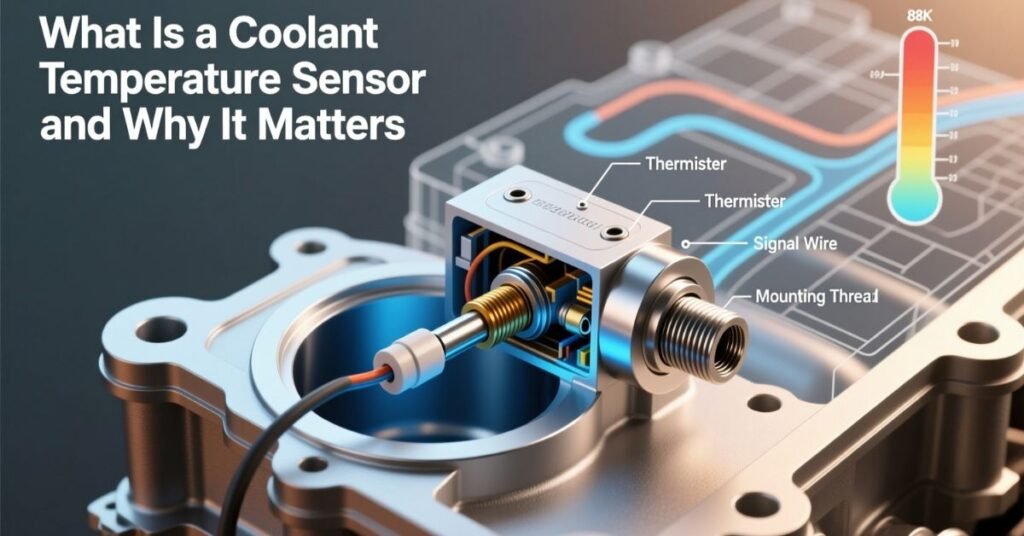
The coolant temperature sensor is a small device that checks how hot your engine is. It sends this temperature information to your car’s computer so the engine can run smoothly. When the sensor works correctly, your car gets the right fuel mix, proper cooling, and better performance.
What the Coolant Temperature Sensor Does / How the Sensor Communicates with the ECU / Why a Faulty Coolant Temperature Sensor Causes Major Engine Issues
The sensor measures engine heat and sends a signal to the ECU, which is your car’s main computer. This signal helps the ECU adjust fuel, ignition timing, and cooling. When the sensor becomes faulty, the ECU receives wrong information. This leads to poor fuel economy, overheating, hard starts, and rough engine behavior. A simple sensor problem can quickly turn into major engine issues if not fixed.
How a Coolant Temperature Sensor Works in Your Engine
The coolant temperature sensor has a simple design with a small tip that sits in the coolant stream. Inside the sensor is a heat-sensitive resistor that changes its value when the engine gets hotter or cooler. This tiny part helps your engine stay in the right temperature range by sending steady signals to the car’s computer.
The sensor reads temperature changes by reacting to the heat of the coolant. When the coolant gets hotter, the resistance drops, and when it cools down, the resistance rises. These signals help the ECU decide how much fuel to send, when to turn on the cooling fan, and how to adjust ignition timing. This keeps the engine running smoothly, saves fuel, and prevents overheating.
Common Symptoms of a Faulty Coolant Temperature Sensor
One of the first signs of a faulty coolant temperature sensor is the check engine light turning on. You may also notice poor fuel economy and a drop in engine performance. The engine might overheat or run colder than usual, which can cause serious damage if not addressed.
Other common issues include rough idling, misfires, or black smoke from the exhaust. The cooling fan may not work properly, leaving the engine at risk of overheating. You might also see incorrect or fluctuating readings on the temperature gauge, making it hard to know the engine’s real condition. These signs show it’s time to inspect or replace the sensor.
What Causes a Coolant Temperature Sensor to Go Bad
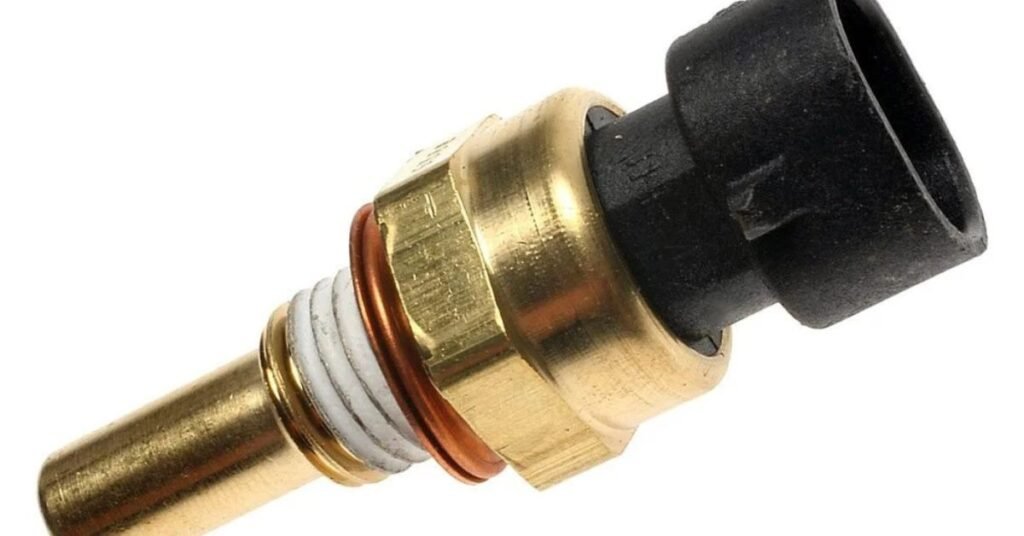
A coolant temperature sensor can fail for several reasons. Corrosion or contaminated coolant can damage the sensor over time. Wiring problems, loose connectors, or other electrical faults can stop it from sending accurate signals to the ECU.
The sensor can also wear out as it ages or suffer internal damage from heat and pressure. Low coolant levels may cause the sensor to give incorrect readings, even if the sensor itself is fine. Any of these issues can lead to poor engine performance and should be checked promptly.
How to Diagnose a Faulty Coolant Temperature Sensor
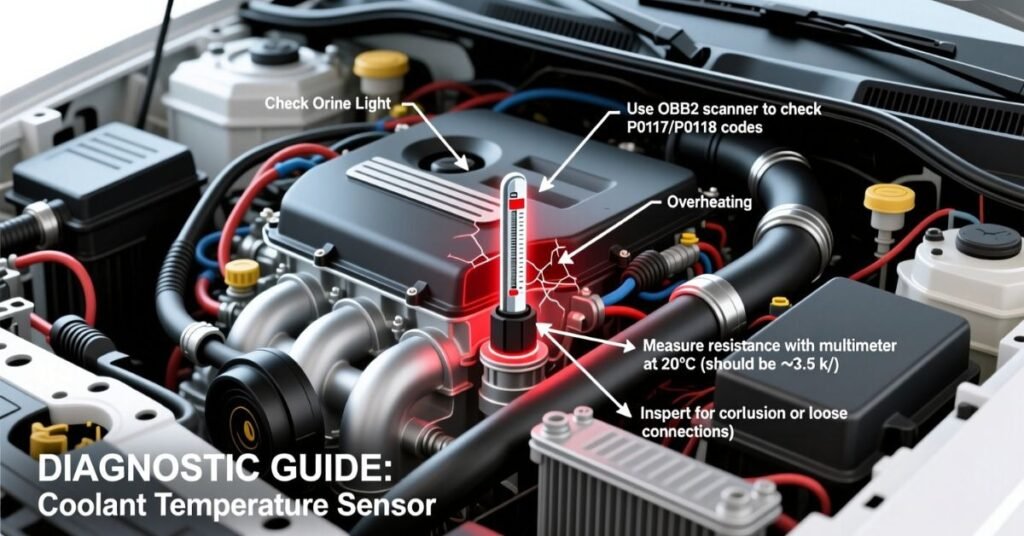
To diagnose a faulty coolant temperature sensor, start by checking temperature readings with a scan tool. This lets you see if the sensor sends the correct data to the ECU. You can also test the sensor’s resistance with a multimeter to make sure it changes properly with temperature.
Next, inspect the wiring, connectors, and coolant level for any issues. Look for loose connections, corrosion, or leaks. Some signs help you confirm a bad sensor versus thermostat problems:
- Engine overheats but coolant is full
- Fluctuating temperature gauge readings
- Rough idling or poor fuel economy
These steps help identify if the sensor is the problem and prevent bigger engine issues.
How to Replace a Faulty Coolant Temperature Sensor
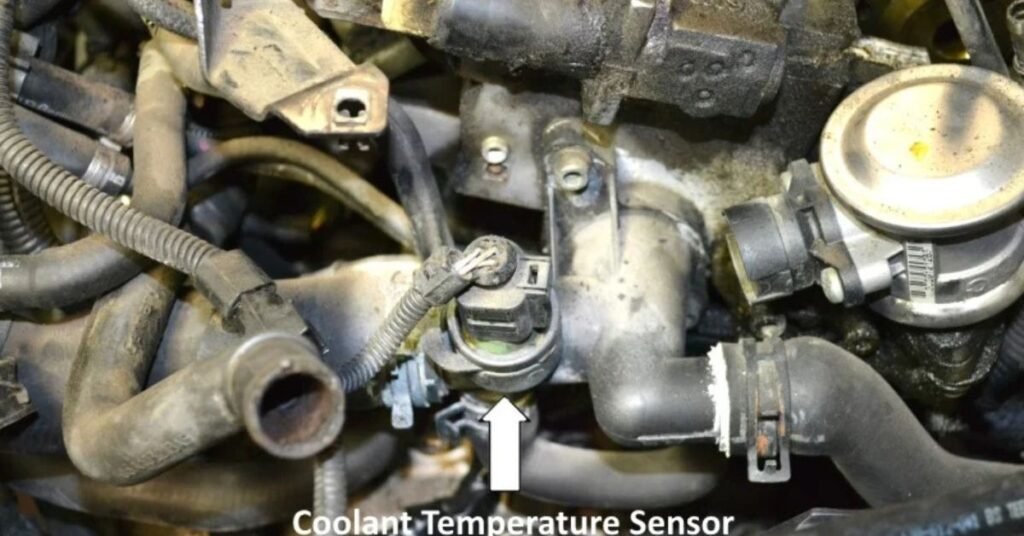
Replacing a faulty coolant temperature sensor is simple if you follow the steps carefully. First, locate the sensor on your engine. Then, disconnect the electrical connector to avoid any short circuits. Next, remove the old sensor safely using the right tools.
After that, install the new sensor and tighten it securely. Reconnect the wiring and refill the coolant if needed. Finally, start the engine and recheck the temperature reading to make sure the new sensor works properly.In this way, you can ensure that your engine runs smoothly and that it doesn’t overheat.
Where the Coolant Temperature Sensor Is Located
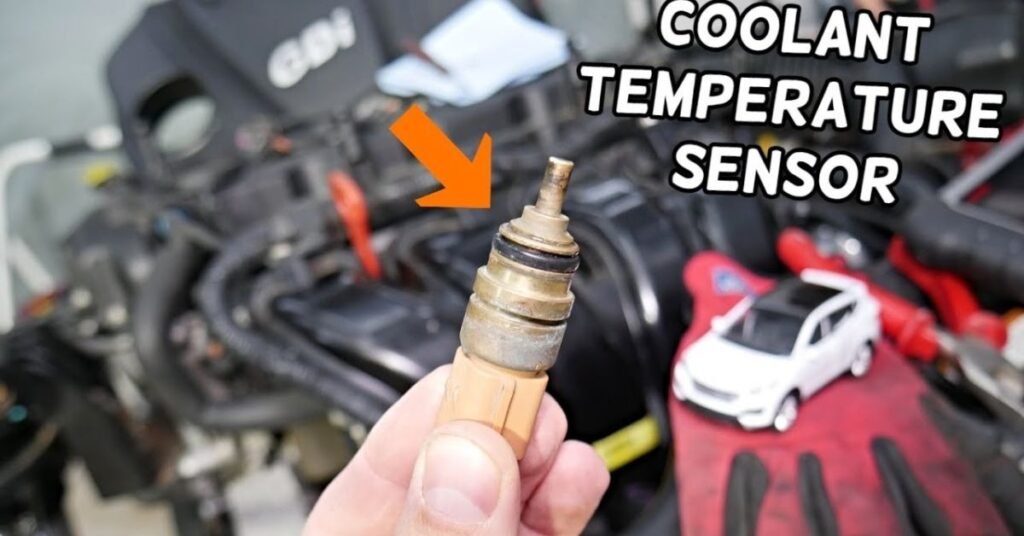
The coolant temperature sensor is usually near the engine’s thermostat or directly on the cylinder head. Different types of vehicles have different locations for the sensor.. In some cars, it is easy to see and reach, while in others it may be hidden under hoses or engine covers.
To find the correct sensor, look for a small part with a wire connector attached. Checking your vehicle’s manual can help. The sensor’s location affects how hard it is to remove—some engines need extra parts removed first, while others allow direct access. Knowing this makes replacement safer and faster.
Avoiding Future Coolant Temperature Sensor Issues
Proper maintenance of your cooling system can prevent sensor problems. Always check the coolant condition and level regularly. Clean or flush the system when needed, and make sure hoses and connections are in good shape. Regular care keeps the engine running at the right temperature and protects the sensor from damage.
It’s also smart to replace sensors and thermostats preventively. Doing this before they fail can save costly repairs. The table below shows a simple maintenance schedule to avoid future issues:
| Maintenance Task | Frequency | Notes |
| Check coolant level | Every month | Top up if low |
| Inspect hoses and connectors | Every 3 months | Look for cracks or leaks |
| Flush cooling system | Every 2 years or 30,000 miles | Use recommended coolant |
| Replace coolant temperature sensor | Every 60,000–100,000 miles | Or sooner if faulty |
| Replace thermostat | Every 60,000 miles | Prevent overheating or poor performance |
| Monitor temperature gauge readings | Each drive | Watch for unusual spikes or drops |
This routine helps keep your sensor and engine safe from future problems.
Faulty Coolant Temperature Sensors
A faulty coolant temperature sensor can cause many engine problems if ignored. Driving with a bad sensor may lead to poor fuel economy, rough idling, and even engine overheating. The ECU gets wrong temperature data, which affects how your engine runs.
Other issues include misfires or black smoke from the exhaust. Replacement usually costs between $50 and $150, depending on your car and labor. Most sensors last around 60,000–100,000 miles, but regular checks and maintenance can extend their life and keep your engine safe.
Conclusion
A faulty coolant temperature sensor can cause many engine problems if not fixed. It affects fuel efficiency, engine performance, and can even lead to overheating. Paying attention to warning signs early can save costly repairs.
Regular maintenance and timely replacement help keep your engine safe. Checking coolant levels, inspecting sensors, and following a proper schedule prevents issues. Fixing a faulty coolant temperature sensor on time keeps your car running smoothly and reliably.
FAQs
- What are the signs of a faulty coolant temperature sensor?
A faulty coolant temperature sensor can cause engine overheating, poor fuel economy, rough idling, or black smoke. - When the coolant temperature sensor fails, can I still drive?
It is not safe, as it can lead to engine damage and reduced performance. - How much does it cost to replace a faulty coolant temperature sensor?
Replacement usually costs between $50 and $150, depending on your car and labor. - How long does a coolant temperature sensor last?
Most sensors last 60,000–100,000 miles, but regular maintenance can extend their life. - What are the effects of a faulty coolant temperature sensor on engine misfires?
Yes, incorrect temperature readings can affect the fuel mixture and trigger misfires.
