

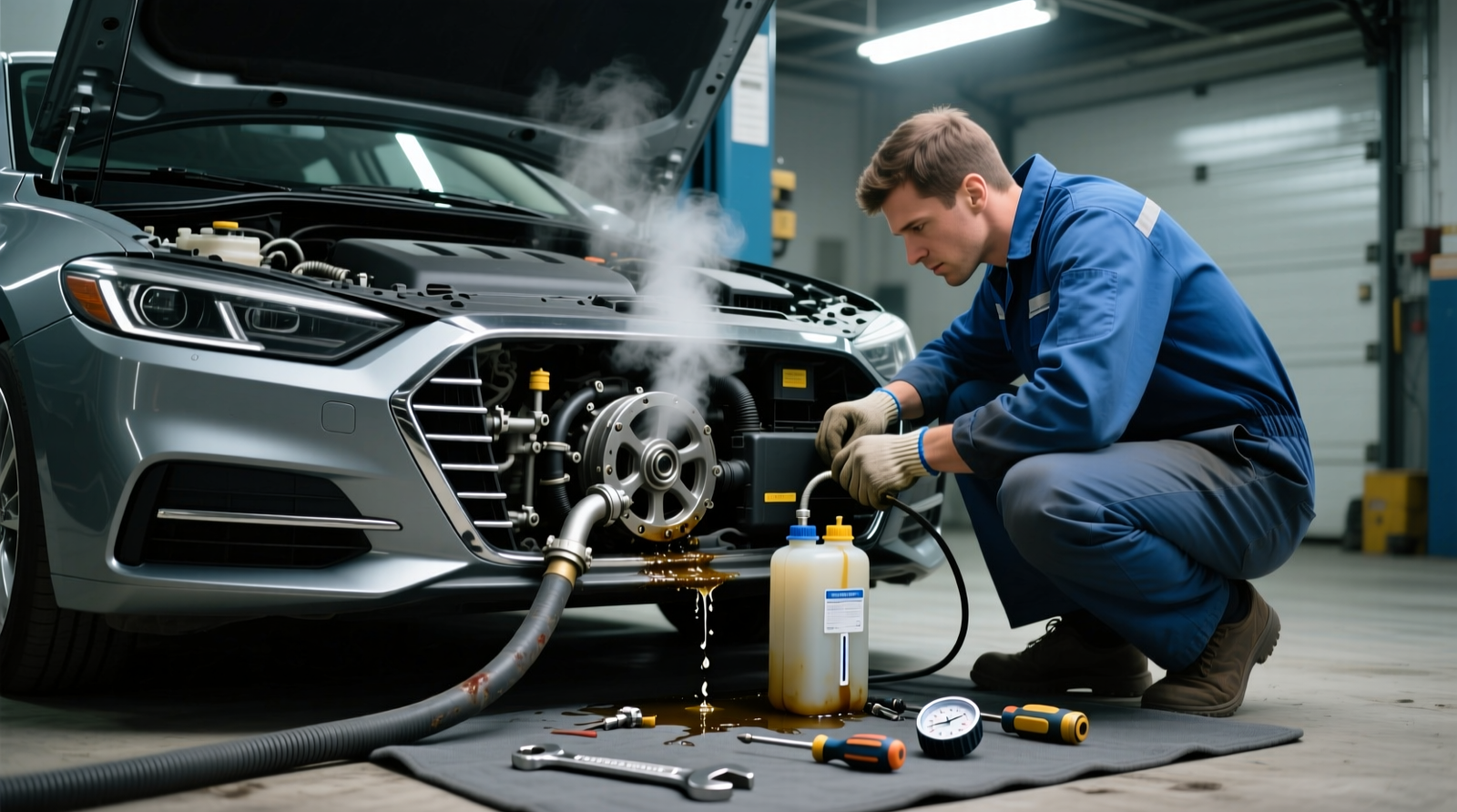
Introduction:
Why Your Power Steering Stopped Working and How to Fix It
Power steering is a system in your car that helps you turn the wheels easily. It uses fluid and a pump to reduce the effort needed to steer. When it works properly, driving feels smooth and effortless.
But what happens when your power steering stops working? Suddenly, the steering wheel can feel heavy or hard to turn. This can be scary, especially while driving at high speeds or in tight spots. Many drivers don’t know why it happens or what to do next.
In this guide, we will explain the common reasons your power steering stopped working. You’ll also learn simple ways to fix it or know when to call a mechanic. By the end, you’ll understand your car better and feel more confident on the road.
Here’s a simple, human-friendly version in short paragraphs for your headings:
Describe power steering and explain how it works.
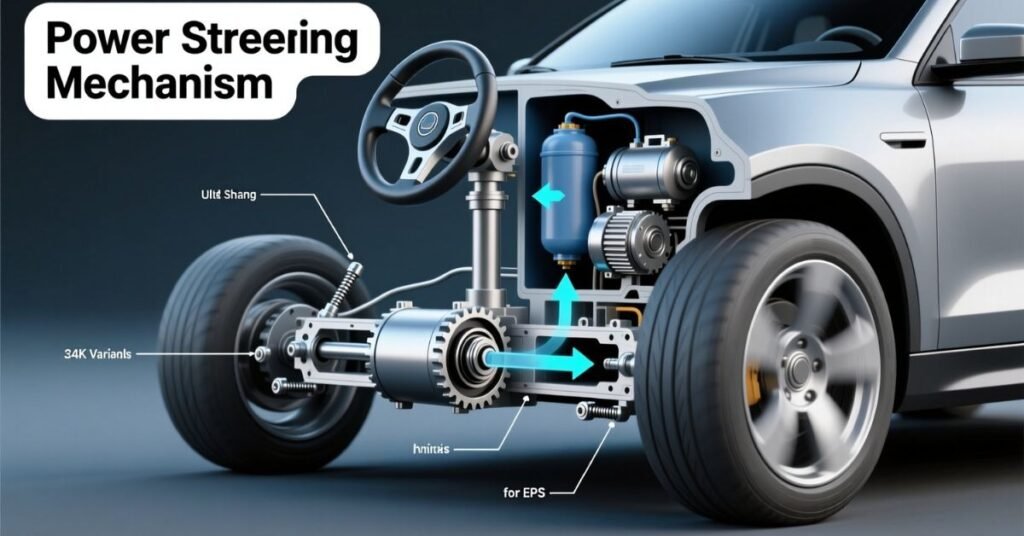
Power steering is a system that makes turning your car easier. Without it, steering would need much more effort, especially at low speeds. It uses a combination of fluid, pumps, or motors to help you control the wheels smoothly. Power steering improves safety and comfort while driving.
Types of Power Steering Systems
Power steering systems come in three main types..
Hydraulic Power Steering (HPS) uses a pump and fluid to help turn the wheels. It’s common in older cars and feels very smooth.
Electro-Hydraulic Power Steering (EHPS) combines hydraulic fluid and an electric motor.Fuel consumption is reduced and it is more efficient.
Electric Power Steering (EPS) uses only an electric motor to assist steering. It is lighter, saves energy, and is common in modern cars.
How Power Steering Assists Driving
The power steering reduces the effort required to turn the wheel.. It helps you make sharp turns, park easily, and drive safely at slow speeds. Without it, steering becomes heavy and tiring, especially in large vehicles.
Common Causes of Power Steering Failure
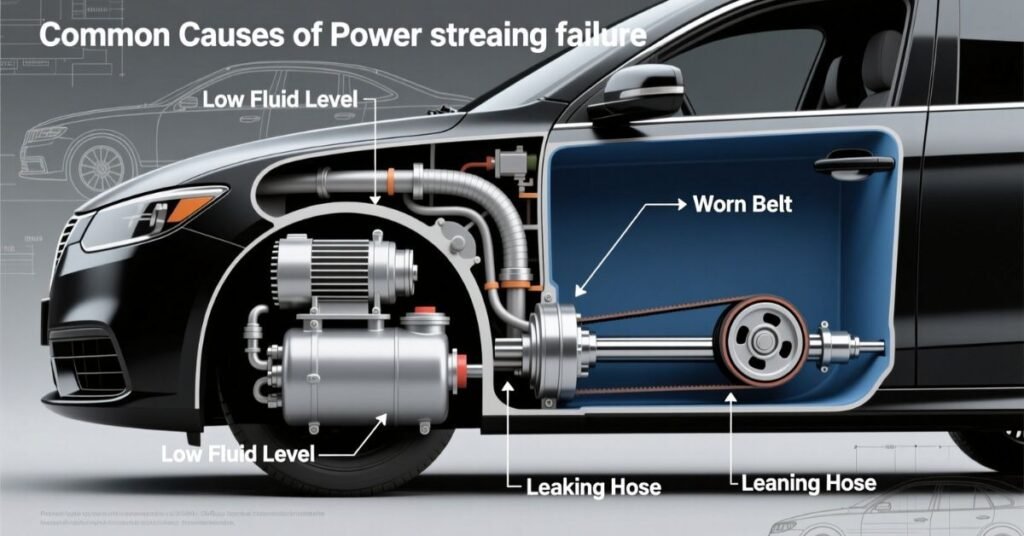
One common cause is loss of power steering fluid. Leaks in hoses or the reservoir can reduce fluid levels, making steering hard. Another reason is a damaged or worn hydraulic pump, which can’t provide enough pressure to help turn the wheels.
A snapped or slipping serpentine belt can also stop the pump from working. In cars with electric power steering, a malfunction in EPS components like sensors or motors can cause failure. Sometimes, steering rack or alignment issues make the wheels hard to control, even if the system itself works fine.
Symptoms of Power Steering Problems
One clear sign is heavy or stiff steering.Turning the wheel is difficult, especially at low speeds. You might also hear whining or squealing noises when turning, which shows the pump or belt is struggling. Fluid leaks under the car or around the reservoir are another warning that something is wrong.
Other signs include intermittent steering assist, where power help comes and goes while driving. Modern cars may also show steering warning lights on the dashboard. Noticing these symptoms early can help prevent bigger, costly problems later.
Diagnosing Power Steering Issues
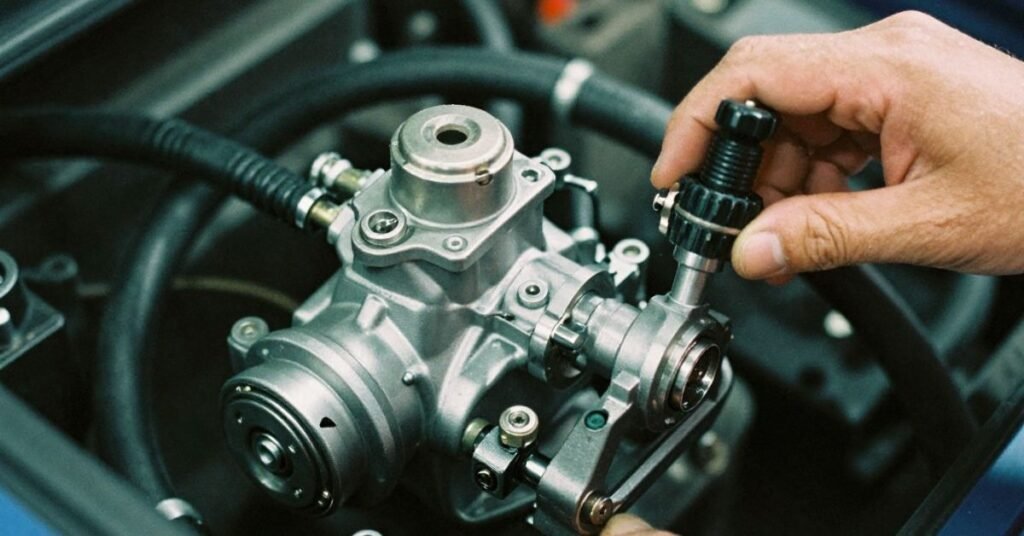
The first step is a visual inspection. Check fluid levels, look for leaks, and make sure belts are not loose or broken. You can also listen for unusual noises like whining, squealing, or grinding when turning the wheel. Another test is checking for stiffness at different speeds—the steering should feel lighter at slow speeds and smooth at higher speeds.
For cars with electric power steering, an OBD scanner can help detect error codes in the system. At a workshop, mechanics can do pressure tests or voltage checks to find hidden problems in hydraulic or electric components. Early diagnosis can save time, money, and prevent accidents.
What to Do When Power Steering Stops Working
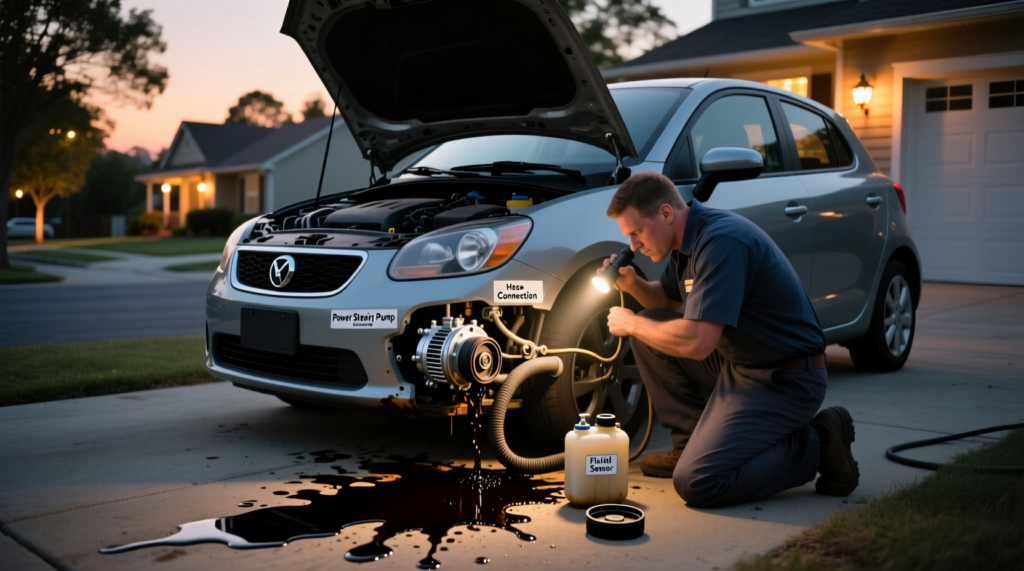
If your power steering stops working while driving, stay calm and follow some immediate steps on the road. First, signal other drivers so they know you may be slowing down. Then, slowly move your vehicle to a safe spot, like the shoulder or parking area. Consider how serious the problem is.. If the steering is too hard to control, call a tow truck instead of risking driving further.
Sometimes, your car may show power steering assist fault messages on the dashboard. These can appear for common causes like a blown fuse or bad wheel alignment. Understanding these messages can help you decide whether it’s safe to drive or if you need professional help. Acting quickly can prevent accidents and bigger repairs.
Repairing Power Steering Systems
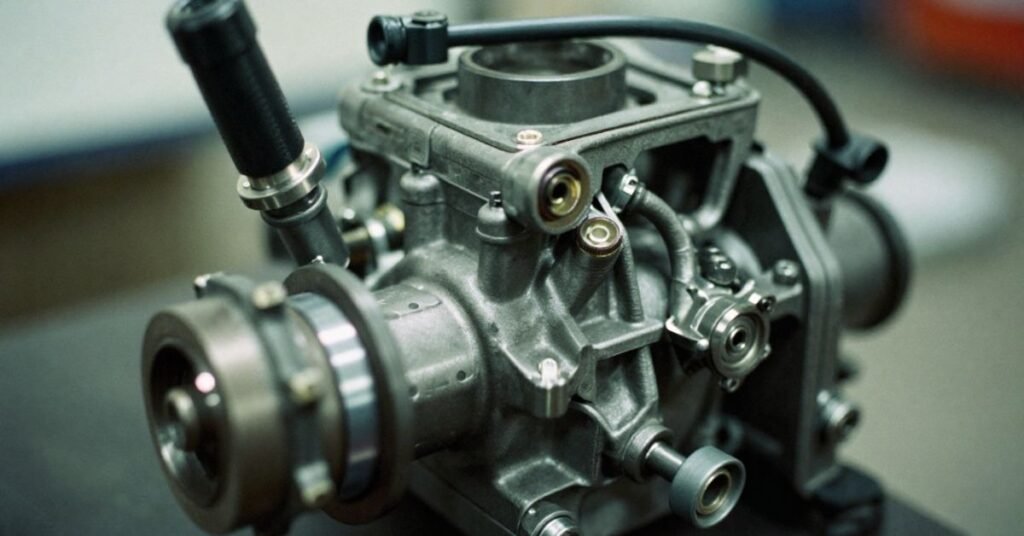
For hydraulic system repairs, mechanics may fix leaks, replace the pump, or refill power steering fluid. In electric power steering (EPS) repairs, faulty sensors, motors, or wiring may need replacement. Sometimes, a belt tensioning or replacement is enough to restore proper steering function.
If the problem is severe, a steering rack replacement may be required. The typical cost of repairs depends on the issue and your car model. Simple fixes like fluid refill or belt replacement are cheaper, while pump or rack replacement can be more expensive. Regular maintenance can help prevent costly repairs.
Maintaining Your Power Steering System
Power steering fluid should be checked regularly for hydraulic systems.. Low or dirty fluid can cause problems. For electric power steering (EPS), keep your battery in good condition. A weak battery can affect steering performance.
Avoid holding the steering wheel at full lock for long periods, as it puts extra stress on the system. Regularly check steering alignment and tyre condition to ensure smooth handling. If you notice noises or stiffness, address them immediately to prevent bigger issues. Small maintenance steps can save money and keep your car safe.
Driving Without Power Steering

power steering stopped working
It is possible to drive without power steering fluid, but it is not safe for long distances. The steering wheel becomes heavy, and turning takes much more effort. You need to be careful, especially at low speeds or in tight spaces.
Driving without power assist feels different. The wheel is stiff, and quick turns are harder. Take precautions and emergency measures to stay safe:
- Keep both hands firmly on the wheel.
- Reduce your speed, especially in corners.
- Avoid sudden maneuvers.
- Move to the side of the road if steering becomes too hard.
- Call a tow or mechanic if the problem persists.
Power Steering Problems by System Type
Hydraulic and electric power steering systems work differently. Hydraulic systems (HPS) use fluid and a pump to assist steering. Electric systems (EPS) use an electric motor and sensors. Each system shows different symptoms when problems occur.
Symptoms and repair considerations can vary by system. Here’s a clear comparison:
| System Type | Common Symptoms | Repair Considerations | Notes |
| Hydraulic (HPS) | Whining noises, stiff steering, fluid leaks | Check fluid, pump, hoses, belts | Older cars mostly use this system |
| Electric (EPS) | Warning lights, intermittent assist, stiff wheel | Check motor, sensors, wiring, battery | Modern cars mostly use this system |
| Both | Heavy steering, difficulty turning | Early diagnosis helps prevent bigger issues | Maintenance is key for safety |
Hydraulic repairs often involve fluid replacement, pump or hose repair, while electric systems may need motor, sensor, or wiring fixes. Knowing the type of system helps you diagnose and fix issues faster, saving time and money.
About Power Steering Failure
You can identify a failing power steering system by noticing heavy steering, whining noises, or leaks. Another way is checking the power steering fluid at home. Low or dirty fluid is a common sign of trouble. Knowing what fluids are used—like hydraulic power steering fluid or specific EPS-compatible fluid—helps maintain the system.
The cost to fix power steering in India depends on the problem. Repairing a pump or steering rack is more expensive than simply topping off fluid or replacing a belt.. You can also diagnose some issues without a mechanic by checking fluid levels, listening for unusual sounds, and observing steering behavior. Early detection saves money and prevents accidents.
Conclusion
If your power steering stopped working, don’t panic. Check fluid levels, listen for unusual noises, and notice if the wheel feels stiff. Small problems can often be fixed at home, but serious issues need a mechanic.
Regular maintenance can prevent trouble. Keep fluid topped up, check belts, and watch for warning signs. Understanding your power steering system helps you stay safe on the road and avoid costly repairs. Acting quickly when power steering stopped working can save time, money, and stress.
FAQs
- Why did my power steering stop working?
It can happen due to low fluid, a broken pump, belt issues, or problems in electric steering components. - Can I drive if my power steering stopped working?
Yes, but the steering will be heavy. Drive slowly and carefully, and move to a safe place. - How do I fix the power steering stopped working?
Check fluid levels, belts, and pumps for hydraulic systems, or inspect sensors and motors for electric systems. - What are the warning signs that power steering stopped working?
Signs include stiff steering, whining noises, fluid leaks, warning lights, or intermittent assist. - How much does it cost to repair if power steering stopped working?
Costs vary: simple fluid refill or belt fixes are cheap, while pump or steering rack replacement can be expensive.
