

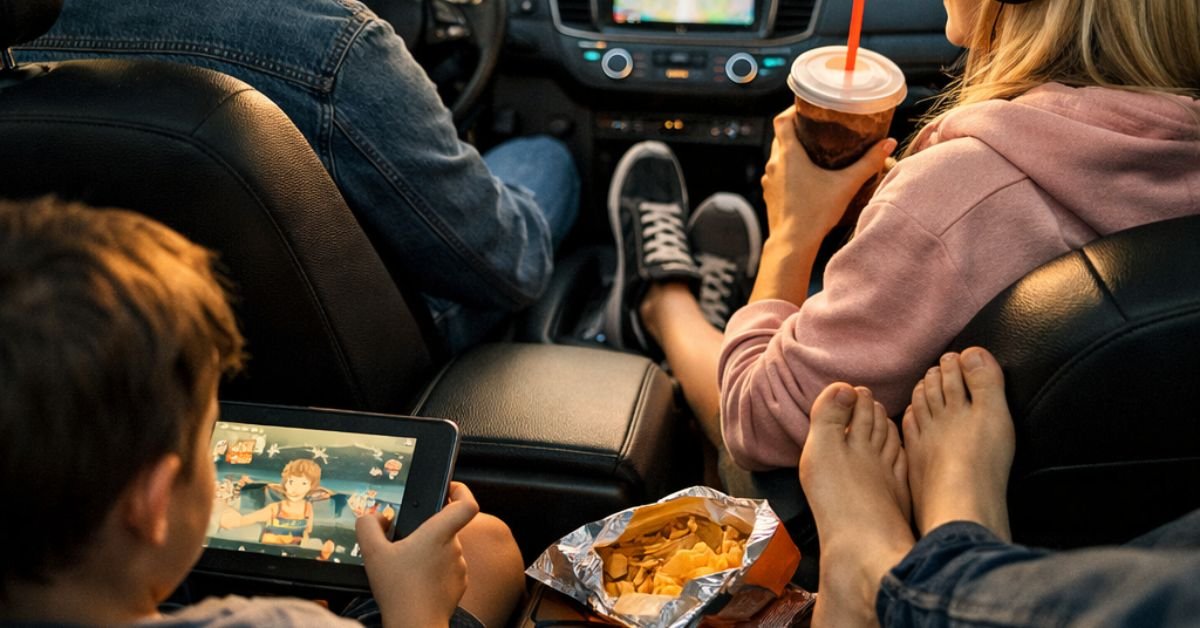
Introduction:
Car rules for passengers are simple guidelines that people should follow when riding in a vehicle. These rules help keep everyone safe and comfortable during the journey. They include safety habits, polite behavior, and basic traffic laws that passengers must respect.
Many people think only the driver has responsibilities on the road. But passengers also play an important role in safety. Not wearing a seatbelt, distracting the driver, or ignoring basic rules can lead to accidents or fines. Small mistakes inside the car can cause big problems.
This guide will explain important safety tips, proper car manners, and legal rules passengers should know. You will learn how to behave responsibly and protect yourself on every trip. Following these simple rules can make every ride safer and more peaceful.
Why Car Rules for Passengers Matter in the USA
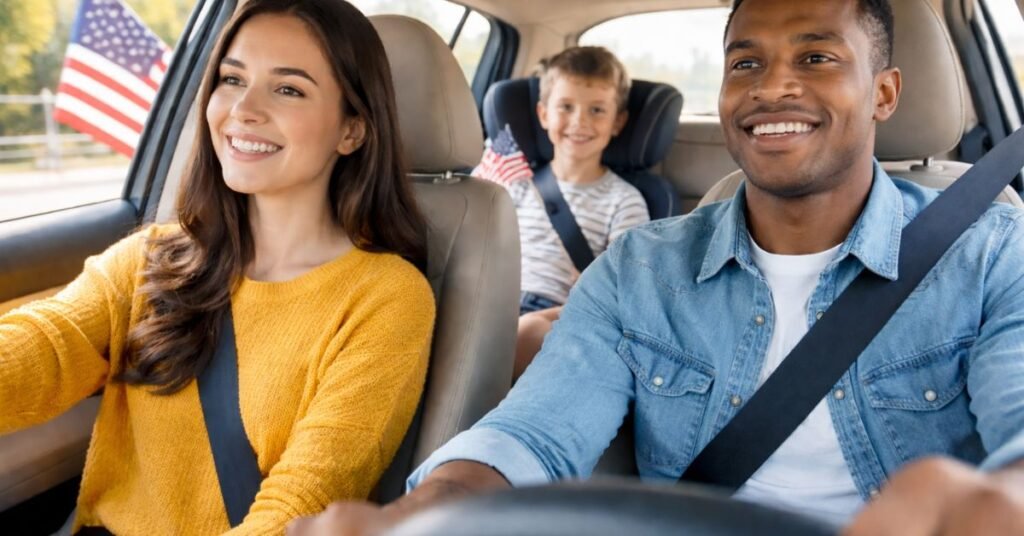
In the United States, road safety laws are strict and clear. Passengers must wear seatbelts in most states. Some states also have special rules for children and front-seat riders. These laws are made to reduce injuries and save lives. When passengers follow the rules, they help protect themselves and the driver.
Car rules also reduce distractions and accidents. Loud behavior, fighting, or blocking mirrors can put everyone at risk. Police can issue fines if passengers break certain safety laws. Following simple rules shows respect for the driver and other road users. It makes every trip safer, calmer, and more responsible.
U.S. Seat Belt Laws Every Passenger Should Know
In the United States, seat belt laws apply to both drivers and passengers. Most states require all passengers to wear a seat belt. In many places, police can stop a car just because someone is not wearing one. This is called a primary enforcement law. These rules are made to reduce serious injuries and deaths.
Seat belt laws can be different depending on the state and the passenger’s age. Children must use car seats or booster seats based on their height and weight. Front-seat passengers usually have stricter rules. Fines and penalties can also vary from state to state. Knowing the law helps passengers stay safe and avoid tickets.
Seat Belt Law Overview in the United States
| Category | Rule Type | What It Means for Passengers | Common Penalty | Extra Notes |
| Adult Front-Seat Passenger | Primary Enforcement (Most States) | Must wear a seat belt at all times | Fine (varies by state) | Police can stop vehicle directly |
| Adult Back-Seat Passenger | Primary or Secondary (Depends on State) | Often required to wear seat belt | Fine in many states | Some states only enforce if another violation occurs |
| Children Under 8 Years | Child Restraint Law | Must use approved car seat or booster | Higher fines + possible court | Based on age, weight, or height |
| Children 8–15 Years | Mandatory Seat Belt | Must wear seat belt in all seating positions | Fine to driver or guardian | Law applies in most states |
| Ride-Share Passengers | Same State Law Applies | Must follow local seat belt rules | Fine issued as per state law | Applies in taxis and app-based rides |
| Pregnant Passengers | Mandatory Seat Belt | Seat belt required with proper positioning | Standard fine | Lap belt under belly, shoulder belt across chest |
| Commercial Vehicle Passengers | Federal & State Rules | Seat belt required if installed | Fine depending on state | Applies to vans and buses with belts |
| Failure to Secure Child | Strict Liability | Driver usually responsible | Heavy fines + points | May affect insurance rates |
| Repeat Offenders | Enhanced Penalties | Higher fines for repeated violations | Increased fines | May vary by state |
| Teen Passengers | Graduated License Rules | Extra restrictions in some states | Fine or license impact | Often linked with teen drivers |
Legal Responsibilities of Front and Rear Seat Passengers
- Front-seat passengers must wear a seat belt at all times in most states.
- Police can stop the vehicle if a front passenger is not wearing a belt.
- Passengers should not distract the driver by shouting or blocking mirrors.
- It is illegal to interfere with the driver while the car is moving.
- In some states, passengers can receive their own ticket for violations.
- If a child is sitting in the front seat against safety laws, penalties may apply.
- Passengers must follow airbag safety guidelines, especially in the front seat.
- Rear-seat passengers must also wear seat belts in many states.
- Some states apply primary enforcement for back-seat passengers too.
- Adults in the rear seat may be fined for not wearing a belt.
- Children must use proper car seats or booster seats in the back.
- Rear passengers should avoid distracting the driver from behind.
- Not wearing a rear seat belt can increase injury risk in accidents.
- Following these laws protects everyone inside the vehicle.
Basic Safety Rules for Car Passengers
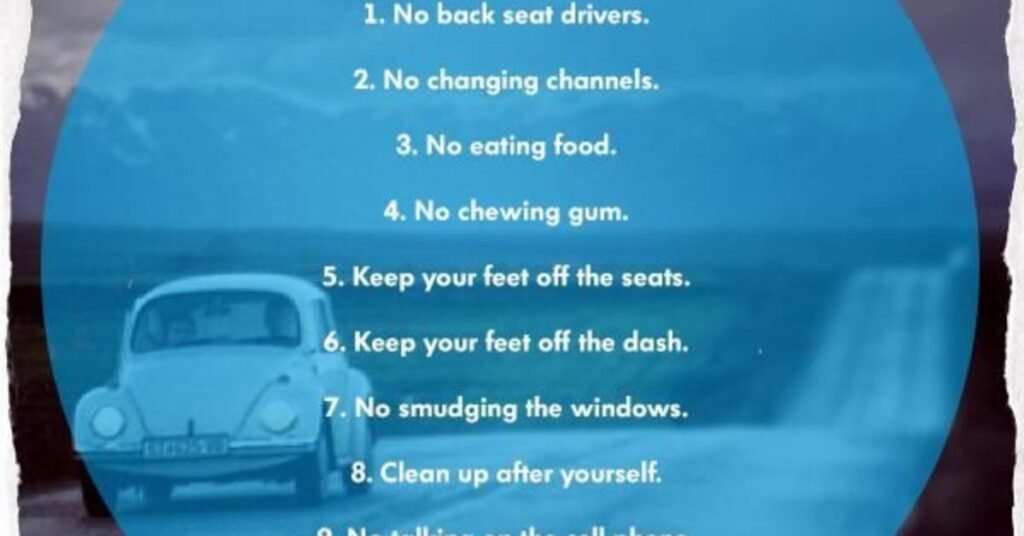
Car passengers should always wear a seat belt before the car starts moving. It is the first and most important safety rule. Sit properly in your seat and keep your feet on the floor. Do not lean out of the window or put your hands outside. These small actions can prevent serious injuries.
Passengers should also stay calm and avoid distracting the driver. Loud talking, sudden movements, or fighting can cause accidents. Always follow the driver’s instructions during the trip. Help keep the car clean and organized so nothing rolls under the pedals. Safe behavior from passengers makes every journey smooth and secure.
Always Wear a Seat Belt
- Always buckle up before the car starts moving.
- Seat belts should fit snugly across your chest and lap.
- Never sit in the car without a seat belt, even for short trips.
- Wearing a seat belt reduces the risk of serious injuries in accidents.
- Encourage others in the car to buckle up too.
Keep Hands, Arms, and Head Inside the Vehicle
- Always keep your hands, arms, and head inside the car.
- Do not lean out of the windows while the car is moving.
- Avoid hanging objects or leaning on doors or windows.
- Keeping inside the vehicle protects you from hitting obstacles.
- Teach children to stay fully inside their seats at all times.
Never Distract the Driver
- Speak calmly and avoid shouting or sudden movements.
- Do not grab the steering wheel or touch controls.
- Avoid arguing or fighting inside the car.
- Keep pets or objects from distracting the driver.
- Help the driver focus on the road to prevent accidents.
Car Etiquette Rules Every Passenger Should Follow

Passengers should always be polite and respectful in a car. Speak in a normal voice and avoid shouting. Keep your personal items organized so they don’t block the driver’s view. Offer help if needed, like holding directions or managing music. Small gestures like saying “thank you” or “please” make the ride pleasant for everyone.
It’s also important to respect the driver’s comfort and space. Don’t eat messy foods or leave trash in the car. Avoid arguing or making sudden movements that distract the driver. Let the driver choose the route unless they ask for input. Following these simple etiquette rules keeps the ride safe, smooth, and friendly for all passengers.
Respect the Driver’s Decisions
- Always listen to the driver’s instructions during the trip.
- Follow speed limits and safety rules without arguing.
- Avoid giving unwanted directions unless the driver asks.
- Respect the driver’s choice of route and stops.
- Being cooperative helps make the journey safe and calm.
Avoid Touching Controls Without Permission
- Never touch the steering wheel, gear, or pedals.
- Do not change the music, air conditioning, or navigation without asking.
- Avoid handling emergency controls or safety equipment.
- Only adjust items you are allowed to, with driver’s permission.
- Respecting controls prevents accidents and confusion in the car.
Keep the Car Clean and Damage-Free
- Do not eat messy foods or spill drinks inside the car.
- Avoid placing heavy or sharp items that may scratch surfaces.
- Pick up trash and dispose of it properly after the ride.
- Treat the car as if it were your own to avoid damage.
- A clean car makes the ride comfortable and safe for everyone.
Safety Rules for Child Passengers
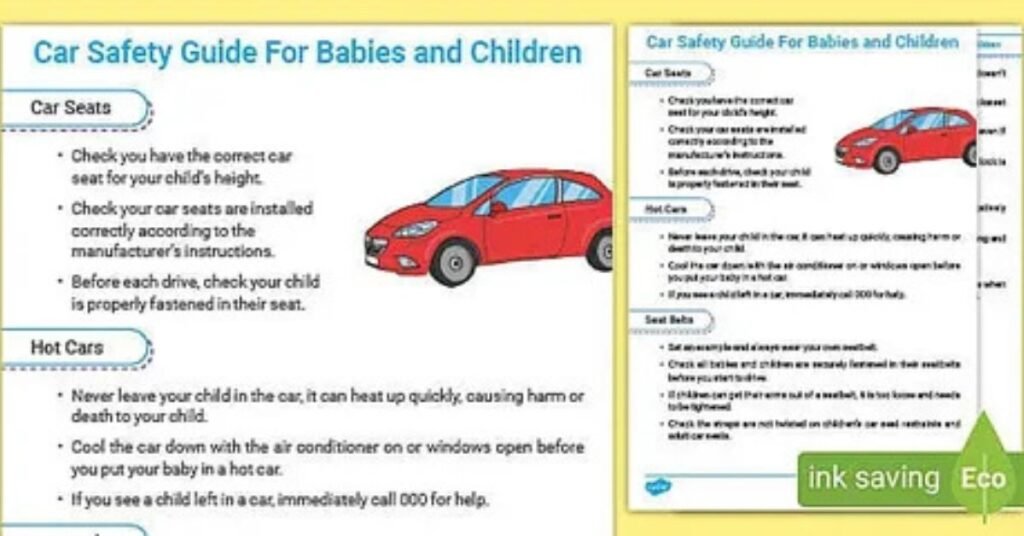
Children must always use the right car seat or booster based on their age, height, and weight. Never place a child in the front seat if the airbag can be dangerous. Make sure the seat belt or harness fits snugly and is fastened correctly. Small mistakes, like a loose strap, can cause serious injuries in a crash.
Children should stay seated and calm during the ride. Avoid letting them move around or play with car controls. Teach them to keep their hands and feet inside the car at all times. Remove toys or objects that can become hazards during sudden stops. Following these simple rules keeps young passengers safe and comfortable on every trip.
Proper Use of Car Seats and Booster Seats
| Child Age/Size | Type of Seat | Seat Placement | Harness/Seat Belt Rules | Additional Notes |
| 0–12 months / up to 20–35 lbs | Rear-facing infant seat | Back seat only | 5-point harness, snug fit | Never place in front seat with airbag |
| 1–3 years / 20–40 lbs | Rear-facing convertible seat | Back seat only | 5-point harness, straps at shoulder level | Keep rear-facing as long as possible for safety |
| 2–5 years / 22–65 lbs | Forward-facing convertible seat | Back seat preferred | 5-point harness, secure chest clip | Transition when child outgrows rear-facing limits |
| 4–8 years / 40–80 lbs | Booster seat | Back seat only | Use vehicle seat belt with booster | Low on the hips, shoulder belt on the chest |
| 5–12 years / 60–100 lbs | High-back or backless booster | Back seat | Seat belt properly positioned | Ensure child sits all the way back against seat |
| 8+ years / 80+ lbs | Seat belt only | Back seat | Shoulder and lap belt properly fitted | No booster needed if seat belt fits correctly |
| Special Needs Children | Car seat or adaptive seat | Based on child needs | Follow manufacturer instructions | Consult a certified child passenger safety technician |
| Twins or Multiple Children | Combination of seats | Back seat, separate seats | Each child must have own restraint | Avoid sharing a seat or belt |
| Ride-Share Travel | Appropriate seat if available | Back seat | Follow local laws for children | Some ride-share services provide car seats on request |
| Traveling Across States | Follow state-specific laws | Back seat | Use car seat approved for that state | Laws may vary for age, height, weight limits |
This table ensures proper and safe use of car seats and booster seats for children of all ages.
Passenger Responsibilities During Long Road Trips
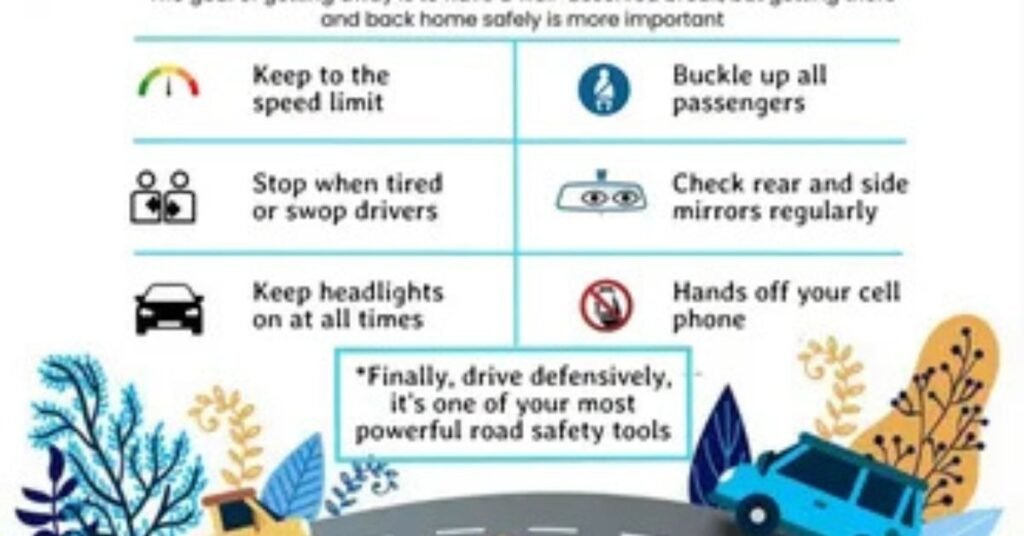
Passengers should stay alert and cooperative during long trips. Offer help with navigation or snacks if the driver asks. Keep your seat belt fastened at all times, even on highways. Avoid distracting the driver with loud talking, phone calls, or arguments. Small actions, like adjusting your own seat or managing your belongings, make the journey smoother.
It’s also important to maintain comfort and safety inside the car. Take breaks when needed and remind the driver to rest if tired. Keep the car clean and organized to avoid items rolling under the pedals. Respect other passengers’ space and privacy. Following these simple responsibilities ensures a safer and more enjoyable trip for everyone.
What Passengers Should Do in Emergency Situations
When an emergency happens, passengers must stay calm. Panicking can make things worse. First, check if everyone in the car is safe. Make sure seat belts are still fastened. Keep your voice clear if you need to give instructions. Do not argue with the driver. Stay focused on helping, not blaming.
Next, call for help immediately. Use your phone to contact 911 or roadside assistance. If someone is injured, provide basic first aid carefully. Unless it is dangerous, do not move anyone. Keep the car hazard lights on. Ensure that other drivers can see your car.. Your quick and calm actions can prevent accidents from becoming worse.
Common Mistakes Car Passengers Make
Back-Seat Driving
- Telling the driver how to drive can be distracting.
- Constantly commenting on speed makes the driver nervous.
- Giving directions loudly may cause confusion.
- Passengers should trust the driver and stay quiet unless asked.
Putting Feet on the Dashboard
- It is dangerous if the airbag deploys.
- Can cause serious injuries in a crash.
- Makes the car look messy and uncomfortable.
- Keep your feet on the floor to stay safe.
Other Common Mistakes
- Eating or drinking without permission.
- Using the phone loudly and distracting the driver.
- Not wearing a seat belt properly.
- Leaving trash or belongings scattered in the car.
Conclusion
Being a safe and respectful passenger is very important. Following car rules keeps everyone in the vehicle safe. Small actions, like wearing a seat belt, staying calm, and not distracting the driver, make a big difference. Good passengers help the driver focus and prevent accidents. Even simple habits, like keeping the car clean and following etiquette, can improve the journey for everyone.
Remember, safety is a shared responsibility. Respecting rules, children, and other passengers creates a comfortable ride. Avoid common mistakes like back-seat driving or putting feet on the dashboard. By following these simple tips, every car journey can be safe, stress-free, and more enjoyable for everyone on board.
FAQs
1. What are the basic car rules for passengers?
Passengers must always wear seat belts and sit properly to stay safe. Avoid distracting the driver, as it can cause accidents quickly.
2. Can passengers give directions while driving?
Passengers can suggest directions politely when asked by the driver. Constant back-seat driving should be avoided to prevent confusion and stress.
3. Is it safe to put feet on the dashboard?
No, putting feet on the dashboard is very dangerous in a crash. Airbags can cause serious injuries, so always keep feet on the floor.
4. How should children be seated in a car?
Children should use the correct car seat or booster for their age and size. Always place them in the back seat for maximum protection and safety.
5. What should passengers do in emergencies?
Passengers should stay calm and check if everyone is safe inside the car. Immediately call 911 if needed and assist carefully without causing panic.
