

Introduction:
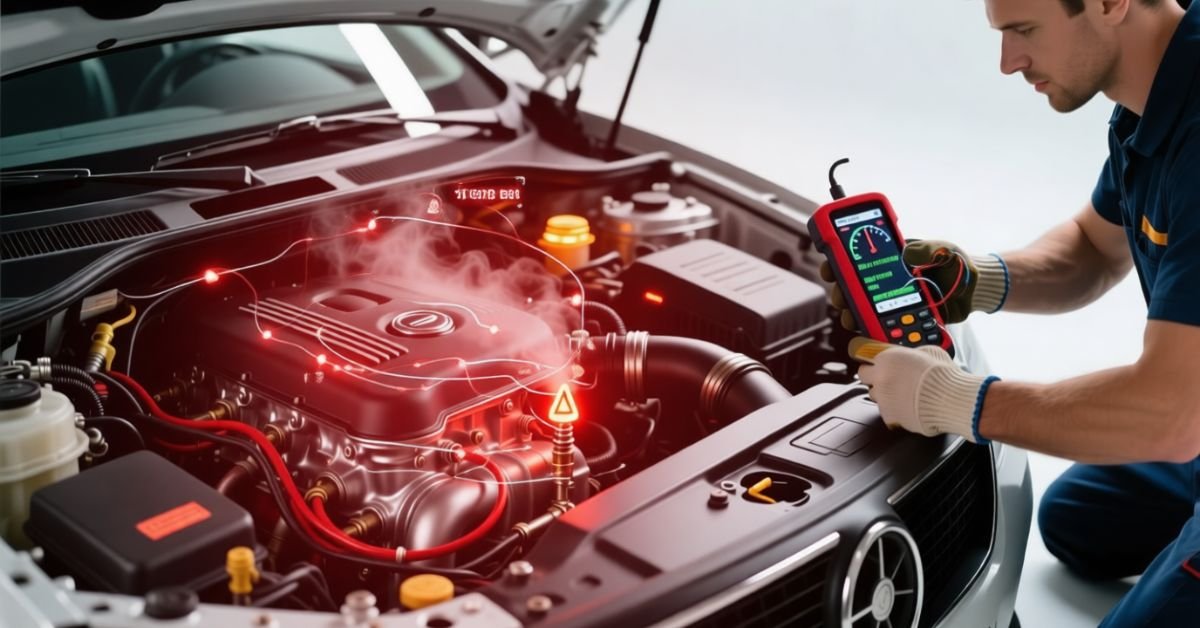
An engine temperature sensor measures how hot your engine is while it runs.The data is sent to the computer in the car.. The computer then adjusts fuel delivery and ignition timing. The engine will run smoothly and safely as a result of this.
Engines create a lot of heat in a short time. If the temperature is wrong, serious damage can happen. That’s why this small sensor plays a big role. When it fails, problems start showing quickly.
Difference Between Engine & Coolant Temperature Sensor
The engine temperature sensor checks overall engine heat. The coolant temperature sensor measures the heat of the coolant fluid. Both sensors work together to control engine performance. Understanding this difference helps you spot engine temperature sensor symptoms early.
How Does an Engine Temperature Sensor Work?
Role in Fuel Injection System
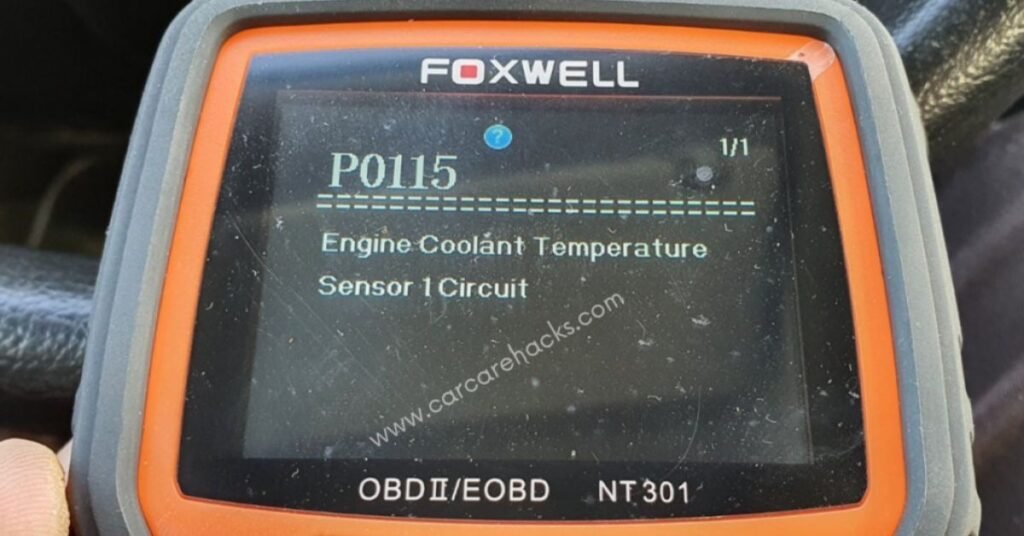
The engine temperature sensor checks how hot the engine is at all times. It sends this data to the fuel injection system. Fuel is added to the engine when it is cold.. When the engine warms up, fuel flow is reduced. This keeps fuel use balanced and improves engine performance.
Communication with ECU
The sensor constantly talks to the ECU, which is the car’s main computer. The ECU uses this information to control timing, cooling fans, and fuel delivery. If the sensor sends wrong data, the ECU makes bad decisions. This can lead to poor driving and clear engine temperature sensor symptoms.
Why the Engine Temperature Sensor Is Important
Engine Protection
The engine temperature sensor helps protect your engine from damage. It tells the system when the engine is too hot or too cold. This allows cooling fans to turn on at the right time. Without correct readings, the engine can overheat and fail.
Emission Control & Fuel Efficiency
This sensor also helps control exhaust emissions. It makes sure the engine burns fuel at the right temperature. When the temperature is correct, fewer harmful gases are released. It also improves fuel efficiency. A bad sensor can waste fuel and increase pollution.
Common Engine Temperature Sensor Symptoms
Check Engine Light Turns On & Erratic Temperature Gauge Readings
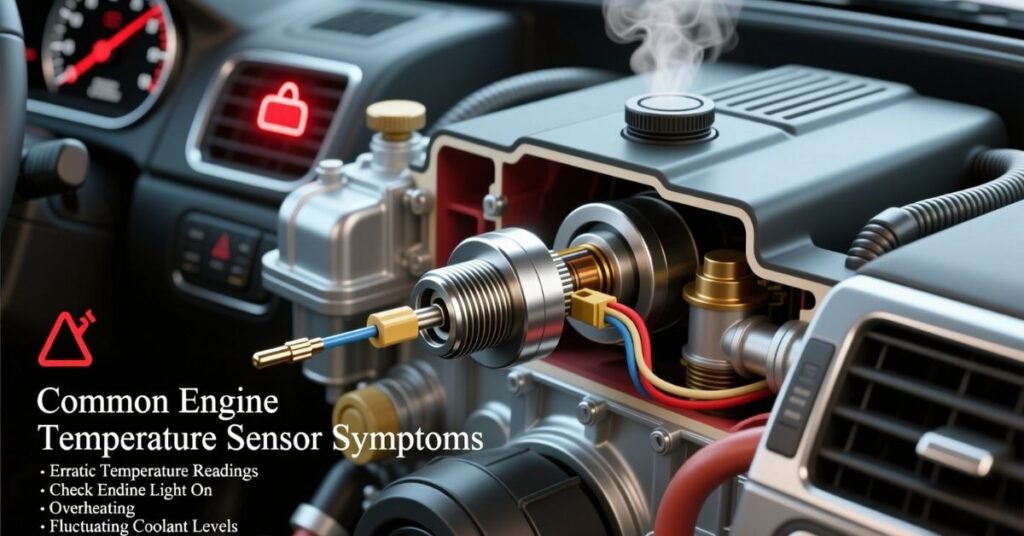
The check engine light is one of the most common signs.. This happens when the sensor sends wrong data to the ECU. You may also notice the temperature gauge acting strange. It may jump up and down or show the wrong reading. These signs mean the engine is not getting accurate temperature information.
Poor Fuel Economy, Black Smoke, and Rough Idling
A faulty sensor can cause poor fuel economy. There is a possibility that the engine uses more fuel than it should.. Black smoke can come from the exhaust due to extra fuel burning. You may also feel rough idling or engine misfires. These are clear engine temperature sensor symptoms that should not be ignored.
Severe Engine Temperature Sensor Symptoms
Engine Overheating & Engine Running Too Cold
A bad engine temperature sensor can cause serious temperature problems. The engine may overheat because the cooling fans do not turn on. In some cases, the engine may run too cold for too long. This affects engine performance and increases wear over time.
Hard Starting or No Start
Hard starting is another severe symptom. The engine may struggle to start when cold or warm. Sometimes, it may not start at all. This happens when the sensor sends wrong temperature signals. These severe engine temperature sensor symptoms should be fixed quickly.
Cooling Fan & AC Issues Caused by a Bad Sensor
Constantly running cooling fans and no fan is turning on
A faulty engine temperature sensor can confuse the cooling system. The cooling fans may run all the time, even when the engine is cool. In other cases, the fan may not turn on at all. Both situations can harm the engine and reduce driving comfort.
AC Performance Problems
The AC system also depends on correct engine temperature data. When the sensor fails, the AC may stop cooling properly. You might feel weak airflow or warm air inside the car. These issues often appear with other engine temperature sensor symptoms.
Can You Drive with Engine Temperature Sensor Symptoms?
Short-Term Driving Risks
You may be able to drive for a short time with engine temperature sensor symptoms. However, the engine may not run properly. The cooling fan may act at the wrong time. Fuel use can increase, and warning lights may appear. These issues can quickly get worse.
Long-Term Engine Damage
Driving for a long time with a bad sensor is risky. The engine can overheat or run too cold. This can damage internal parts over time. Repairs may become costly if ignored. Fixing the sensor early helps protect your engine.
What Causes Engine Temperature Sensor Failure?
Electrical Wiring Issues & Sensor Wear
Engine temperature sensors can fail due to electrical problems. Damaged wires or loose connections can stop the sensor from sending correct data.Wear and tear on the sensor itself can occur over time.. Age and constant heat make it less reliable, causing engine temperature sensor symptoms.
Coolant Contamination
Dirty or contaminated coolant can also damage the sensor. Debris or chemicals in the coolant may affect its readings. This prevents the ECU from making proper adjustments. Regular maintenance can help prevent these problems.
Where Is the Engine Temperature Sensor Located?
Common Locations in Most Vehicles
The engine temperature sensor is usually near the engine block or cylinder head. Some cars have it close to the thermostat housing. You may need to check under the hood to find it. Knowing its location helps when diagnosing engine temperature sensor symptoms.
Engine vs Radiator Placement
The sensor is different from the radiator or coolant temperature sensor. The radiator sensor measures coolant temperature in the radiator. The engine sensor measures the engine’s core temperature. Both work together to keep your engine safe and efficient.
How to Diagnose Engine Temperature Sensor Symptoms
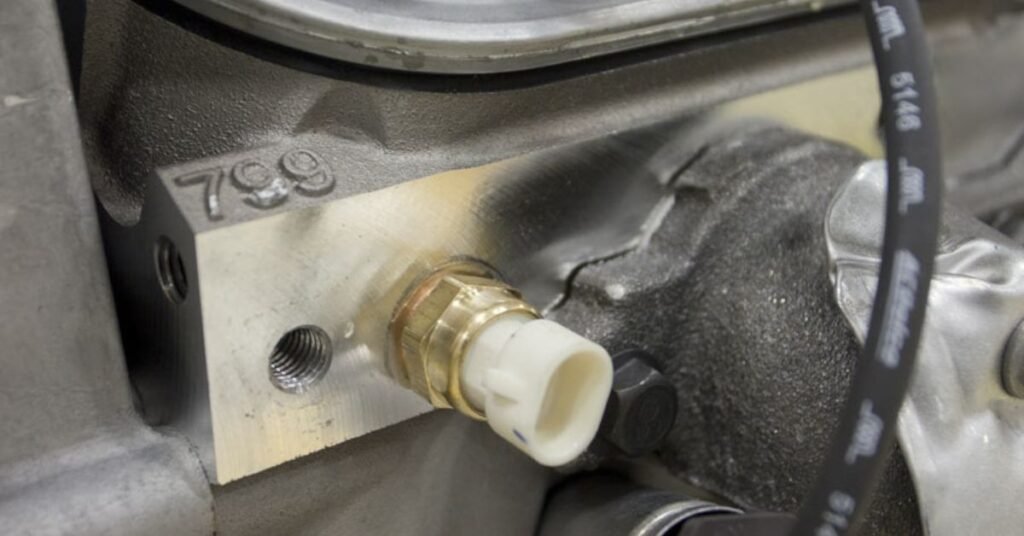
Using an OBD2 Scanner & Testing with a Multimeter
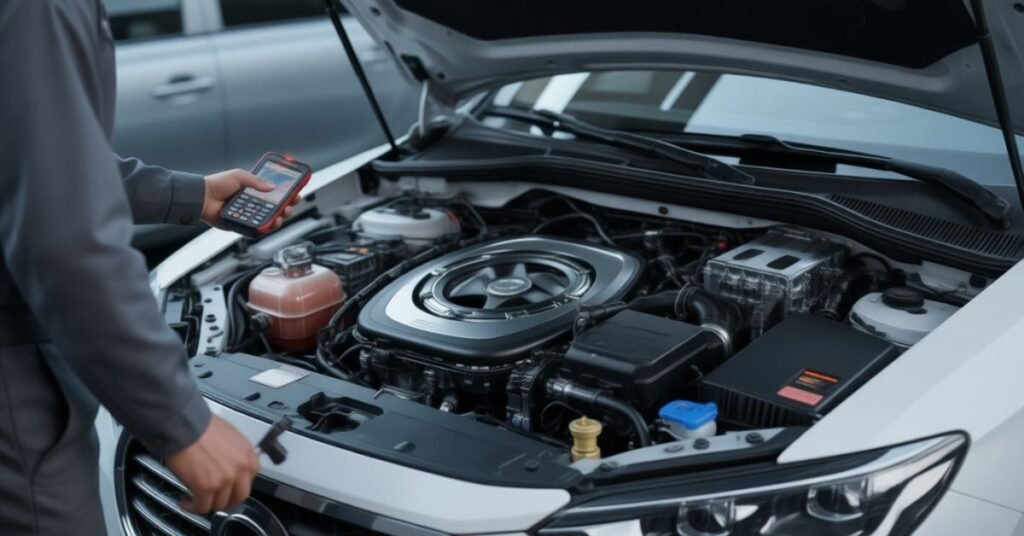
An OBD2 scanner can read error codes from your car’s ECU. These codes often show if the engine temperature sensor is failing. You can also use a multimeter to test the sensor’s resistance. This helps check if it’s sending correct temperature readings.
Visual Inspection
A visual check can also reveal problems. Look for damaged wires or corroded connectors.
How to Fix Engine Temperature Sensor Problems
Cleaning the Sensor
Sometimes, the engine temperature sensor gets dirty or coated with debris. Cleaning it can restore proper readings. Use a soft cloth and suitable cleaner.Before starting, make sure the engine is cool.. This can solve minor engine temperature sensor symptoms.
Repairing Wiring Issues
Wiring problems can also cause sensor failure. Check for loose or damaged wires. Repair or replace them as needed. Good electrical connections help the sensor send correct data. Fixing these issues prevents further engine problems.
Sometimes, coolant leaks near the sensor can affect its performance. Combining these checks helps confirm engine temperature sensor symptoms.
How to Replace an Engine Temperature Sensor
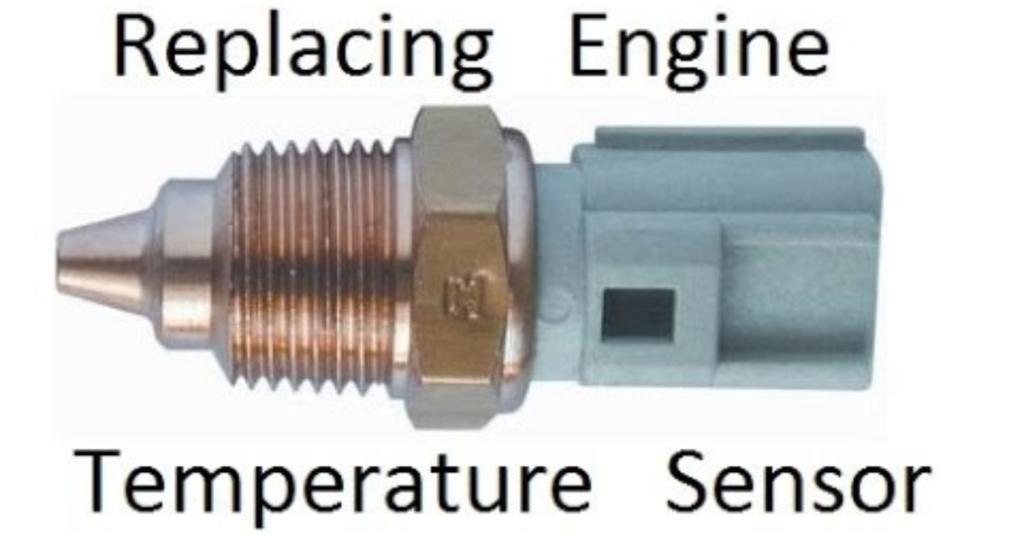
Step 1: Locate the Sensor & Step 2: Disconnect Electrical Connector
First, find the engine temperature sensor. It is usually near the engine block or thermostat housing. Before you start the engine, make sure it is cool. Then, carefully disconnect the electrical connector from the sensor.
Step 3:Install the new sensor after removing the old one
Use a wrench to remove the old sensor from its place. Take the new sensor and screw it in carefully. Make sure it fits tightly but do not overtighten.
Step 5: Reconnect and Test
Reconnect the electrical connector to the new sensor. Start the engine and check the temperature readings. Make sure everything works properly. This confirms the engine temperature sensor problems are fixed.
How to Reset an Engine Temperature Sensor
Reset Using Battery Disconnect
One way to reset the engine temperature sensor is by disconnecting the battery. Follow these steps:
- Turn off the engine and remove the key.
- Disconnect the negative battery cable.
- Wait for about 10–15 minutes.
- Reconnect the battery and start the engine.
This can clear minor sensor errors and reset the ECU.
Reset Using Scan Tool
A scan tool can also reset the sensor and ECU codes. Steps include:
- Connect the scan tool to the OBD2 port.
- Follow the tool’s instructions to clear error codes.
- Let the engine run for a few minutes.
This method is faster and more precise for fixing engine temperature sensor symptoms.
Cost of Engine Temperature Sensor Replacement
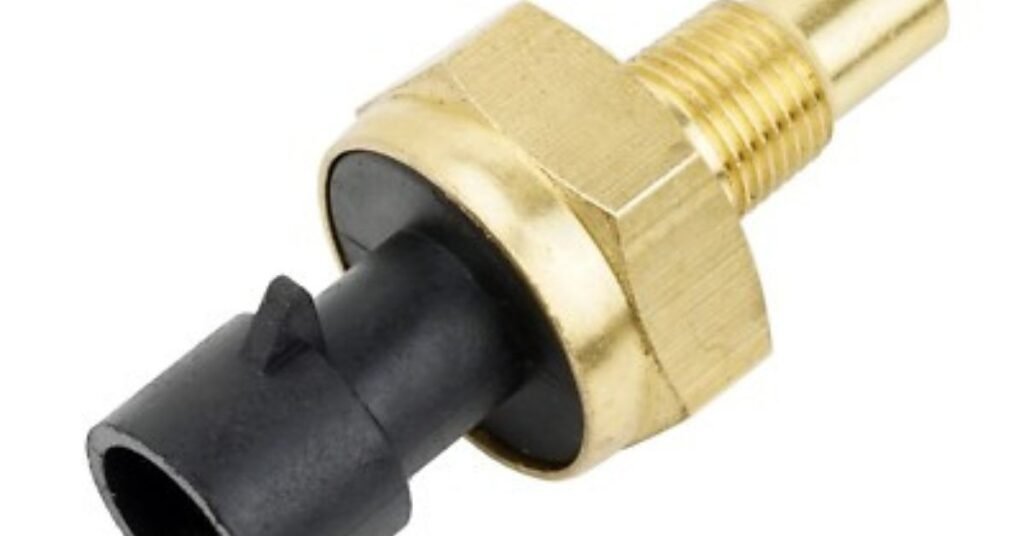
Sensor Cost
The price of an engine temperature sensor varies by car make and model. Most sensors cost between $20 and $100. Luxury or rare vehicles may have more expensive sensors. Choosing a high-quality sensor helps avoid frequent replacements.
Labor Charges
The cost of labor depends on the mechanic and your location.. Replacing the sensor usually takes 30–60 minutes. Labor can range from $50 to $150. Total replacement cost combines sensor price and labor charges.
| Component | Typical Cost Range | Notes |
| Engine Temperature Sensor | $20 – $100 | Depends on car make/model |
| Labor | $50 – $150 | 30–60 minutes of work |
| Total Replacement Cost | $70 – $250 | Sensor + labor combined |
| High-End Vehicles | $100 – $200 | Sensor cost may be higher |
| DIY Replacement | $20 – $100 | Saves labor cost, but skill needed |
This table gives a clear idea of what to expect when replacing your engine temperature sensor.
Thoughts on Engine Temperature Sensor Symptoms
When to Repair vs Replace
Minor problems, like dirty sensors or loose wires, can often be repaired. If the sensor is old or damaged, replacement is the best option. Time and money can be saved by resolving small problems early.Choosing the right solution prevents more serious engine problems later.
Importance of Early Diagnosis
Spotting engine temperature sensor symptoms early is very important.To prevent overheating and cold running, it protects the engine. Early diagnosis also improves fuel efficiency and reduces emissions. Keep your car running smoothly and avoid costly repairs with regular checks.
Conclusion
Engine temperature sensor symptoms should never be ignored. They can affect fuel efficiency, engine performance, and safety. Early detection helps prevent costly repairs and serious engine damage.
Pay attention to signs like check engine lights, rough idling, or temperature gauge issues. Fixing or replacing a faulty sensor on time keeps your car running smoothly. Regular maintenance and checks are key to avoiding engine temperature sensor symptoms.
FAQs
1. What are common engine temperature sensor symptoms?
Common symptoms include check engine light, erratic temperature gauge, poor fuel economy, and rough idling.
2. Can a bad engine temperature sensor cause engine overheating?
Yes, a faulty sensor can prevent the cooling fans from working properly, leading to overheating.
3. How do I test for engine temperature sensor symptoms?
You can use an OBD2 scanner, a multimeter, or visually inspect for damaged wires and connectors.
4. Is it safe to drive with engine temperature sensor symptoms?
Short-term driving is possible, but long-term use can damage the engine and reduce fuel efficiency.
5. How much does it cost to replace a bad engine temperature sensor?
Replacement costs usually range from $70 to $250, including both the sensor and labor charges.
