

Introduction
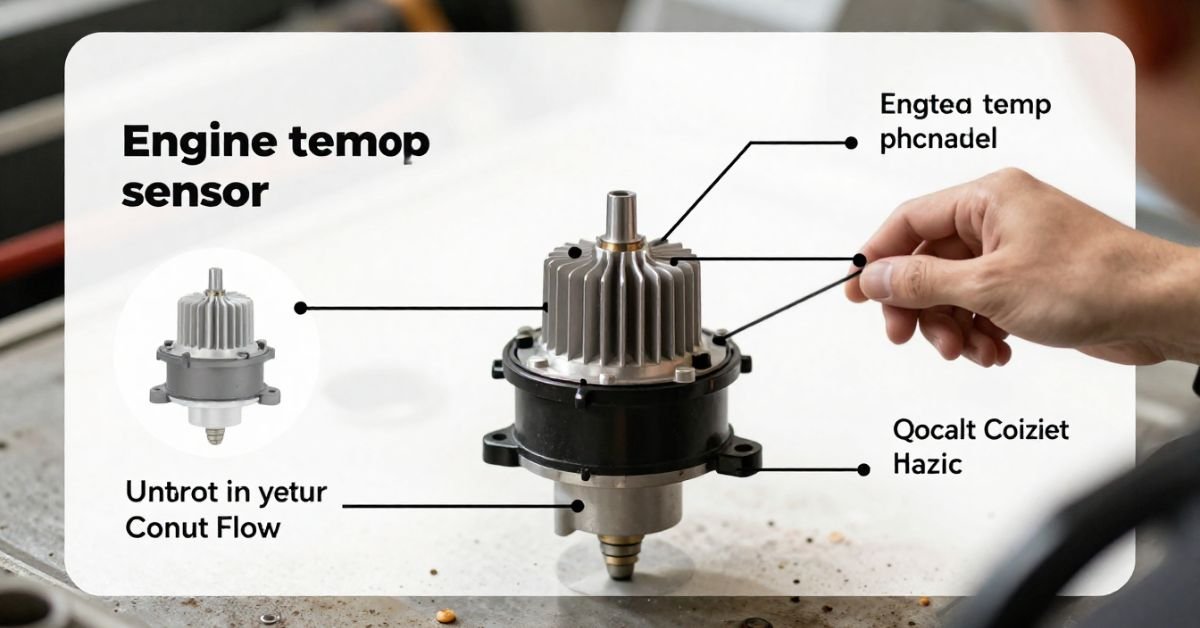
The engine temperature sensor checks how hot or cold your engine is.The car’s computer receives this data.. Based on this, your engine controls fuel, timing, and cooling. If this sensor fails, the engine may not work the right way.
Many drivers ignore small warning signs. A rough idle, poor mileage, or warning light may seem normal. But these can be early engine temp sensor symptoms. Ignoring them can lead to big engine damage and high repair costs.
In this guide, you will learn the most common engine temp sensor symptoms. You will also know what causes them and how to fix the problem. This will help you keep your engine safe and running smooth.
Coolant Temperature Sensor Guide: Symptoms, Causes, and Fixes
The coolant temperature sensor checks how hot your engine coolant is.The car’s computer receives this data.r. This helps control fuel, cooling fan, and engine timing. If the sensor gives wrong data, the engine may not run properly. You may notice poor mileage, hard starts, or a warning light.
Many things can cause this sensor to fail. Heat, dirt, old age, or wiring damage are common reasons.You can save your engine from damage by fixing the problem as soon as possible.. In most cases, replacing the sensor is quick and not very costly. Knowing the signs can help you act on time.
What Is a Coolant Temperature Sensor and How It Works
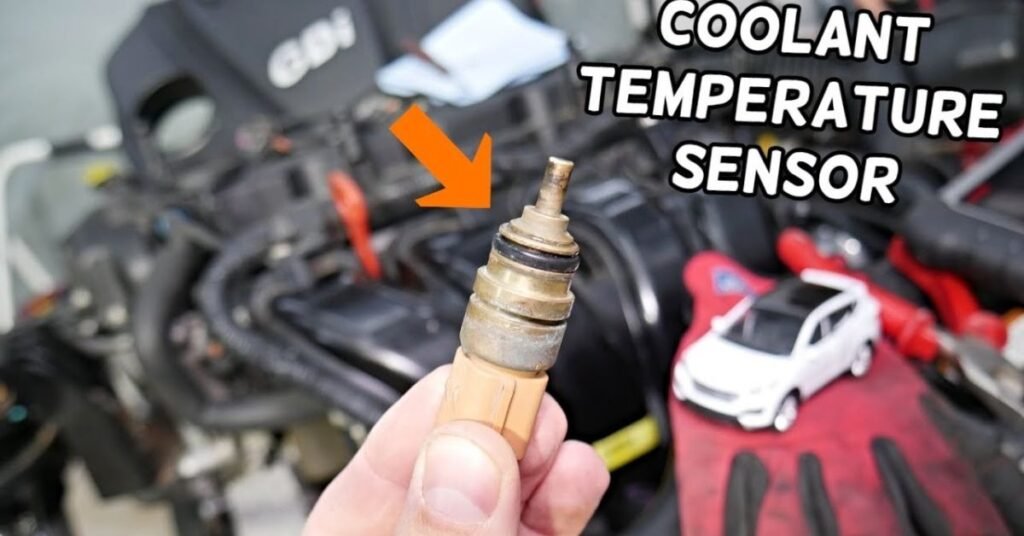
A coolant temperature sensor is a small part in your engine. It measures how hot the engine coolant is. This sensor sends that information to the car’s computer. The computer then adjusts fuel flow and turns the cooling fan on or off. Engine temperature is maintained this way..
When the engine is cold, the sensor tells the computer to add more fuel. This helps the engine start easily. As the engine warms up, the sensor updates the temperature. The computer then balances fuel and air for smooth driving. This simple process keeps your engine safe and running well.
Check Engine Light, Poor Mileage, and Starting Problems Explained
The check engine light is often the first sign of a sensor problem. When the coolant temperature sensor sends wrong data, the car computer gets confused. This can make your fuel use go up. You may notice that you are filling the tank more often than before.
Starting the engine can also become hard. The engine may take longer to start. Sometimes it may crank but not fire right away. These small issues are common when the temperature sensor is not working correctly. Fixing it early can save fuel and avoid bigger damage.
Engine Overheating, Black Smoke, and Cooling Fan Issues
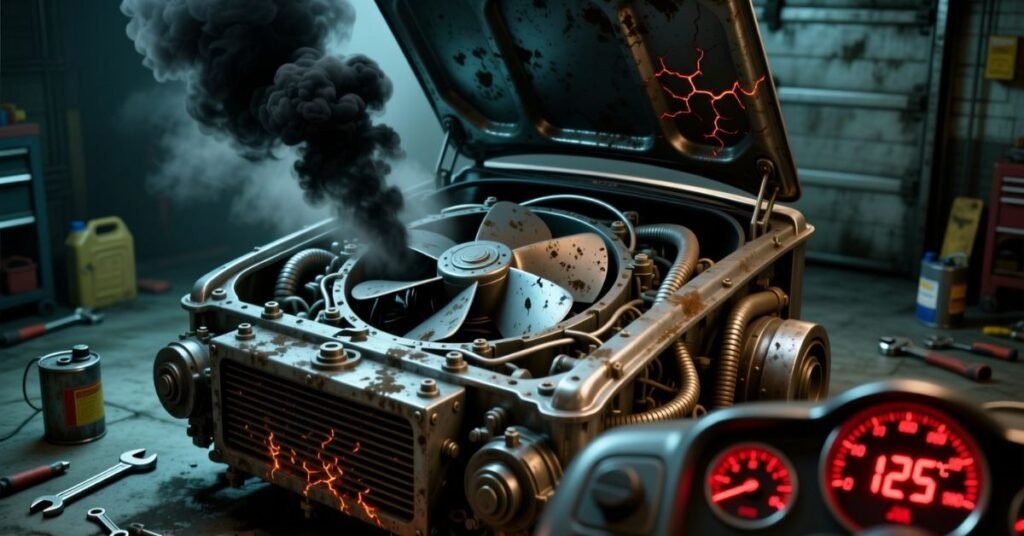
When the coolant temperature sensor fails, your engine may start to overheat. The cooling fan may not turn on at the right time. This causes extra heat inside the engine. You may also notice black smoke from the exhaust because the engine is burning too much fuel.
Here are common problems linked to these issues:
- Engine temperature rising fast
- Cooling fan not working on time
- Black smoke coming from the exhaust
- Burning smell from the engine area
These signs should never be ignored.The engine of a vehicle can be seriously damaged if it overheats.. Fixing the sensor in time can protect your engine and save money.
Rough Idling, Misfires, and Erratic Temperature Readings
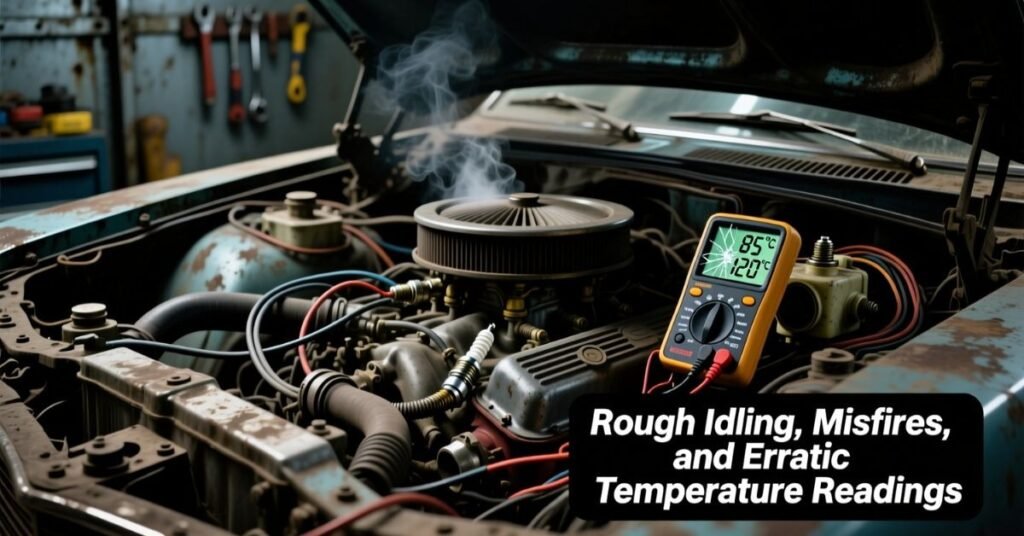
A faulty coolant temperature sensor can make your engine idle roughly.Slight shaking or uneven running may occur when the engine is stopped. Misfires can also happen because the fuel mixture is wrong. This can make driving uncomfortable and reduce engine performance.
Erratic temperature readings are another sign of sensor issues. The dashboard gauge may jump up and down. This confuses the car’s computer and affects fuel and cooling. Paying attention to these signs early can prevent bigger engine problems.
Main Causes of Coolant Temperature Sensor Failure
Coolant temperature sensors can fail for several reasons. Heat from the engine over time can damage the sensor. Dirt, corrosion, or debris can also affect its performance. Old or worn-out sensors may stop working correctly.
Wiring issues are another common cause. Loose connections or damaged wires can prevent the sensor from sending accurate data. Sometimes, coolant leaks or poor maintenance can also lead to sensor failure. Knowing these causes helps you prevent problems early.
How to Diagnose a Bad Coolant Temperature Sensor
A coolant temperature sensor (CTS) is very important for your car. Engine control units (ECUs) use it to determine the temperature of the engine.. If the sensor fails, your car may overheat, use more fuel, or run poorly. To check if it is bad, first look for warning signs like the check engine light, rough idling, or poor fuel efficiency. Sometimes, you can see a coolant leak near the sensor.
Next, you can test the sensor with a multimeter. Measure the resistance while the engine is cold and hot. Compare it to the manufacturer’s chart. If it is outside the normal range, the sensor may be faulty. Some cars allow you to check the temperature reading through a diagnostic tool. Below is a table to help understand typical CTS resistance values:
| Engine Temperature (°C) | Typical Resistance (Ohms) | Notes |
| 0 | 2,500 – 3,000 | Engine cold |
| 20 | 1,500 – 2,000 | Slightly warm |
| 40 | 900 – 1,200 | Warm |
| 60 | 600 – 800 | Normal running temperature |
| 80 | 400 – 500 | Engine warm |
| 100 | 200 – 300 | Hot |
| 120 | 100 – 150 | Very hot, overheating risk |
This table can vary by car model, so always check your vehicle manual. Replacing a bad CTS is usually simple and can prevent bigger engine problems.
How to Replace or Fix a Faulty Coolant Temperature Sensor
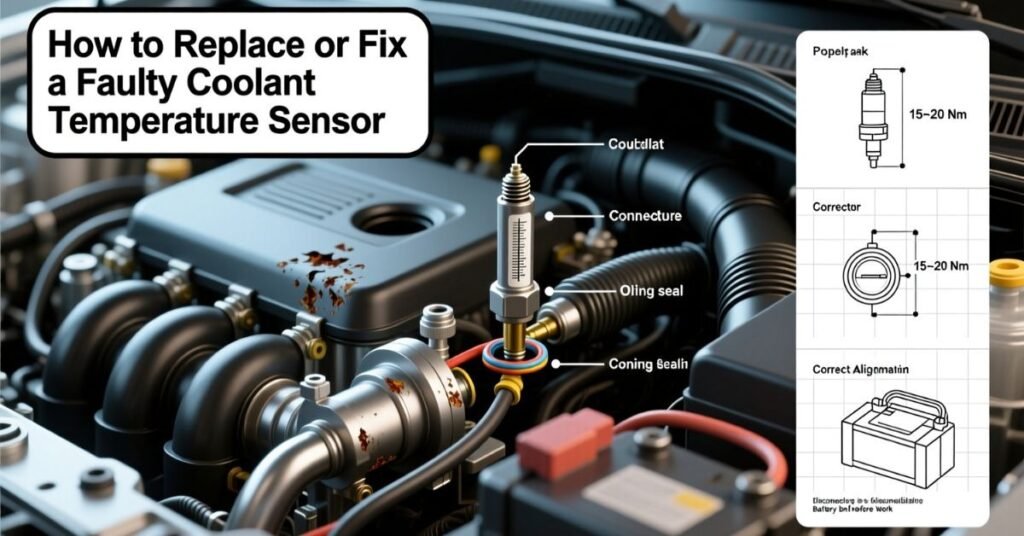
Replacing a faulty coolant temperature sensor is usually simple. First, make sure the engine is cool. Then, locate the sensor, usually near the thermostat or cylinder head. Disconnect the wiring connector carefully. The old sensor should be removed using a wrench. Keep a rag handy to catch any leaking coolant.
Next, install the new sensor. Screw it in by hand first, then tighten gently with a wrench. Reconnect the wiring connector. Check for leaks and refill any lost coolant.. Start the engine and watch the temperature gauge. If it works normally, the job is done. This can save your engine from overheating and improve fuel efficiency.
Conclusion
Engine temp sensor systems are important for your car’s health. They help the engine run at the right temperature. A faulty sensor can cause overheating, poor fuel efficiency, or rough idling. Regular checks can prevent serious problems and keep your car safe.
Fixing or replacing a bad sensor is simple but very effective. Using proper tools and following instructions ensures the system works well. Healthy engine temp sensor systems improve performance and save money on repairs. Always pay attention to warning signs and maintain your sensor for smooth driving.
FAQs
1. What are engine temp sensor systems?
Engine temp sensor systems monitor the engine’s temperature and send data to the ECU for proper performance.
2. How do I know if my engine temp sensor system is faulty?
Signs include overheating, poor fuel efficiency, rough idling, or the check engine light turning on.
3. Can I drive with a bad engine temp sensor system?
It’s not recommended, as it can cause engine damage and reduce fuel efficiency.
4. How do I fix a faulty engine temp sensor system?
You can replace the sensor with a new one following the vehicle manual or have a mechanic do it.
5. How often should engine temp sensor systems be checked?
Check them during regular maintenance or if you notice engine performance issues.
