

Introduction:
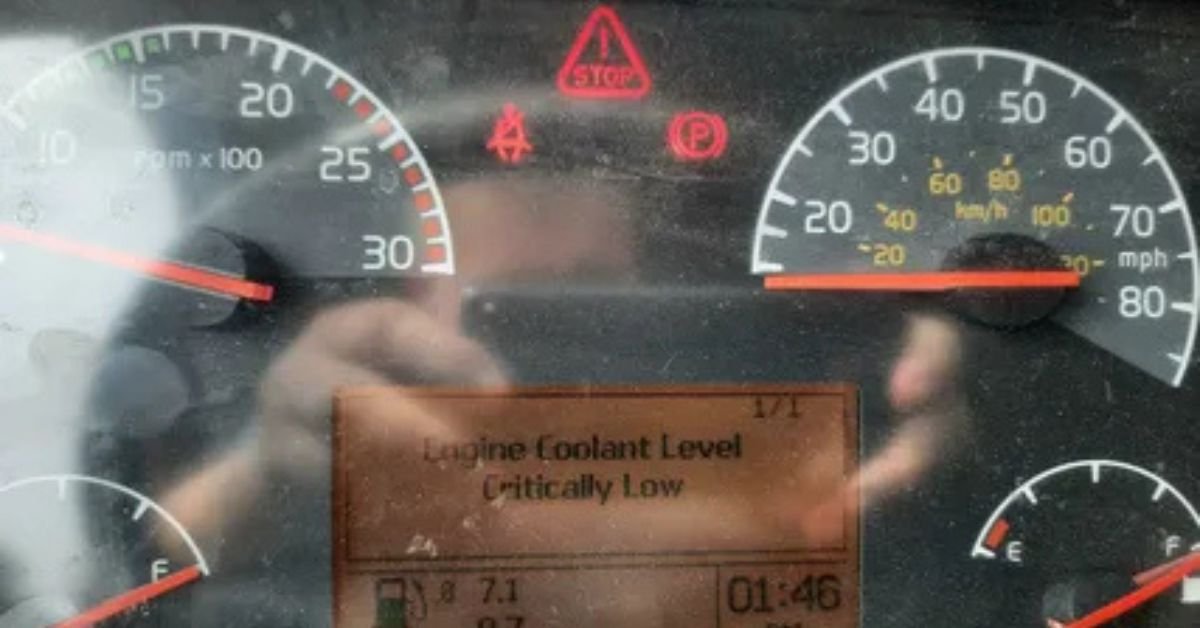
Engine coolant temp low means your engine is not reaching its normal operating temperature. The coolant helps control engine heat and keeps it from overheating or freezing. When the temperature stays too low, the engine does not warm up properly. This can affect performance and fuel efficiency.
You may notice that your heater is not blowing warm air. Or the temperature gauge stays near the “C” mark even after driving for some time. Many drivers ignore this issue because the car is not overheating. But driving with low engine temperature for a long time can cause hidden engine problems.
In this guide, we will explain the common causes, warning signs, and simple fixes for this issue. You will also learn when it is safe to drive and how much repairs may cost. By the end, you will clearly understand how to handle an engine coolant temp low problem.
What Does Engine Coolant Temp Low Mean?
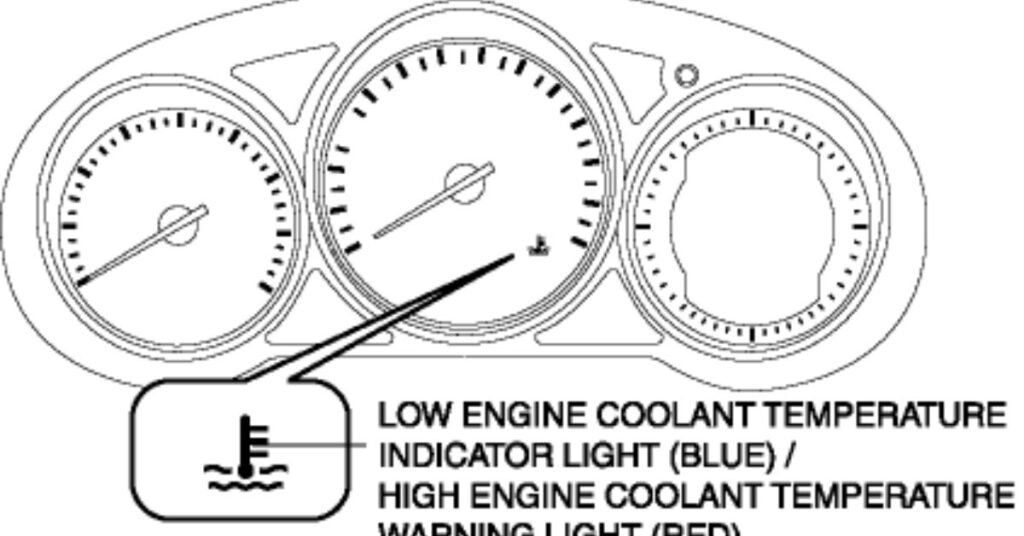
Engine coolant temp low means your engine is running colder than it should. Every engine needs to reach a normal temperature to work properly. The coolant flows through the engine to control heat. If the temperature stays too low, the engine cannot perform at its best.
When this happens, your temperature gauge may stay near the “C” mark. The car may take longer to warm up, especially in cold weather. A low temperature might not seem dangerous at first. But over time, it can reduce fuel efficiency and cause engine wear. That is why it is important to understand and fix the issue early.
Understanding the Coolant Temperature Gauge
The coolant temperature gauge shows how hot your engine is while you drive. It is usually located on your dashboard. The gauge moves from cold to hot as the engine warms up. A normal engine should reach the middle of the gauge after a few minutes of driving.
If the needle stays near the “C” mark, it may mean your engine coolant temp is low. This can point to a thermostat or sensor problem. Pay attention to these common signs:
- The needle does not move from the cold side
- The heater blows cool air even after driving
- A blue temperature light stays on
- The engine takes too long to warm up
Watching the gauge regularly can help you catch problems early and avoid bigger repairs.
Normal Engine Coolant Temperature Range
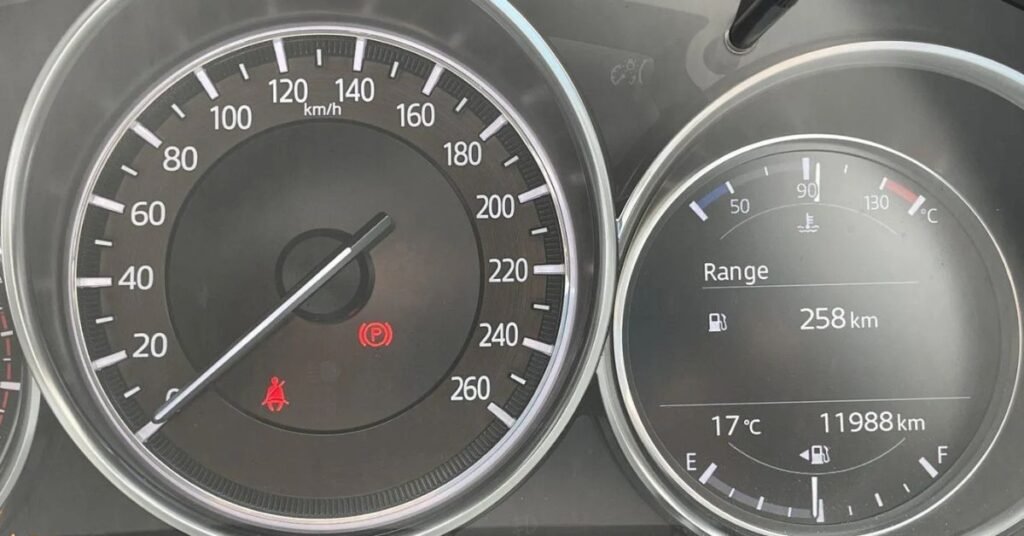
Every engine has a normal temperature range where it works best. Most vehicles run smoothly when the coolant temperature stays between 195°F and 220°F. This allows the engine to burn fuel properly and reduce wear. If the temperature stays too low or rises too high, performance can suffer.
A healthy engine will warm up within a few minutes of driving. The temperature gauge should sit near the middle once the engine is fully warm. If it stays near the cold mark for too long, it may signal an engine coolant temp low issue. Below is a detailed table to help you understand the normal and abnormal ranges.
| Engine Condition | Temperature Range (°F) | Temperature Range (°C) | What It Means | Action Needed |
| Very Cold Start | Below 120°F | Below 50°C | Engine just started | No action needed |
| Warming Up | 120°F – 160°F | 50°C – 70°C | Engine heating up | Normal during first few minutes |
| Slightly Low | 160°F – 190°F | 70°C – 88°C | Running cooler than ideal | Monitor if it stays here |
| Normal Operating Range | 195°F – 220°F | 90°C – 105°C | Engine working properly | No action needed |
| Slightly High | 220°F – 230°F | 105°C – 110°C | Engine getting warm | Check cooling system |
| Overheating | Above 230°F | Above 110°C | Risk of engine damage | Stop and inspect immediately |
This table can help you quickly understand whether your engine temperature is normal or needs attention.
Common Causes of Engine Coolant Temp Low
Engine coolant temp low can happen for several simple reasons. A faulty thermostat that is stuck open is the most common cause.. When this happens, coolant keeps flowing through the engine and does not let it warm up fully. As a result, the engine runs colder than normal.
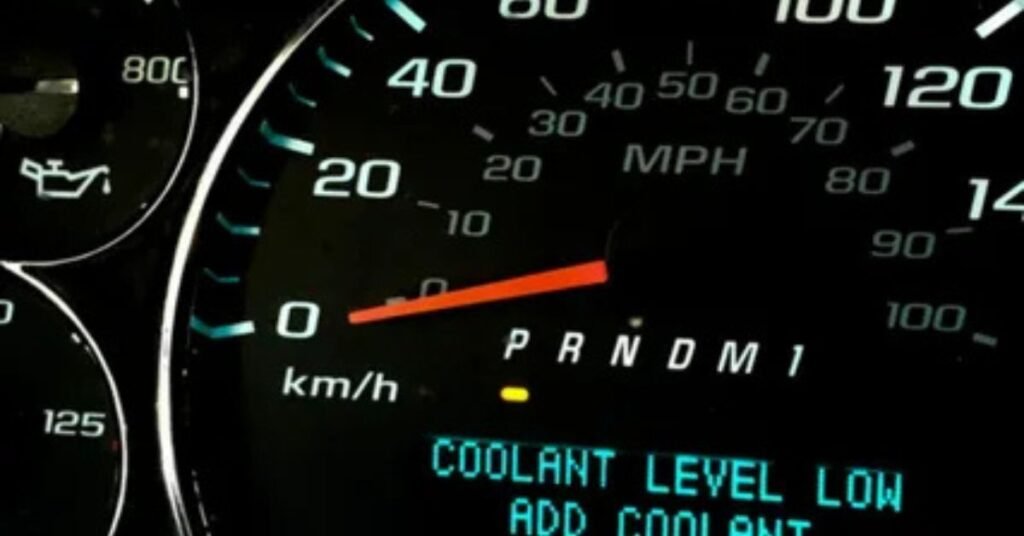
Another cause can be low coolant level or a bad temperature sensor. If there is not enough coolant, the system cannot measure heat correctly. A damaged sensor may also send the wrong signal to the dashboard gauge. In some cases, cold weather can slow down the warming process. Finding the exact cause early can help prevent bigger engine problems later.
Faulty Thermostat Stuck Open
- Engine takes a long time to warm up
- Temperature gauge stays near the cold mark
- Coolant keeps flowing even when engine is cold
- Car heater blows cool or slightly warm air
- Fuel consumption increases during driving
- Engine performance feels weak in cold weather
- Check engine light may appear in some vehicles
Low Coolant Level in Reservoir
- Coolant reservoir shows low or empty level
- Engine temperature reading becomes unstable
- Heater does not produce proper heat
- Possible coolant leak under the car
- Warning light may turn on occasionally
- Engine warms up slowly due to poor circulation
- Air bubbles enter the cooling system causing incorrect readings
Malfunctioning Coolant Temperature Sensor
A malfunctioning coolant temperature sensor can give wrong readings to your car’s computer. This can make the engine think it is colder or hotter than it actually is. As a result, the engine may not reach the proper operating temperature. It can also affect fuel efficiency and heater performance.
Signs of a bad coolant temperature sensor include unusual engine behavior. You may notice the temperature gauge jumping or staying low. Sometimes the check engine light turns on. Common symptoms are:
- Erratic temperature gauge readings
- Engine warms up too slowly
- Poor fuel economy
- Heater blowing cold air
- Check engine light activated
- Difficulty starting the engine in cold weather
- Rough idling or engine hesitation
This sensor is small but important. Replacing a faulty sensor can fix low engine temperature problems and improve overall engine performance.
Symptoms of Low Engine Coolant Temperature
- Temperature gauge stays near the cold mark even after driving
- Heater blows only cold or lukewarm air
- There is a delay in warming up the engine
- Reduced fuel efficiency during normal driving
- Check engine light may turn on unexpectedly
- Rough idling or uneven engine performance
- Strange engine noises during start-up
- Poor acceleration or sluggish response
- Steam or condensation from exhaust in cold weather
- Dashboard warning lights related to engine temperature
Poor Heater Performance
One of the first signs of low engine coolant temperature is a heater that does not warm up properly. Even after driving for several minutes, the air from the vents may feel cold or lukewarm. This happens because the engine is not reaching the normal operating temperature, so the heater core cannot produce enough heat.
You may also notice that your defroster works slowly in cold weather. Driving in chilly conditions can feel uncomfortable. A poor heater can also indicate other issues like a stuck thermostat or low coolant level. Fixing the engine coolant temp problem usually restores the heater to normal performance.
Decreased Fuel Efficiency
- Engine burns more fuel than usual
- Car feels sluggish during acceleration
- Low engine temperature prevents optimal fuel combustion
- Longer warm-up times increase fuel consumption
- Trips around town use more gas than normal
- Poor mileage noticed especially in cold weather
- Fuel economy drops even with normal driving habits
Check Engine Light Turning On
- Dashboard light may appear unexpectedly
- Can indicate a low coolant temperature issue
- Sensor sending incorrect temperature readings
- Engine computer detects abnormal engine behavior
- Warning may come on intermittently or stay on
- Could be linked to thermostat or coolant sensor problems
- Helps alert you to take action before bigger damage occurs
Is It Safe to Drive With Engine Coolant Temp Low?
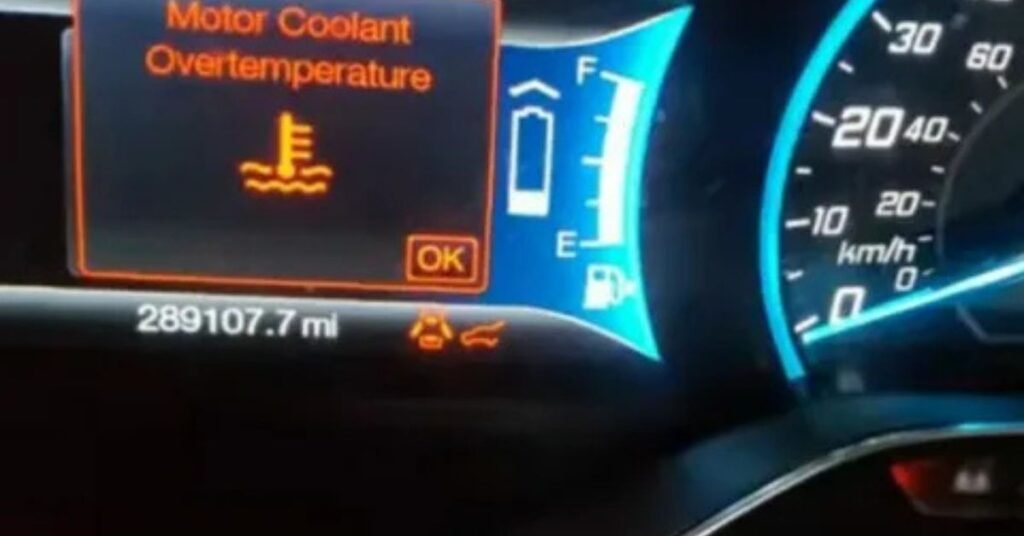
Driving with low engine coolant temperature for a short time is usually safe. The engine is not overheating, so there is no immediate danger. You can drive carefully to a nearby mechanic or home without risk.
However, long-term driving with low temperatures can cause problems. The engine may wear faster, fuel efficiency drops, and the heater will not work properly. Over time, it can lead to carbon buildup or engine damage. It’s best to fix the issue as soon as possible to avoid costly repairs.
Short-Term vs Long-Term Risks
Low engine coolant temperature can cause minor issues in the short term. The engine warms up slowly, the heater blows cold air, and fuel efficiency drops slightly. These problems are usually not dangerous if you drive only a short distance.
Long-term driving with low coolant temperature can cause serious engine damage. The engine parts wear faster, carbon can build up, and performance drops. To make it easier to understand, here’s a detailed table of risks:
| Risk Type | Short-Term Effects | Long-Term Effects | Action Needed |
| Engine Warm-Up | Slower heating | Engine never reaches ideal temp | Monitor temperature gauge |
| Heater Performance | Cold air from vents | Heater may fail completely | Check coolant level & thermostat |
| Fuel Efficiency | Slightly higher fuel use | Significantly reduced fuel economy | Inspect engine and sensors |
| Engine Wear | Minimal wear | Accelerated engine wear | Repair thermostat or sensor |
| Carbon Build-Up | None | Carbon deposits inside engine | Regular maintenance required |
| Dashboard Warnings | Occasional alerts | Persistent check engine light | Diagnose and fix sensor issues |
| Driving Comfort | Slight discomfort | Poor cabin heating in winter | Fix low coolant temperature promptly |
This table helps you see the difference between short-term inconveniences and long-term risks of driving with low engine coolant temperature.
Impact on Engine Performance
Low engine coolant temperature can make your engine run less efficiently. The engine does not reach the optimal temperature for combustion. This can cause slower acceleration and weaker power. You may also notice rough idling or hesitation when you press the gas.
Fuel consumption also increases because the engine burns more fuel to compensate for the cold. Long drives with low temperature can lead to carbon buildup inside the engine. Over time, this reduces overall engine life and performance. Fixing the low coolant temp issue helps your engine run smoothly and saves fuel.
How to Fix Engine Coolant Temp Low Issue
- Refill the reservoir if it is low on coolant
- Inspect the thermostat and replace it if stuck open
- Test the coolant temperature sensor for faults and replace if needed
- Flush old coolant and refill with the correct type for your car
- Check hoses, radiators, and water pumps for leaks
- Make sure the radiator cap is sealing properly
- Clear air pockets from the cooling system after refilling
- Monitor the temperature gauge after repairs to ensure normal operation
Replacing the Thermostat
- Locate the thermostat housing in your engine
- Drain a small amount of coolant before removing the old thermostat
- Remove the old thermostat carefully
- Install the new thermostat in the correct position
- Reattach the thermostat housing and tighten bolts securely
- Refill any lost coolant and check for leaks
- Check the temperature gauge after starting the engine
Refilling or Flushing Coolant
- Drain the old coolant from the radiator and reservoir
- Flush the cooling system with water to remove deposits
- Refill with the correct type and mixture of coolant for your car
- Ensure the coolant level is at the recommended mark
- Bleed the system to remove air pockets
- Check for leaks around hoses and radiator cap
- Run the engine and confirm the temperature reaches normal range
Checking the Temperature Sensor
- Locate the coolant temperature sensor on the engine block or cylinder head
- Disconnect the sensor electrical connector carefully
- Test the sensor with a multimeter for correct resistance values
- Replace the sensor if readings are outside the manufacturer’s range
- Reconnect the electrical connector securely
- Refill coolant if needed and check for leaks
- Start the engine and verify proper temperature readings on the gauge
How Much Does It Cost to Fix Low Coolant Temperature?
Fixing a low engine coolant temperature issue can vary depending on the cause. Simple repairs like refilling coolant or replacing a thermostat are usually affordable. More complex problems, like a faulty coolant temperature sensor or major leaks, can cost more. Labor charges and parts prices in the USA also affect the total cost.
Here is a detailed table to help you understand the typical costs for different repairs:
| Repair Type | Average Cost (Parts + Labor, USD) | Description | Notes |
| Coolant Refill | $80 – $150 | Adding fresh coolant to the system | Simple and quick |
| Coolant Flush | $100 – $180 | Flushing old coolant and refilling | Helps prevent future issues |
| Thermostat Replacement | $150 – $300 | Replacing a faulty thermostat | Includes parts and labor |
| Coolant Temperature Sensor | $100 – $250 | Testing and replacing sensor | Critical for accurate readings |
| Radiator Repair | $200 – $500 | Fixing leaks or damaged radiator | Depends on damage extent |
| Water Pump Replacement | $300 – $600 | Replacing worn water pump | Labor-intensive repair |
| Full Cooling System Service | $400 – $700 | Complete inspection, flush, and repairs | Best for older cars |
This table gives a clear picture of what to expect when fixing low engine coolant temperature problems in the USA. It helps plan your budget and prioritize repairs.
How to Prevent Engine Coolant Temperature Problems
- Regularly check the coolant level and top it up if necessary
- Make sure your car is using the right type of coolant
- Inspect hoses, radiator, and water pump for leaks
- Replace the thermostat at recommended intervals
- Test the coolant temperature sensor periodically
- Follow the manufacturer’s instructions for flushing and refilling the cooling system
- Make sure the radiator cap is sealed and in good condition
- Avoid driving with a constantly low or high temperature gauge
- Monitor the heater performance for early signs of issues
- Schedule regular engine maintenance to prevent long-term problems
Conclusion
Low engine coolant temperature is a common issue that can affect your car’s performance. It may seem minor at first, but ignoring it can lead to engine wear, poor fuel efficiency, and heater problems. Most cases are caused by a stuck thermostat, low coolant, or a faulty temperature sensor.Time and money can be saved if you catch the problem early.
Regular maintenance and careful monitoring of your temperature gauge are key. Simple fixes like refilling coolant, replacing the thermostat, or checking the sensor can restore normal engine performance. By understanding the causes, symptoms, and solutions, you can keep your engine running smoothly. Staying proactive prevents bigger repairs and keeps your car safe and reliable.
FAQs
1. What does “engine coolant temp low” mean?
It means your engine is running colder than normal. The coolant is not reaching the proper temperature, which can affect engine performance, heater efficiency, and fuel consumption.
2. What causes low engine coolant temperature?
Common causes include a stuck-open thermostat, low coolant level, or a faulty coolant temperature sensor. Cold weather or air pockets in the cooling system can also contribute.
3. Is it safe to drive with engine coolant temp low?
Short drives are usually safe, but long-term driving can harm the engine. Low temperature reduces efficiency, increases fuel use, and may cause engine wear over time.
4. How can I fix low engine coolant temperature?
You can refill or flush the coolant, replace a faulty thermostat, or check and replace a bad temperature sensor. Regular maintenance ensures the engine warms up properly.
5. How can I prevent engine coolant temperature problems?
Check coolant levels regularly, inspect the cooling system for leaks, and replace worn parts on time. Using the correct coolant and routine maintenance keeps the engine running at the right temperature.
