


Introduction:
Driving with low coolant means your car does not have enough fluid to keep the engine cool. Coolant helps control engine temperature. It stops the engine from overheating. When the coolant level is low, the engine cannot work properly.
Many drivers ignore low coolant warnings. They think they can drive a little more. But this small mistake can cause big damage. A hot engine can break down fast. Repairs can be costly and stressful.
In this article, we will explain why coolant is important. We will discuss the risks of driving with low coolant. You will also learn the warning signs and simple tips to stay safe.
What Does Coolant Do and Why It Matters
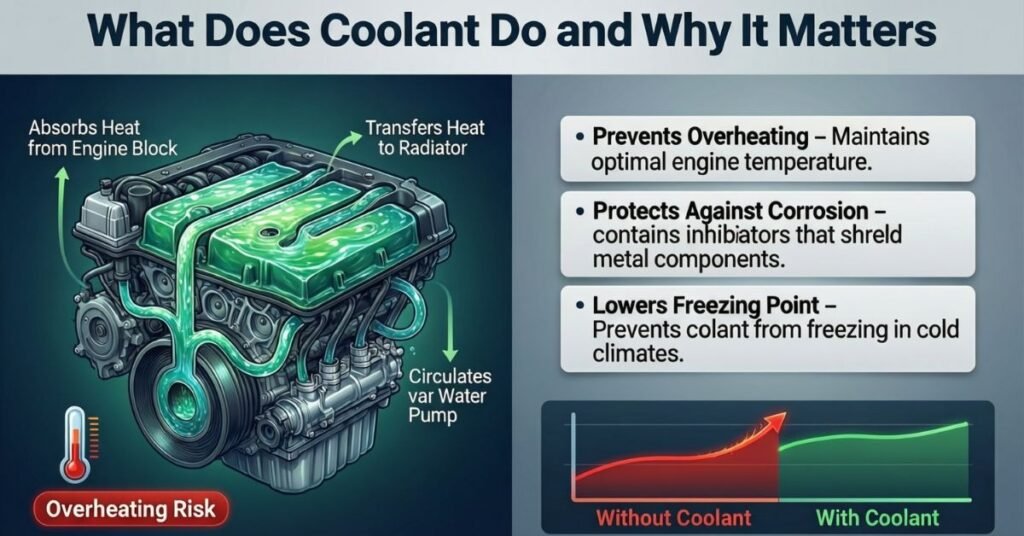
Coolant is a special fluid that keeps your car engine at the right temperature. It flows through the engine and absorbs extra heat. Without it, the engine can get too hot and stop working. Coolant also protects the engine from rust and corrosion, keeping it healthy for a long time.
Coolant matters because your engine works best when it is not too hot or too cold. Low or old coolant can cause overheating, leaks, or even serious engine damage. Using the right coolant and checking it regularly can save you from costly repairs. It’s a small step that keeps your car running smoothly.
What Happens When Coolant Levels Are Low
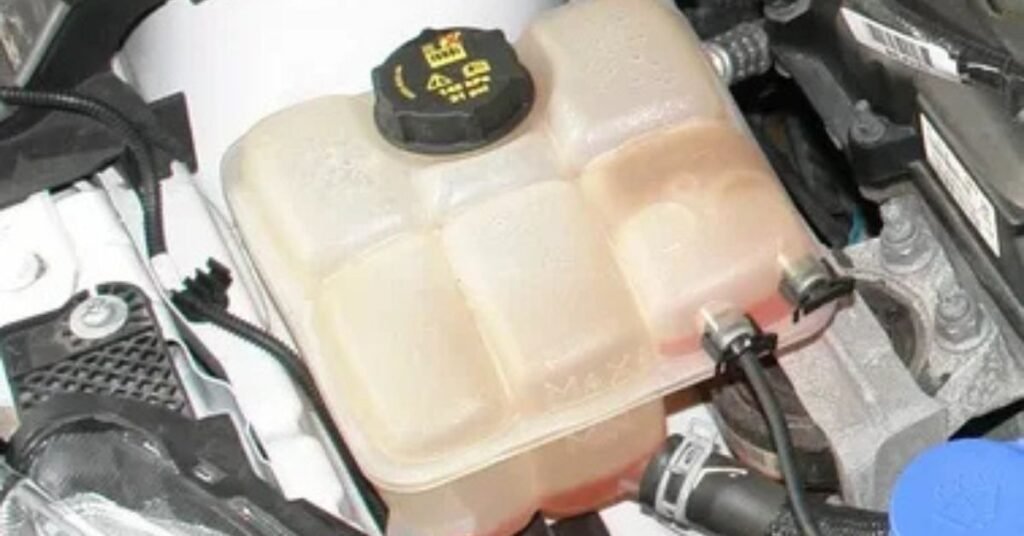
When coolant levels drop, your engine cannot stay cool. This can lead to overheating and serious damage. You may notice warning lights on your dashboard or steam coming from the hood. Driving with low coolant can turn a small problem into a big repair.
Here are some common signs and effects of low coolant:
- Engine overheating quickly
- Strange noises from the engine
- Heater not working properly
- Possible leaks or puddles under the car
Low coolant affects your car’s performance and safety. Checking and topping up coolant regularly is an easy way to avoid costly repairs. It keeps your engine running smoothly and your car safe on the road.
Engine Overheating Explained
Engine overheating happens when your car’s cooling system cannot remove heat properly. Low coolant, blocked radiators, or broken fans can cause this. A hot engine can stall or get damaged quickly. It’s important to stop driving and let the engine cool before continuing.
Risk of Blown Head Gasket
A blown head gasket is a serious engine problem caused by extreme heat. Low coolant or constant overheating can crack the gasket. This can lead to coolant mixing with engine oil, causing severe engine damage. Repairs are expensive and time-consuming.
Transmission and Other Component Effects
Overheating doesn’t just hurt the engine. It can affect the transmission and other parts too. High temperatures can damage seals, hoses, and sensors. This can reduce performance and lead to costly repairs. Keeping coolant at the right level protects your whole car.
Is It Safe to Drive With Low Coolant?
Driving with low coolant is risky and not recommended. Your engine may overheat quickly, even on short trips. Overheating can cause serious damage, like warped engine parts or a blown head gasket. Ignoring low coolant warnings can turn a small problem into a costly repair.
Some drivers think a little driving is safe, but it isn’t. Even low speeds can harm the engine. If you notice low coolant, it’s best to refill it or get your car checked. Regularly monitoring coolant keeps your car safe and prevents unexpected breakdowns.
Symptoms of Low Coolant While Driving
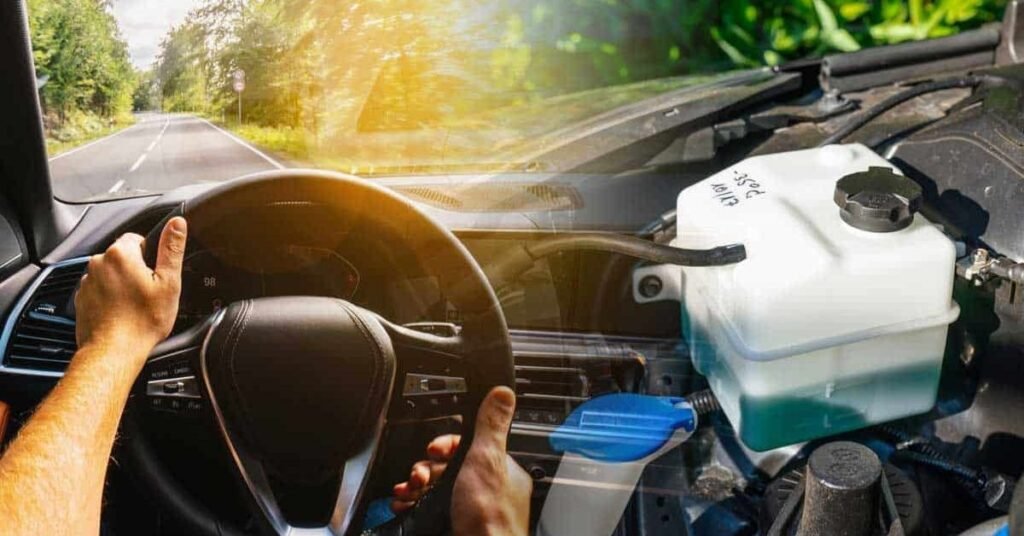
Low coolant can cause noticeable problems while driving.Engine damage can result from ignoring these signs.
Here are common symptoms to watch for:
- Warning lights on the dashboard
- Strange smells, like burning or sweet syrup
- Heater not producing warm air
- Engine making unusual noises
- Coolant leaks or puddles under the car
Keep your engine and drive worry-free by checking your coolant regularly.
High Temperature Gauge or Overheat Warning
If your temperature gauge rises suddenly, it means your engine is getting too hot. Overheating can happen quickly with low coolant. Ignoring it can damage the engine. Always stop and check the coolant if this warning appears.
Steam or Smoke From Under the Hood
Steam or smoke is a clear sign of overheating. It usually comes from the radiator or engine area. This can happen when coolant boils or leaks. Never ignore steam, as it can indicate serious engine problems.
Coolant Warning Light on Dashboard
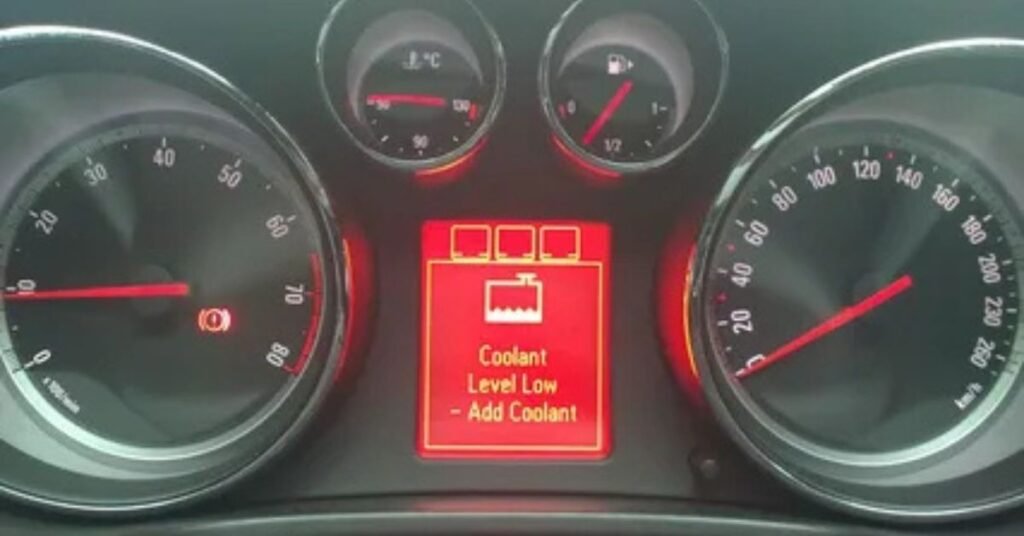
Most cars have a coolant warning light. If it turns on, your coolant level is low or the system has a problem. This light should never be ignored. Check and refill coolant immediately to avoid damage.
Sweet or Strange Smell Inside or Under the Car
A sweet or unusual smell often comes from leaking coolant. It may be inside the cabin or under the hood. This smell warns you of low coolant or leaks. Fixing it early prevents overheating and engine damage.
Causes of Low Coolant Levels
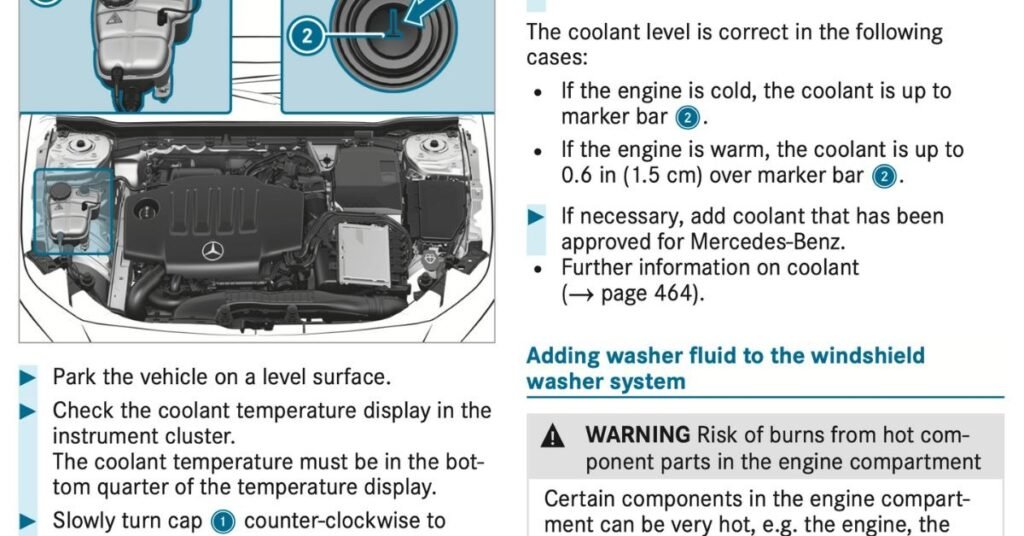
Low coolant happens when the fluid in your car’s cooling system drops below the recommended level. This can create serious engine problems if ignored. Understanding the common causes helps prevent issues and keeps your engine safe.
Common causes of low coolant include:
- Leaks in the radiator, hoses, or water pump
- Cracks in the engine or radiator
- Worn-out gaskets or seals
- Evaporation over time in older cars
- Using the wrong type of coolant
- Neglecting regular maintenance and checks
Regularly checking and topping up coolant prevents overheating and protects your engine from costly repairs.
Coolant Leaks: Radiator, Hoses, and Pump
Coolant can leak from a damaged radiator, worn hoses, or a failing water pump. Leaks reduce the fluid needed to keep the engine cool.Ignoring small leaks can quickly result in big problems.
Faulty Radiator Cap or Pressure Loss
A bad radiator cap can cause coolant to escape or lose pressure. Low pressure stops the system from circulating coolant properly. This can lead to engine overheating and damage.
Internal Engine Leak
Sometimes coolant leaks inside the engine through a cracked head gasket or cylinder. This can mix coolant with engine oil, harming performance. Internal leaks are serious and need immediate attention.
What to Do if You Notice Low Coolant
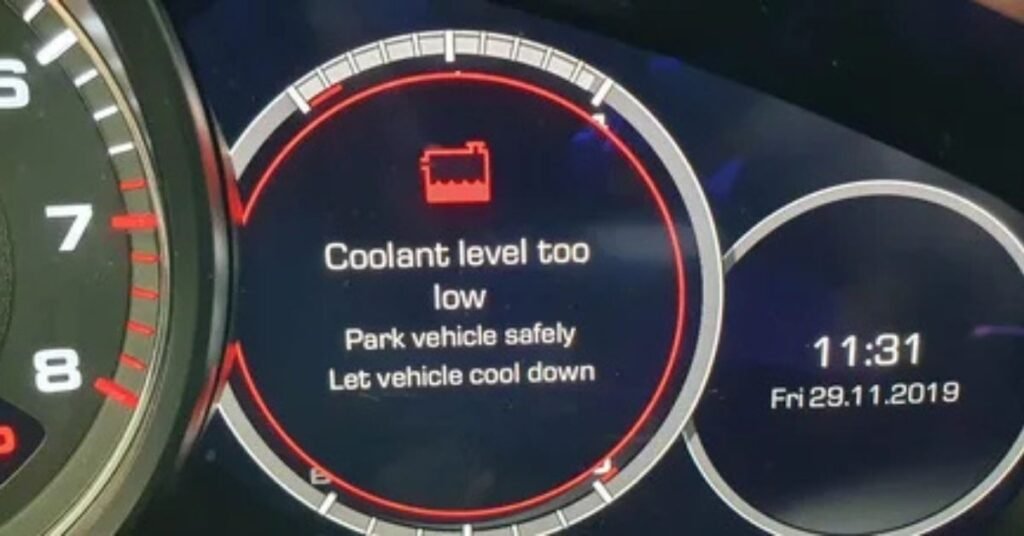
- Stop your car safely and let the engine cool before opening the hood.
- Check the coolant level in the reservoir and refill if it’s low.
- Use the correct type of coolant recommended for your car.
- Inspect for visible leaks in the radiator, hoses, or under the car.
- Avoid driving long distances until the coolant issue is fixed.
- If unsure, have a mechanic check your cooling system immediately.
- Regularly monitor coolant levels to prevent future problems.
Safe Pull-Over Checklist
- Stop your car in a safe place away from traffic.
- Turn on hazard lights to warn other drivers.
- If necessary, run the engine until it cools down.
- When the engine is hot, do not open the radiator cap.
- Keep passengers inside or at a safe distance from the road.
How to Check Coolant Level Safely
- Before opening the hood, wait for the engine to cool completely
- Make sure the coolant level matches the minimum and maximum marks on the reservoir.
- Use a clean cloth or gloves to handle the reservoir cap.
- Coolant should be added slowly if the level is low.
- Never pour water or coolant into a hot engine.
When to Call a Roadside or Garage Service
Call a roadside or garage service if your engine keeps overheating. Don’t try to drive far with very low coolant. Professional help can prevent serious damage and costly repairs.
Preventing Low Coolant Problems
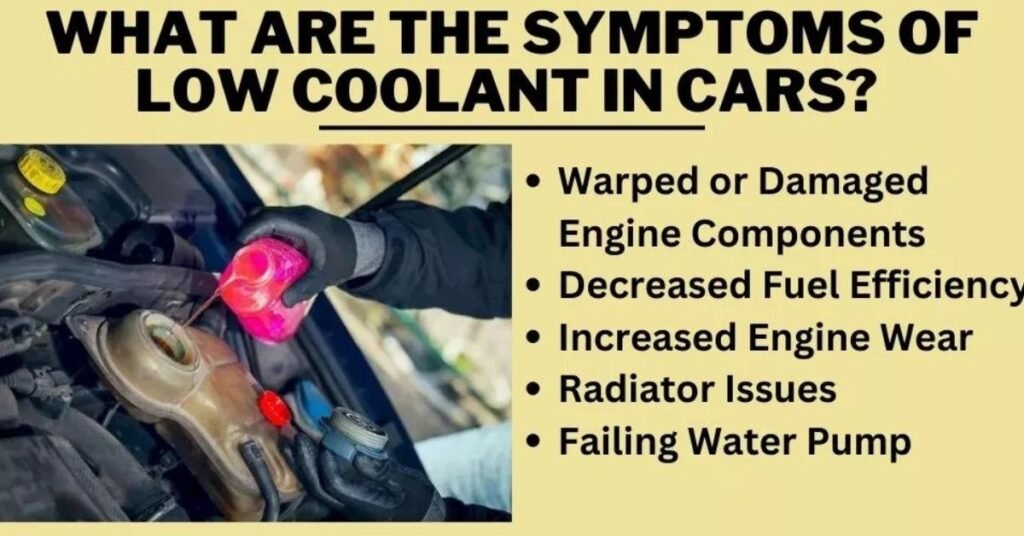
Taking a few simple steps can keep your vehicle from breaking down and costing you a lot of money..
Here are some easy ways to prevent low coolant problems:
- Check coolant levels at least once a month.
- Make sure you use the right type of coolant for your vehicle.
- Inspect hoses, radiator, and water pump for leaks.
- Replace worn-out gaskets or seals promptly.
- Your car’s manual recommends flushing and refilling the cooling system.
- Pay attention to dashboard warning lights and unusual smells.
Driving With Low Coolant
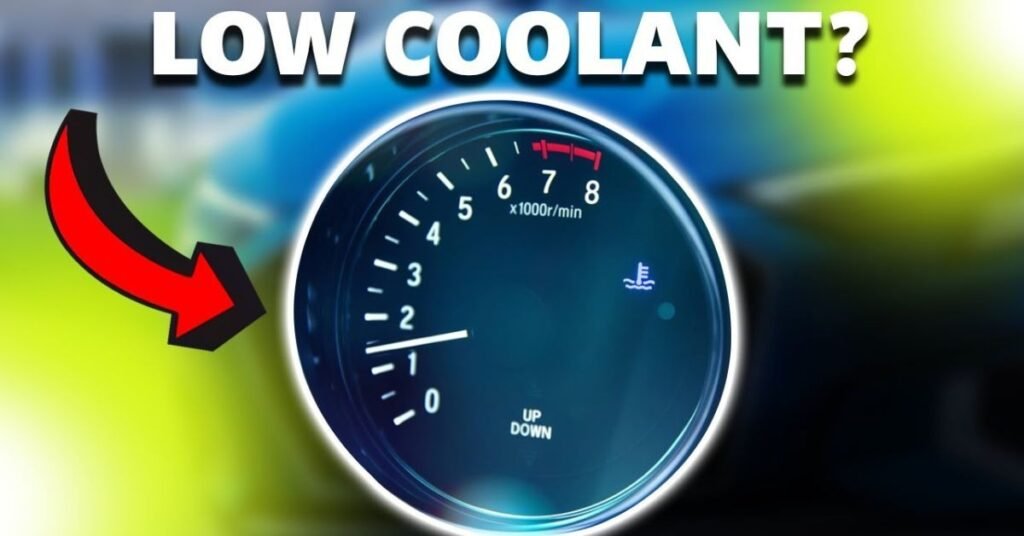
Driving with low coolant can be very risky. The engine may overheat quickly, even on short trips. Overheating can damage the engine, radiator, and other components. It can also lead to blown head gaskets or costly repairs. Knowing the risks and signs helps you stay safe on the road.
Here’s a detailed table showing what can happen if you drive with low coolant:
| Symptom / Issue | What Happens | Potential Damage | Immediate Action |
| High engine temperature | Gauge rises quickly | Engine overheating | Stop car and check coolant |
| Steam or smoke from under hood | Visible vapor or smoke | Boiling coolant, potential engine damage | Pull over safely, let engine cool |
| Coolant warning light | Dashboard alert | Low coolant or system issue | Check reservoir and refill if safe |
| Sweet or strange smell | Leak from radiator or hoses | Coolant loss, engine risk | Inspect for leaks, refill if needed |
| Reduced heater performance | Heater not producing warm air | Low coolant circulation | Check level, avoid long drives |
| Strange engine noises | Ticking or knocking sounds | Engine components may be stressed | Stop car, inspect, call mechanic |
| Risk of blown head gasket | Persistent overheating | Major engine repair needed | Do not drive, get professional help |
| Transmission or component issues | Overheating affects connected systems | Damage to transmission or sensors | Avoid driving, check systems |
This table helps you understand the dangers clearly. Always check coolant before driving and fix any issues immediately.
Conclusion
Low coolant is not something to ignore. It can quickly cause engine overheating and serious damage. Checking levels regularly and topping up when needed keeps your car safe and running smoothly.
Being aware of the warning signs and acting early can save you time and money. Simple steps like inspecting hoses, using the right coolant, and getting professional help when needed make a big difference. Staying proactive protects both your engine and your safety on the road.
FAQs
1. Is it dangerous to drive with low coolant?
Yes, it is very dangerous for your engine.
Low coolant can cause overheating and serious damage.
2. How do I know if my coolant is low?
You may see a warning light or high temperature gauge.
Steam, leaks, or strange smells are also common signs.
3. Can low coolant damage my engine permanently?
Yes, it can cause a blown head gasket or warped parts.
This damage is costly and sometimes irreversible.
4. What should I do immediately if the coolant is low?
Stop the car safely and let the engine cool.
Then refill coolant or call a mechanic for help.
5. Why is my car losing coolant so often?
There may be a leak or bad radiator cap.
A mechanic should inspect the cooling system.
