

Introduction:
You can use antifreeze to regulate the engine temperature of your car.. It stops the engine from freezing in cold weather and overheating in hot conditions. Antifreeze is also called coolant and is an important part of the cooling system.
Many drivers notice antifreeze comes in different colors like green, pink, blue, or orange. This often leads to confusion and questions. Does the color really mean something, or is it just for looks?
In reality, antifreeze color can give clues about its chemical type and usage. Different colors are often linked to different formulas and vehicle needs. That is why understanding antifreeze color matters for your car’s health.
Does Antifreeze Color Matter?
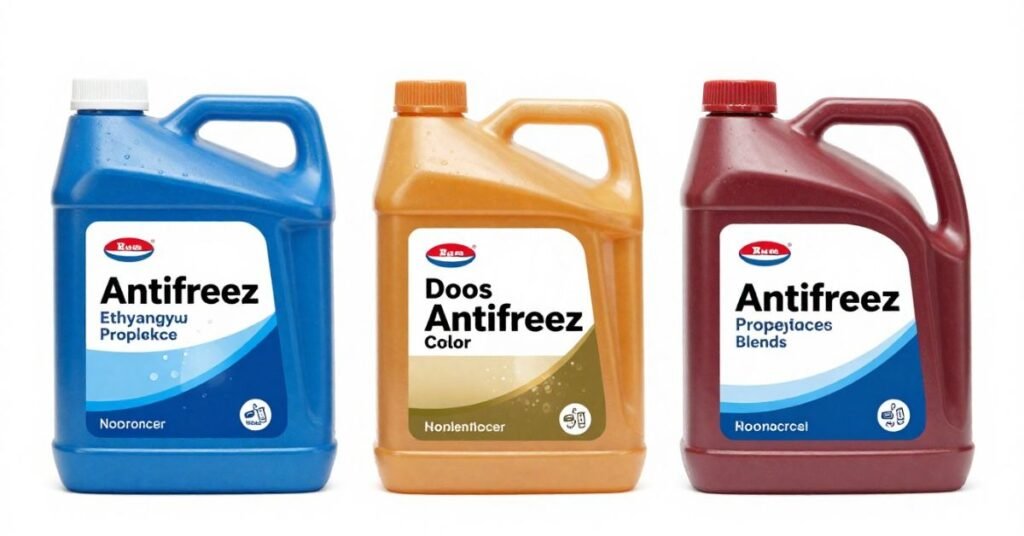
Yes, antifreeze color does matter in many cases. The color often helps identify the type of coolant used in a car. Different colors can mean different chemical formulas. Using the wrong type may reduce cooling performance or harm engine parts.
However, color alone should not be your only guide. Some manufacturers use similar colors for different coolant types. Always check your car’s owner manual before adding antifreeze. Choosing the correct coolant helps protect your engine and cooling system.
What Is Antifreeze and What Does It Do?
Antifreeze is a liquid used in a car’s cooling system. It helps control the engine temperature in all weather. In cold conditions, it stops the coolant from freezing.The engine is protected from overheating in hot weather by this device.
Antifreeze also protects engine parts from rust and corrosion. It keeps the cooling system clean and working smoothly. Without antifreeze, a car engine can suffer serious damage. That is why it is essential for everyday driving.
Why Are Coolant / Antifreeze Different Colors?
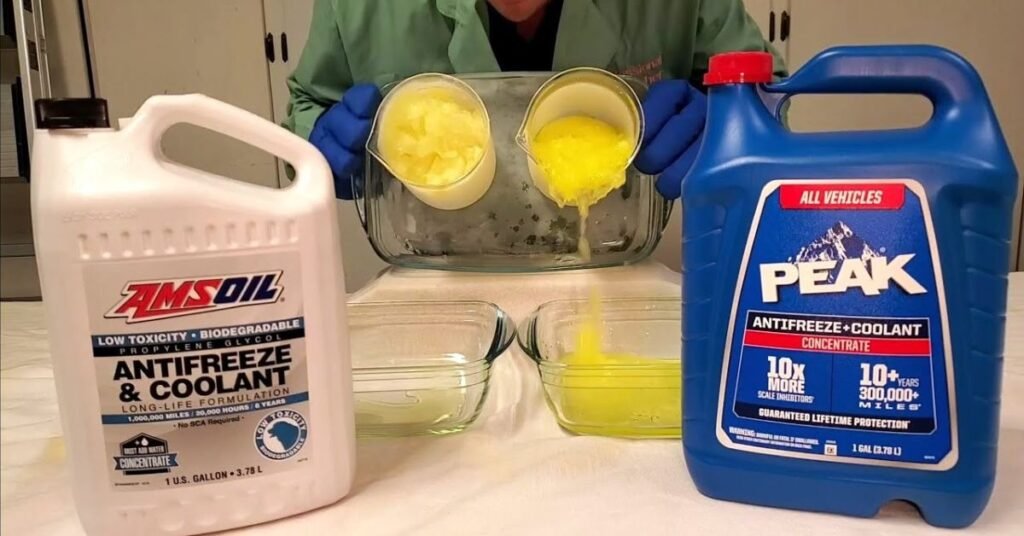
Coolant and antifreeze come in different colors to help identify their type. Each color usually represents a specific chemical formula. These formulas are designed for different engines and cooling systems. The color makes it easier for mechanics and drivers to tell them apart.
Different colors also help prevent mixing the wrong coolants. Mixing incompatible types can cause damage or reduce performance. While color is a helpful guide, it is not a strict rule. Always check the manufacturer’s recommendation before choosing coolant.
What Does Antifreeze Color Mean?
Antifreeze color usually shows its chemical type and usage. For example, green antifreeze is often the traditional type, while pink or orange is usually long-life coolant. Blue antifreeze is common in some modern cars. Knowing the color helps pick the right coolant for your engine.
However, color alone does not guarantee compatibility. Different brands may use similar colors for different formulas. It is important to check your car manual or label instructions. Using the correct type keeps your engine safe and running smoothly
Green Antifreeze Uses and Applications
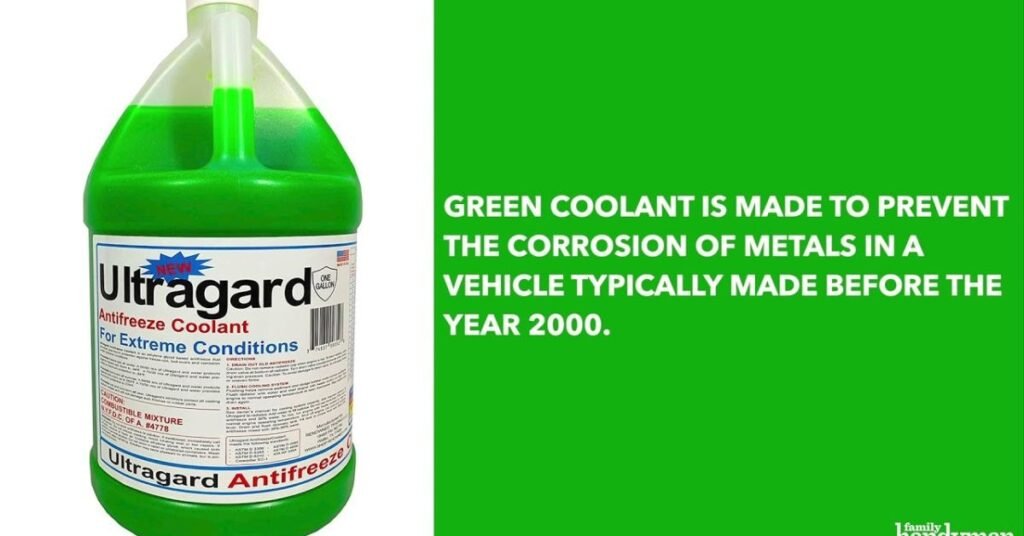
Green antifreeze is the traditional type of coolant used in many cars. It is usually made with ethylene glycol and simple additives. This coolant works well in older vehicles and standard engines. As a result, winters are less likely to freeze and summers are less likely to overheat.
Green antifreeze also protects the engine from rust and corrosion. It is widely available and affordable. However, it usually needs to be replaced more often than modern long-life coolants. Always check your car’s manual to see if green antifreeze is suitable.
Orange Antifreeze Key Differences
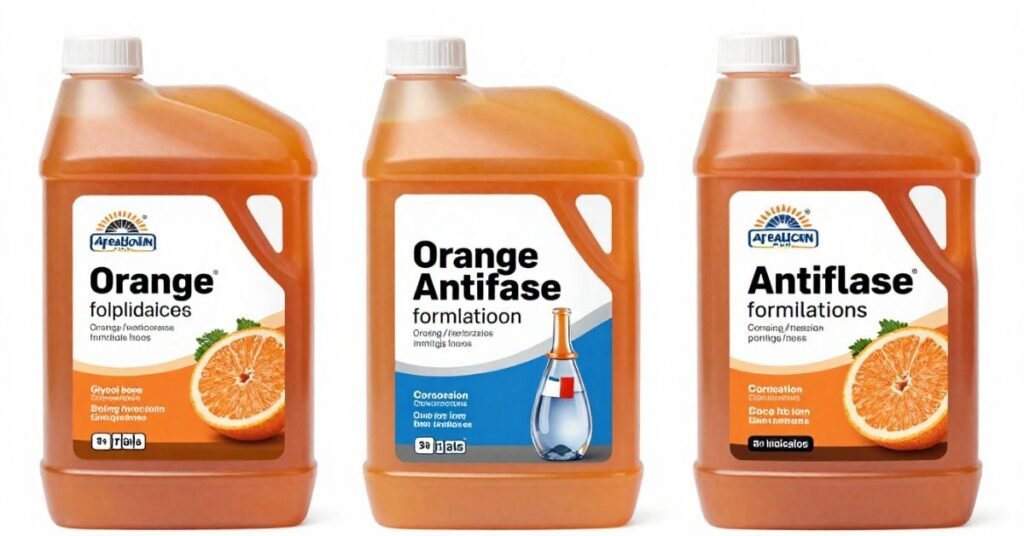
Orange antifreeze is usually a long-life coolant. It often contains organic additives that last longer than traditional green antifreeze. This type is designed for modern engines and newer cars. It protects the engine from rust, corrosion, and overheating for an extended period.
Unlike green antifreeze, orange coolant does not need frequent replacement. The material is more stable at high temperatures and under harsh conditions.. However, it is not always compatible with older engines. Always check your car’s manual before using orange antifreeze.
Red / Pink Antifreeze Modern Vehicles
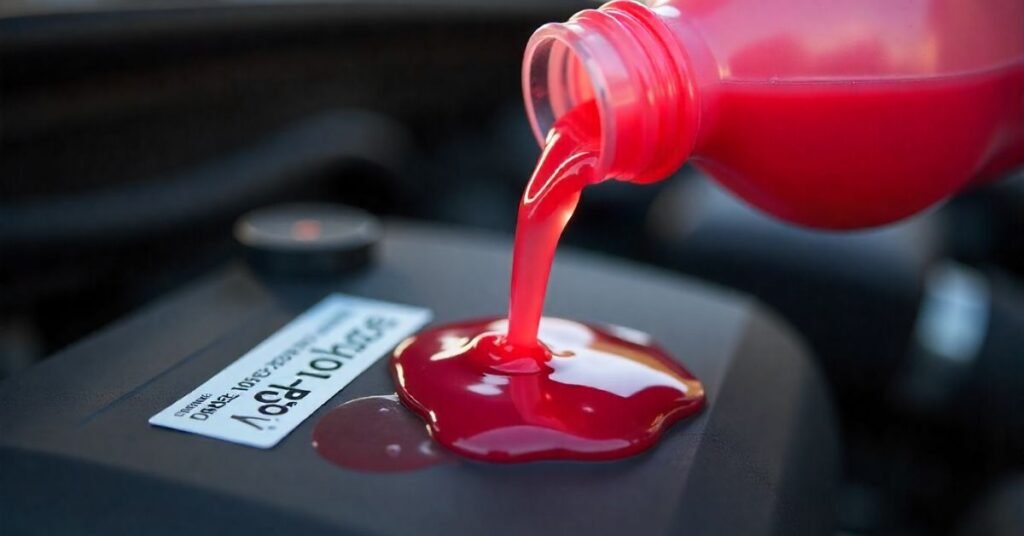
Red or pink antifreeze is commonly used in modern vehicles. It usually contains advanced organic additives that protect the engine longer. This type of coolant is designed for newer engines and high-performance cars. It prevents rust, corrosion, and overheating effectively.
Red or pink antifreeze often has a longer lifespan than green coolant. It is ideal for cars that require long-life coolant formulas. However, it is not always compatible with older engines. Always follow your car manufacturer’s recommendation when using it.
Blue Antifreeze Asian Cars Explained
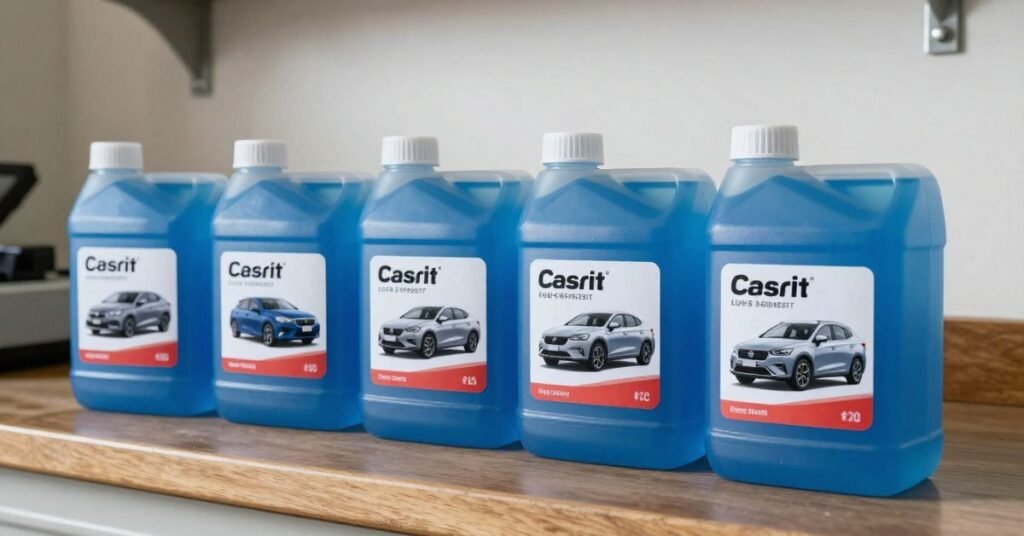
Blue antifreeze is commonly used in many Asian cars. It usually contains organic additives that protect the engine for a long time. This type of coolant helps prevent rust, corrosion, and overheating. It is often designed for Japanese and Korean vehicles.
Blue antifreeze is different from green or red types. It is usually long-life and stable at high temperatures. Using the wrong color can reduce engine performance. Always check your car manual before adding blue coolant.
What Do Antifreeze Colors Indicate About Additives?
Antifreeze colors often show what type of additives are inside. Additives help protect the engine from rust, corrosion, and overheating. Different colors usually mean different chemical formulas and protection levels. Understanding this helps you pick the right coolant for your car.
Here are some common indicators:
- Green: Traditional additives, good for older engines.
- Orange / Pink / Red: Organic additives, long-life protection.
- Blue: Advanced additives for modern Asian cars.
Choosing the right color ensures your engine stays safe and lasts longer. Always check the manufacturer’s recommendations before adding coolant.
Antifreeze Additive Types (IAT, OAT, HOAT)
Antifreeze contains different types of additives to protect engines. The main types are IAT, OAT, and HOAT. IAT (Inorganic Additive Technology) is common in older cars and needs frequent changes. OAT (Organic Additive Technology) is long-life and used in modern engines. HOAT (Hybrid Organic Additive Technology) combines both for better protection.
Each type works differently to prevent rust and corrosion.Your engine or cooling system can be damaged if you use the wrong type.. Always check your car’s manual before choosing antifreeze. This ensures the coolant works effectively and keeps your engine safe.
Can You Mix Different Antifreeze Colors?
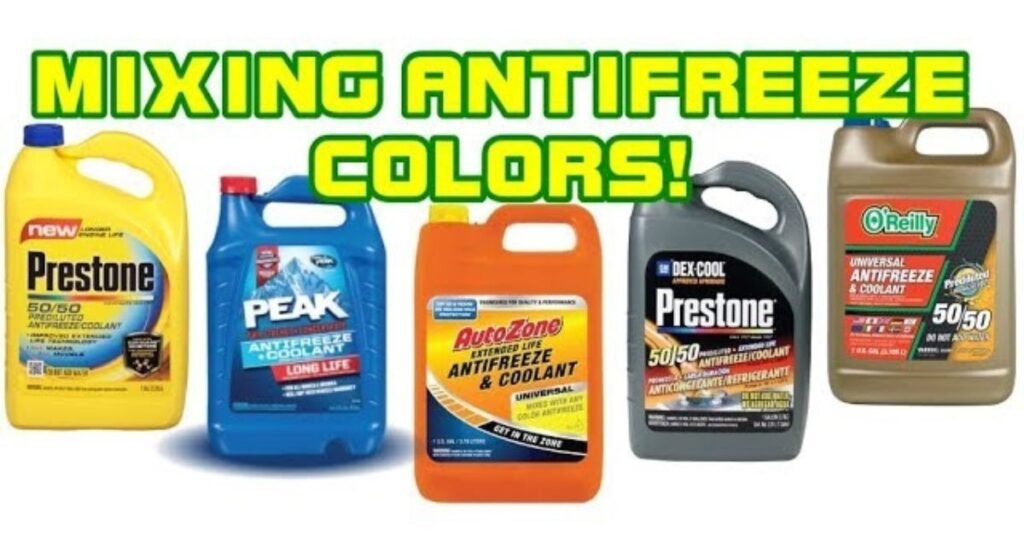
Mixing different antifreeze colors is usually not recommended. Each color often represents a different chemical formula. Combining them can reduce the coolant’s effectiveness. It may also cause rust, corrosion, or even engine damage.
If you must mix in an emergency, only do it temporarily. Always flush the system and refill with the correct type as soon as possible. Checking your car’s manual is important before adding any new coolant. Using the right color keeps your engine safe and running smoothly.
What Happens If You Mix the Wrong Coolant Colors?
Mixing the wrong coolant colors can harm your engine. Different colors often mean different chemical formulas. When combined, they can react and form sludge. This sludge can block the cooling system and reduce efficiency.
It can also cause rust and corrosion inside the engine. Over time, this may lead to overheating and expensive repairs. Your car manufacturer should always recommend the type of coolant you should use.. Flushing the system before switching colors is the safest way.
What Kind of Antifreeze Should You Use in Your Car?
Choosing the right antifreeze depends on your car’s make and model. Different engines require different formulas to work safely. Using the wrong type can cause damage or reduce cooling performance. Check your car’s manual before adding coolant..
The following guide will help you make your choice:
| Car Type / Region | Recommended Antifreeze Color | Notes |
| Older Cars | Green | Traditional coolant, replace every 2 years |
| Modern European Cars | Orange / Red | Long-life OAT or HOAT formulas |
| Modern Asian Cars | Blue | Long-life, organic additives |
| High-Performance Cars | Pink / Red | Advanced additives, extended protection |
| Mixed / Unknown Type Cars | Check Manual | Always follow manufacturer guidance |
Using the correct antifreeze keeps your engine safe. It prevents rust, corrosion, and overheating. Always replace or top-up with the recommended type.
How to Choose the Right Antifreeze for Your Vehicle
Choosing the right antifreeze starts with your car’s manual. The manual shows the recommended type and color. Different engines need different formulas. Using the wrong coolant can damage the engine or cooling system.
Also, consider the climate and driving conditions. Long-life coolants last longer in hot or cold weather. Check the label for additive type (IAT, OAT, HOAT). Always follow the manufacturer’s instructions for the safest choice.
What Are the Risks of Using the Wrong Antifreeze Color?
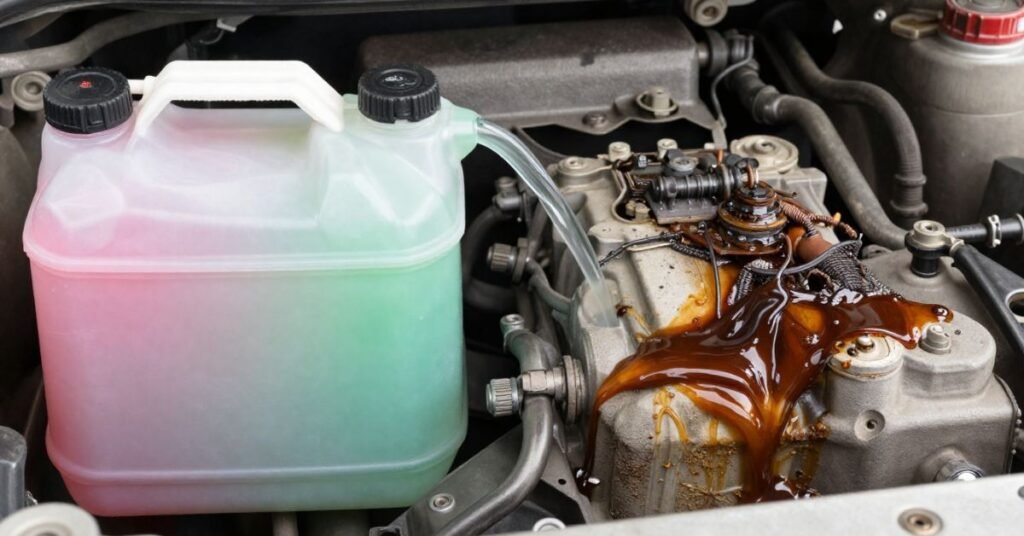
Using the wrong antifreeze color can cause serious engine problems. Different colors usually mean different chemical formulas. Mixing them can lead to sludge, corrosion, and blocked coolant passages. This may cause the engine to overheat and fail.
It can also shorten the life of your cooling system. Repairs from wrong coolant use can be expensive. Always use the type and color recommended by your car manufacturer. Choosing the right antifreeze keeps your engine safe and running smoothly.
Conclusion
So, does antifreeze color matter? Yes, it does in many ways. The color helps identify the type of coolant and its additives. Using the right color keeps your engine safe from rust, corrosion, and overheating.
However, color is not the only thing to check. Always follow your car manufacturer’s recommendation. Choosing the correct antifreeze ensures long engine life and smooth performance. Remember, the right coolant protects your car and saves you from costly repairs.
FAQs:
- Q: Does antifreeze color matter for my car?
A: Yes, it helps identify the type and additives suitable for your engine. - Q: Can I mix different antifreeze colors?
A: Mixing colors is risky and can damage your engine, so it’s not recommended. - Q: Is green antifreeze the same as red or pink?
A: No, different colors usually have different formulas and lifespans. - Q:When choosing an antifreeze color, how do I know which one to use?
A: Always check your car’s owner manual for the recommended type and color. - Q: Will using the wrong antifreeze color harm my engine?
A: Yes, it can cause corrosion, overheating, and cooling system problems.
