

Introduction:
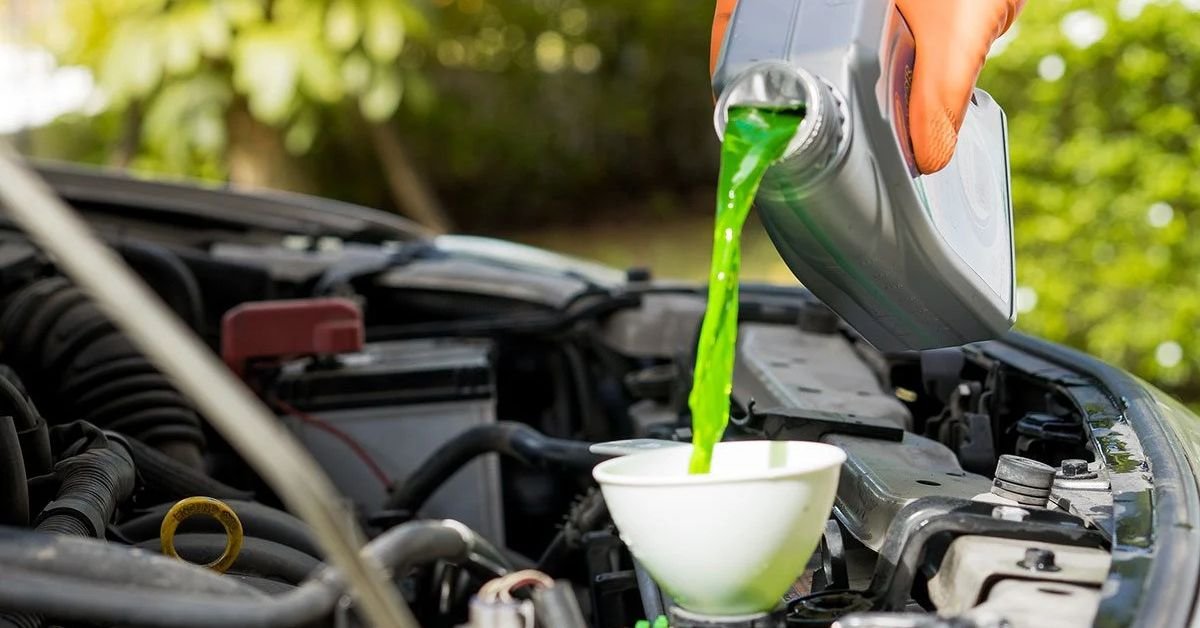
Antifreeze is a liquid used in your car’s cooling system. It mixes with water to control engine temperature. It prevents the engine from freezing in cold weather and overheating in hot weather. Rust and corrosion are also prevented by it.. Without antifreeze, your engine cannot stay at a safe temperature.
Many drivers think antifreeze is only needed in winter. But is that really true? Can a car run safely without it in summer? Frequently asked questions.. Ignoring antifreeze can lead to serious and expensive engine damage.
In this guide, you will learn whether cars really need antifreeze all year round. We will explain how it works, why it matters, and what happens if you don’t use it. By the end, you will clearly understand how antifreeze protects your engine and keeps your car running smoothly.
What Is Antifreeze and Why It Matters in Cars
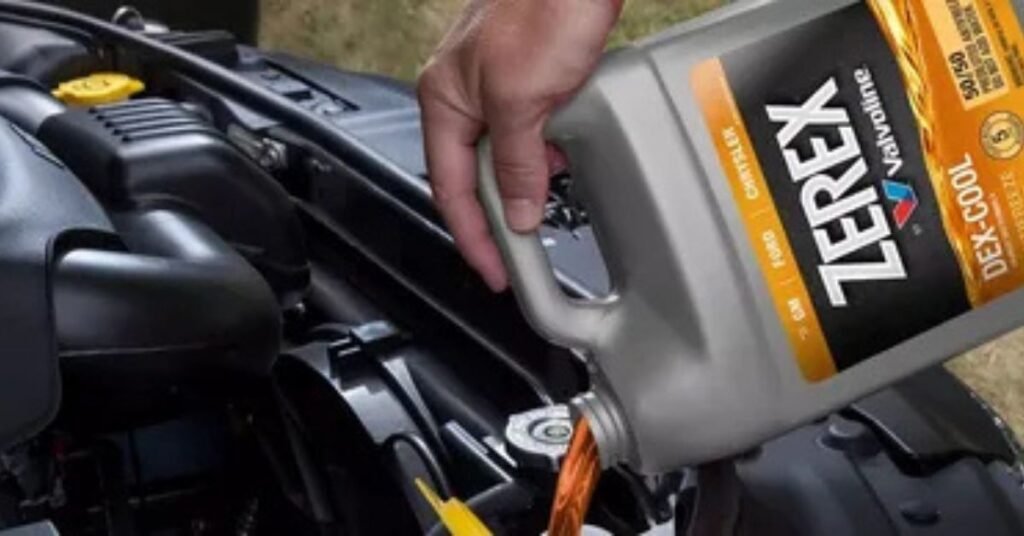
Antifreeze is a liquid that helps control your car’s engine temperature. It is mixed with water and flows through the radiator and engine. This mixture is called coolant. It keeps the engine from freezing in cold weather and from overheating in hot weather. It also protects the cooling system from damage over time.
Antifreeze is important because your engine produces extreme heat while running. Without it, the engine could overheat or even crack in freezing temperatures. It also keeps internal parts clean and protected. Good antifreeze provides several key benefits:
- In winter, prevents engine freezing
- Overheating in summer is reduced
- Protects against rust and corrosion
- Helps the radiator work efficiently
- Makes engines last longer
In simple words, antifreeze keeps your engine safe in every season.
Antifreeze vs Coolant What’s the Difference?
Many people think antifreeze and coolant are the same thing. The two are closely related, but not identical.. Antifreeze is a concentrated liquid made from chemicals like ethylene glycol or propylene glycol. It cannot be used alone in most cars. It must be mixed with water before adding it to the engine.
A coolant is a mixture of water and antifreeze.. This mixture flows through the cooling system to control engine temperature. In simple words, antifreeze is the base product, and coolant is the ready-to-use solution. Understanding the difference helps you choose the right product for your car.
Comparison Table: Antifreeze vs Coolant
| Feature | The antifreeze | Fluid for cooling |
| The definition | Concentrated chemical liquid | Mixture of antifreeze and water |
| Ready to Use? | No, must be diluted | Yes, usually pre-mixed |
| The main purpose of the project | Lowers freezing point | Regulates engine temperature |
| Protection from boiling | Mixes to raise boiling point | Overheating is controlled |
| Freezing Protection | Dilutes to prevent freezing | Winterizes the engine |
| What It Is Sold For | Full-strength concentrate | Pre-mixed (50/50) or ready-to-use |
| Risk If Used Alone | Can damage engine if not diluted | Safe when used properly |
| Common Mix Ratio | 50% antifreeze + 50% water | Balanced already |
| Color Options | Green, orange, pink, yellow | Same colors depending on type |
| Best For | Custom mixing or flushing system | Quick top-ups and easy use |
This simple difference helps drivers avoid mistakes and keep their cooling system working properly.
Do Cars Really Need Antifreeze?
Yes, cars really do need antifreeze. Every engine creates a lot of heat when it runs. Antifreeze helps control that heat and keeps the temperature stable. It also stops the engine from freezing in very cold weather. Without antifreeze, plain water alone cannot protect the engine properly.
Antifreeze works all year, not just in winter. In summer, it raises the boiling point so the engine does not overheat. It also protects metal parts from rust and corrosion inside the cooling system. If you drive without it, you risk serious engine damage and costly repairs. Simply put, antifreeze is essential for keeping your car safe and reliable.
How Antifreeze Protects Your Engine in Hot and Cold Weather
Antifreeze protects your engine in both hot and cold weather. In cold temperatures, it stops the engine from freezing. Frozen coolant can crack the engine block and damage hoses. In hot temperatures, antifreeze raises the boiling point of the coolant. This prevents the engine from overheating and keeps it running smoothly.
Using antifreeze provides several key protections:
- Prevents engine freezing in winter
- Reduces overheating in summer
- Protects metal parts from rust and corrosion
- Keeps the radiator and hoses clean
- Maintains an efficient engine temperature
By keeping your engine at the right temperature all year, antifreeze helps your car stay safe and reliable in every season.
Why It’s Essential in Winter (Freezing Protection)
- Lowers coolant freezing point to prevent ice formation
- Protects engine block and hoses from cracking
- Keeps heater working properly for cabin warmth
- Prevents metal parts from rust and corrosion
- Maintains proper pressure in the cooling system
Why It’s Important in Summer (Overheating Prevention)
- Raises boiling point to prevent coolant from boiling
- Protects engine parts from overheating and warping
- Ensures smooth heat transfer throughout the engine
- Prevents pressure buildup in radiator and hoses
- Keeps cooling system clean and efficient
How Often Should You Check or Replace Antifreeze
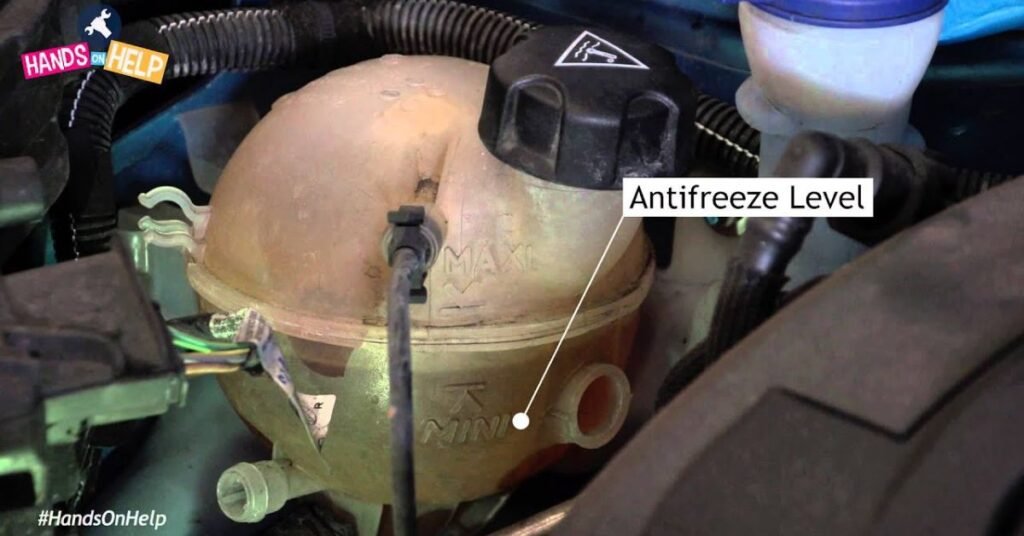
It is important to check your antifreeze regularly. Low or old antifreeze can cause engine problems. Most experts suggest checking it at least twice a year. Look at the coolant level in the reservoir and the color of the fluid. If it looks rusty or dirty, it needs replacement. Regular checks help prevent overheating and freezing.
Replacing antifreeze depends on your car and type of coolant. Older cars may need replacement every 2 years. Modern cars can last up to 5 years with the right antifreeze. Heavy driving or extreme climates may require more frequent changes. Keeping antifreeze fresh protects the engine and keeps your car running efficiently.
Antifreeze Check & Replacement Guide
| Vehicle Type | Check Frequency | Replace Frequency |
| Older Cars | Twice a year | Every 2 years |
| Modern Cars | Twice a year | Every 5 years |
| Extreme Weather / Heavy Driving | Every 3–4 months | Every 2–3 years |
This table makes it easy to see how often you should check and replace antifreeze for different cars and conditions.
Types of Antifreeze and Which Is Best for Your Car
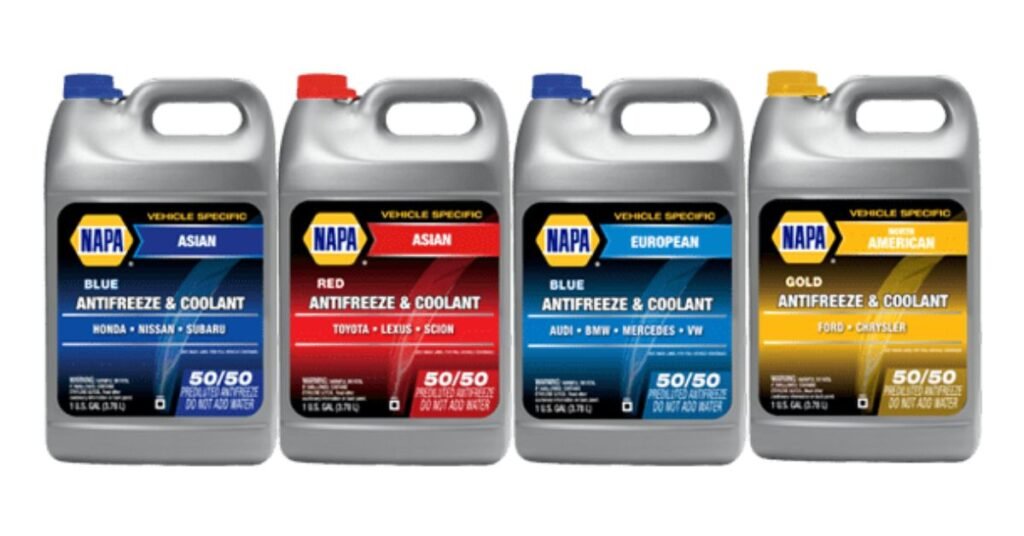
Antifreeze comes in different types, and each works best for certain vehicles. The most common types are IAT, OAT, and HOAT. IAT is usually green and used in older cars. OAT is orange or red and is for modern engines. HOAT is yellow or pink and works in hybrid systems. Using the right type keeps your engine safe and extends its life.
Choosing the wrong antifreeze can cause damage to the cooling system. Each type has different chemicals and lifespan. Some need changing every 2 years, while others last up to 5 years. Knowing the type your car needs helps prevent corrosion, overheating, and leaks.
Comparison Table: Types of Antifreeze
| Type | Color | Best For | Lifespan | Notes |
| IAT (Inorganic Additive Technology) | Green | Older cars | 2 years | Needs frequent changes |
| OAT (Organic Acid Technology) | Orange/Red | Modern engines | 5 years | Long-life protection |
| HOAT (Hybrid Organic Acid Technology) | Yellow/Pink | Hybrid or European cars | 4–5 years | Combines IAT & OAT benefits |
| Si-OAT | Blue | Newer vehicles with aluminum parts | 5 years | Advanced corrosion protection |
| Dex-Cool | Orange | GM vehicles | 5 years | Specifically for GM engines |
This table helps you quickly identify which antifreeze type suits your car and how long it lasts, so you can make the best choice for engine safety.
Signs Your Car Needs More Antifreeze
- Engine temperature gauge rising above normal
- Coolant leaks under the car or around the engine
- Dirty, rusty, or low coolant in the reservoir
- Sweet smell coming from the engine or coolant
- Heater not producing warm air in cold weather
- Overheating during regular driving
- Visible steam or smoke from under the hood
Can You Drive Without Antifreeze? What Happens If You Don’t Use It
Driving without antifreeze is very risky for your car. Without it, the engine cannot control its temperature properly. In cold weather, the water inside the engine can freeze and crack the engine block. In hot weather, the engine can overheat quickly, causing serious damage. Even a short drive without antifreeze can lead to expensive repairs.
The risks are not just about temperature. Without antifreeze, metal parts inside the cooling system can rust or corrode. The radiator and hoses may get clogged or leak. Antifreeze also helps maintain pressure inside the system. Here are the main dangers if you don’t use it:
- Engine freezing in winter
- Overheating in summer
- Cracked engine block or cylinder head
- Rust and corrosion inside the cooling system
- Blown head gasket or damaged radiator
- Costly repairs and possible engine failure
How to Safely Add or Top Up Antifreeze
- Make sure the engine is completely cool before opening the radiator or coolant reservoir.
- Check the coolant level using the markings on the reservoir.
- Use the correct type of antifreeze recommended for your car.
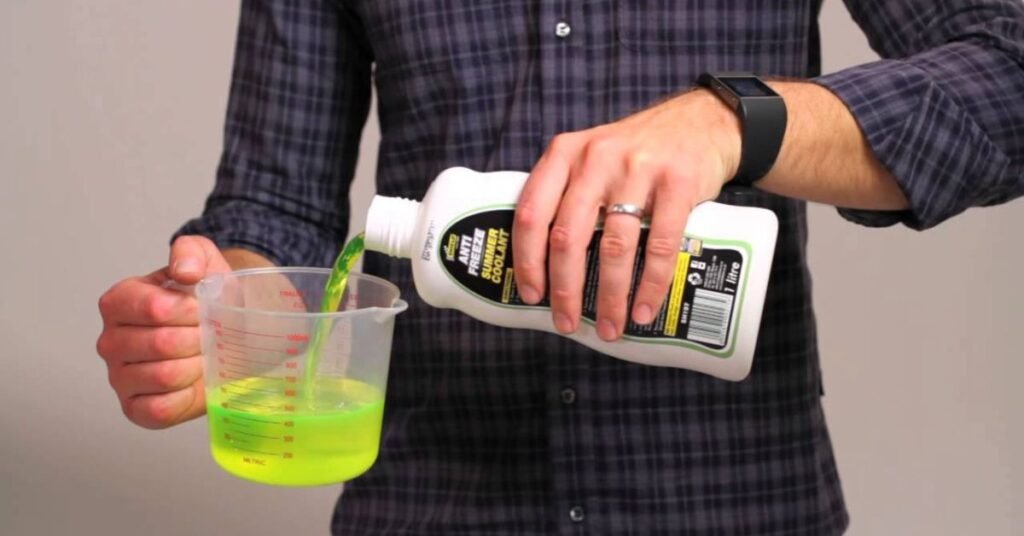
- Mix antifreeze with water if using concentrated antifreeze (usually 50/50).
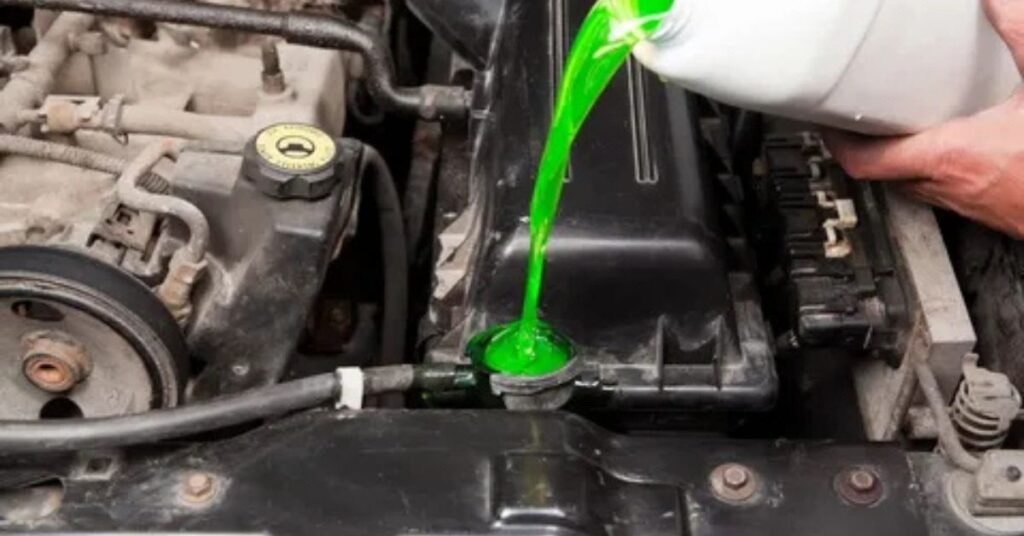
- Slowly pour the antifreeze into the reservoir until it reaches the proper level.
- Close the reservoir cap tightly and securely.
- Start the engine and let it run for a few minutes, then check the level again.
- Clean any spills immediately to avoid damage to car parts or paint.
Conclusion
Antifreeze is very important for every car. It protects the engine from freezing in winter and overheating in summer. It also prevents rust and corrosion inside the cooling system. Without antifreeze, your engine can get seriously damaged, which leads to costly repairs. Checking and topping up antifreeze regularly keeps your car safe and reliable all year round.
Using the right type of antifreeze and maintaining proper levels ensures the engine runs smoothly. Even modern cars need antifreeze to stay protected. Remember, small steps like checking the reservoir or replacing old antifreeze can save you from big problems later. In simple words, antifreeze is not just a liquidit is essential for your car’s health and longevity.
FAQs
1. Do all cars need antifreeze?
Yes, all cars need antifreeze. It controls engine temperature, prevents freezing in winter, and stops overheating in summer. Without it, engines can get damaged and costly repairs may follow.
2. How often should I check or replace antifreeze?
You should check antifreeze at least twice a year. Replacement depends on the type of antifreeze and your carolder cars may need it every 2 years, modern cars every 5 years. Regular checks prevent overheating and corrosion.
3. Can I use water instead of antifreeze?
No, plain water is not enough. Water alone can freeze in winter and boil in summer, which may crack the engine or damage parts. Antifreeze mixed with water ensures year-round protection.
4. What happens if my car runs low on antifreeze?
Low antifreeze can make the engine overheat or freeze, causing damage to the radiator, hoses, and engine block. It may also lead to rust and corrosion inside the cooling system. Regular topping up avoids these problems.
5. How do I know which antifreeze is right for my car?
The correct antifreeze type depends on your car’s make and model. Check the owner’s manual or look for the recommended color/type (IAT, OAT, HOAT). Using the right antifreeze prevents engine damage and extends its life.
