


Introduction:
The coolant temperature switch is a small but important car part. It checks the temperature of the engine coolant. When the coolant gets hot, the switch sends a signal. This helps the car control cooling systems like the radiator fan.
Many drivers do not know this part exists until a problem happens. If the switch fails, the engine can overheat without warning. This can lead to poor performance or costly repairs. That is why understanding this switch is very important.
The coolant temperature switch works with the engine cooling system.This prevents the engine from overheating.. A properly working switch protects the engine and improves reliability. Knowing its function can help you spot problems early.
What Is a Coolant Temperature Switch?

A coolant temperature switch is a small sensor in a car’s engine. It checks how hot the engine coolant is. When the coolant reaches a certain temperature, the switch turns systems on or off. This usually includes the radiator fan.
This switch helps protect the engine from overheating. It makes sure the engine stays within a safe temperature range. If it stops working, the fan may not turn on at the right time. This can cause the engine to get too hot.
Coolant Temperature Switch vs Coolant Temperature Sensor
The coolant temperature switch and the coolant temperature sensor both measure engine coolant temperature. But they work differently. The switch is simple. It turns the radiator fan on or off at a set temperature. The sensor is more advanced. It sends exact temperature data to the car’s computer.
Here is a clear comparison:
| Feature | Coolant Temperature Switch | Coolant Temperature Sensor |
| Function | Turns fan on/off at set temp | Sends real-time temp data to ECU |
| Type | Mechanical/Electrical | Electronic |
| Output | Binary (on/off) | Continuous (exact temp) |
| Location | Usually near thermostat | Usually near thermostat or cylinder head |
| Purpose | Prevent engine overheating | Helps engine run efficiently and control fuel/ignition |
| Complexity | Simple | More complex |
| Cost | Low | Higher |
| Common Issue | Fan not turning on/off | Wrong temperature readings, poor fuel efficiency |
Both are important. The switch protects the engine from heat spikes. The sensor helps the engine run smoothly. Knowing the difference helps with troubleshooting and repairs.
Coolant Temperature Switch Function Explained
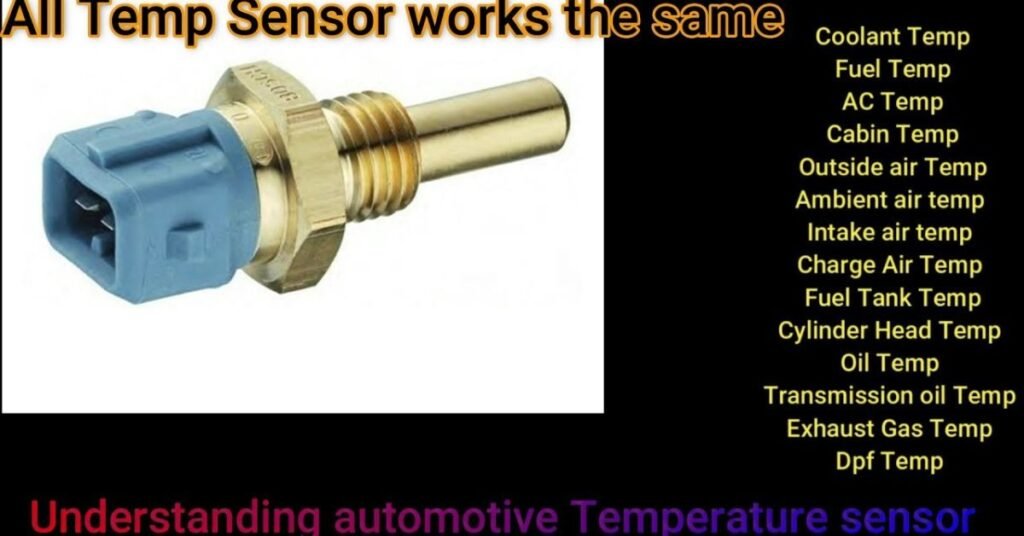
The coolant temperature switch helps control your car’s engine temperature. It monitors the coolant and sends a signal when it gets too hot. This signal usually turns on the radiator fan.This prevents the engine from overheating.
The switch works automatically. You don’t need to do anything. It protects the engine and keeps it running smoothly. If the switch fails, the engine can overheat or run inefficiently. That is why its function is very important for every car.
How the Coolant Temperature Switch Controls Engine Cooling
The coolant temperature switch controls the engine cooling by turning the radiator fan on and off. When the engine gets hot, the switch detects the temperature. It sends a signal to the fan to start cooling the engine. Once the engine cools down, the switch turns the fan off.A safe engine temperature is maintained by this process.
Here’s how it works in simple steps:
- The engine heats up while driving.
- The coolant temperature rises.
- The switch senses the heat.
- It turns on the radiator fan.
- The fan cools the engine coolant.
- The switch turns off the fan when the temperature is safe.
This automatic process protects the engine from overheating. It ensures your car runs smoothly and lasts longer.
How a Coolant Temperature Switch Works

A coolant temperature switch works by sensing the temperature of the engine coolant. It has a small metal or electronic part that reacts to heat. When the coolant reaches a set temperature, the switch closes or opens the circuit. This action usually turns on the radiator fan to cool the engine.
The switch keeps working automatically while the car runs. It helps prevent overheating and protects the engine. If the switch stops working, the fan may not turn on at the right time. This can cause engine damage or poor performance. That’s why the switch is important for every car.
Temperature Thresholds and Electrical Switching Process
The coolant temperature switch works based on a set temperature. This is called the temperature threshold. When the coolant reaches this threshold, the switch activates. It closes or opens the electrical circuit. This action usually turns the radiator fan on or off. The process keeps the engine at a safe temperature.
Here is a clear table showing common thresholds and how the switch works:
| Engine Type | Coolant Temp Threshold (°C / °F) | Switch Action | Purpose |
| Small Petrol Engines | 90°C / 194°F | Closes circuit | Turns fan on |
| Medium Petrol Engines | 95°C / 203°F | Closes circuit | Turns fan on |
| Diesel Engines | 100°C / 212°F | Closes circuit | Turns fan on |
| Small Petrol Engines | 85°C / 185°F | Opens circuit | Turns fan off |
| Medium Petrol Engines | 90°C / 194°F | Opens circuit | Turns fan off |
| Diesel Engines | 95°C / 203°F | Opens circuit | Turns fan off |
The switch works automatically while driving. It ensures the engine does not overheat. It also improves fuel efficiency and engine life.
Where Is the Coolant Temperature Switch Located?
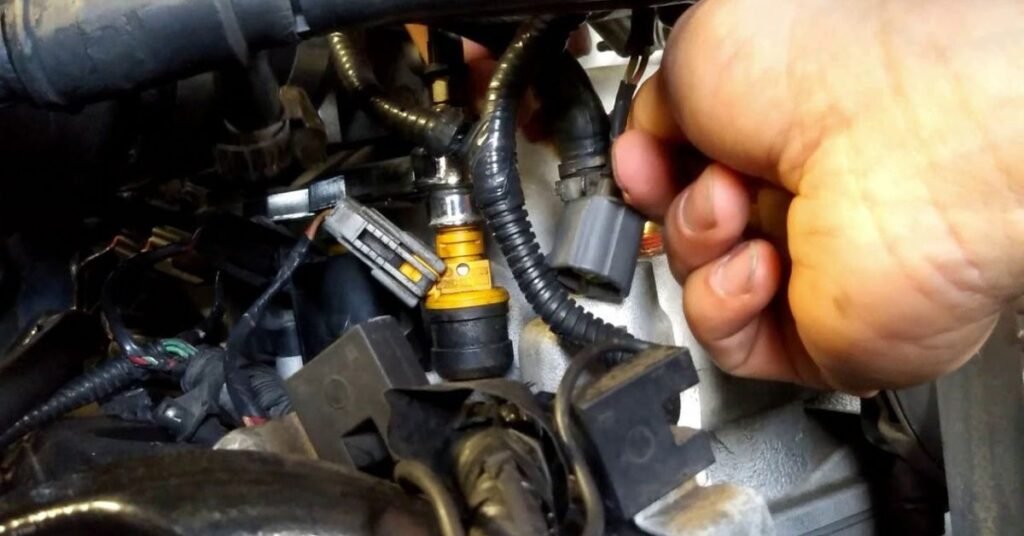
The coolant temperature switch is usually found near the engine thermostat. It is close to the engine block or cylinder head. Some cars have it attached to the radiator hose. Its location allows it to sense the coolant temperature accurately.
Here are common places to find it:
- Near the thermostat housing
- On the engine block
- Close to the cylinder head
- Attached to the radiator hose
Knowing its location helps during inspection or replacement. It is easy to check if the engine overheats or the radiator fan does not work properly.
Common Symptoms of a Bad Coolant Temperature Switch
A bad coolant temperature switch can cause several engine problems. It may fail to turn the radiator fan on or off. This can lead to overheating. Sometimes, the engine runs too cool, affecting performance.
Here are common signs of a failing switch:
- Radiator fan not working properly
- Engine overheating or running too hot
- Poor fuel efficiency
- Check engine light turns on
- Erratic temperature gauge readings
Noticing these symptoms early can help prevent serious engine damage. Replacing a faulty switch keeps the engine safe and running smoothly.
The cooling fan does not turn on at the right time
If the cooling fan does not turn on at the right time, the engine can overheat quickly. This usually happens when the coolant temperature switch is faulty. The switch may fail to send the signal to the fan. As a result, the engine does not get proper cooling.
A late or non-working fan can cause serious problems. The engine may run hotter than normal. This can reduce performance and damage parts. Checking the coolant temperature switch and fan system can prevent these issues.
Why the Coolant Temperature Switch Is Important for Engine Safety
The coolant temperature switch is vital for keeping the engine safe. It monitors the coolant temperature and controls the radiator fan. By doing this, it prevents the engine from overheating. A properly working switch helps the engine run efficiently and last longer.
Here are the key reasons it is important:
- Prevents engine overheating
- Protects engine components from damage
- Maintains optimal engine performance
- Improves fuel efficiency
- Alerts you to cooling system problems
A failing switch can lead to serious engine damage. Regular checks and timely replacement keep your engine safe and reliable.
How to Test and Replace a Coolant Temperature Switch
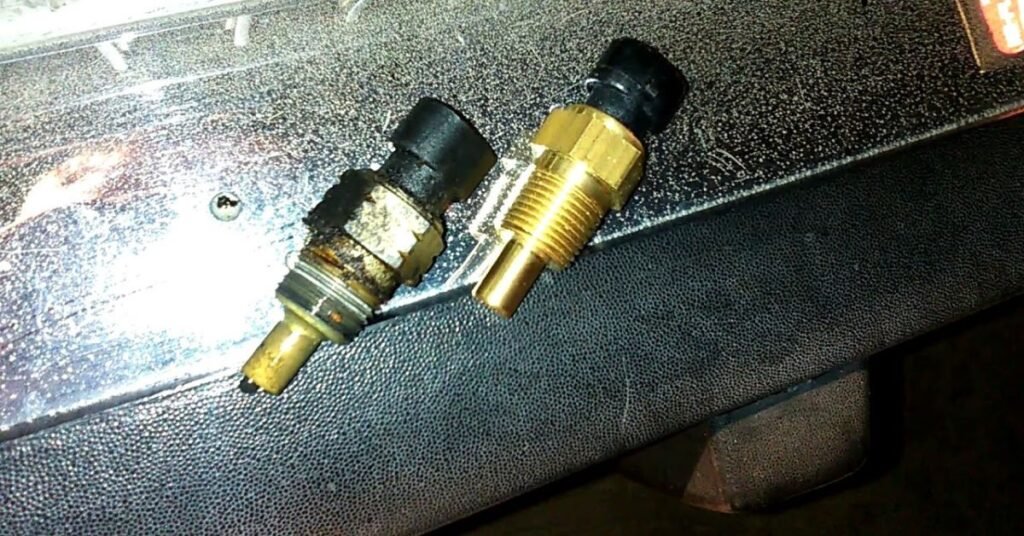
Testing and replacing a coolant temperature switch is simple if you follow the steps carefully. It helps ensure your engine stays cool and safe. A faulty switch can cause overheating or poor performance.
Steps to Test and Replace:
- Let the engine cool completely before turning it back on.
- Locate the coolant temperature switch near the thermostat or engine block.
- Disconnect the electrical connector from the switch.
- Use a multimeter to check the switch for continuity at the specified temperature.
- If the switch is faulty, unscrew it from the engine.
- Install a new switch in the same position.
- Reconnect the electrical connector.
- Start the engine and check if the radiator fan works correctly.
- Monitor the temperature gauge to ensure proper operation.
Following these steps keeps your engine safe and prevents overheating. Regular inspection of the switch can avoid costly repairs.
Can You Drive with a Faulty Coolant Temperature Switch?
Driving with a faulty coolant temperature switch is not recommended. The switch controls the radiator fan and helps prevent overheating. If it fails, the engine may get too hot quickly.Other parts of the engine may be damaged as well.
Sometimes the car may still run, but risks increase. You may notice overheating, poor performance, or a check engine light. It is safer to repair or replace the switch before driving long distances. Regular checks keep the engine protected and reliable.
Conclusion
The coolant temperature switch function is very important for every car. It helps control the radiator fan and keeps the engine at a safe temperature. A properly working switch prevents overheating and protects engine parts.
Understanding the coolant temperature switch function can help you spot problems early. Regular checks and timely replacement keep your car running smoothly. Always pay attention to signs of a faulty switch to avoid costly repairs.
FAQs
1. What does a coolant temperature switch do?
It monitors the engine coolant temperature and turns the radiator fan on or off to prevent overheating.
2. Where is the coolant temperature switch located?
It is usually near the thermostat, engine block, cylinder head, or attached to a radiator hose.
3. How do I know if my coolant temperature switch is bad?
Common signs include overheating, radiator fan not working, poor fuel efficiency, or erratic temperature gauge readings.
4. Can I drive with a faulty coolant temperature switch?
It is not recommended, as it may cause the engine to overheat and damage engine components.
5. How do I replace a coolant temperature switch?
Turn off the engine, locate the switch, disconnect it, remove the faulty switch, install a new one, and reconnect the electrical connector.
