


Introduction:
The coolant sensor is a small but important part of your car’s engine.The engine coolant temperature is measured and sent to the computer.. This helps control fuel delivery, engine timing, and cooling fans. When the sensor works properly, your engine stays at the right temperature.
But when the coolant sensor starts to fail, problems can show up quickly. You may notice the temperature gauge acting strange or the check engine light turning on. Ignoring these warning signs can lead to overheating and serious engine damage.
In this article, we will explain the most common coolant sensor bad symptoms. You will learn how to spot early signs, why they happen, and why fixing them on time can save your engine and money.
What Does a Coolant Temperature Sensor Do?
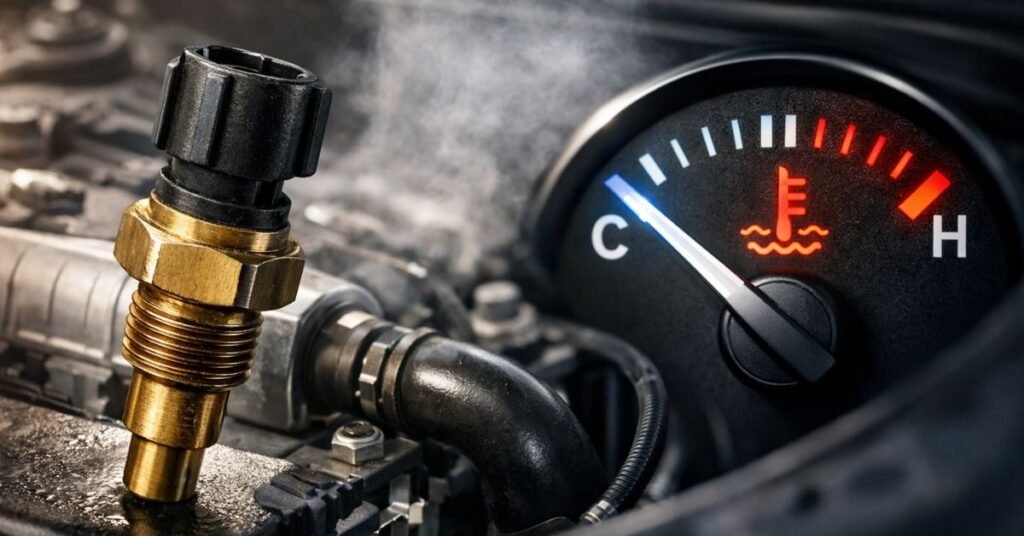
A coolant temperature sensor checks how hot your engine coolant is. It sends this information to the car’s computer. The computer uses this data to control fuel mixture, engine timing, and the cooling fan. This helps the engine run smoothly and avoid overheating.
The sensor also helps show the correct temperature on your dashboard gauge. If the engine gets too hot, it can trigger a warning light. This gives you time to stop the car and prevent engine damage.
Common Coolant Sensor Bad Symptoms
When a coolant sensor goes bad, your car may start acting strangely. The engine computer receives wrong temperature data. This can affect fuel use, engine performance, and cooling. Small problems can lead to bigger ones if they are ignored..
Common coolant sensor bad symptoms include:
- Check engine light turning on without a clear reason
- Temperature gauge showing very high or very low readings
- Engine overheating or running hotter than normal
- Poor fuel economy due to incorrect fuel mixture
- Hard starting or rough idling, especially when the engine is cold
Symptoms such as these should not be ignored.. Fixing the sensor early can help protect your engine and avoid costly repairs.
Engine Overheating or Running Too Cold
A bad coolant sensor can cause the engine to overheat. The sensor may send wrong temperature signals to the car’s computer. This can stop the cooling fan from turning on at the right time. As a result, the engine temperature rises too high.
In some cases, the engine may run too cold instead. The computer may think the engine is still cold and add extra fuel. This reduces engine efficiency and increases fuel use. Both problems can harm your engine if they are not fixed quickly.
Check Engine Light Turns On
A failing coolant sensor often triggers the check engine light. The car’s computer detects wrong temperature readings and alerts you immediately.
Common reasons the light comes on due to a bad coolant sensor:
- Incorrect temperature readings confusing the engine computer
- Fuel mixture problems causing poor engine performance
- Overheating risk warning to prevent engine damage
Poor Fuel Economy
A faulty coolant sensor can affect your car’s fuel efficiency. The engine computer may think the engine is colder than it really is. This causes it to add more fuel than needed, wasting gas.
- Extra fuel consumption because the engine runs richer than necessary
Erratic or Incorrect Temperature Gauge Readings
A bad coolant sensor can make the temperature gauge act strangely. It may jump up and down or show the wrong engine temperature. This makes it hard to know if your engine is really hot or cold.
| Symptom | What It Means | Possible Risk |
| Gauge stays low | Sensor reads too cold | Engine may overheat unnoticed |
| Gauge stays high | Sensor reads too hot | Engine may run inefficiently |
| Gauge jumps randomly | Sensor gives inconsistent data | Confuses driver, may hide real problems |
| Gauge fluctuates during idle | Sensor signal is unstable | Can cause rough idling and poor fuel economy |
Rough Idling, Misfires, or Hard Starting
A bad coolant sensor can make the engine run unevenly. It may cause misfires or make starting the car harder, especially when the engine is cold.
- Rough idling because the engine gets wrong fuel information
- Engine misfires due to incorrect temperature readings
- Hard starting in cold weather when the sensor signals wrong data
Cooling Fan Not Working Properly
A failing coolant sensor can stop the cooling fan from working correctly.The engine can overheat quickly as a result.
Sometimes the fan may run too often or at the wrong speed. Both situations put extra strain on the engine and reduce fuel efficiency. Checking the sensor early can prevent serious engine damage.
Black Smoke from the Exhaust
A bad coolant sensor can affect the fuel mixture in your engine. If the sensor sends wrong temperature data, the engine may burn too much fuel.The exhaust can emit black smoke as a result.
An engine running rich produces black smoke.. It wastes fuel and can damage engine parts over time. Fixing the coolant sensor early helps keep your engine clean and efficient.
What Causes a Coolant Temperature Sensor to Go Bad?
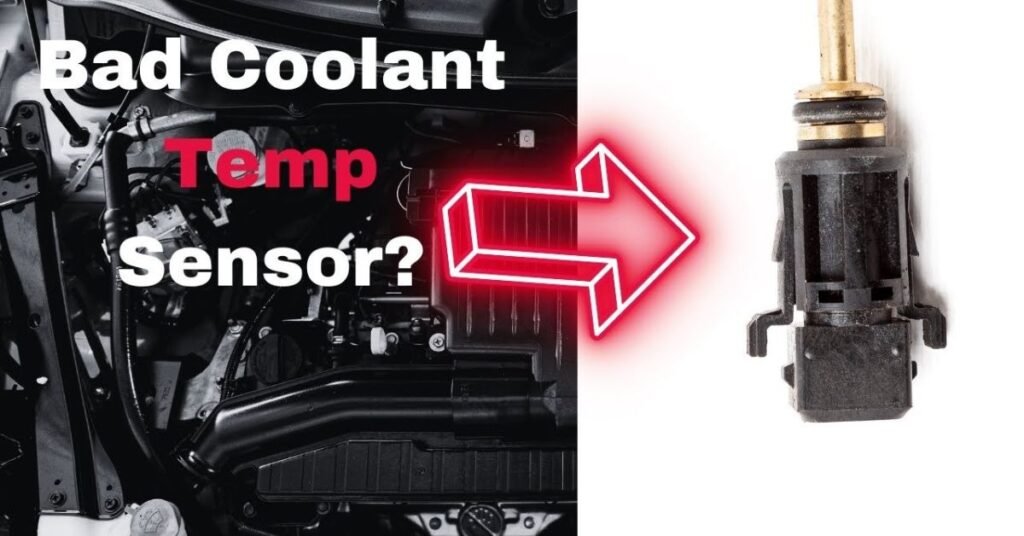
A coolant temperature sensor can fail for several reasons. Over time, heat and engine vibrations can damage it. Dirt, oil, or corrosion may also affect its performance.
Common causes include:
- Old age or wear from long-term use
- Exposure to extreme heat from the engine
- Corrosion or dirt buildup on the sensor
- Electrical problems like damaged wires or connectors
- Coolant leaks that damage the sensor’s wiring
These factors can make the sensor give wrong readings, leading to engine problems if not fixed.
Where Is the Coolant Temperature Sensor Located?
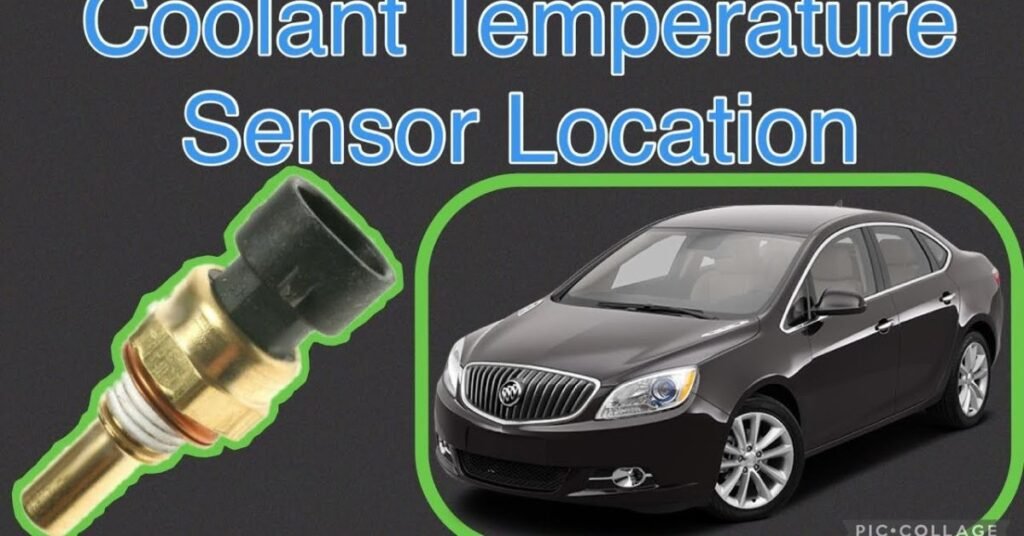
The coolant temperature sensor is usually small and easy to miss. It is attached to the engine where it can measure coolant temperature accurately.
Common locations include:
- Near the thermostat housing on the engine block
- On the cylinder head in some car models
- Close to the radiator inlet in certain vehicles
- Attached to the coolant passage for precise readings
Knowing its location helps you check or replace the sensor if it starts causing problems.
How to Diagnose a Bad Coolant Temperature Sensor

A bad coolant sensor can be tricky to spot, but there are ways to check it. You don’t always need a mechanic to find the problem.
Steps to diagnose a bad sensor:
- Check the temperature gauge for erratic or incorrect readings
- Scan for error codes using an OBD-II scanner
- Check the sensor and wiring for damage or corrosion
- Test resistance with a multimeter to see if it matches the specifications
- Observe engine performance for rough idling, misfires, or hard starting
Following these steps helps identify a faulty sensor before it causes bigger engine problems.
When a coolant temperature sensor fails, can you drive?
Driving with a bad coolant temperature sensor is risky. You may think the engine is safe, but wrong readings can cause serious problems.
| Situation | What Can Happen | Risk Level | Recommendation |
| Engine overheats | Sensor fails to trigger cooling fan | High | Stop driving immediately |
| Fuel mixture wrong | Engine runs rich or lean | Medium | Fix sensor soon |
| Check engine light on | Computer detects wrong temperature | Medium | Get a diagnostic check |
| Rough idling or misfires | Engine performance drops | Medium | Avoid long trips until fixed |
| Sensor gives false cold readings | Hard starting in cold weather | Low | Drive only short distances |
It is best to repair or replace the sensor quickly. Driving without fixing it can lead to engine damage and expensive repairs.
How to Fix or Replace a Faulty Coolant Temperature Sensor
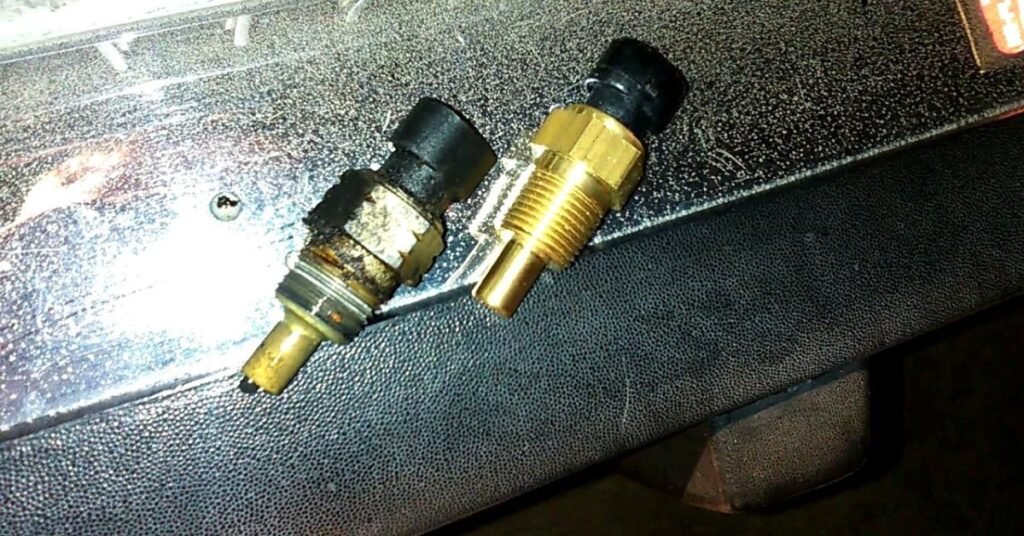
Fixing a bad coolant sensor is usually simple and does not take long. You can often replace it yourself with basic tools.
First, locate the sensor on your engine. Disconnect the wiring and remove the old sensor carefully. Then, install the new sensor and reconnect the wires. Finally, check coolant levels and start the engine to make sure the temperature readings are correct.
DIY Replacement vs Mechanic Repair
| Factor | DIY Replacement | Mechanic Repair |
| Cost | Low, just the sensor and basic tools | Higher, includes labor charges |
| Time | 30–60 minutes on average | 1–2 hours depending on shop |
| Skill Level | Basic mechanical knowledge required | No skill needed, handled by professional |
| Tools Needed | Wrench, socket set, multimeter (optional) | Provided by the mechanic |
| Warranty | Usually only on the part | Often includes labor and part warranty |
| Risk | Possible improper installation or damage | Low risk, professional service |
| Convenience | Can do at home, flexible timing | Need to schedule and visit shop |
This table helps decide whether to fix it yourself or hire a mechanic.
Average Coolant Sensor Replacement Cost
| Vehicle / Job Type | Parts Cost (USD) | Labor Cost (USD) | Total Replacement Cost (USD) | Notes |
| Typical Coolant Temp Sensor | $30 – $100 | $20 – $150 | $50 – $250 | Common average range for most cars (Mechanic Base) |
| Ford F‑350 | $52 – $71 | $61 – $90 | $113 – $160 | Example specific model (RepairPal.com) |
| 2015 Dodge Charger | $35 – $65 | $60 – $80 | $95 – $140 | Based on model cost estimate (mycarspecs.com) |
| Geo Tracker | $182 – $232 | $50 – $73 | $232 – $304 | Higher parts cost example (RepairPal.com) |
| High‑End Estimate | $300 – $325 | $100 – $175 | $400 – $500 | Reported higher cost scenarios (autonationmobileservice.com) |
These figures show typical coolant temperature sensor replacement costs in the USA. Actual cost may vary based on vehicle model, parts quality, and labor rates.
Conclusion
Recognizing coolant sensor bad symptoms early can save your engine from serious damage. Ignoring warning signs like overheating, poor fuel economy, or a check engine light can lead to costly repairs.
Regular checks and timely replacement of a faulty sensor keep your engine running smoothly. If you notice any symptoms, get the sensor inspected or replaced quickly to avoid bigger problems.
FAQs:
Q1: What are the first signs of a bad coolant sensor?
A: Erratic temperature gauge readings, check engine light, and poor fuel economy are common early signs.
Q2: Can a bad coolant sensor cause engine overheating?
A: Yes, wrong temperature readings can prevent the cooling fan from working properly, leading to overheating.
Q3: Is it safe to drive with a faulty coolant sensor?
A: It’s risky; driving with a bad sensor can damage the engine and waste fuel.
Q4: How much does it cost to replace a coolant sensor?
A: In the USA, replacement usually costs between $50 and $250 depending on the vehicle and labor.
Q5: Can I replace a coolant sensor myself?
A: Yes, with basic tools and mechanical knowledge, DIY replacement is possible, but a mechanic ensures proper installation.
