

Introduction:
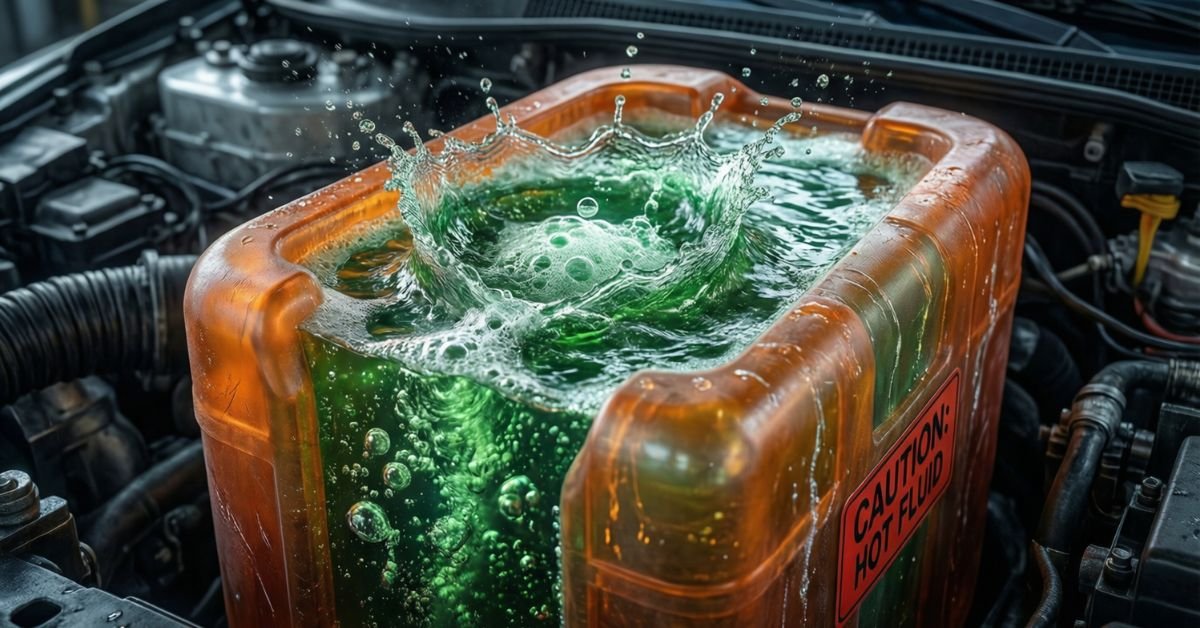
The coolant overflow tank is a small container connected to your car’s radiator.The engine stores extra coolant when it gets hot.. Bubbling in this tank happens when air or gas moves through the coolant. This is not normal and can indicate a problem in your cooling system.
Seeing bubbles in the overflow tank can be alarming. Many drivers first notice it after long drives or when the engine is very hot. Ignoring it can lead to engine overheating or costly repairs. Understanding why it happens can help you prevent serious issues.
Coolant overflow tank bubbling can occur for several reasons. Common causes include trapped air, a faulty radiator cap, overheating, or even a blown head gasket. Knowing these causes helps you identify the problem and take action before it worsens.
What Does Coolant Overflow Tank Bubbling Actually Mean?
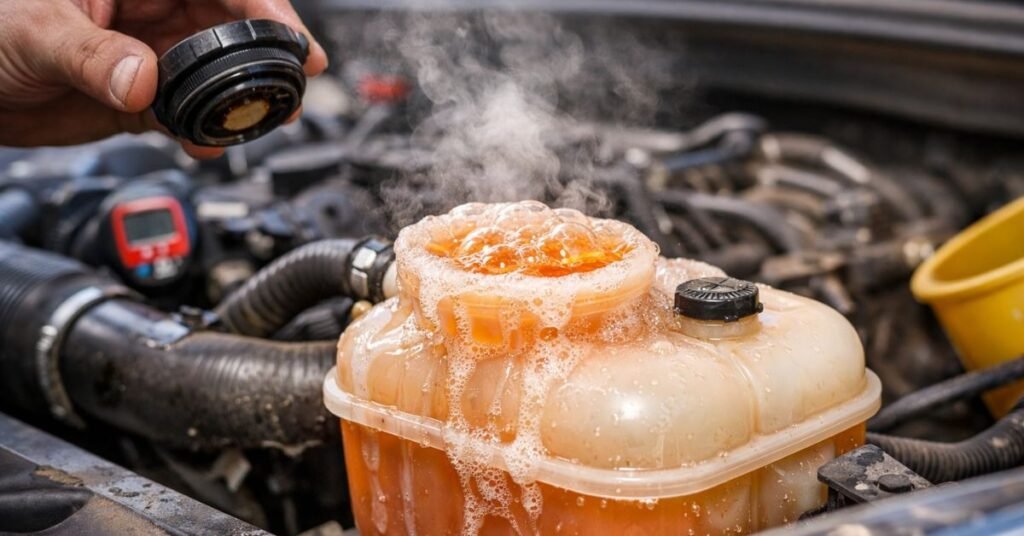
Coolant overflow tank bubbling means there is air or gas in your cooling system. This can happen when the engine gets too hot or when pressure builds up. Sometimes, exhaust gases can leak into the coolant. Bubbling is usually a sign that something is wrong with the engine or cooling system.
A few bubbles for a short time can be normal, especially after a long drive. But constant bubbling is a warning. It can be caused by trapped air, a weak radiator cap, low coolant, or a blown head gasket. If ignored, it can lead to engine overheating and serious damage. Detecting the cause early can save money and prevent bigger problems.
Top Causes of Coolant Overflow Tank Bubbling
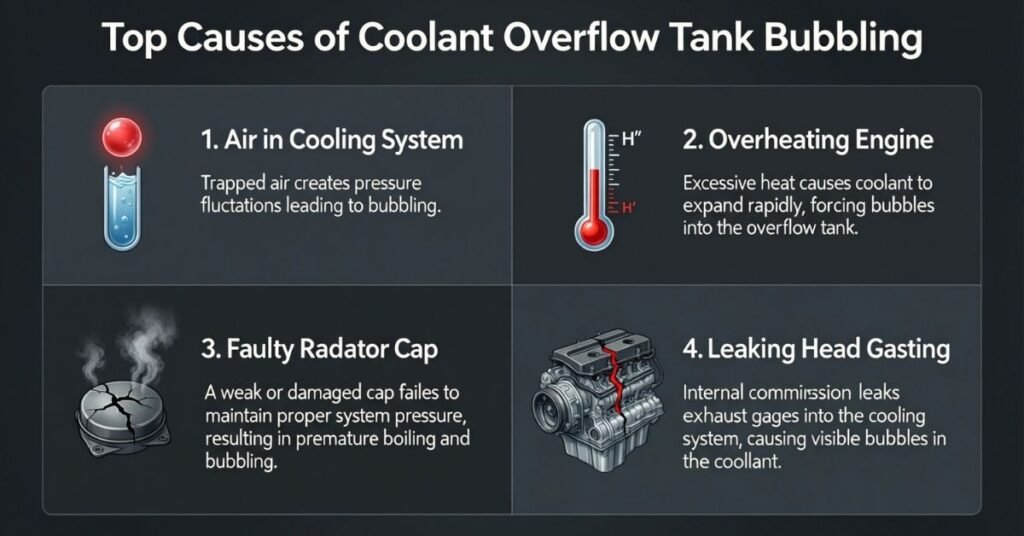
Bubbling in the coolant overflow tank usually means there is air or gas in the cooling system. This can happen when the engine gets too hot or when pressure builds up. Not all bubbling is serious, but constant or large bubbles are a warning sign. Knowing the causes can help you fix the problem before it leads to engine damage.
Some common causes of coolant overflow tank bubbling include:
- Trapped air after refilling or flushing the coolant
- Faulty radiator cap that can’t maintain pressure
- Low coolant level causing the coolant to boil
- Engine overheating due to heavy load or poor cooling
- The cooling system can be damaged by a blown head gasket
Checking your coolant level and inspecting the cooling system regularly can prevent bubbling and keep your engine safe.
Bubbling After Coolant Refill Normal or Not?
Sometimes you may notice bubbles in the coolant overflow tank right after a refill. This can happen because air gets trapped in the cooling system during the refill. A few small bubbles for a short time are usually normal and should disappear after the engine runs for a while.
However, constant or large bubbling is not normal. A problem can be indicated by it.. Common reasons include:
- Trapped air that hasn’t escaped yet
- Faulty radiator cap failing to maintain pressure
- Coolant boiling due to low level or overheating
- Leaking head gasket letting gases enter the coolant
If bubbling continues after running the engine, it’s best to inspect the cooling system to prevent damage.
Low Coolant Level and Cooling System Air Suction
Low coolant level can cause air to enter the cooling system. When this happens, the engine may overheat and the overflow tank can start bubbling. Air pockets prevent proper coolant circulation and reduce cooling efficiency. This is a common reason for bubbling in the tank.
Cooling system air suction can also happen if there is a leak or a weak radiator cap. Trapped air moves through the overflow tank as bubbles. Fixing low coolant and removing air from the system is important to prevent engine damage.
Here’s a simple table to explain the problem and solutions:
| Problem | Possible Cause | Signs | Solution |
| Low Coolant Level | Leak in radiator, hoses, or water pump | Bubbling in overflow tank, overheating | Refill coolant, fix leaks |
| Air in Cooling System | Poor refill, radiator cap issue | Bubbling, fluctuating temperature | Bleed the system, replace cap |
| Engine Overheating | Low coolant or trapped air | Hot engine, steam from radiator | Check coolant level, remove air |
| Weak Radiator Cap | Fails to hold pressure | Bubbling, coolant loss | Replace radiator cap |
| Coolant Boiling | Low level or overheating | Steam, bubbles, hot engine | Refill coolant, check cooling system |
This table helps you quickly identify the cause and solution for bubbling due to low coolant and air suction.
Blocked Radiator or Restricted Coolant Flow
A blocked radiator or restricted coolant flow can cause bubbling in the overflow tank. When coolant cannot circulate properly, heat builds up in the engine. This can make the coolant boil and push air or gas into the overflow tank. Over time, this can lead to engine overheating and serious damage.
Restricted flow can happen due to debris, rust, or sludge inside the radiator or hoses. A clogged radiator reduces cooling efficiency and increases pressure in the system. Checking and cleaning the radiator regularly can prevent these issues.
Here’s a simple table explaining the problem and solutions:
| Problem | Possible Cause | Signs | Solution |
| Blocked Radiator | Debris, rust, sludge | Bubbling in overflow tank, overheating | Flush radiator, clean debris |
| Restricted Coolant Flow | Kinks in hoses, collapsed hoses | Engine overheating, poor heater performance | Inspect hoses, replace if damaged |
| Coolant Boiling | Poor circulation | Steam, bubbles, hot engine | Check radiator and coolant flow |
| High System Pressure | Blockage in radiator or heater core | Overflow tank bubbling | Remove blockage, inspect system |
| Engine Overheating | Blocked radiator or low coolant | Hot engine, warning lights | Flush system, refill coolant |
This table helps identify the main causes of bubbling due to blocked radiator or restricted flow and the steps to fix it.
Faulty Radiator Cap: Why It Causes Bubbling
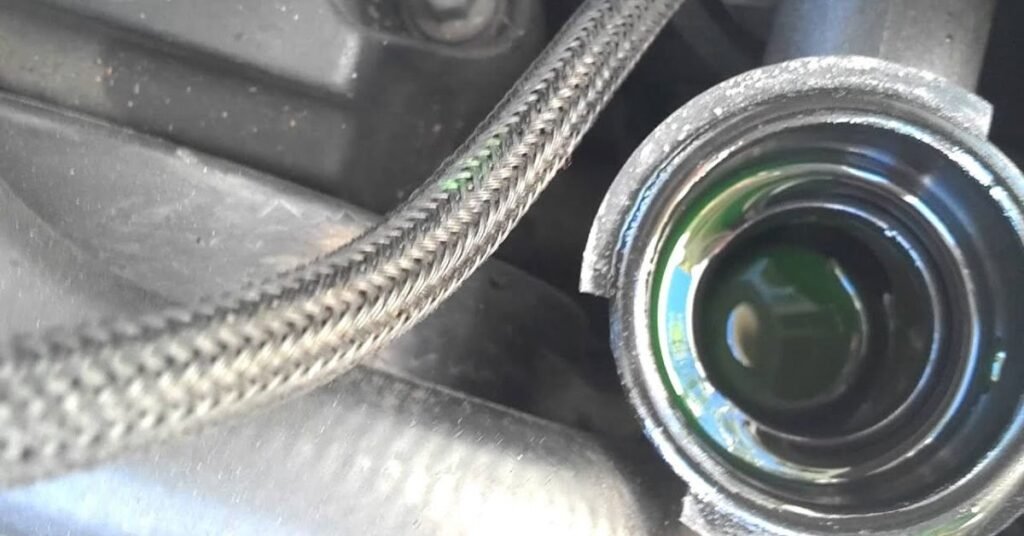
The radiator cap plays an important role in keeping the cooling system under pressure. A faulty or weak cap cannot hold pressure properly. This allows air or gas to escape into the coolant overflow tank, causing bubbling. Even a small problem with the cap can affect the whole cooling system.
A bad radiator cap can cause several issues in your engine. Some common signs include:
- Bubbling in the overflow tank
- Coolant loss without visible leaks
- Engine overheating
- Fluctuating temperature gauge readings
Replacing a faulty radiator cap is simple and can prevent bigger problems like overheating or engine damage. Always check the cap when you notice bubbling in the coolant overflow tank.
Air Pockets and Cooling System Bleeding Explained
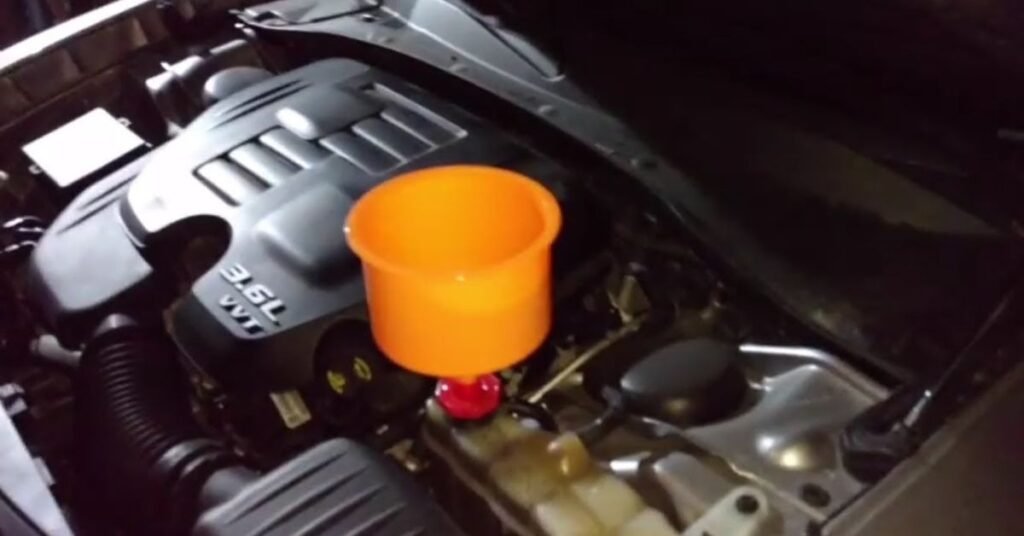
In order to restore normal cooling, the system needs to be bled to remove air from it.
Keeping your engine safe requires proper cooling system bleeding.
- Bubbles can form in the overflow tank due to air pockets
- Poor coolant circulation leads to engine overheating
- Bleeding the system removes trapped air
- Regular checks help prevent future air pockets
Bleeding the cooling system is a simple process.Correctly doing this ensures smooth coolant flow and prevents engine damage..
Serious Engine Issues: Head Gasket, Cracks & Combustion Gases
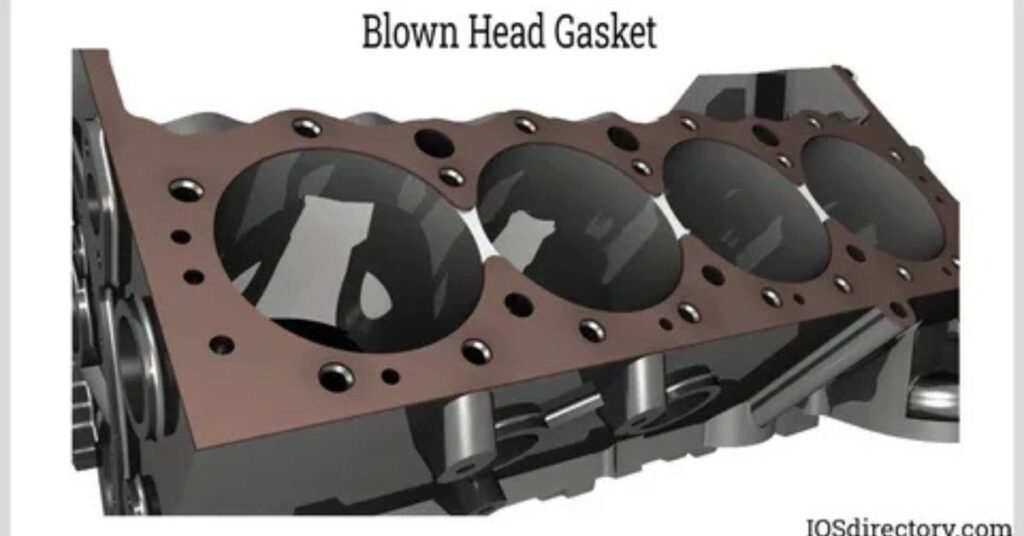
Bubbling in the coolant overflow tank can sometimes signal serious engine problems. A blown head gasket or cracks in the engine block or cylinder head can let combustion gases enter the coolant. This creates bubbles and increases pressure in the cooling system.Ignoring these issues can result in engine damage.
Some warning signs of serious engine problems include:
- Continuous bubbling in the coolant overflow tank
- White smoke from the exhaust
- Coolant loss without leaks
- Overheating engine
- Milky or frothy coolant
If you notice these signs, it’s important to inspect the engine immediately. Early detection can prevent costly repairs and keep your car running safely.
How a Blown Head Gasket Forces Air Into the Coolant
A blown head gasket allows air and exhaust gases to leak into the cooling system. This happens because the gasket no longer seals the engine properly. When the engine runs, combustion pressure pushes gas into the coolant passages. This causes bubbling in the coolant overflow tank and raises system pressure.
This problem often comes with other clear warning signs, such as:
- Constant bubbling in the coolant overflow tank
- Engine overheating even with enough coolant
- Coolant being pushed out of the overflow tank
- White smoke from the exhaust
- Coolant level dropping without visible leaks
A blown head gasket is a serious issue. Fixing it early can prevent major engine damage and costly repairs.
Cracked Cylinder Head or Engine Block Signs
A cracked cylinder head or engine block is a serious engine problem. Cracks allow combustion gases to enter the cooling system. This causes constant bubbling in the coolant overflow tank. The engine may also overheat and lose coolant without visible leaks.
These cracks usually form due to extreme heat or freezing temperatures. Once a crack develops, engine performance can drop quickly. Early warning signs should never be ignored, as repairs can be very costly.
Here is a helpful table explaining the signs and what they mean:
| Sign | What It Means | Common Symptom | Risk Level |
| Constant Coolant Bubbling | Exhaust gases entering coolant | Bubbling in overflow tank | Very High |
| Coolant Loss | Coolant leaking internally | Low coolant without leaks | High |
| Engine Overheating | Cooling system failure | Temperature warning light | High |
| White Exhaust Smoke | Coolant burning in engine | Steam from exhaust | Very High |
| Poor Engine Performance | Loss of compression | Rough idle, misfires | Medium |
| Milky Oil | Coolant mixing with oil | Creamy oil texture | Very High |
This table helps identify cracked engine components before major damage occurs.
Other Mechanical Causes: Thermostat, Water Pump & Hoses
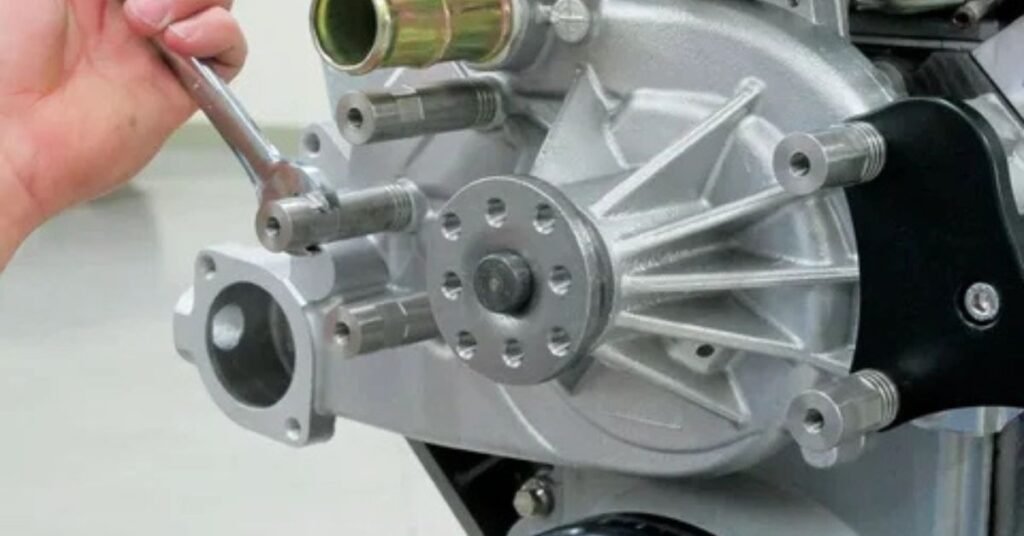
Other mechanical parts can also cause bubbling in the coolant overflow tank. A stuck thermostat can block coolant flow and cause overheating. Coolant may not be circulated properly if a water pump fails.. Damaged hoses can let air into the system or restrict coolant flow.
These parts often show clear warning signs when they start to fail:
- Stuck thermostat causing high engine temperature
- Weak or leaking water pump reducing coolant circulation
- Collapsed or cracked hoses letting air enter the system
- Coolant leaks around hoses or pump area
Checking these components early can prevent bubbling and overheating. Regular maintenance keeps the cooling system working smoothly and protects the engine.
How to Diagnose Coolant Bubbling Yourself
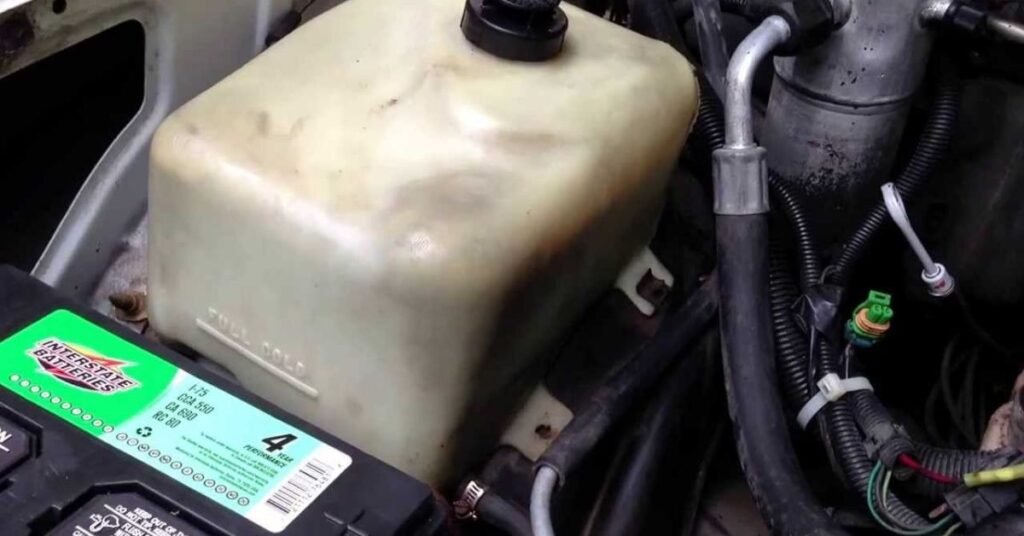
- Check the coolant level when the engine is cold
- Look for constant bubbles in the overflow tank
- Inspect the radiator cap for cracks or weak spring
- Watch the engine temperature gauge while driving
- Check for coolant leaks under the car
- Start the engine and see if bubbling increases with RPM
- Look for white smoke from the exhaust
- Check the oil for a milky or creamy texture
- Feel radiator hoses for collapse or blockage
- Listen for water pump noise or leaks
These checks can help you spot the problem early without tools.
Checking Coolant Levels Safely
Checking coolant levels is simple but must be done safely. Always wait until the engine is completely cool. Opening the radiator or overflow tank on a hot engine can cause burns. Use proper safety steps to avoid injury.
Follow these safety tips when checking coolant levels:
- Turn off the engine and let it cool fully
- Wear gloves to protect your hands
- Check the overflow tank instead of opening the radiator
- Look at the MIN and MAX marks on the tank
- Add the correct coolant type if the level is low
Checking coolant the right way helps prevent accidents and keeps your cooling system healthy.
Listening for Bubbling Sounds While Parked
- Park the car on a flat surface
- Turn off the engine and wait a few minutes
- Listen near the engine bay
- Pay attention to gurgling or bubbling sounds
- Notice if sounds happen after shutting off the engine
- Check if bubbling increases when the engine is hot
- Listen near the coolant overflow tank
- Compare sounds during idle and after driving
- Watch for coolant movement in the tank
- Repeated bubbling may signal a cooling system problem
Using Pressure or Combustion Gas Tests
- Use a cooling system pressure tester to check for leaks
- Pump the system to the recommended pressure level
- Watch if the pressure drops quickly
- Look for external coolant leaks
- Pressure loss may indicate internal engine problems
- Use a combustion gas test kit on the radiator or overflow tank
- Check for color change in the test fluid
- A color change means exhaust gases in coolant
- This often points to a blown head gasket or cracks
- These tests help confirm serious engine issues early
Preventive Maintenance and When to Seek Professional Help
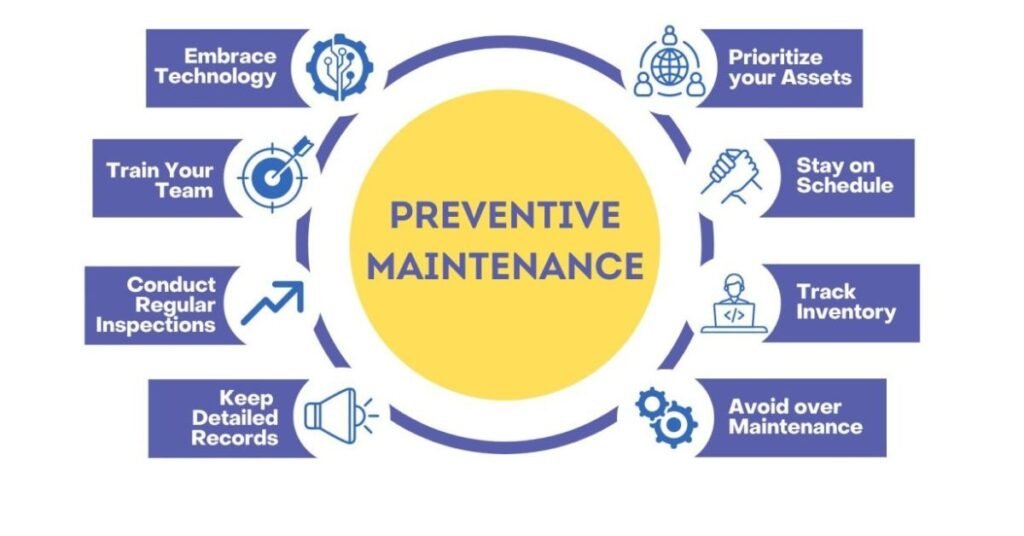
Regular maintenance can prevent coolant overflow tank bubbling and engine damage. Simple checks help catch small problems early. Keeping the cooling system clean and full improves engine life. Preventive care is always cheaper than major repairs.
You should maintain the system and seek help in these cases:
- Check coolant level regularly
- Replace coolant at recommended intervals
- Inspect radiator cap, hoses, and thermostat
- Flush the cooling system when needed
- Visit a mechanic if bubbling is constant
- Get professional help if overheating continues
Knowing when to stop DIY checks and call a professional can save your engine from serious damage.
Preventive Maintenance and When to Seek Professional Help
| Task | Purpose | Frequency | When to Seek Help |
| Check Coolant Level | Ensure proper coolant amount | Weekly or monthly | If level drops quickly |
| Replace Coolant | Keep cooling system clean | Every 2-3 years | If bubbling persists after refill |
| Inspect Radiator Cap | Maintain proper pressure | Every 6 months | If cap is weak or damaged |
| Check Hoses & Thermostat | Prevent leaks and blockages | Every 6 months | If hoses are cracked or thermostat stuck |
| Flush Cooling System | Remove debris and sludge | Every 2-3 years | If overheating or bubbling continues |
Conclusion
Coolant overflow tank bubbling is a warning sign. It can be caused by simple issues like low coolant or trapped air. But it can also signal serious problems like a blown head gasket or engine cracks. Paying attention early can save your engine and money.
Regular maintenance and checks are very important. Watch coolant levels, inspect the radiator cap and hoses, and listen for unusual sounds. If bubbling continues, seek professional help. Taking action early keeps your car safe and running smoothly.
FAQs
1. Why is my coolant overflow tank bubbling?
Bubbling usually means air or gas is entering the cooling system. It can be caused by low coolant, trapped air, or serious engine issues.
2. Is it normal to see bubbles after refilling coolant?
A few small bubbles right after a refill can be normal. They usually disappear once the air is fully released from the system.
3. Can a faulty radiator cap cause bubbling?
Yes, a weak or damaged radiator cap cannot hold pressure. This allows air or gas to escape into the overflow tank.
4. Could a blown head gasket cause bubbling?
Yes, a blown head gasket lets combustion gases enter the coolant. This creates continuous bubbling and may lead to overheating.
5. When should I see a professional mechanic?
If bubbling continues after checking coolant and the radiator cap, or if the engine overheats. Early professional help prevents serious engine damage.
