

Introduction:
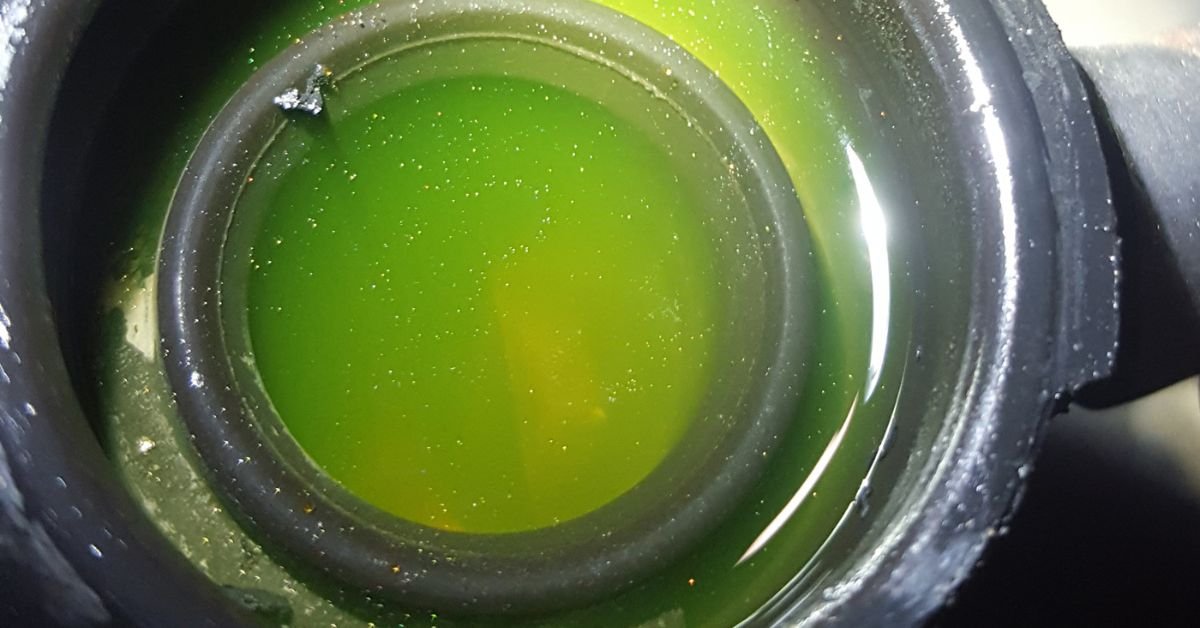
Coolant in oil color happens when engine coolant mixes with the engine oil. Normally, oil is brown or golden, and coolant is bright green, red, or blue. When they mix, the oil turns milky or creamy. This is a clear sign of a problem in your car engine.
Seeing milky oil can be scary. This means that your engine is not functioning properly.. If ignored, it can cause serious damage. Many drivers do not notice it until it’s too late. Knowing the signs early can save you money and trouble.
This issue usually comes from a blown head gasket, cracked engine block, or damaged oil cooler. The coolant leaks into the oil system and changes its color. Early detection helps prevent engine failure. In this guide, we will explain causes, symptoms, and what to do next.
What Does Coolant in Oil Look Like?
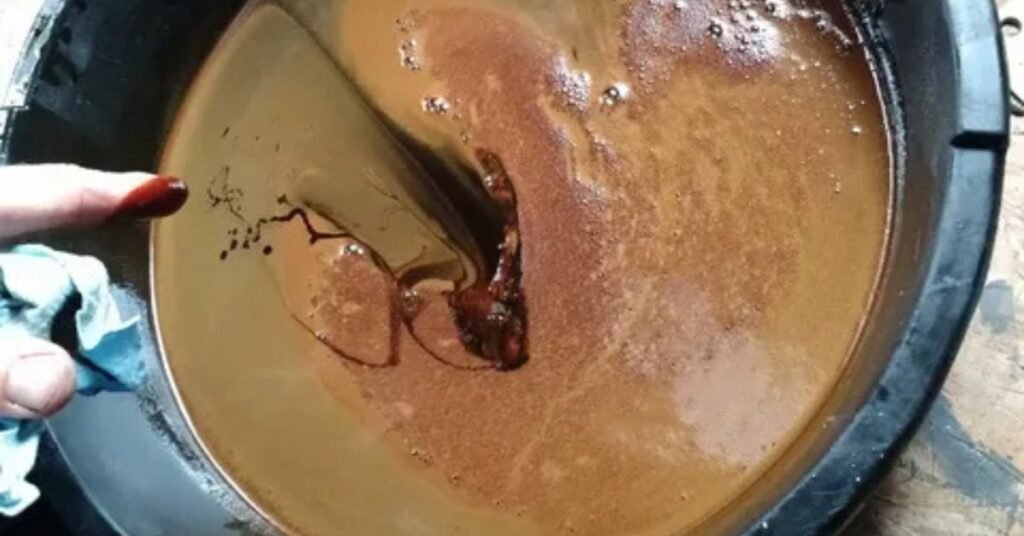
Coolant in oil usually changes the oil’s color. Normal engine oil is golden, amber, or dark brown. When coolant mixes with it, the oil turns milky, creamy, or light beige. Sometimes, it looks like coffee with milk. You may also see a frothy or bubbly layer on top of the oil.
Besides color, the oil can feel different. It may become thicker or sticky. The engine may also make unusual noises or run rough. Even small amounts of coolant in oil are a warning sign. Checking your oil regularly can help catch this problem early.
Normal Oil Color vs Contaminated Oil
- Normal Oil: Golden, amber, or dark brown
- Normal Oil: Smooth texture, flows easily
- Normal Oil: Mild, clean smell
- Normal Oil: Keeps engine parts moving without friction
- Contaminated Oil: Milky, creamy, or frothy appearance
- Contaminated Oil: Sticky or thick texture
- Contaminated Oil: Burnt or unusual smell
- Contaminated Oil: Can cause engine noises or rough running
- Contaminated Oil: Indicates coolant, water, or other fluids mixed in
- Contaminated Oil: Needs immediate attention to avoid engine damage
Milky, Creamy or “Chocolate Milkshake” Appearance
When coolant mixes with engine oil, it changes the color. The oil may turn milky, creamy, or look like a chocolate milkshake. One of the most obvious signs of a problem is this.. You might see it on the dipstick or inside the oil cap.
This appearance is not normal and signals trouble. Even a small amount can affect engine performance. The engine may run rough, overheat, or make unusual noises. Checking your oil regularly can help spot this problem early and prevent costly repairs.
Color Variations Based on Coolant Type
The color of contaminated oil can change depending on the coolant used. Different coolants have different colors like green, red, or blue. When they mix with engine oil, they create unique shades. Recognizing these colors can help identify the coolant type and the source of the problem.
| Coolant Type | Original Color | Appearance in Oil | Common Signs | Notes |
| Inorganic Green | Green | Light green milky | Slight froth on dipstick | Usually older cars use this type |
| Organic Red/Orange | Red/Orange | Pinkish or peach creamy | Sticky oil, overheating | Often found in newer vehicles |
| Hybrid Blue/Green | Blue or Teal | Light blue milky | Frothy layer inside oil cap | Common in European cars |
| Long-Life Yellow | Yellow | Beige to light yellow creamy | Thick oil, rough engine running | May appear in heavy-duty engines |
| Universal Mix | Various | Mix of milky colors (light brown) | Unusual smell, engine noise | Happens if multiple coolants are mixed |
Common Symptoms of Coolant in Engine Oil
One of the first signs is milky or creamy oil. The oil may look like a chocolate milkshake. You might notice froth inside the oil cap or on the dipstick. The engine can run rough or make unusual noises. Overheating is also common when coolant mixes with oil.
Other symptoms include sticky or thick oil that doesn’t flow smoothly. The engine may lose power or hesitate while driving. You could also smell a sweet or unusual odor from the engine. Catching these symptoms early can prevent serious engine damage and costly repairs.
Milky or Frothy Oil on Dipstick
- The oil looks creamy, milky, or like a chocolate milkshake
- Froth may appear on top or around the dipstick
- Indicates coolant mixing with engine oil
- Engine may start running rough if ignored
Sweet Smell from Dipstick or Exhaust
- A distinct sweet smell comes from the engine or exhaust
- Usually caused by coolant leaking into the oil or combustion chamber
- Can be noticed during idling or after driving
- Early detection can prevent serious damage
White Smoke from Exhaust
- Thick white smoke comes out of the tailpipe
- Often increases when engine is hot or under load
- Indicates coolant is burning inside the engine
- Can lead to engine overheating and reduced performance
Rising Oil Level on Dipstick
- Oil level rises unexpectedly without adding oil
- Often happens when coolant leaks into the oil system
- Can make oil appear foamy or discolored
- Ignoring this can damage pistons, gaskets, and bearings
Causes of Coolant Mixing With Oil
One common cause is a blown head gasket.It is also possible for coolant and oil to mix when an oil cooler is damaged. These problems let fluids cross paths that should stay separate.
Other causes include worn-out seals or gaskets.The sooner you detect engine damage and repair it, the less likely it will be to cause serious damage and cost you a lot of money.
Common Causes of Coolant Mixing With Oil
| Cause | What Happens | Common Signs | Notes / Tips |
| Blown or Leaking Head Gasket | Coolant leaks into engine oil | Milky oil, froth on dipstick, white smoke from exhaust | Most common cause; needs immediate repair |
| Cracked Cylinder Head or Engine Block | Coolant enters oil passages | Engine overheating, rough running, rising oil level | Usually from overheating or metal fatigue |
| Faulty Oil Cooler or Heat Exchanger | Coolant and oil mix inside cooler | Sweet smell from dipstick/exhaust, creamy oil | More common in turbo or high-performance engines |
| Improper Repairs or Failed Seals | Poorly installed gaskets or worn seals | Milky oil, oil leaks, engine performance issues | Always use quality parts and professional service |
Engine Damage and Risks of Coolant in Oil
A complete engine failure can result from ignoring this issue.Sludge buildup and corrosion inside the engine are other risks. Seals and gaskets can weaken over time. Performance drops, fuel efficiency decreases, and unusual noises may appear.To avoid costly engine repairs, early detection and repair are essential.
Loss of Lubrication and Increased Wear
- Oil loses its smooth flow and lubrication ability
- Pistons, bearings, and cylinder walls wear faster
- Engine parts can get scratched or damaged
- Sludge buildup accelerates wear inside the engine
Overheating & Engine Performance Issues
- Engine gets hotter than normal and may overheat
- Loss of power and rough running during drives
- Unusual noises like knocking or tapping appear
- Fuel efficiency drops due to poor engine performance
Costly Engine Repairs or Replacement
- Major engine parts may fail if ignored
- Full engine replacement may become necessary
- Repair costs can be very high, often thousands
- Early detection can save money and prevent total failure
How to Diagnose Coolant Contamination
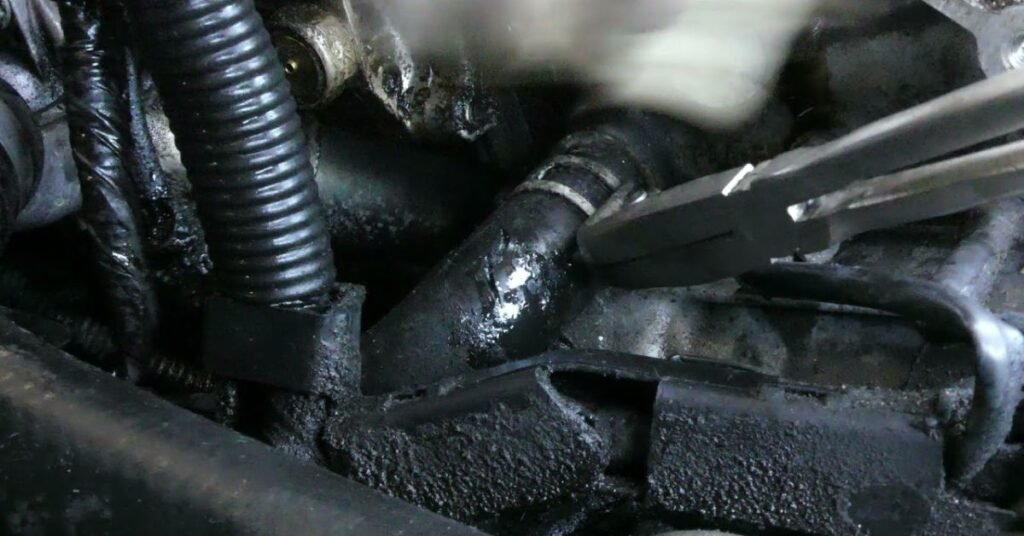
Checking the engine oil is the first step.. Pull out the dipstick and look for milky, creamy, or frothy oil. Smell the oil for a sweet or unusual odor. Also, inspect the oil cap for froth or residue. Any of these signs may indicate coolant contamination.
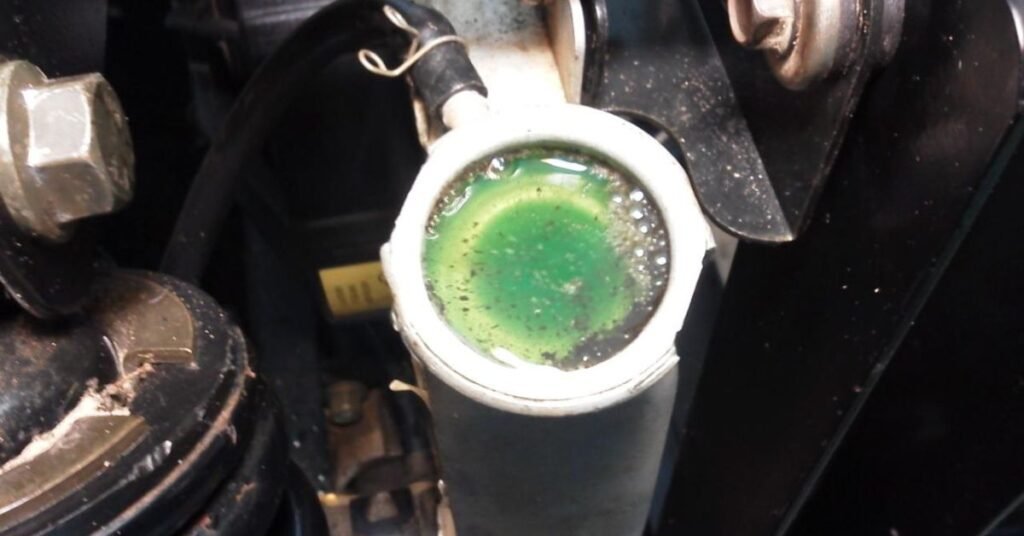
Next, check the coolant level and color. Look for unusual changes or bubbles in the coolant tank. Observe the exhaust for thick white smoke. If the oil level rises without adding oil, it’s another warning. Early diagnosis helps prevent serious engine damage and costly repairs.
Got it! Here’s a unique, human-friendly bullet-point version for your three headings. Each heading has its own set of clear bullets, written in simple English and short sentences:
Checking the Oil Dipstick for Color & Texture
- Examine the oil color with a dipstick
- Normal oil is golden or brown; milky or creamy oil is a warning
- Feel the oil; sticky or thick texture indicates contamination
- Froth on the dipstick shows coolant has mixed with oil
- Smell the oil; a sweet odor can confirm coolant presence
Cooling System Level & Leak Inspection
- Check the coolant reservoir for low or uneven levels
- Look for puddles or drips under the car
- Look for cracks or leaks in the radiator, hoses, and water pump
- Bubbles or foam in the coolant tank can indicate engine leaks
- Regular checks help spot problems before they damage the engine
Professional Pressure and Compression Tests
- Pressure tests can detect leaks in the head gasket or cylinder
- Compression tests reveal weak or damaged engine cylinders
- Both tests confirm the source of coolant contamination
- Usually done by a trained mechanic for accurate results
- Early testing saves costly repairs and prevents engine failure
What to Do If Your Oil Has Coolant In It
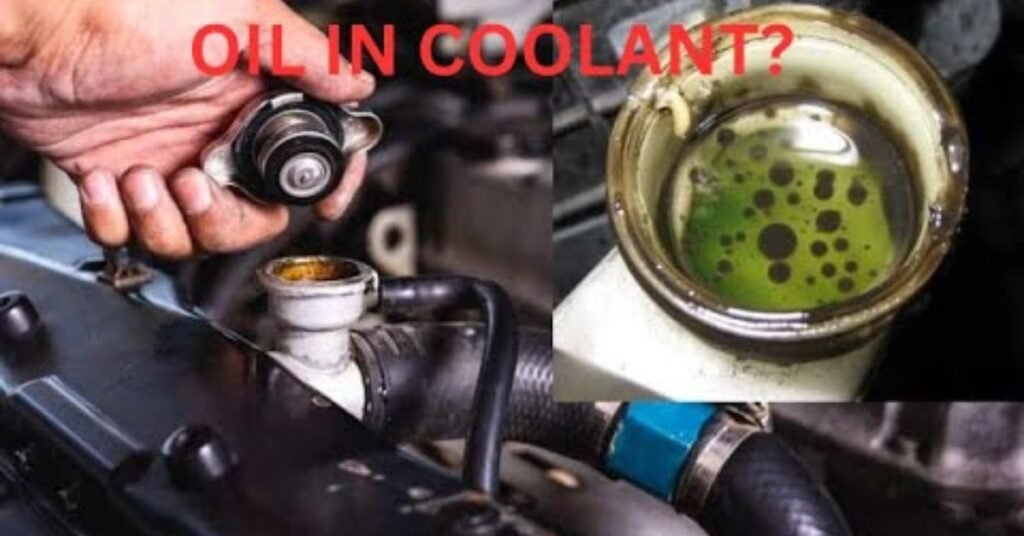
If you notice milky or creamy oil, act quickly. Prevent further damage by stopping the car.. Avoid adding more oil or coolant until the problem is fixed. Check the dipstick, oil cap, and coolant level to confirm contamination.
Next, get your car inspected by a professional mechanic. They can identify the cause, like a blown gasket or cracked engine part. Do not ignore the issue, as it can lead to serious engine failure. Early repair saves money and keeps your engine safe.
Immediate Steps Before Driving
- Do not drive the car if you see milky or creamy oil
- Check the dipstick and oil cap for contamination
- Inspect coolant level and look for leaks
- Avoid topping off oil or coolant until the problem is fixed
- Driving can worsen engine damage if coolant is in the oil
Flushing Oil & Coolant Systems
- Drain all contaminated engine oil completely
- Flush the oil system to remove sludge and residues
- Drain and refill the coolant system with fresh coolant
- Replace oil filter and inspect for signs of contamination
- Proper flushing prevents long-term engine damage
Repairing the Underlying Cause
- Identify the root cause, like a blown head gasket or cracked block
- Replace damaged gaskets, seals, or engine parts as needed
- Have a professional mechanic perform repairs for accuracy
- Check oil and coolant levels after repairs to confirm fix
- Early repair saves money and protects your engine
Preventing Coolant and Oil Mixing
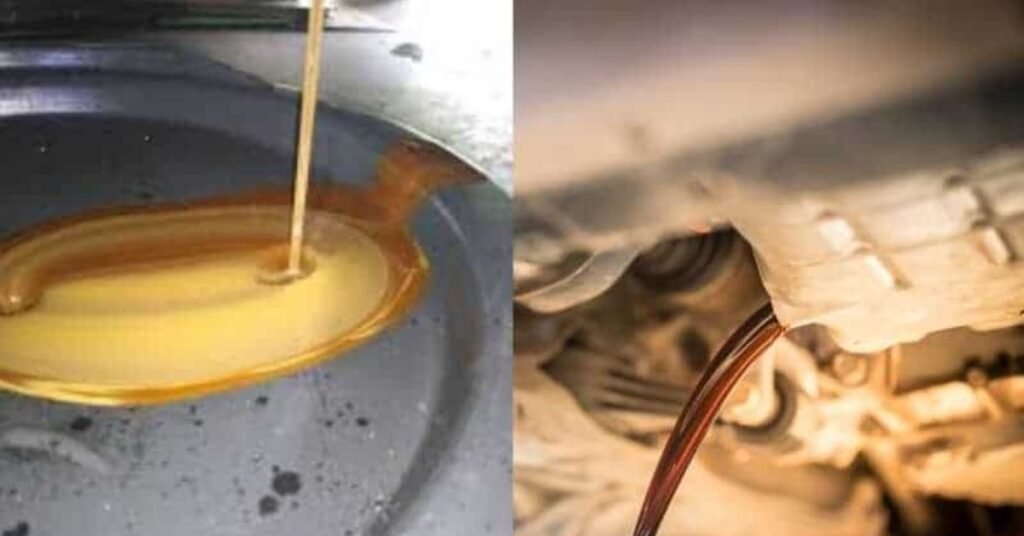
Regular maintenance is the key to preventing coolant from mixing with oil. Check your engine oil and coolant levels often. Replace worn-out gaskets, seals, and hoses before they fail. Avoid overheating the engine and use the right coolant and oil for your car.
Also, have your car inspected by a professional mechanic periodically. Pressure and compression tests can catch hidden leaks early. Flushing the oil and coolant systems on schedule keeps the engine clean. Simple checks and timely repairs can save you from costly engine damage.
Conclusion
Mixing engine oil and coolant is a serious issue.. It can cause milky or frothy oil, white smoke, overheating, and engine wear. Ignoring it can lead to costly repairs or even complete engine failure. Early detection is very important to save your car and money.
Regular checks, proper maintenance, and timely repairs are the best way to prevent this issue. Watch for warning signs like milky oil, sweet smells, rising oil levels, or engine noises. If you spot any, act quickly and consult a professional mechanic. Taking care of your engine now keeps it running smoothly for years.
FAQs
1. What does it mean if my engine oil looks milky?
Milky oil usually means coolant has leaked into your engine oil.
It can happen due to a blown gasket, cracked block, or faulty cooler.
Check your dipstick and act fast to prevent engine damage.
2. Can driving with coolant in oil damage my engine?
Yes, it reduces lubrication and increases wear on engine parts.
Pistons, bearings, and cylinder walls can get seriously damaged.
Stop driving and get the issue fixed immediately.
3. How can I tell if my coolant is mixing with oil?
Look for creamy or frothy oil on the dipstick or oil cap.
White smoke may appear from the exhaust or the engine may smell sweet.
Rising oil levels or rough engine running are also warning signs.
4. What causes coolant to mix with engine oil?
Common causes include a blown head gasket or cracked cylinder head.
Faulty oil coolers, damaged seals, or poor repairs can also lead to it.
Overheating and old worn-out parts increase the risk.
5. How can I prevent coolant from mixing with oil?
Regularly check oil and coolant levels to spot problems early.
Replace worn gaskets, seals, and hoses before they fail.
Schedule professional maintenance and avoid engine overheating.
