


Introduction:
Adding coolant to the car means refilling the engine’s cooling system with the proper coolant fluid. This fluid helps control engine temperature. It prevents overheating in hot weather. It also protects the engine from freezing in cold conditions.
Many drivers ignore coolant until a problem appears. An empty or low coolant level can cause serious engine damage. Overheating can leave you stuck on the road. Knowing when and how to add coolant can save you money and stress.
Adding coolant to the car is a simple task when done correctly. You only need the right coolant type and a few minutes. Following the correct steps keeps your engine healthy. It also helps your car run smoothly for a long time.
What Does Coolant Do in a Car Engine?
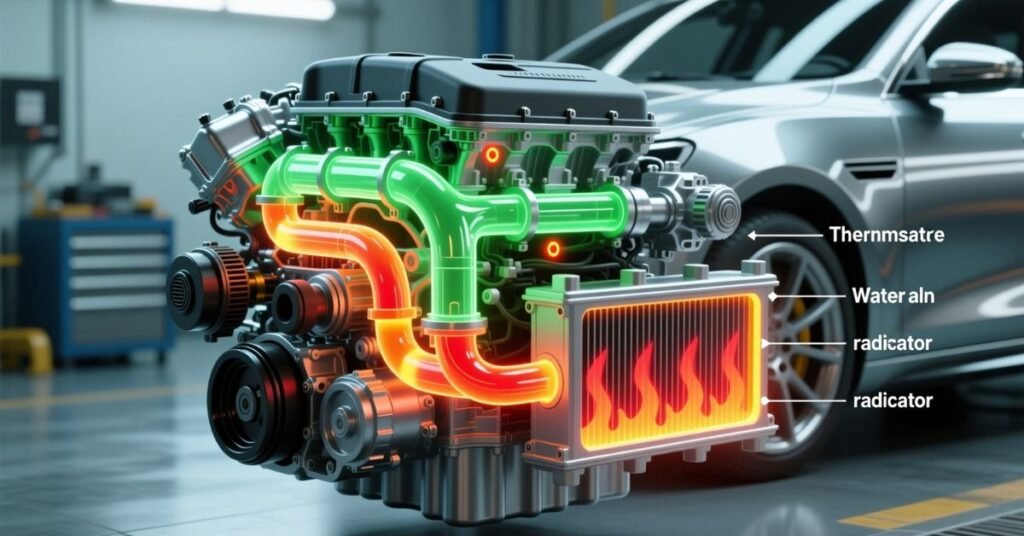
Coolant helps control the engine’s temperature. As it absorbs heat from the engine, it carries it away.. This prevents the engine from overheating.Rust and corrosion are also prevented by coolant.
Difference Between Coolant and Antifreeze
Tools and Safety PrecautionsAntifreeze is a concentrated liquid. Coolant is antifreeze mixed with water. Antifreeze stops freezing and boiling. Coolant is what actually flows through the engine to control temperature.
Why Proper Coolant Level Matters
The right coolant level keeps the engine running safely. Low coolant can cause overheating. It can also damage the radiator and head gasket. Keeping coolant at the proper level helps your engine last longer.
When Should You Be Adding Coolant to Your Car?
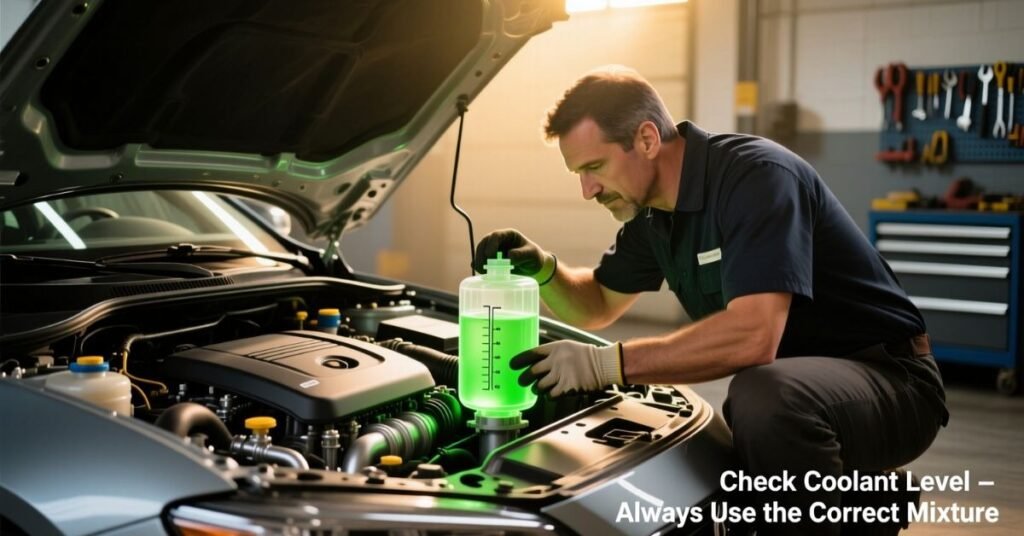
You should be adding coolant to your car when the level is low. This often happens due to small leaks or normal use. Checking the coolant tank can help you catch problems early. Never wait until the engine overheats.
Warning Signs Your Car Needs Coolant
A rising temperature gauge is a clear warning sign.A dashboard warning light may also appear.. Steam from the hood is another sign. It is possible for the heater to blow cold air in some cases.
How Often Should You Check Coolant Levels?
You should check coolant levels at least once a month. It is also smart to check before long trips. Always check when the engine is cool. Regular checks help prevent sudden engine problems.
What You Need Before Adding Coolant to a Car
Before adding coolant, make sure the engine is completely cool. You need the correct type of coolant for your car. Using the wrong coolant can harm the engine. Always read the owner’s manual first.
Choosing the Right Coolant for Your Vehicle
Cars use different coolant types. Some need specific colors or formulas. Mixing the wrong coolant can cause damage. Always choose coolant recommended by the manufacturer.
You may need a funnel and clean gloves. Safety glasses are also helpful.When the engine is hot, never open the radiator cap. Taking simple safety steps protects you and your car.
How to Check Coolant Level in Your Car
Checking the coolant level is quick and easy. The engine should always be cooled before starting.. Open the hood and find the coolant reservoir. It is usually a clear plastic tank.
Checking Coolant in the Reservoir
Coolant levels should be between the minimum and maximum lines.. If it is below the low mark, coolant is needed. Do not overfill the tank.
Checking Coolant in the Radiator (Safely)
Only check the radiator when the engine is cold.To release pressure, slowly open the radiator cap.. The coolant should be near the top. If it is low, add coolant carefully and close the cap tightly.
Step-by-Step Guide to Adding Coolant to a Car
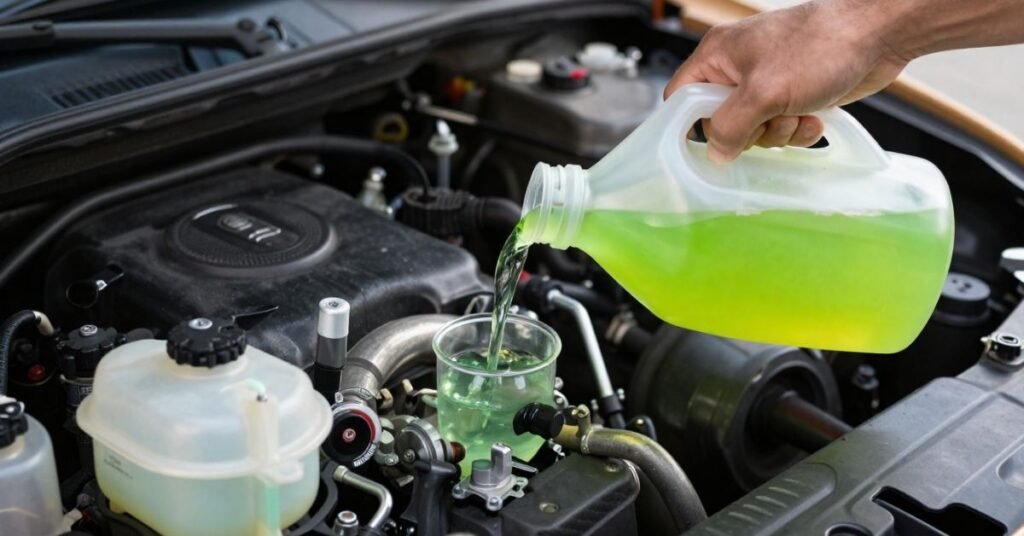
Adding coolant to a car is simple when done carefully. Always work on a cool engine. This helps prevent burns and damage. Follow each step slowly for best results.
Let the Engine Cool Completely
Park the car and turn off the engine. Wait at least 30 minutes. It should feel cool to the touch when you touch the engine. Never rush this step.
Open the Coolant Reservoir or Radiator Cap
Locate the coolant reservoir under the hood. If using the radiator, open the cap slowly. Make sure there is no pressure inside. Safety always comes first.
Add Coolant to the Correct Level
Use a funnel to avoid spills. Pour coolant until it reaches the proper level mark. Do not overfill the tank. Check the markings carefully.
- Use the correct coolant type
- Fill only to the “MAX” line
- Wipe away any spilled coolant
Secure the Cap and Inspect for Leaks
Tighten the cap properly after filling. Turn on the engine and let it run for a few minutes.. Look under the car for leaks. If everything looks fine, you are done.
Common Mistakes to Avoid When Adding Coolant
Adding coolant may seem easy, but mistakes can damage your engine. One common mistake is adding coolant to a hot engine. This can cause burns and make the coolant overflow. Be sure to wait until the engine is completely cool before opening the cap.
Mixing the wrong coolant types or overfilling the reservoir are also big problems. Wrong coolant can react and harm engine parts. Overfilling can cause leaks or pressure issues. Being careful prevents expensive repairs.
| Mistake | Why It’s a Problem | How to Avoid It |
| Adding Coolant to a Hot Engine | Can cause burns and coolant overflow | Always let the engine cool completely |
| Mixing Wrong Coolant Types | Can damage engine and radiator | Use the type recommended in the owner’s manual |
| Overfilling the Reservoir | Can cause leaks or pressure problems | Fill only to the “MAX” line |
| Ignoring Low Coolant Signs | Engine can overheat and fail | Check coolant regularly |
| Using Dirty or Contaminated Coolant | Can clog engine parts | Always use fresh, clean coolant |
This table helps you remember what to avoid and how to keep your engine safe.
Should You Add Water or Coolant to Your Car?
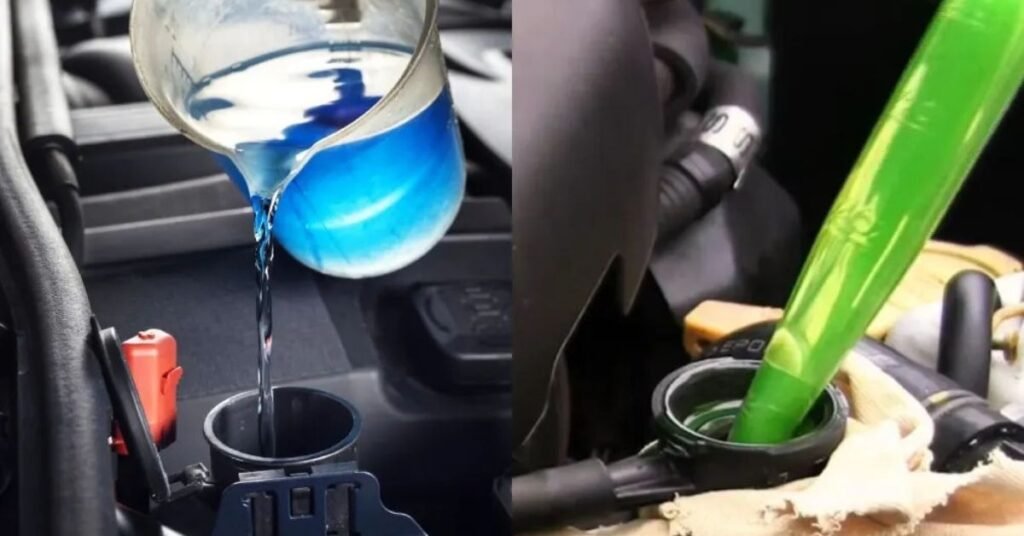
Sometimes you might wonder if adding water is okay. In an emergency, a small amount of water can help. It can prevent the engine from overheating until you reach a safe place. But water alone does not protect against freezing or corrosion.
Coolant is always the better choice for regular use. It controls engine temperature and prevents rust. Coolant also protects your engine in both hot and cold weather. Using the correct coolant keeps your car running safely and smoothly.
About Adding Coolant to a Car
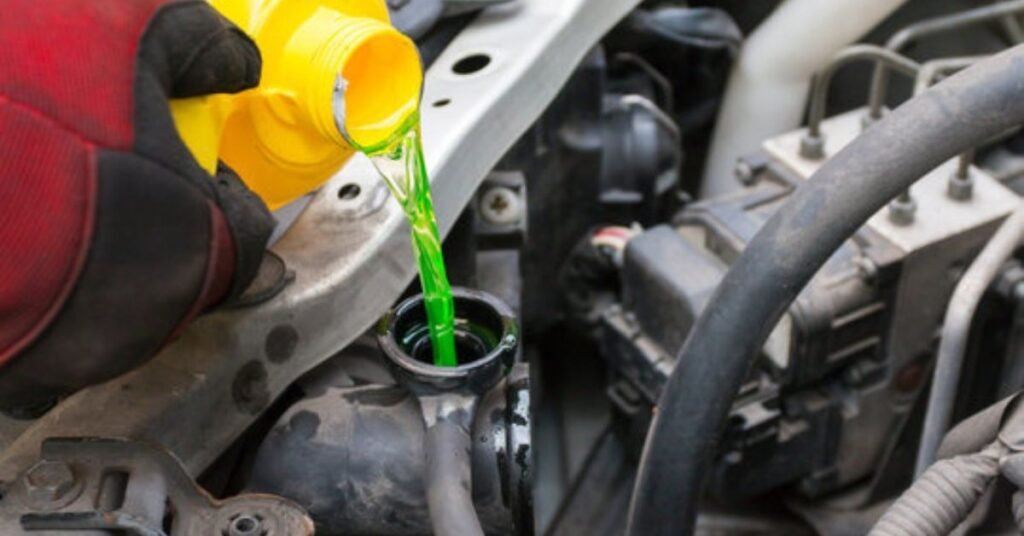
Driving with low coolant is not safe. The engine can overheat quickly. This can cause serious damage. Always top up coolant before driving long distances.
After adding coolant, you may need to bleed air.Running an engine while adding coolant is never a good idea. Always let the engine cool first for safety.
Conclusion
Adding coolant to the car is simple but very important. It keeps the engine at the right temperature and prevents damage. Regular checks and proper filling help your car run smoothly.
Always use the right coolant and follow safety steps. Avoid common mistakes like overfilling or adding coolant to a hot engine. By taking these small steps, you protect your engine and save money in the long run.
FAQs:
- How often should I be adding coolant to my car?
Check the coolant level at least once a month and top up when it’s low. - Can I add coolant to my car when the engine is hot?
No, always wait until the engine is completely cool to avoid burns and overflow. - What type of coolant should I use when adding coolant to my car?
Use the type recommended in your car’s owner manual for best performance. - Would it be okay to use water instead of coolant?
Only in an emergency. Water doesn’t protect against freezing or corrosion. - Do I need to bleed air after adding coolant to my car?
Yes, bleeding air prevents overheating and ensures proper coolant flow.
