

Introduction
The color of engine coolant helps protect your car’s engine from overheating and freezing. Engine coolant is a special liquid that flows through the engine and radiator. It absorbs heat and keeps the engine at a safe temperature. Different coolants come in different colors to show their type and chemical makeup.
Many drivers think the color of engine coolant is just for looks. That is not true. The color can tell you important things about your cooling system. Using the wrong color can cause poor performance or even engine damage. This is why understanding coolant color matters.
The color of engine coolant often shows the type of additives used inside it. Green, red, blue, and orange coolants all work in different ways. Each one is designed for certain engines and car models. Knowing the right color helps you choose the correct coolant for your vehicle.
Color of Engine Coolant| What Different Coolant Colors Really Mean
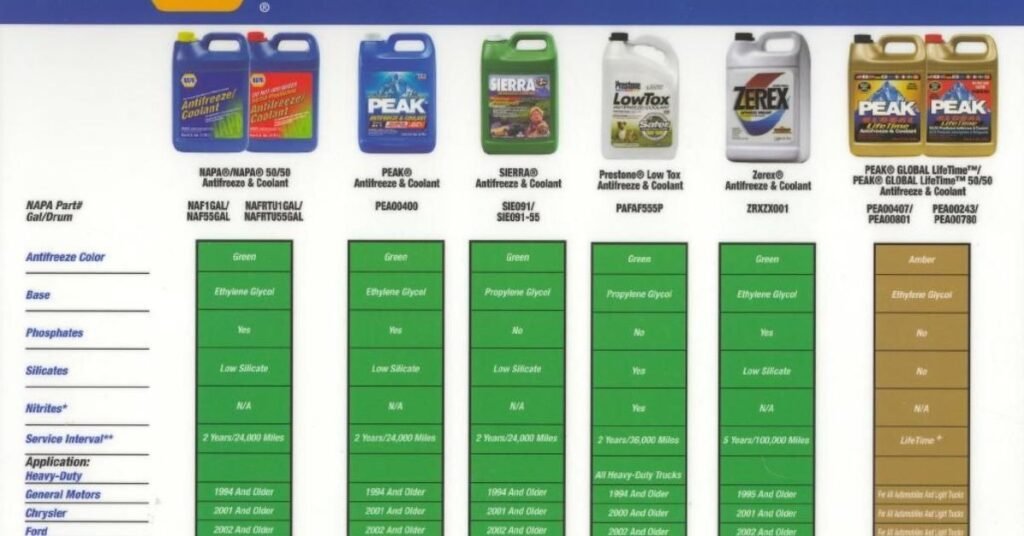
Engine coolant comes in different colors for an important reason. Each color helps identify the type of coolant and the additives inside it. These additives protect the engine from rust, corrosion, and overheating. The color also helps mechanics and drivers avoid mixing the wrong coolants.
Common Engine Coolant Colors and Their Meanings
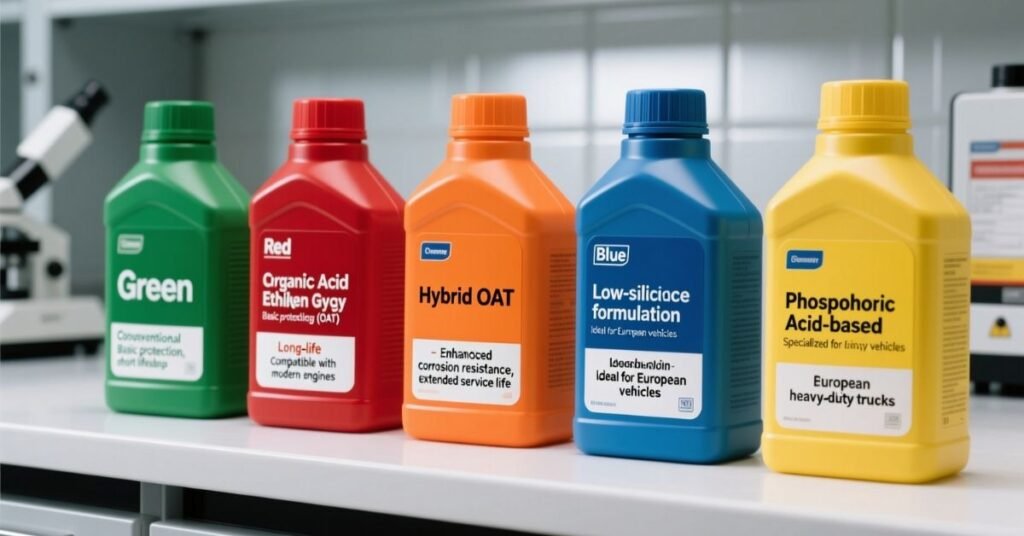
Engine coolant comes in several common colors, and each one has a purpose. The color helps identify the coolant type and how it protects the engine. Knowing these colors can prevent mixing the wrong coolant. It also helps keep your cooling system healthy.
Green Engine Coolant
Green coolant is one of the oldest types. It is often used in older cars. It provides basic protection against rust and overheating. A more frequent change is usually required.
Red and Pink Engine Coolant
Red and pink coolants are long-life coolants. They are common in many modern vehicles. These coolants protect aluminum parts well. They also last longer than green coolant.
Orange Engine Coolant
Orange coolant is designed for extended use. It helps prevent corrosion for many years. This type is often found in GM and some newer vehicles. Mixing it with other colors can cause problems.
Blue and Yellow Engine Coolant
Blue and yellow coolants are common in newer Asian and European cars. They are made to protect modern engines. These coolants work well with aluminum components. Always check the manufacturer’s recommendation before using them.
Types of Engine Coolant Based on Formulation
Engine coolant is also grouped by how it is made. This is called its formulation. The formulation affects how well the coolant protects the engine. It also determines how long the coolant lasts.
Inorganic Additive Technology (IAT)
IAT coolant is the traditional type. It is usually green in color. This coolant works well in older vehicles. It needs frequent replacement to stay effective.
Organic Acid Technology (OAT)
OAT coolant is made for modern engines. It offers long-lasting protection. This type reduces corrosion and buildup. It is often orange, red, or pink.
Hybrid Organic Acid Technology (HOAT)
A HOAT coolant combines IAT and OAT.. It provides balanced protection for many vehicles. This type lasts longer than IAT but shorter than OAT. It is commonly found in newer cars and SUVs.
Does the Color of Engine Coolant Matter for Your Car?
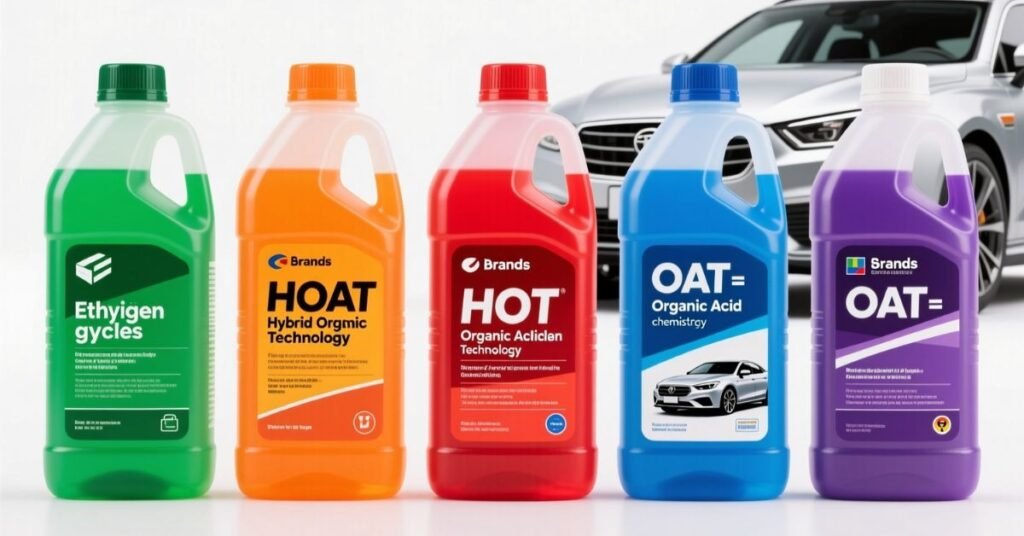
Yes, the color of engine coolant does matter for your car. The color helps identify the type of coolant inside the system. Each type is made with different chemicals. Using the wrong color can reduce protection and harm engine parts.
Coolant color also helps prevent mixing incompatible types. Mixing the wrong coolants can cause sludge or corrosion. As a result, the engine may overheat and need to be repaired.. Always follow the manufacturer’s recommendation when choosing coolant.
How to Choose the Right Color of Engine Coolant for Your Vehicle
Choosing the right color of engine coolant is important. Always check your vehicle’s owner manual first. It tells you the type and color recommended for your engine. Using the correct coolant helps prevent damage and keeps your engine running smoothly.
Also, avoid mixing different coolant colors. Mixing can reduce protection and cause corrosion.A trusted mechanic can help you if you’re unsure. They can help you pick the right coolant for your vehicle.
Can You Mix Different Engine Coolant Colors?
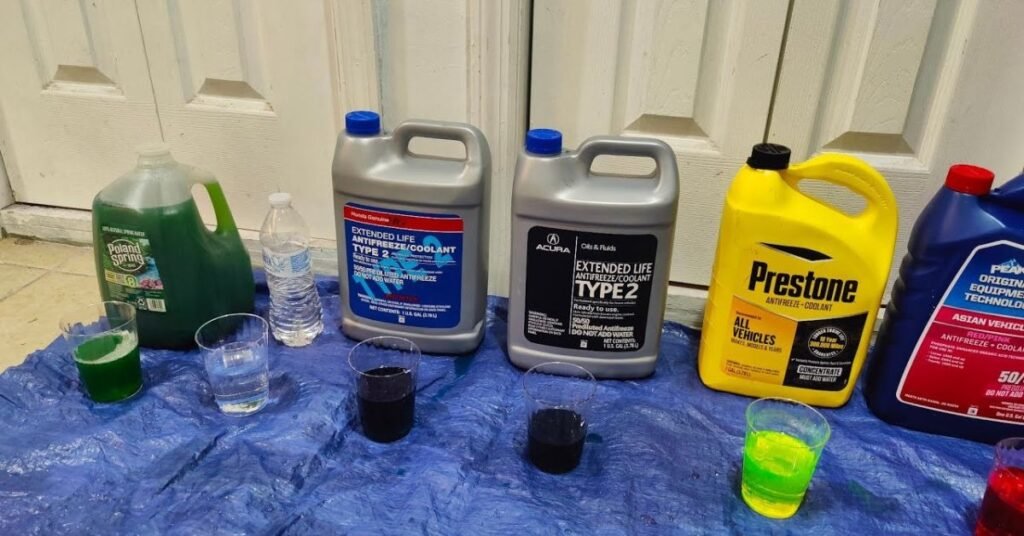
Mixing different engine coolant colors is generally not recommended. Each color represents a specific formulation and chemical mix. Mixing them can reduce their protective properties. This may lead to rust, corrosion, or sludge in your cooling system.
The following tips will help you if you have no choice:
- Avoid mixing traditional green coolant with OAT or HOAT types.
- Check your vehicle manual before adding any new coolant.
- Flush the old coolant first if switching types.
- When in doubt, consult a professional mechanic.
Using the right coolant type and color ensures your engine stays safe and runs efficiently.
Problems Caused by Using the Wrong Color of Engine Coolant
Using the wrong color of engine coolant can cause serious problems for your car. Each coolant color has a different chemical formula. Mixing the wrong types can reduce protection. This can lead to rust, corrosion, and overheating. Over time, engine parts may get damaged, leading to expensive repairs.
Here is a table showing common problems caused by using the wrong coolant color:
| Wrong Coolant Color Used | Possible Problem | Effect on Engine |
| Mixing green with red/pink | Sludge formation | Blocks radiator and hoses |
| Mixing orange with green | Corrosion | Damages aluminum parts |
| Mixing blue/yellow with other types | Reduced protection | Overheating and rust |
| Using any wrong type | Chemical reaction | Shortens coolant life |
| Not following manufacturer | Poor performance | Engine may fail early |
Important Tips to Remember About Engine Coolant Colors
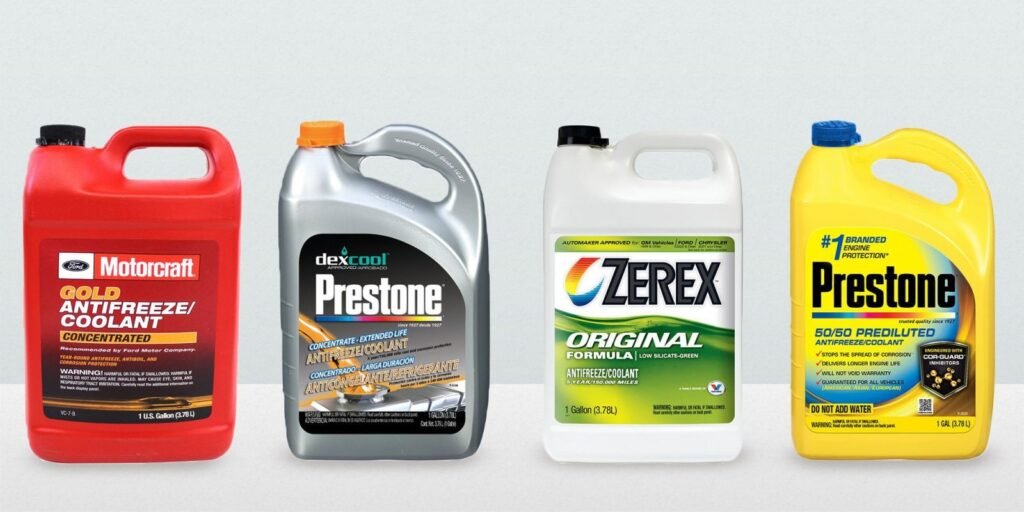
Always use the coolant color recommended in your vehicle’s manual. Each color matches a specific engine type and chemical formula. Using the wrong color can cause corrosion, rust, and overheating. Regularly check the coolant level and condition to keep your engine safe.
Never mix different coolant colors unless the manufacturer allows it. If you need to change the coolant type, flush the system first. Keep an eye out for unusual color changes or debris in the coolant. Following these tips helps your car run smoothly and prevents costly repairs.
Conclusion
The color of engine coolant is more than just a visual detail. It shows the type of coolant and the protection it provides. Using the right color helps prevent rust, corrosion, and engine overheating. It also ensures your car runs efficiently and lasts longer.
Always check your vehicle manual before adding or changing coolant. Avoid mixing different colors unless allowed. Regular maintenance and the right coolant color keep your engine safe and healthy. Paying attention to coolant color can save you time and money on repairs.
FAQs
- What does the color of engine coolant mean?
The color of engine coolant indicates its type and the additives used to protect your engine. - Can I mix different colors of engine coolant?
Mixing different colors is not recommended as it can reduce protection and cause corrosion. - Why is engine coolant available in different colors?
Different colors help identify the type and chemical formulation of the coolant for specific engines. - Which color of engine coolant is best for my car?
Always follow your vehicle’s manual; it specifies the correct coolant color for your engine. - What happens if I use the wrong color of engine coolant?
Using the wrong color can cause rust, corrosion, overheating, and damage to engine parts.
