

Introduction
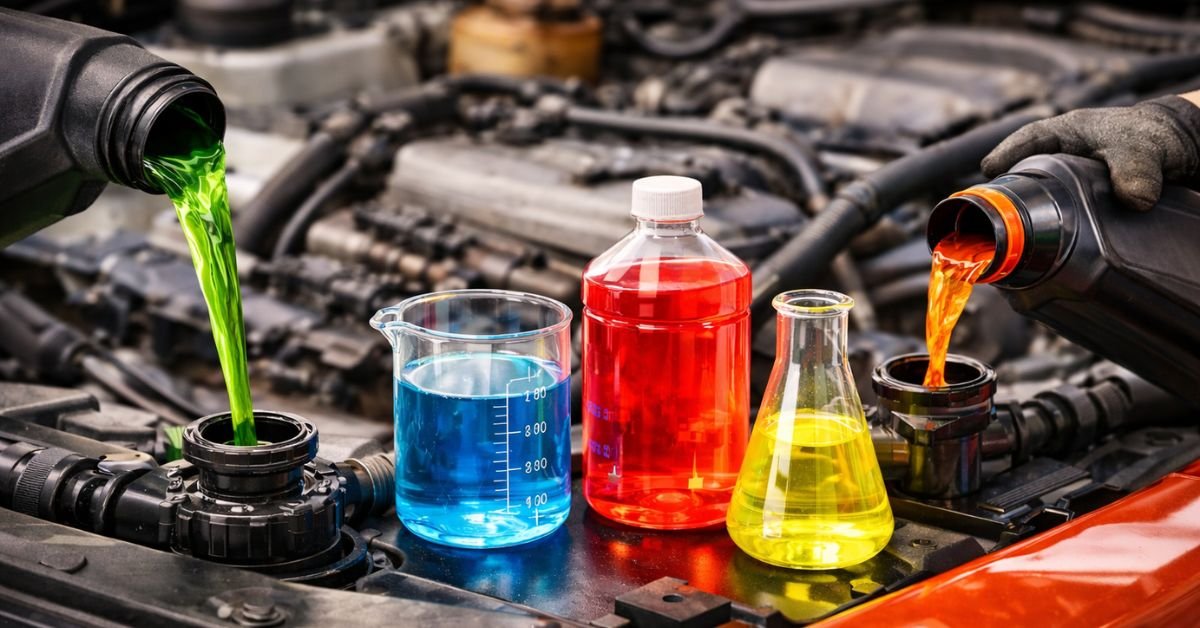
The color of coolant fluid in your car plays an important role in keeping the engine at the correct temperature. Coolant is a special liquid that moves through the engine and radiator to prevent overheating in hot weather and freezing in cold conditions. Because different vehicles need different coolant formulas, coolant comes in several colors.
Many drivers believe coolant color is only for looks. However, this is not true. The color shows the chemical type of the coolant. Using the wrong color can damage engine parts, cause corrosion, or harm seals over time.
In this guide, you will learn what coolant colors mean. We will explain common colors such as green, pink, orange, and blue. This will help you choose the right coolant for your car and avoid costly repairs.
Why the Color of Coolant Fluid Is Different
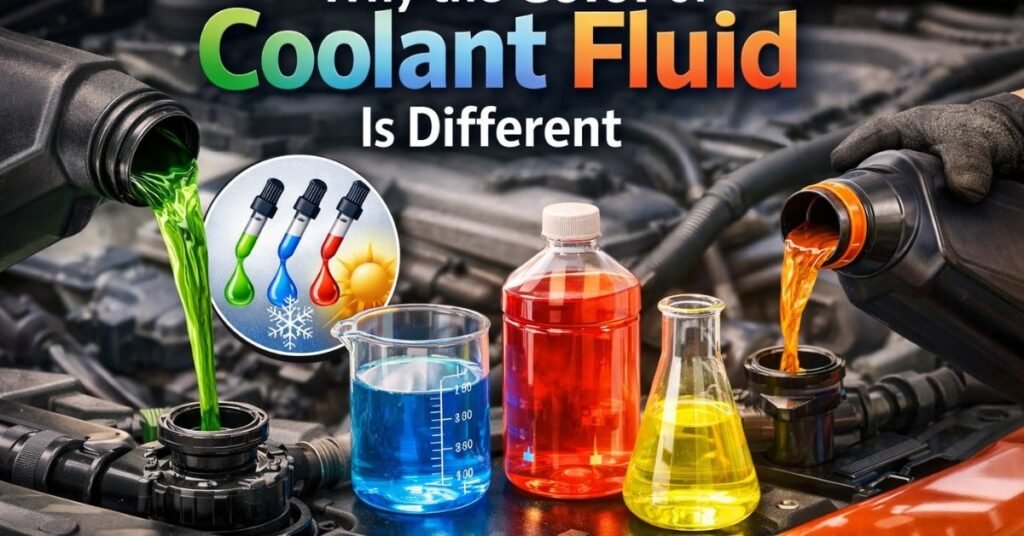
Coolant fluid comes in different colors because each type has a unique chemical formula. Manufacturers add color dye to make these formulas easy to identify. Some coolants protect older engines, while others are designed for modern vehicles.
In addition, color helps prevent mixing the wrong coolants. Mixing different types can reduce protection and damage the engine. Each coolant works best with specific metals and engine components. That is why car manufacturers recommend using only the correct coolant color.
What the Color of Coolant Fluid Means for Your Engine
Coolant color gives important information about engine protection. Different colors show which chemicals are inside the coolant. These chemicals help prevent rust, corrosion, and overheating.
Moreover, coolant color can indicate how long it lasts. Some coolants need replacement more often, while others last several years. By paying attention to color, you can avoid engine trouble and make maintenance easier.
Green, Orange, Red, Pink, Blue, and Yellow Coolant Explained
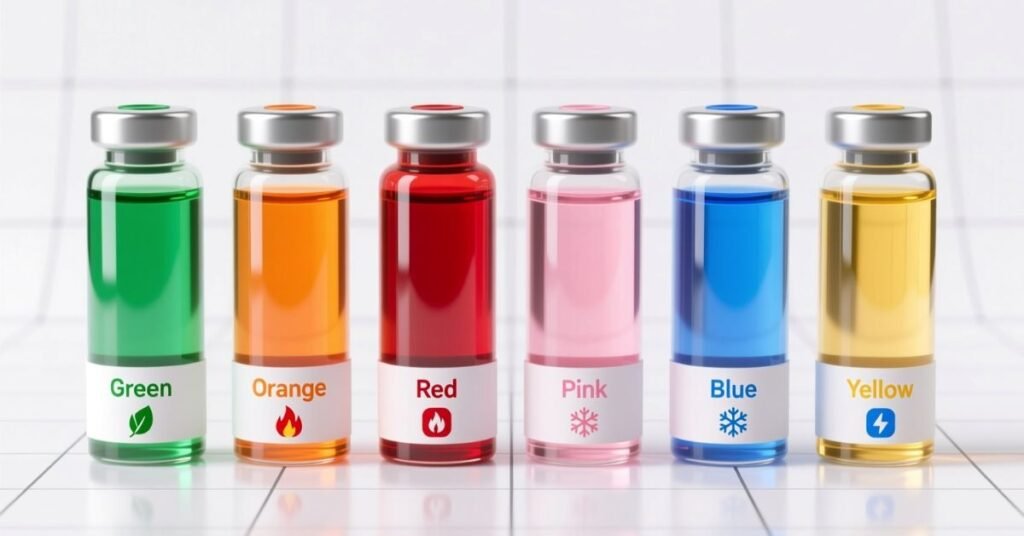
Coolant is available in many colors, and each color serves a purpose. Green coolant is common and usually used in older cars. Orange and red coolants are often found in newer engines. Pink coolant is known for long-life protection, while blue is used by certain car brands. Yellow coolant is less common but works well in some modern vehicles.
Choosing the correct color is essential. Using the wrong coolant can cause rust or engine damage. Always check your owner’s manual before adding coolant.
Types of Coolant Based on Technology
Coolants are made using different technologies to protect engines effectively. The three main types are Inorganic Additive Technology (IAT), Organic Acid Technology (OAT), and Hybrid Organic Acid Technology (HOAT).
IAT is mostly used in older cars and needs frequent changes. OAT is designed for modern engines and lasts longer. HOAT combines both technologies for added protection. Using the right type helps prevent rust, corrosion, and overheating.
IAT, OAT, and HOAT Coolant Colors Explained
These coolant types have different colors to make identification easy. IAT coolant is usually green and works best for older engines. OAT coolant often appears orange, red, or pink and suits modern cars.
HOAT coolant is commonly yellow or blue and offers hybrid protection.
Using the wrong type can harm your engine. Always check your car manual before adding coolant. Choosing the correct color and type helps your engine last longer.
Does the Color of Coolant Fluid Really Matter?
Yes, coolant color truly matters. It tells you the coolant type and the protection it provides. Using the wrong color can lead to rust, corrosion, or engine overheating.
Here are some key points to remember:
- Green coolant is common in older cars.
- Orange, red, or pink coolant is for modern engines.
- Blue or yellow coolant works for specific vehicles.
- Mixing the wrong colors can reduce engine
Can You Mix Different Colors of Coolant Fluid?
Mixing different coolant colors is generally not recommended. Each color represents a different chemical formula. When mixed, protection can decrease, leading to corrosion or engine damage.
Here’s a simple guide to coolant mixing:
| Coolant Type | Common Color | Can It Be Mixed? | Notes |
| IAT | Green | No | Best for older engines |
| OAT | Orange/Red/Pink | No | Designed for modern engines |
| HOAT | Yellow/Blue | No | Hybrid type, don’t mix with IAT or OAT |
| Universal Coolant | Various | Sometimes | Check manufacturer instructions |
Mixing coolants without checking can cause engine problems. Always use the right type and color for your car. This keeps your engine safe and working efficiently.
What Happens If You Mix the Wrong Coolant Colors
Mixing the wrong coolant colors can cause serious engine problems. Different chemicals may react and reduce protection. As a result, rust, overheating, or cooling system clogs can occur.
Over time, hoses and seals may wear out, leading to leaks and expensive repairs. Using the correct coolant helps avoid these issues.
How to Choose the Right Color of Coolant Fluid for Your Car
Choosing the correct coolant color is essential for engine safety. Each vehicle has specific coolant requirements. Always check your car manual before selecting coolant.
Here’s a simple guide to choosing coolant by color:
| Coolant Color | Type | Best For | Notes |
| Green | IAT | Older cars | Needs changing more often |
| Orange | OAT | Modern engines | Long-life protection |
| Red | OAT | Newer cars | Similar to orange, check manual |
| Pink | OAT | Modern vehicles | Long-lasting, widely used |
| Blue | HOAT | Specific brands | Check car manual for compatibility |
| Yellow | HOAT | Some modern engines | Hybrid protection, follow manufacturer |
Always follow your car manufacturer’s guidance. Choosing the right color keeps your engine running smoothly and avoids costly repairs.
Signs You Are Using the Wrong Color of Coolant Fluid
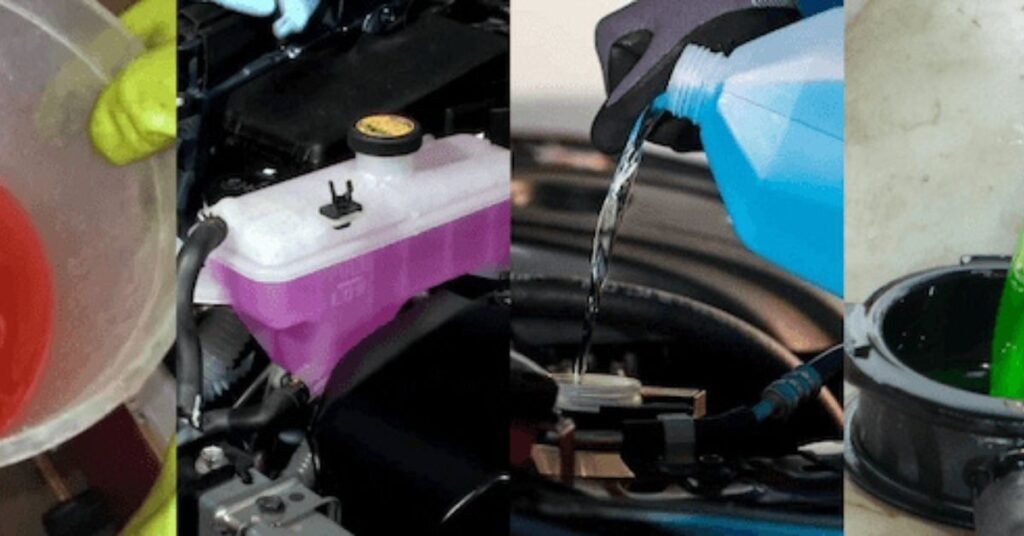
Using the wrong coolant color can cause noticeable problems. Your engine may overheat even when coolant levels are normal. You might also see rust or sludge in the radiator.
Other signs include leaks, strange smells, or clogged systems. If you notice these issues, check the coolant color immediately.
Conclusion
The color of coolant fluid is more than just a look. It tells you the type of coolant and the protection it offers. Using the right color keeps your engine safe from rust, corrosion, and overheating. Always follow your car manual when choosing coolant.
Paying attention to coolant color can save you time and money. It helps prevent engine problems and makes maintenance easier. Choosing the correct color of coolant fluid ensures your car runs smoothly and lasts longer.
FAQs
Does coolant color affect performance?
Yes, the color indicates the type of coolant and its chemical protection. Using the wrong color can reduce engine protection.
Can I use water instead of coolant?
No, water alone cannot prevent rust or overheating. Coolant is specially made to protect your engine.
How often should coolant be changed?
It depends on the type and car manual. Generally, green IAT coolant changes every 2 years, OAT or HOAT every 5 years.
What does each coolant color mean?
Different colors show different chemical formulas. Green is for older engines, orange/red/pink for modern, and blue/yellow for specific engines.
Can I mix different coolant colors?
Mixing different colors is not recommended. It can cause chemical reactions, reduce protection, and damage the engine.
