

Introduction:
A car with no coolant means the engine has no liquid to control heat. Coolant flows through the engine and radiator to keep temperatures normal. Without it, the engine cannot stay cool. The overheating and damage can quickly result can quickly lead to overheating and serious damage.
Imagine driving your car and the temperature gauge suddenly rises. Steam may come from the hood. Warning lights may turn on. This situation can happen fast and often without much warning. Many drivers ignore small signs until the engine is already in trouble.
When a car runs with no coolant, metal parts get too hot. There may be a loss of power or a shutdown of the engine. In severe cases, parts like the head gasket or engine block can fail. Understanding this problem early can help you avoid costly repairs and keep your car safe.
What Does Coolant Do in a Car Engine?
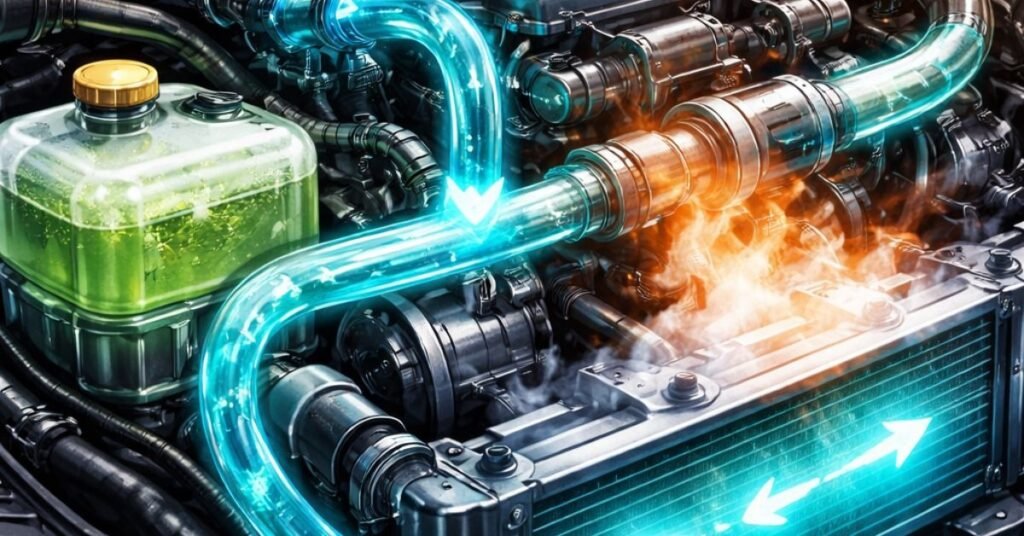
Coolant helps control the engine’s temperature. It absorbs heat from the engine while the car is running. Then it carries that heat to the radiator to cool down. This keeps the engine from overheating in hot weather or heavy traffic.
Coolant also protects engine parts. It stops metal parts from rusting or corroding. In cold weather, it prevents the liquid from freezing inside the engine. Because of this, coolant helps the engine run smoothly and last longer.
How Coolant Controls Engine Temperature
Coolant moves through the engine and absorbs heat. It flows around hot engine parts and carries heat away. Then it goes to the radiator, where air cools it down. In this cycle, the engine is kept at a safe temperature.
When coolant works properly, the engine does not overheat. It helps the car run smoothly in traffic and on long drives. Without coolant, heat builds up fast and can damage the engine.
Role of Antifreeze in Modern Engines
Antifreeze is mixed with water to make coolant. It lowers the freezing point in cold weather. It also raises the boiling point in hot conditions. This helps the engine stay protected in all seasons.
Antifreeze also prevents rust and corrosion. It protects hoses, the radiator, and engine parts. Modern engines rely on antifreeze to run safely and last longer.
What Happens When a Car Has No Coolant?
When a car has no coolant, the engine heats up very fast. There is nothing to absorb and remove the heat. The temperature gauge may rise quickly. Steam may come from under the hood.
As the engine gets hotter, serious damage can happen. The engine may lose power or shut off to protect itself. Parts like the head gasket can fail. In worst cases, the engine can seize and require expensive repairs.
Engine Overheating
When a car has no coolant, the engine overheats quickly. Heat builds up with nowhere to go. The temperature gauge rises fast. This can happen within minutes of driving.
Damage to Engine Components
Extreme heat can damage engine parts. Metal parts expand and may warp. Hoses and seals can crack or leak. This damage can be costly to repair.
Blown Head Gasket Risk
High heat puts pressure on the head gasket. Without coolant, the gasket can fail. This may cause oil and coolant to mix. Blown head gaskets are serious engine problems.
Engine Shutdown or Engine Seize
Modern cars may shut the engine off to prevent damage. If the heat continues, the engine can seize. This means engine parts stop moving. In many cases, the engine must be replaced.
How Long Can a Car Run Without Coolant?
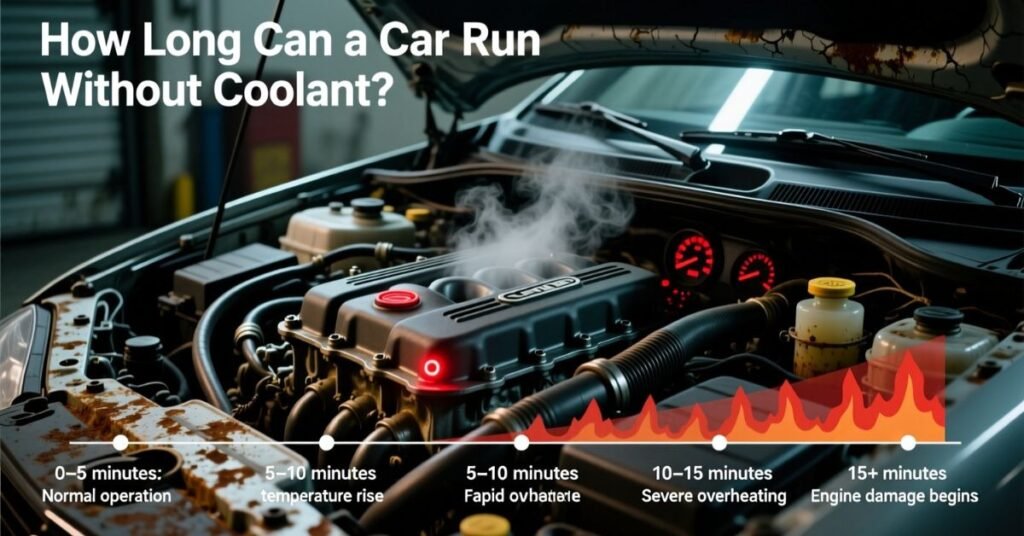
A car cannot run long without coolant. The engine heats up very fast. In most cases, it may only run a few minutes before overheating. Driving longer can cause serious damage.
Even if the engine seems okay at first, heat builds quickly. Small trips may be slightly safer, but risk is still high. Without coolant, the engine can fail completely. It is always best to stop and fix the issue immediately.
Short Driving Risks
Even short drives without coolant are risky. The engine temperature rises quickly. Small trips can still cause overheating. Heat can damage hoses, seals, and metal parts.
Why Driving Even a Few Minutes Is Dangerous
Just a few minutes can harm the engine. Steam or smoke may appear under the hood. Parts like the head gasket can fail fast. Stopping immediately is the safest choice to avoid costly repairs.
Can You Drive a Car With No Coolant?
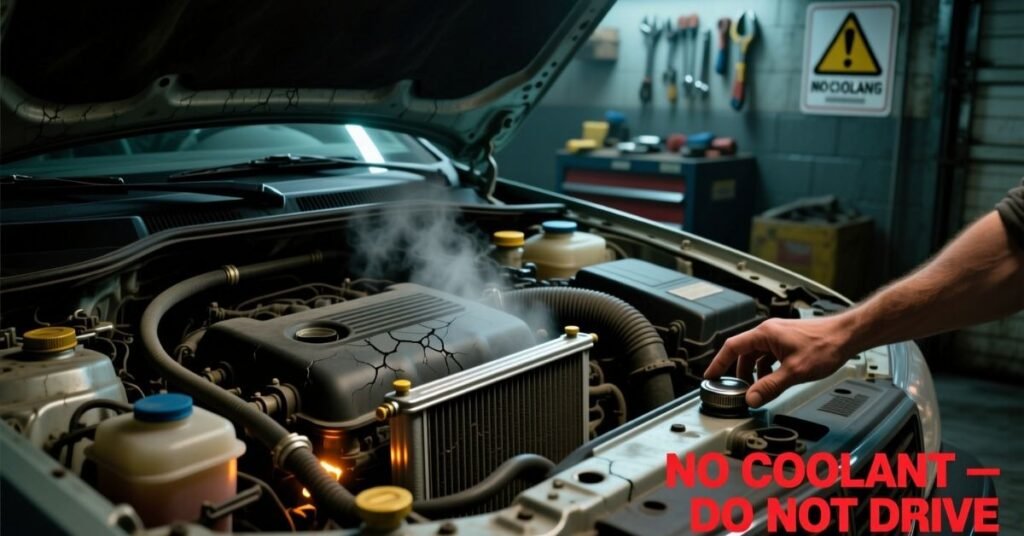
It is not safe to drive a car with no coolant. In just a few minutes, the engine can overheat. Overheating can cause serious damage to engine parts.
Even if the car starts, driving without coolant is risky. Metal parts may warp or crack. Hoses and seals can fail. It is always better to refill coolant or call for help before driving.
Emergency Situations Explained
In some emergencies, you might be tempted to drive without coolant. For example, if you are stranded on the road. But even short driving can cause the engine to overheat. The risks are very high, and damage can happen quickly.
Why Manufacturers Strongly Advise Against It
Car makers warn against driving without coolant for safety reasons. Overheating can destroy the engine. It can also cause expensive repairs. Following the manufacturer’s advice keeps the car safe and running longer.
Warning Signs of Low or No Coolant
One common sign is the engine temperature rising quickly.A red zone may appear on the gauge.. You might see steam or smoke from under the hood.
Other signs include coolant leaks under the car. Strange smells, like sweet or burning odor, can appear. The heater may stop working properly. Noticing these signs early can prevent serious engine damage.
Temperature Gauge in Red Zone
If the temperature gauge moves into the red, the engine is overheating. This is a clear sign of low or no coolant. You should stop the car immediately to prevent damage.
Sweet Smell from Engine Bay
A sweet smell from the engine usually comes from leaking coolant. It is easy to notice and should not be ignored. Leaks can lead to low coolant and engine overheating.
Steam Coming from Hood
Steam rising from under the hood is a warning of extreme heat. The engine is too hot and coolant may be boiling. Check the engine after stopping and letting it cool.
AC Not Working Properly
Low coolant can also affect the AC system. The heater may blow warm air or stop working. This is a subtle sign that the coolant level is low and needs attention.
Causes of Coolant Loss in a Car
Coolant can be lost for several reasons. Leaks in the system are the most common cause. Overheating and worn parts can also reduce coolant levels.
Some common causes include:
- Cracked radiator or hoses
- Loose or broken clamps
- Blown head gasket
- Faulty water pump
- Leaks in the heater core
Checking your car regularly helps prevent coolant loss. Fixing small leaks early can save the engine from serious damage.
External Coolant Leaks
External leaks happen when coolant escapes outside the engine. You may notice puddles under the car. Hoses, the radiator, or clamps are often the cause.
Common signs of external leaks:
- Wet spots under the car
- Steam from the engine
- Sweet smell near the engine
Internal Engine Leaks
Internal leaks occur inside the engine. Coolant may mix with oil or enter the combustion chamber. This can cause white smoke from the exhaust and engine damage.
Faulty Radiator Cap or Hose
A broken radiator cap or cracked hose can let coolant escape. Even a small leak can reduce coolant levels fast. Replacing the cap or hose early can prevent overheating and engine damage.
How Much Coolant Loss Is Normal?
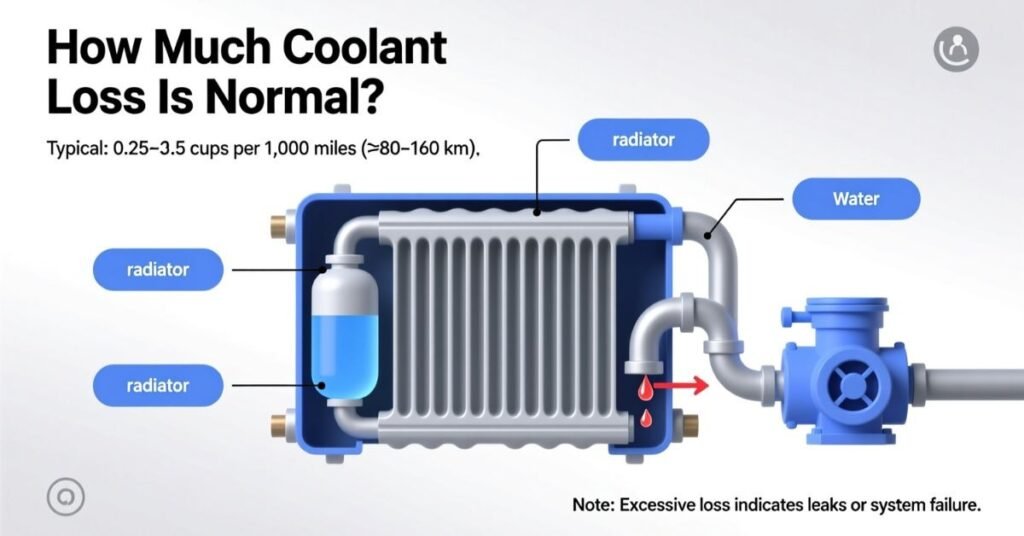
A small amount of coolant loss is normal over time. Engines naturally lose some coolant through evaporation. Checking the coolant level regularly helps you track any changes.
If you notice large drops in coolant, it is not normal. Sudden loss may indicate leaks or engine problems.The system stays safe and efficient with regular maintenance..
Normal Evaporation vs Serious Loss
Some coolant loss is normal due to evaporation. It happens slowly and rarely causes issues. Checking the reservoir shows a small drop, which is usually fine.
When Coolant Loss Becomes a Problem
Coolant loss becomes serious if it happens quickly or repeatedly. Leaks, cracks, or a blown gasket can cause rapid loss. The problem needs to be addressed immediately in order to prevent costly repairs.
How Modern Engines React to Low Coolant
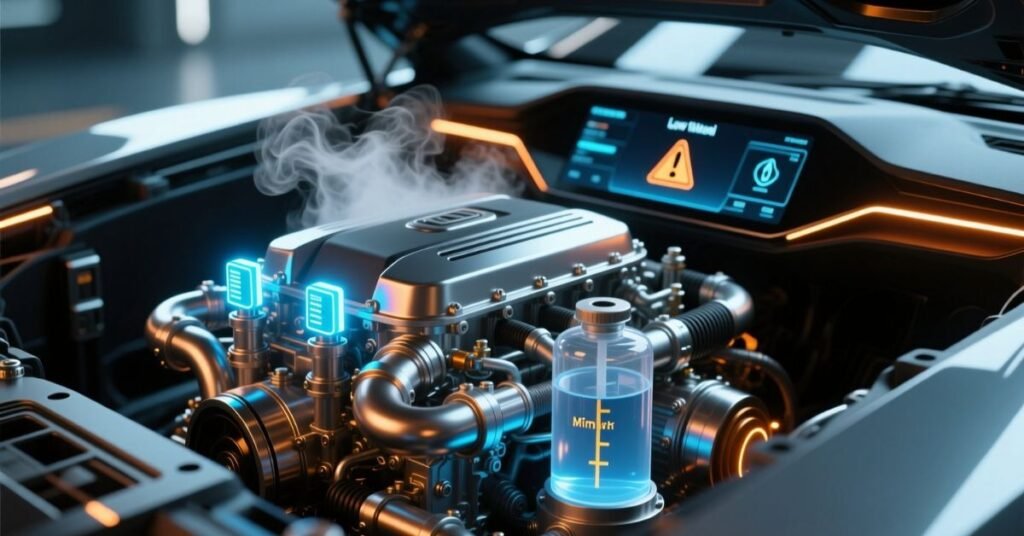
Modern engines have sensors to detect low coolant levels. If coolant drops too low, warning lights appear on the dashboard. Some cars may also show messages like “Check Engine Coolant.”
In serious cases, the engine may reduce power or shut down. This helps prevent overheating and major damage. Modern systems protect the engine, but you should still refill coolant immediately to stay safe.
Engine Cutoff Systems
Many modern cars have engine cutoff systems. If coolant is too low, the engine may reduce power or stop running. This prevents serious overheating and damage. It acts as a safety feature to protect the engine.
Warning Lights and Sensors
Cars have sensors to monitor coolant levels. When the level drops, warning lights appear on the dashboard. Some cars also show messages like “Low Coolant” or “Check Engine.” Paying attention to these warnings can prevent costly repairs.
What to Do If Your Car Has No Coolant
If your car has no coolant, stop driving immediately. Continuing can cause the engine to overheat and fail. Let the engine cool before opening the hood. Never open the radiator cap while the engine is hot, as hot coolant can burn you.
After the engine cools, check the coolant level and refill if needed. Look for leaks or damaged hoses. If the problem persists, call a mechanic. The table below shows the step-by-step actions to take:
| Step | Action | Notes |
| 1 | Pull over safely | Find a flat, safe area |
| 2 | Turn off the engine | Prevents further overheating |
| 3 | Let the engine cool | Wait at least 30 minutes |
| 4 | Check coolant reservoir | Only open when cool |
| 5 | Refill coolant | Use the correct type for your car |
| 6 | Inspect for leaks | Check hoses, radiator, and clamps |
| 7 | Restart engine carefully | Monitor temperature gauge |
| 8 | Drive slowly or call for help | Avoid heavy traffic until fixed |
| 9 | Visit a mechanic | Get professional inspection if problem continues |
This approach helps protect your engine and avoid expensive repairs.
Stop Driving Immediately
If your car has no coolant, stop driving at once. Continuing can cause the engine to overheat fast.Turn off the engine and pull over to a safe spot.
Let Engine Cool Down
Never open the radiator or coolant cap while the engine is hot.After the engine has cooled for 20–30 minutes, turn it off.. Hot coolant can cause serious burns.
Add Correct Coolant
After cooling, check the coolant level. Make sure you use the type recommended by the manufacturer of your car. Fill the reservoir carefully to the proper level.
When to Visit a Mechanic
If the coolant level drops again quickly, see a mechanic. Persistent leaks or overheating may indicate serious engine problems. A professional check can prevent costly damage.
How Often Should You Check Engine Coolant?
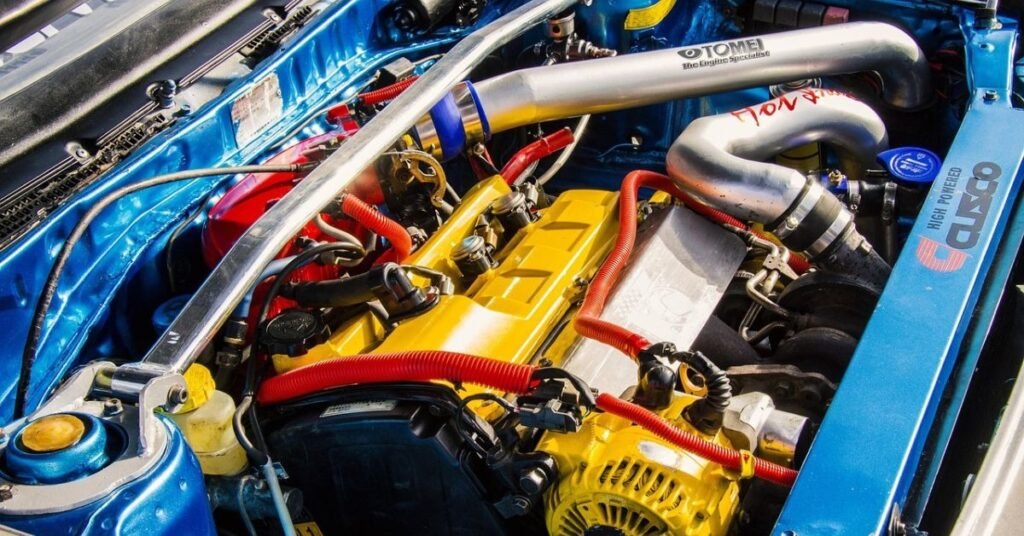
You should check engine coolant regularly. Many experts suggest checking it at least once a month. Checking helps you spot leaks or low levels early.
Also, check before long trips or in extreme weather. Hot summers and cold winters can affect coolant levels. Regular checks keep the engine safe and prevent overheating.
Monthly Check Recommendation
It is a good habit to check coolant every month. Look at the coolant reservoir and make sure the level is between the minimum and maximum marks. Check for leaks or unusual color changes. This helps catch problems early.
Coolant Service Intervals
Coolant also needs to be replaced periodically. Most cars recommend a service every 2–5 years, depending on the type. Check your owner’s manual for exact intervals. Regular service keeps the engine running smoothly and prevents overheating.
Never Drive a Car Without Coolant
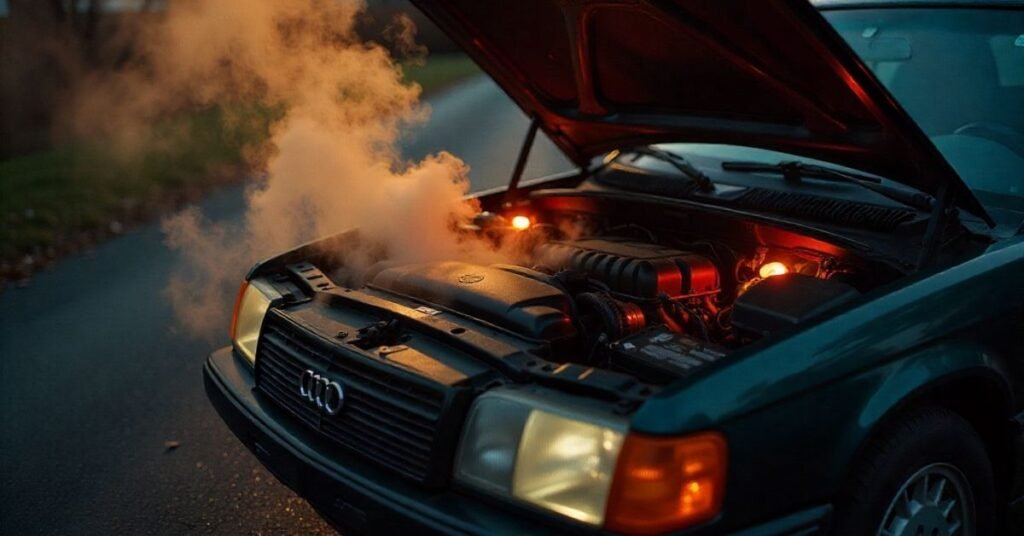
Driving a car without coolant is very dangerous. The engine can overheat within minutes. This can cause serious damage to metal parts, hoses, and the head gasket.
Even short trips are risky. You may see steam, a rising temperature gauge, or warning lights. Always refill coolant before driving. Protecting the engine saves money and keeps your car safe.
Key Safety Takeaway
Never ignore low or no coolant warnings. Driving without coolant can quickly overheat the engine. Stop the car, let it cool, and refill coolant immediately. Safety comes first for you and your engine.
Long-Term Engine Protection Tips
A monthly check of coolant levels is recommended.. Follow your car’s recommended coolant service intervals. Inspect hoses, radiator, and caps for leaks. Regular maintenance keeps the engine safe and extends its life.
Conclusion
A car with no coolant is a serious problem. Driving without coolant can cause the engine to overheat fast. It can damage parts like the head gasket, hoses, and radiator.
Always check coolant levels and refill when needed. Stop driving immediately if the coolant is low or empty. Regular maintenance and care keep your car safe and running longer.
FAQs:
- Can a car run with no coolant?
No, a car with no coolant can overheat quickly and cause serious engine damage. - What happens if I drive a car with no coolant?
The engine may overheat, parts can warp, and it could lead to a blown head gasket. - How do I know if my car has no coolant?
Look for a rising temperature gauge, steam from the hood, or a sweet smell from the engine. - Can I refill coolant while the engine is hot?
No, always wait for the engine to cool to avoid burns from hot coolant. - Is it safe to drive a short distance with no coolant?
Even a short drive is risky; it can cause overheating and expensive engine damage.
