

Introduction:
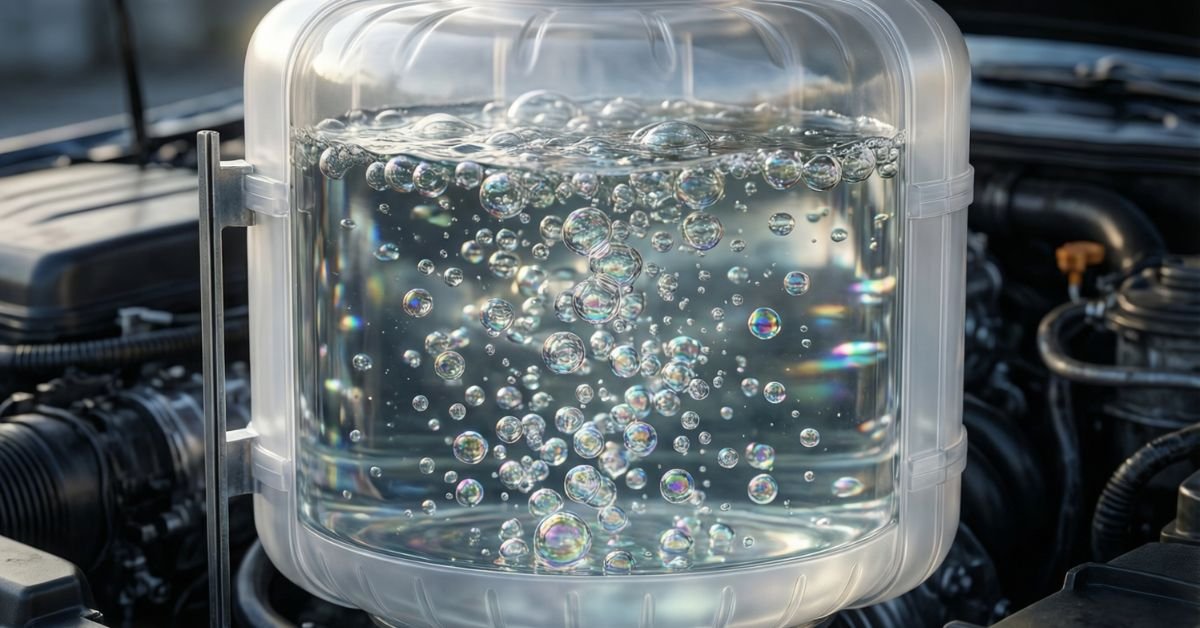
Bubbles in a coolant tank mean air or gas is getting into the cooling system. This should not normally happen. The coolant should flow smoothly without bubbles. When bubbles appear, it often points to a problem that needs attention.
Have you noticed bubbles rising in your coolant tank while the engine is running? This can be confusing and even scary for many car owners. Ignoring it may lead to overheating or engine damage. Catching the issue early can save time and costly repairs.
This problem can be caused by trapped air, a bad radiator cap, or even a blown head gasket. It may come with signs like overheating, low coolant, or strange engine behavior. In this guide, we will explain the common causes, symptoms, and the best fixes in a simple way.
What Does Bubbles in Coolant Tank Mean?
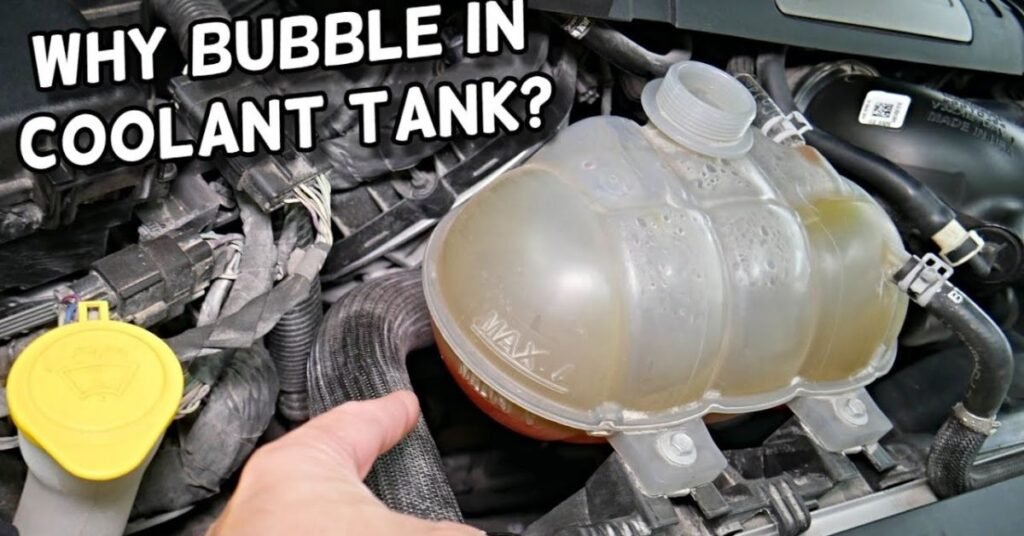
Bubbles in the coolant tank mean air or gas is entering the cooling system. This is not normal during regular engine operation. The cooling system is designed to stay sealed and pressurized. When bubbles appear, something is allowing air or exhaust gases to mix with the coolant.
In some cases, bubbles form due to trapped air after a coolant refill. In other situations, it can signal a serious issue like a leaking head gasket. You may also notice engine overheating or coolant loss. Understanding what the bubbles mean helps you fix the problem before it gets worse.
Common Causes of Bubbles in Coolant Tank
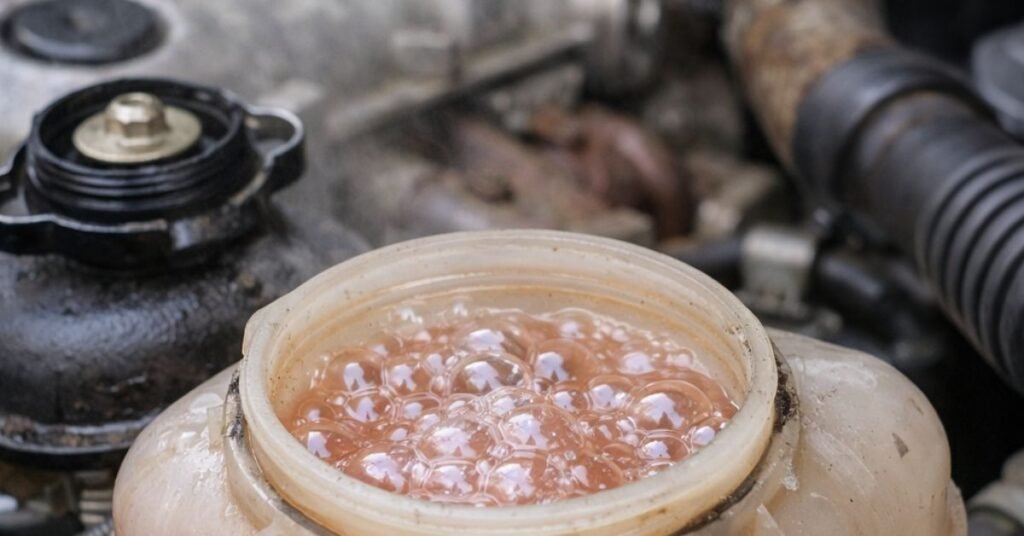
One common cause of bubbles in the coolant tank is a leaking head gasket. This allows exhaust gases to enter the cooling system. Another reason can be a loose or faulty radiator cap. If the system cannot maintain pressure, air can get trapped and form bubbles.
Sometimes, air pockets remain after a coolant refill or flush. Cracks in the radiator or hoses can also let air in. Even a failing water pump may cause bubbling by moving coolant improperly. Knowing these causes helps you find the right fix quickly.
Trapped Air or Air Pockets in Cooling System
Trapped air or air pockets can form when the cooling system is not properly filled or bled. These pockets block the flow of coolant. When coolant cannot flow freely, the engine may overheat. You may also see bubbles in the coolant tank or hear gurgling sounds from the radiator.
Common signs of trapped air include:
- Overheating engine
- Coolant level dropping quickly
- Gurgling noises from the radiator or heater core
- Uneven temperature on the dashboard gauge
Fixing air pockets usually involves bleeding the cooling system to remove trapped air. This allows the coolant to flow smoothly and prevents engine damage.
Faulty Radiator or Coolant Pressure Cap
A faulty radiator or coolant pressure cap can cause bubbles in the coolant tank. The cap is designed to keep the system pressurized. If it fails, air can enter the system and mix with the coolant. The engine may overheat as a result of reduced cooling efficiency.
Signs of a bad radiator or pressure cap include:
- Coolant bubbles or foam in the tank
- Coolant leaking around the cap
- Engine overheating even with enough coolant
- Sudden drop in coolant level
Replacing a faulty cap is simple but important. It restores proper pressure and stops air from entering the cooling system.
Low Coolant Level or Improper Bleeding
Low coolant level can cause bubbles in the coolant tank. When the coolant is too low, air enters the system. This creates air pockets that stop proper circulation. Improper bleeding after a coolant refill can also trap air inside. Both issues can make the engine overheat.
Signs of low coolant or poor bleeding include:
- Coolant level dropping quickly
- Engine temperature rising fast
- Gurgling or hissing sounds from the radiator
- Heater not blowing warm air
To fix this, always top up the coolant and bleed the system properly. This removes trapped air and keeps the engine running cool.
Overheating Engine or Coolant Boiling
An overheating engine can cause bubbles in the coolant tank. When the engine gets too hot, the coolant may start to boil. Boiling coolant produces gas, which appears as bubbles in the tank. This can happen if the cooling system is blocked or the thermostat fails.
Coolant boiling can damage engine parts. It may cause warped cylinder heads or blown gaskets. You may notice:
- Steam coming from under the hood
- Rising temperature on the dashboard gauge
- Bubbling coolant in the tank
Fixing the overheating issue quickly is important to prevent serious engine damage. Checking coolant level, radiator, and thermostat can help solve the problem.
Can a Blown Head Gasket Cause Bubbles in a Coolant Tank?
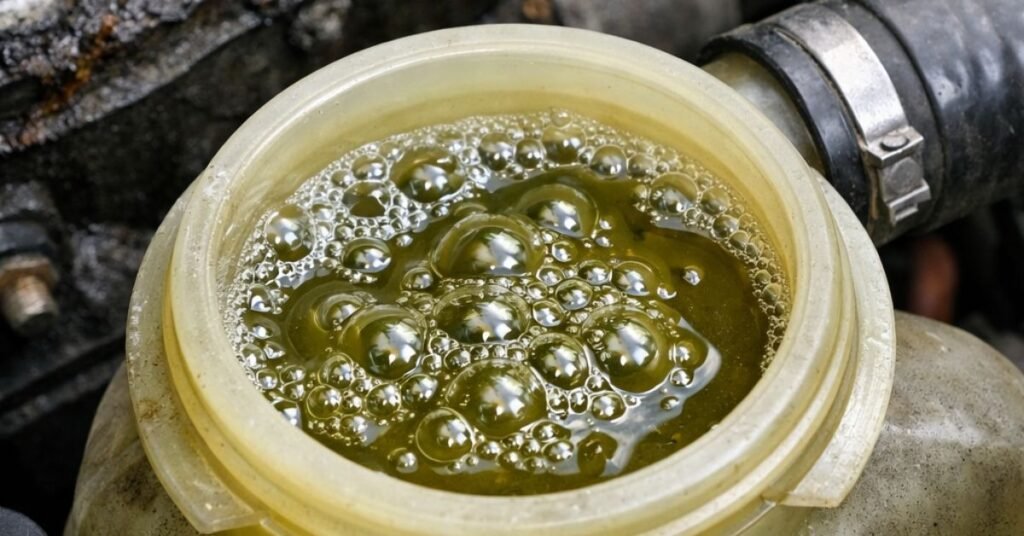
Yes, a blown head gasket can cause bubbles in the coolant tank. The head gasket seals the engine’s cylinders and coolant passages. If it fails, exhaust gases can leak into the cooling system. This creates bubbles and may push coolant out of the tank.
Other signs of a blown head gasket include:
- White smoke from the exhaust
- Overheating engine
- Milky or foamy coolant
- Loss of engine power
A blown head gasket is serious and needs immediate repair.Major engine damage can result from ignoring it.
Signs Bubbles Are Caused by a Head Gasket Leak
Bubbles in the coolant tank can sometimes mean a head gasket leak. This is a serious issue. When the gasket fails, exhaust gases enter the cooling system. This causes constant bubbling, even when the engine is running normally.
Common signs of a head gasket leak include:
- White smoke from the exhaust
- Milky or foamy coolant
- Overheating engine
- Loss of engine power
- Coolant level dropping quickly
If you notice these signs along with bubbles, it’s likely a head gasket problem. Getting it checked early can prevent severe engine damage.
Exhaust Gases Entering the Cooling System
Exhaust gases entering the cooling system can cause bubbles in the coolant tank. This usually happens when there is a head gasket leak or a crack in the engine block. The gases mix with the coolant, creating bubbles and foam. This prevents the coolant from circulating properly.
When exhaust gases enter the cooling system, you may notice:
- Bubbling or frothy coolant
- Overheating engine
- White smoke from the exhaust
- Loss of coolant without visible leaks
Fixing the problem quickly is important. It usually requires repairing the head gasket or other engine parts to stop gases from entering the coolant.
Bubbles in Coolant Tank When Engine Is Hot
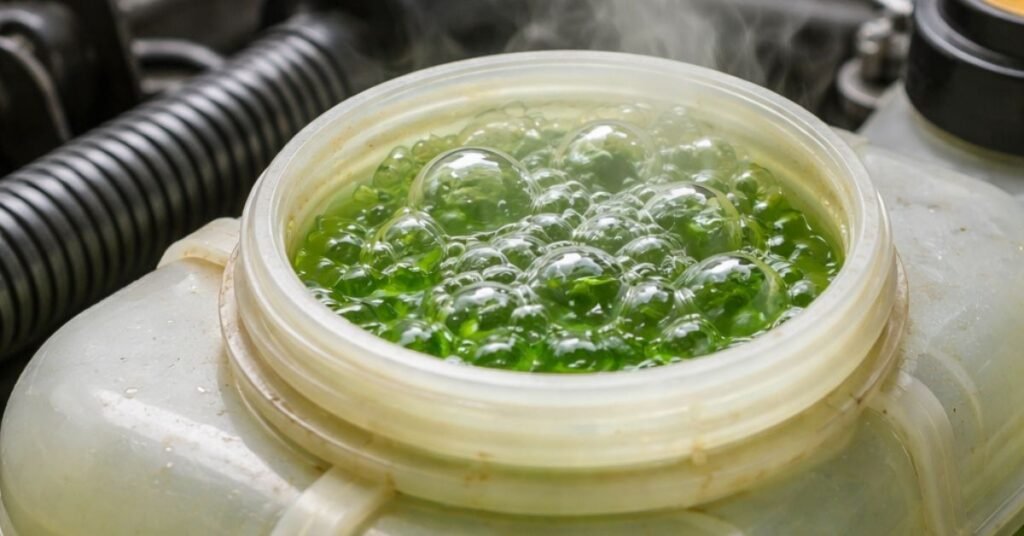
Bubbles in the coolant tank when the engine is hot are a common sign of a problem. When the engine heats up, the coolant expands. If there is a leak, air, or gas in the system, bubbles will form. This can happen due to a faulty radiator cap, trapped air, or a head gasket issue.
You may notice other signs along with the bubbles:
- Overheating engine
- Coolant level dropping quickly
- Steam coming from the radiator
- Foamy or frothy coolant
Checking the cooling system when the engine is hot can help find the cause. Fixing it early prevents serious engine damage and keeps your car running safely.
Normal Expansion vs Serious Cooling System Issues
Some bubbles in the coolant tank are normal. Coolant expands when the engine heats up. This can push small bubbles or foam into the tank. These are usually harmless and disappear when the engine cools down.
However, persistent or large bubbles can signal a serious cooling system issue. Problems like a blown head gasket, air pockets, or a faulty radiator cap need immediate attention. Ignoring them can cause engine overheating or damage.
| Feature | Normal Expansion | Serious Cooling System Issue |
| Bubble Size | Small, occasional | Large, constant |
| Occurrence | Only when engine is hot | Even at idle or after cooling |
| Coolant Color | Normal | Milky, foamy, or rusty |
| Engine Temperature | Normal after cooling | Stays high, overheats |
| Other Signs | None | Loss of power, white smoke, coolant leaks |
| Solution | No action needed | Immediate inspection and repair |
This table helps you quickly see the difference between normal coolant behavior and serious problems.
Is It Safe to Drive With Bubbles in a Coolant Tank?
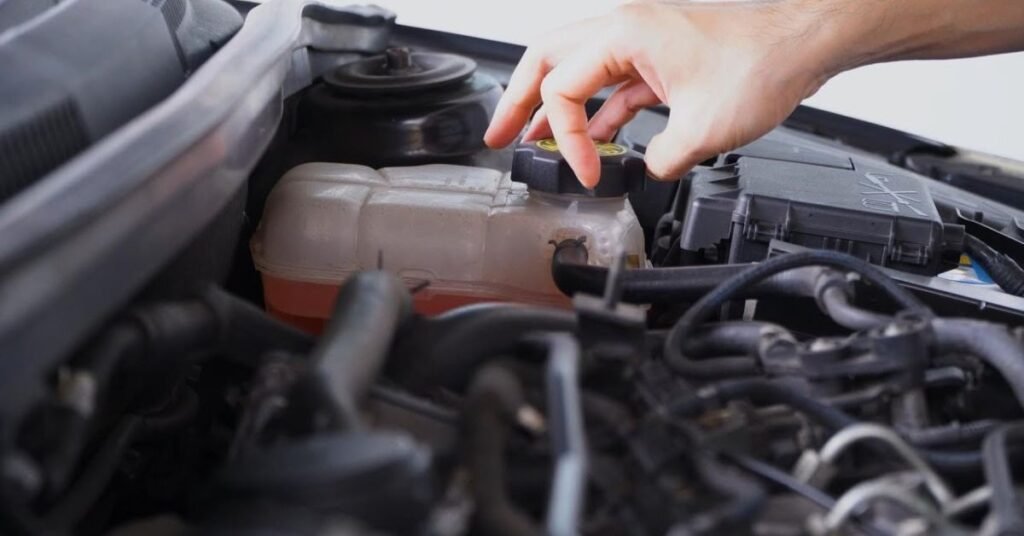
Driving with bubbles in the coolant tank is not always safe. Small bubbles from normal expansion are usually fine. But constant or large bubbles can mean serious issues, like a head gasket leak or overheating engine. Ignoring them can damage your engine quickly.
If you see persistent bubbles, it’s best to check the cooling system first. Watch for signs like overheating, coolant loss, or white smoke from the exhaust. Fixing the problem early keeps your car safe and prevents costly repairs.
When You Can Drive Safely
- Small bubbles that appear only when the engine is hot are usually normal.
- The coolant level is stable and does not drop quickly.
- The engine temperature stays within the normal range.
- There are no unusual noises like gurgling or hissing from the radiator.
- No white smoke or foamy coolant is present.
- The radiator cap and hoses are in good condition.
- You recently refilled or bled the cooling system properly.
These conditions usually mean it’s safe to drive, but always keep an eye on the coolant and temperature gauge.
When to Stop Driving Immediately
- Large or constant bubbles in the coolant tank, even when the engine is cool.
- Engine temperature rising quickly or the car overheating.
- White smoke coming from the exhaust or steam from under the hood.
- Milky or foamy coolant indicating oil contamination.
- Rapid drop in coolant level without visible leaks.
- Loss of engine power or unusual engine noises.
- Cracks or leaks in the radiator, hoses, or coolant tank.
Stopping immediately in these situations prevents serious engine damage and costly repairs.
How to Fix Bubbles in Coolant Tank
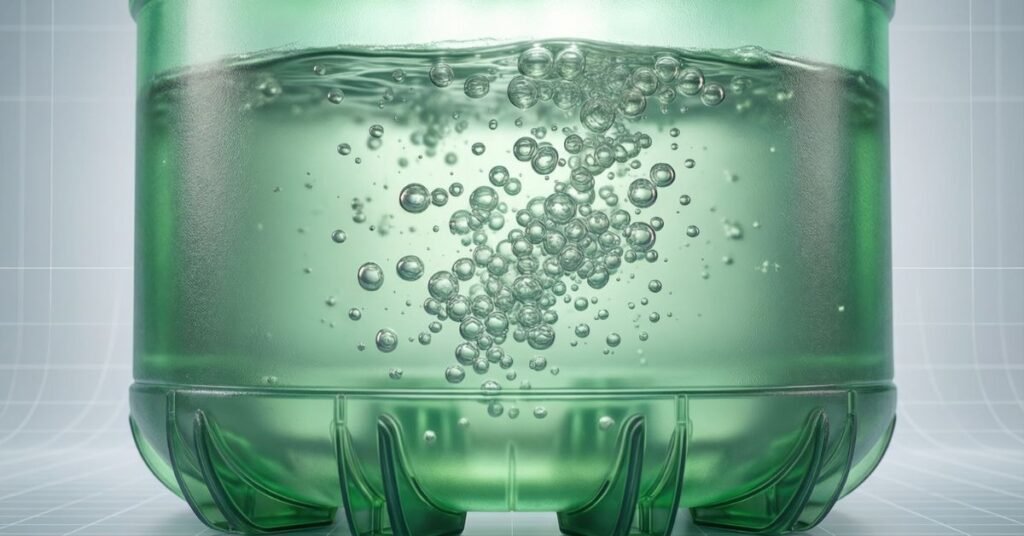
Fixing bubbles in the coolant tank depends on the cause. For small air pockets, bleeding the cooling system can remove trapped air. If the radiator cap is faulty, replacing it restores proper pressure. Keeping the coolant at the correct level also helps prevent bubbles.
For more serious problems, like a head gasket leak or cracks in the radiator, professional repair is needed. Regular coolant flushes and maintenance keep the system healthy. Always check hoses, the thermostat, and water pump to ensure smooth coolant flow. Catching problems early saves time and prevents engine damage.
How to Properly Bleed or Burp the Cooling System
- Make sure the engine is cool before starting.
- Remove the coolant reservoir or radiator cap carefully.
- Make sure the system is filled with the correct type of coolant.
- Make sure the engine is running at a normal temperature before starting it..
- Heater cores should be allowed to circulate coolant at maximum setting.
- Allow air bubbles to escape from the coolant tank when they appear.
- Replace the cap once there are no more bubbles in the coolant.
- Check hoses and connections for leaks during and after the process.
Proper bleeding ensures the coolant flows smoothly and prevents overheating or air pockets.
Replacing the Radiator Cap or Thermostat
- Make sure the engine is cool before touching the radiator or thermostat.
- Remove the old radiator cap carefully and inspect it for damage.
- Install a new radiator cap that matches your car’s pressure rating.
- To replace the thermostat, drain some coolant from the radiator first.
- Remove the thermostat housing and take out the old thermostat.
- Install the new thermostat in the correct position.
- Fill the cooling system with coolant and reattach the housing.
- Check for leaks and ensure the engine reaches normal temperature.
Replacing a faulty cap or thermostat restores proper pressure and coolant flow. This prevents bubbles, overheating, and other cooling system problems.
How to Diagnose the Real Cause of Coolant Bubbles
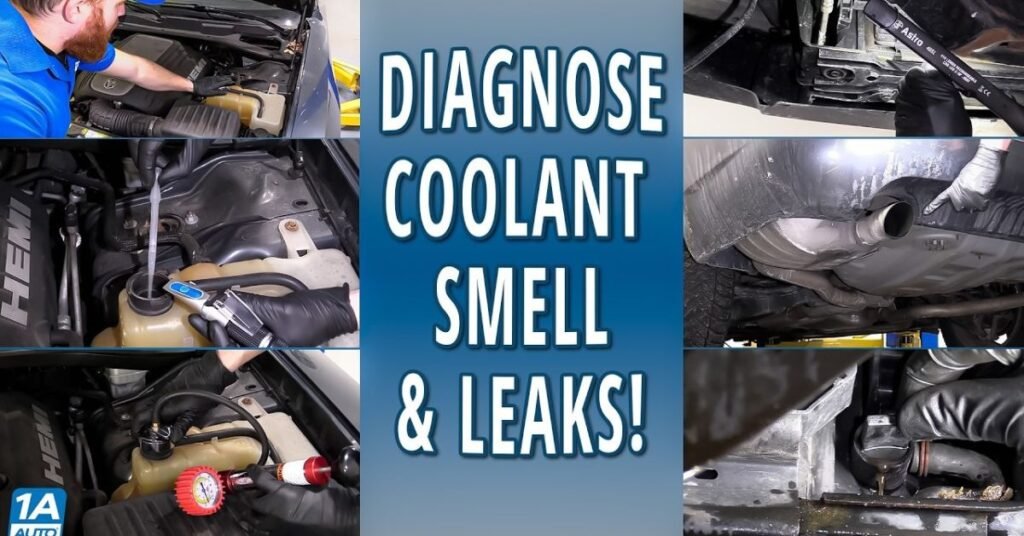
To find the real cause of coolant bubbles, start by checking the coolant level and condition. Look for foam, discoloration, or unusual smells. Inspect the radiator cap, hoses, and connections for leaks or damage. Small air bubbles may just be normal expansion, but constant bubbling needs closer attention.
Next, check for serious problems like a blown head gasket or cracks in the engine. Watch for white smoke, engine overheating, or loss of power. You can also perform a pressure test or coolant system test to find leaks or gas in the coolant. Diagnosing the problem correctly helps you fix it before it causes major engine damage.
Simple Tests to Check for Air or Head Gasket Failure
- Coolant Pressure Test – Pressurize the cooling system and check for drops in pressure indicating leaks.
- Exhaust Gas Test – Use a chemical tester to see if exhaust gases are present in the coolant.
- Visual Inspection – Look for milky or foamy coolant, which can indicate oil contamination.
- Engine Overheating Check – Monitor if the engine temperature rises quickly without warning.
- White Smoke Observation – Check the exhaust for white smoke, a sign of coolant burning in the engine.
- Compression Test – Test cylinder compression to find leaks between coolant and combustion chambers.
- Bubble Test While Running – Observe the coolant tank for persistent bubbles when the engine is hot.
These tests help identify whether bubbles are caused by trapped air or a serious head gasket problem.
Bubbles in Coolant Tank vs Coolant Boiling
Bubbles in the coolant tank are not always dangerous. Small bubbles can appear when the engine heats up, and this is normal. Coolant boiling, however, is serious. It happens when the engine overheats and the coolant reaches its boiling point. Boiling coolant can damage engine parts and cause a breakdown.
| Feature | Bubbles in Coolant Tank | Coolant Boiling |
| Cause | Air pockets, minor pressure changes | Engine overheating, low coolant, failed thermostat |
| Appearance | Small, occasional bubbles | Large, constant bubbles or foam |
| Engine Temperature | Normal or slightly high | Very high, overheating |
| Coolant Color | Normal | Milky, foamy, or discolored |
| Safety Risk | Low if occasional | High, can cause engine damage |
| Action Needed | Bleed system or check cap | Stop engine immediately and fix overheating issue |
This table helps you see the difference between harmless bubbles and dangerous coolant boiling. It shows when to act quickly to protect your engine.
When to See a Mechanic for Bubbles in Coolant Tank
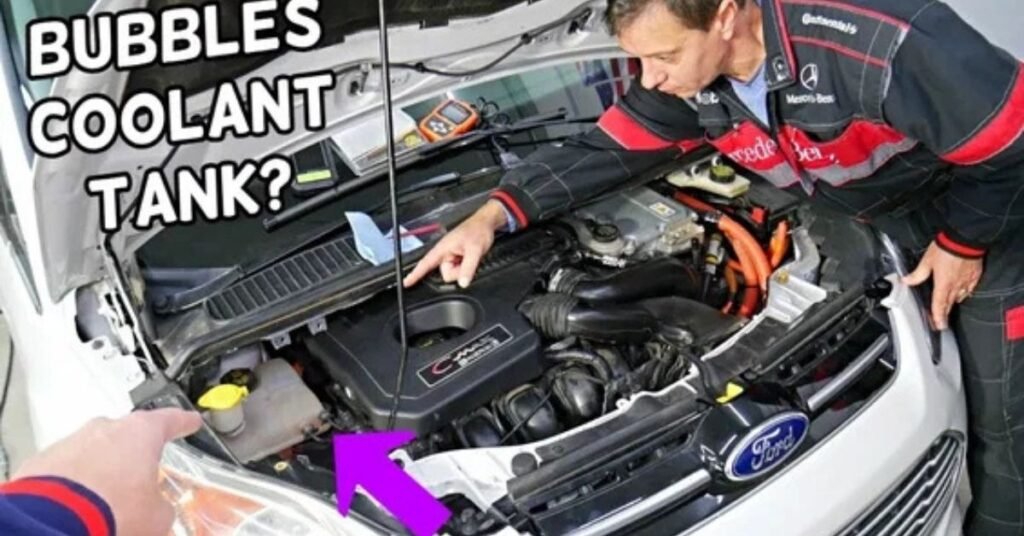
You should see a mechanic if bubbles in the coolant tank keep appearing or get worse. This can signal serious problems like a blown head gasket, a cracked radiator, or a failing water pump. Early inspection can prevent costly engine damage.
Signs that need a mechanic include:
- Large or constant bubbles in the coolant tank
- Engine overheating or sudden temperature spikes
- Milky or foamy coolant
- White smoke from the exhaust
- Rapid loss of coolant without visible leaks
- Loss of engine power or unusual noises
Getting professional help ensures the cooling system is fixed properly and your engine stays safe.
Conclusion
Bubbles in coolant tanks can be a small warning or a sign of a serious problem. Sometimes it’s just air pockets from normal engine operation. Other times, it can mean a blown head gasket, overheating, or a faulty radiator cap.
It’s important to check the coolant regularly and watch for signs like foamy coolant, overheating, or white smoke. Fixing the issue early can save your engine from damage. If the problem keeps happening, see a mechanic to find the real cause and keep your car safe.
FAQs
1. What do bubbles in the coolant tank mean?
Bubbles usually indicate air or gas in the cooling system. It can be normal or a sign of a problem like a head gasket leak.
2. Can I drive with bubbles in the coolant tank?
Small bubbles from normal expansion are usually safe. Persistent or large bubbles mean you should check the system before driving.
3. What causes bubbles in the coolant tank?
Common causes include trapped air, low coolant, a faulty radiator cap, or a blown head gasket. Each cause needs different attention.
4. How can I fix bubbles in the coolant tank?
Simple fixes include topping up coolant, bleeding the system, or replacing a faulty radiator cap. Serious issues like a head gasket need professional repair.
5. When should I see a mechanic for coolant bubbles?
See a mechanic if bubbles keep appearing, coolant is foamy, or the engine overheats. Early repair prevents major engine damage.
