

Introduction:
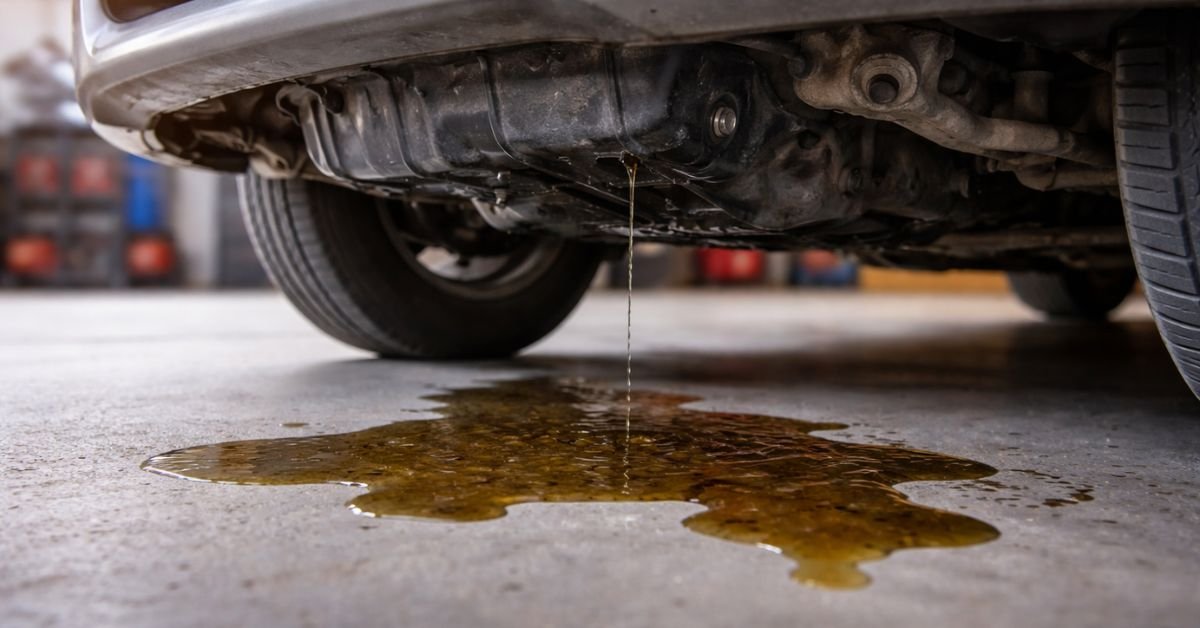
Seeing fluid under your car can be worrying. A bottom of car leaking fluid simply means that one of your vehicle’s important liquidslike oil, coolant, or transmission fluidis dripping onto the ground. These fluids help your car run smoothly, so any leak is a sign that something is not working properly and needs attention.
This is not something you should ignore. Even a small leak can turn into a big problem if it is left for too long. Many drivers only notice it when a stain appears in their driveway or parking spot. But by then, the issue may already be affecting your engine or other parts of the car.
In most cases, the leak comes from worn seals, damaged hoses, or loose parts under the engine. The good news is that many of these problems can be fixed quickly if you find them early. Understanding the cause is the first step to stopping further damage and avoiding expensive repairs.
Bottom of Car Leaking: What It Really Means
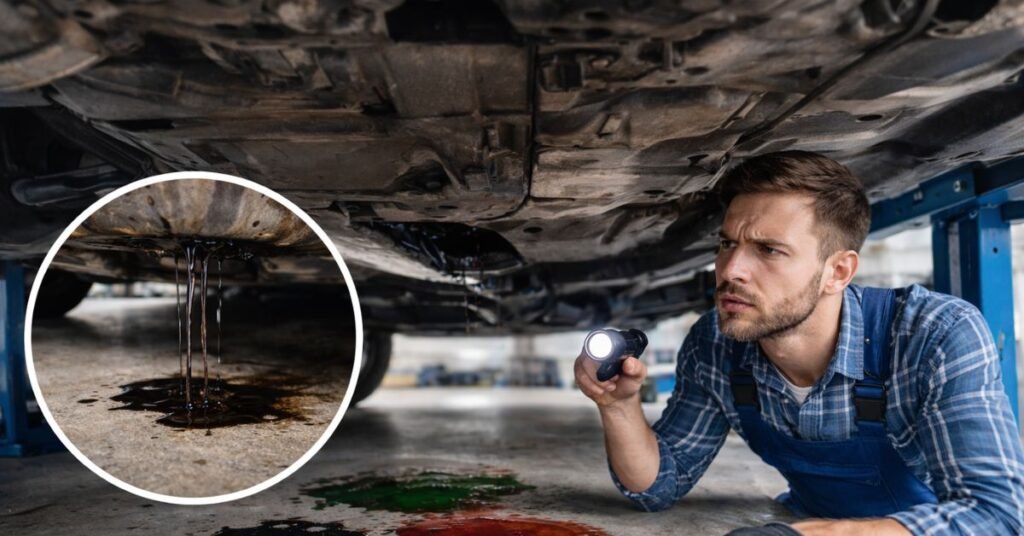
When you see the bottom of a car leaking, it means your car is losing fluid from underneath. This fluid can be engine oil, coolant, brake fluid, or transmission fluid. Each of these liquids has an important job in keeping your car running safely and smoothly. A leak is a clear sign that something is not working the way it should.
It also means your car needs attention soon. Even a small leak can lead to bigger damage if ignored. Sometimes it is caused by a loose hose or worn seal, but it can also be a sign of a serious issue. Checking the color and location of the leak can help you understand what is wrong before it gets worse.
Common Types of Fluids You Might See Under Your Car
- Engine oil: Dark brown or black, thick and slippery
- Coolant (antifreeze): Green, pink, or orange with a sweet smell
- Transmission fluid: Red or dark red, oily texture
- Brake fluid: Light yellow to brown, important for braking system
- Power steering fluid: Reddish or amber, smooth and oily
- Water (AC condensation): Clear and harmless, usually normal in hot weather
How to Identify the Leak by Color and Texture
You can often understand a car leak just by looking at its color and feeling its texture. Different fluids come from different parts of the car, and each one has a unique look. Checking these details helps you quickly guess what is leaking and how serious it might be.
A simple way to identify the problem is by comparing the fluid’s color and feel.
| Fluid Type | Color Range | Texture / Feel | Meaning |
| Engine oil | Dark brown or black | Thick and slippery | Possible engine leak |
| Coolant | Green, pink, or orange | Watery and smooth | Cooling system issue |
| Transmission fluid | Red or dark red | Slightly oily | Transmission problem |
| Brake fluid | Light yellow to brown | Thin and oily | Brake system warning |
| Water (AC) | Clear | Very thin | Normal condensation |
Why Is the Bottom of My Car Leaking Fluid?
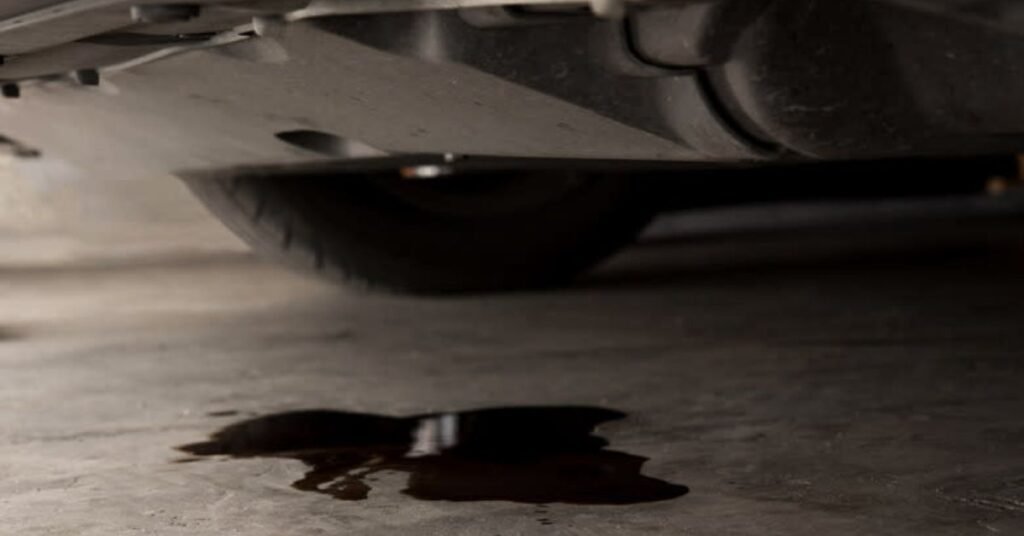
A car can leak fluid from the bottom for many different reasons. Most of the time, it happens when a part becomes old, loose, or damaged. These fluids are important for your car’s engine, brakes, and cooling system, so even a small leak should not be ignored.
Here are some common causes of leaks:
- Worn engine seals or gaskets
- Cracked or loose radiator hoses
- Damaged oil pan or drain plug
- Transmission system wear or failure
- Brake line or fluid reservoir issues
Engine Oil Leaks from Gaskets and Seals
- Engine oil leaks usually happen when gaskets become old or damaged
- Seals can wear out over time and start to crack
- Oil may drip from the engine area onto the ground
- Common signs include burning smell or dark spots under the car
Coolant Leaks from Radiator or Hoses
- Coolant leaks often come from cracked radiator or loose hoses
- Hoses can become weak due to heat and pressure
- You may see green, pink, or orange fluid under the car
- Engine may start overheating if coolant level gets low
Transmission Fluid and Brake Fluid Leaks Explained
- Transmission fluid leaks usually come from worn seals or pan damage
- Fluid is red or dark red and feels slippery
- Brake fluid leaks are serious and affect braking power
- Brake leaks often come from damaged lines or master cylinder
- Overfilled or spilled fluids during servicing
Is the Bottom of a Car Leaking Dangerous?
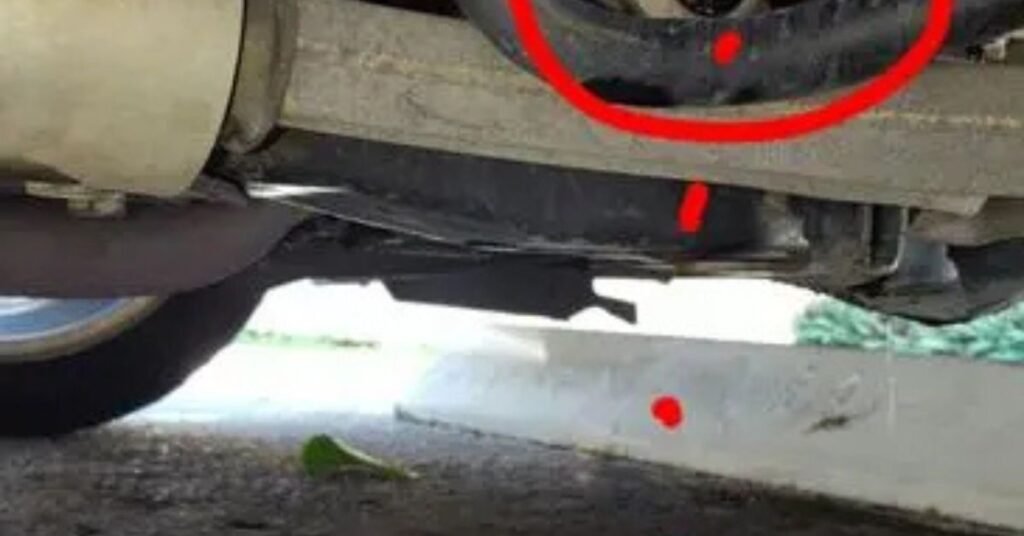
Yes, the bottom of a car leaking can be dangerous depending on the type of fluid and how much is leaking. Some leaks are small and not urgent, but others can quickly lead to serious damage. Fluids like engine oil, coolant, and brake fluid are very important for safe driving, so losing them can put your car at risk.
If the leak is ignored, it can cause bigger problems over time. The engine may overheat, brakes may become weak, or the car may stop working completely. That is why it is important to check the leak early and find out what is causing it before it becomes a costly repair or safety issue.
When You Should Stop Driving Immediately
- Large puddle of fluid under the car
- Rapid fluid leak while parked or driving
- Engine overheating warning appears
- Brake pedal feels soft or unresponsive
- Burning smell from engine area
- Sudden loss of power while driving
Warning Signs of Serious Mechanical Damage
- Oil pressure warning light on dashboard
- Temperature gauge rising too high
- Loud knocking or grinding noises
- Smoke coming from engine or under car
- Steering becomes hard or unstable
- Car vibrates or shakes unusually
How to Find the Exact Source of the Leak
- Park your car on a flat and clean surface
- Place cardboard under the car to catch drips
- Check the color of the leaking fluid
- Look under the engine, radiator, and transmission area
- Inspect hoses, seals, and drain plugs for damage
- Start the car briefly and observe where the drip begins
- Use a flashlight to see hidden leak spots clearly
Simple DIY Inspection Steps at Home
- Turn off your car and park it on a flat surface
- Wait until the engine cools down completely
- Place a clean cardboard or paper under the car
- Check the ground for fresh fluid spots after a few hours
- Look under the engine for visible wet areas
- Use a flashlight to inspect hard-to-see parts
- Check oil, coolant, and brake fluid levels carefully
Using Cardboard Test to Track Fluid Drips
The cardboard test is a very simple way to find out where a car leak is coming from. You just place a clean piece of cardboard under your parked car and leave it for a few hours. This helps you see exactly where the fluid is dropping without any confusion from the ground or dirt.
After some time, check the spots on the cardboard. The location of the drip can give you a clue about the problem area. If the stain is near the front, it may be engine or coolant related. If it is in the middle or back, it could be transmission or brake fluid. Also check the color and texture of the spot to understand the leak better.
Cost to Fix Bottom of Car Leaking Issues in the USA
Fixing a bottom of car leaking problem in the USA can vary a lot depending on what fluid is leaking and how serious the issue is. Simple fixes like replacing a hose or tightening a clamp are usually much cheaper than major repairs that require removing big parts like the transmission or engine components. Knowing typical repair costs can help you plan and avoid surprise bills.
Here’s a general idea of how much different leak repairs might cost:
| Type of Leak | Typical Repair Cost (USA) | Notes |
| Engine oil leak | $150 – $1,000+ | Simple gasket fixes are cheaper; major engine leaks cost more) |
| Coolant leak | $100 – $2,500+ | Small hose fixes are low cost; head gasket or radiator jobs are higher |
| Transmission fluid leak | $150 – $2,000+ | Pan gasket/line fixes cheaper; seal or rebuild much higher |
| Diagnosis fee | $50 – $150 | Most shops charge a fee just to find the leak source |
Keep in mind these are rough estimates. The final cost depends on your car’s make, model, and the exact cause of the leak. Getting a professional diagnosis early can help you avoid bigger repair bills later.
Average Repair Costs for Common Fluid Leaks
Fixing a bottom of car leaking issue can cost different amounts depending on which fluid is leaking and how bad the leak is. For example, repairing an engine oil leak in the U.S. typically runs around $600 to $1,000 on average, and you may pay about $100 just for diagnosis before the actual repair starts.
Coolant leaks often cost less for simple fixes, with many drivers paying around $150 to $400 for basic repairs, though major issues like head gasket problems can go much higher.Transmission fluid leaks vary widely too minor fixes may be $150 to $400, while more serious repairs can exceed $1,000 depending on what part is leaking. These costs are general averages and can change based on your car model, location, and how early you catch the leak.
Cheap Fixes vs Expensive Repairs Explained
- Tightening loose hoses or clamps
- Replacing a small worn gasket or seal
- Fixing a minor oil or coolant leak
- Adding or topping up low fluid levels (temporary fix)
- Cleaning and checking leak source early
Expensive Repairs Explained
- Replacing head gasket or major engine parts
- Repairing or rebuilding transmission system
- Fixing brake line or master cylinder damage
- Replacing radiator or major cooling system parts
- Labor-heavy repairs that require engine disassembly
Can You Drive With a Bottom of Car Leak?
It depends on the type and size of the leak. A small leak, like a little water from the AC, is usually not a problem. But if the fluid is engine oil, coolant, brake fluid, or transmission fluid, it can be serious. These fluids are very important for your car’s safety and performance.
Driving with a leaking car for too long can make the problem worse. It can lead to engine damage, overheating, or even brake failure. If you notice a growing puddle or warning lights on the dashboard, it is better to stop driving and get your car checked as soon as possible.
Short-Term vs Long-Term Risks
- Engine damage from running without enough oil
- Complete brake failure in severe fluid loss
- Transmission failure due to low fluid level
- Expensive repairs or full part replacement
- Car breakdown in middle of driving
- Long-term safety risk for driver and passengers
How to Fix or Prevent Bottom of Car Leaks
- Check your car regularly for any fluid spots under it
- Fix small leaks early before they become big problems
- Replace old or worn gaskets and seals
- Tighten loose hoses, clamps, and drain plugs
- Keep engine oil, coolant, and brake fluid at proper levels
- Get your car serviced on time at a trusted mechanic
- Inspect radiator, hoses, and engine parts for cracks
- Use proper quality fluids recommended for your car
Regular Maintenance Tips to Avoid Future Leaks
- Check under your car for leaks every few days
- Change engine oil on time as per schedule
- Inspect hoses and belts for cracks or wear
- Keep coolant and other fluids at proper levels
- Replace old gaskets and seals early
- Avoid overfilling engine oil or coolant
- Get regular car servicing from a trusted shop
When to Visit a Mechanic
- Large or fast-growing fluid leak under the car
- Engine overheating or warning light on
- Brake fluid leak or weak brake pedal
- Strong burning smell or smoke from engine area
- Unknown fluid that you cannot identify
- Car performance suddenly becomes poor or unstable
Conclusion
The bottomof a car leaking is something you should never ignore. It may look like a small issue at first, but it often points to a problem inside important systems like the engine, cooling, brakes, or transmission. Each fluid has a specific job, and losing even a little can affect how safely and smoothly your car runs. That is why identifying the leak early is very important.
In most cases, early checking and simple maintenance can prevent bigger damage. Small issues like loose hoses or worn seals are easy to fix if caught on time. But if you delay, the repair cost can become high and the damage can become serious. Always observe the color, location, and amount of the leak, and visit a mechanic when needed. Taking quick action will keep your car safe, reliable, and long-lasting.
FAQs
1. Why is my car leaking from the bottom?
A car usually leaks from the bottom due to worn seals, damaged hoses, or loose parts. It can also be engine oil, coolant, brake fluid, or transmission fluid escaping from its system.
2. Is the bottom of the car leaking seriously?
Yes, it can be serious depending on the fluid. Engine oil, brake fluid, and coolant leaks can quickly damage the engine or affect braking and safety if not fixed early.
3. Can I drive my car if it is leaking fluid?
Small leaks like water from AC are usually safe, but oil, brake, or coolant leaks are risky. Driving in such cases can cause breakdown or expensive damage.
4. How do I know what fluid is leaking under my car?
You can check the color and texture. Oil is dark and thick, coolant is colored and watery, and brake fluid is light yellow or brown. This helps identify the issue.
5. How much does it cost to fix the bottom of a car leak?
The cost depends on the problem. Small repairs may cost $100–$400, while serious issues like engine or transmission leaks can go over $1,000 in the USA.
