


Introduction:
Blue and green coolant are liquids used to keep your car engine cool. They help control engine temperature and prevent overheating. These coolants also protect engine parts from rust and corrosion. Each color usually represents a different chemical formula.
Many drivers think coolant color does not matter. This is a common mistake. Using the wrong coolant can damage your engine over time. Knowing the difference between blue and green coolant can save you money and avoid serious engine problems.
Blue vs green coolant is not just about color. They differ in additives, lifespan, and vehicle compatibility. Some cars are designed for blue coolant, while others need green. Understanding these key differences helps you choose the right coolant for your car and keep your engine running smoothly.
Blue vs Green Coolant . What’s the Real Difference?
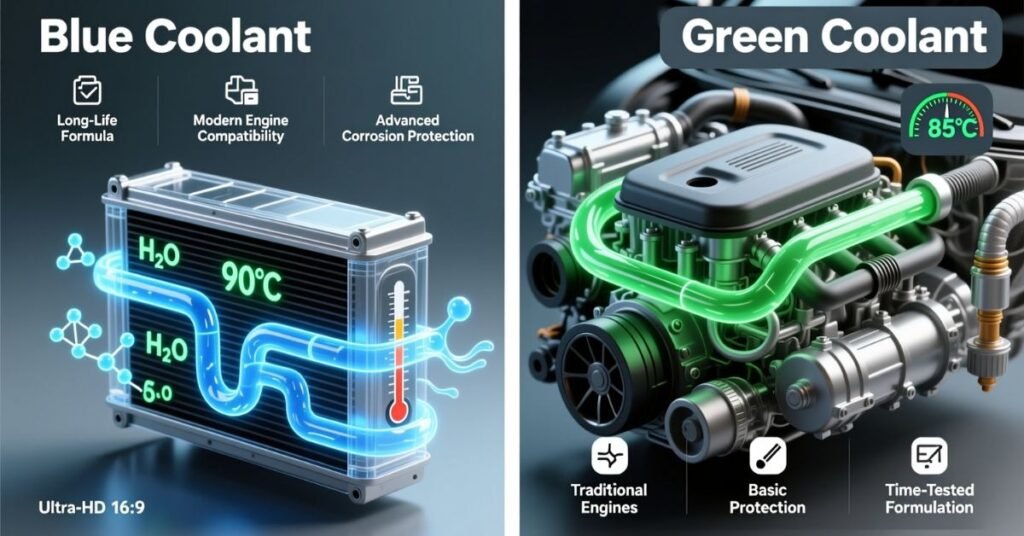
Blue and green coolant may look similar, but they work differently. Blue coolant is made with newer technology and lasts longer. It protects the engine better from rust and heat. Green coolant uses an older formula and breaks down faster.
Another real difference is how often they need changing. Blue coolant can last many years before replacement. Green coolant usually needs more frequent service. Using the correct coolant helps your engine stay cool and run smoothly.
Why Do Coolants Come in Different Colors?
Coolants come in different colors to help identify their type. The color often shows the kind of additives used inside the coolant. These additives protect the engine from rust and overheating. Color also helps mechanics avoid mixing the wrong coolants.
Different colors also match different car designs. Some engines are made for specific coolant formulas. Using the wrong color can reduce protection and cause damage. That is why knowing coolant color is important for engine safety.
What Does Blue Coolant Mean?
Blue coolant usually means a modern coolant formula. It is designed for newer engines and advanced cooling systems. This type of coolant offers strong protection against rust and corrosion. It also helps control engine temperature more efficiently.
Blue coolant often lasts longer than traditional green coolant. It does not need frequent replacement. Many Asian and European vehicles recommend blue coolant. Always check your car manual before using it.
Properties and Uses of Blue Coolant
Blue coolant has special additives that protect the engine. It resists rust, corrosion, and scale buildup. This coolant works well at high and low temperatures. It helps keep the engine running at a steady heat level.
Blue coolant is mainly used in newer vehicles. Many modern cars are designed to work best with it. It is also used in engines with aluminum parts. Using blue coolant helps improve engine life and performance.
What Does Green Coolant Mean?
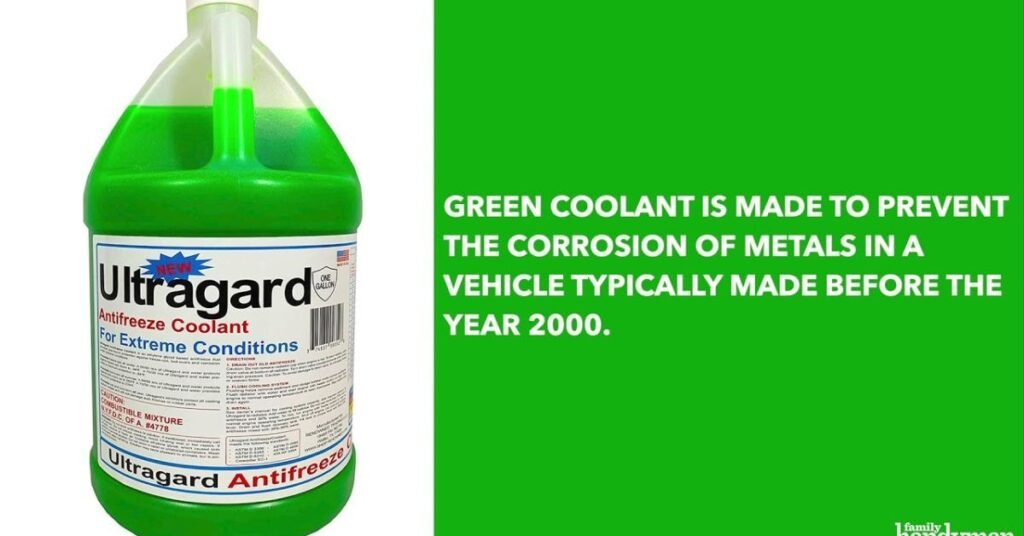
Green coolant is an older type of engine coolant. It uses traditional additives to protect the engine from rust and overheating. This coolant works well in many older cars. However, it usually needs to be replaced more often than blue coolant.
Green coolant is often recommended for older vehicles. It is safe for engines that were designed for its formula. Using green coolant in the wrong engine can reduce protection. Always check your car manual before choosing it.
Properties and Uses of Green Coolant
Green coolant has basic additives that prevent rust and corrosion. It works well to keep the engine at a safe temperature. However, it breaks down faster than modern coolants.It is therefore necessary to change it more frequently.
Green coolant is mainly used in older cars. It is compatible with engines designed for its formula. It helps protect metal parts and keeps the cooling system working properly. Using it correctly can prevent engine problems over time.
Blue vs Green Coolant . Performance Comparison
Blue coolant generally performs better than green coolant. It lasts longer and protects the engine from rust and corrosion more effectively. High and low temperatures are also no problem for it.This makes it ideal for modern engines.
Green coolant works fine but has a shorter lifespan. It needs more frequent replacement to keep the engine safe. Its protection is not as strong as blue coolant. Choosing the right coolant helps the engine run smoothly and avoids damage.
Cooling Efficiency and Engine Protection
Coolant helps keep the engine temperature steady. Blue and green coolants both prevent overheating. Blue coolant works better in extreme temperatures. It protects engine parts from rust and corrosion for a longer time.
Green coolant also protects the engine but not as effectively. It may need frequent replacement to maintain efficiency. Using the right coolant ensures the engine runs smoothly. It also helps avoid costly repairs and extends engine life.
Can You Mix Blue and Green Coolant?
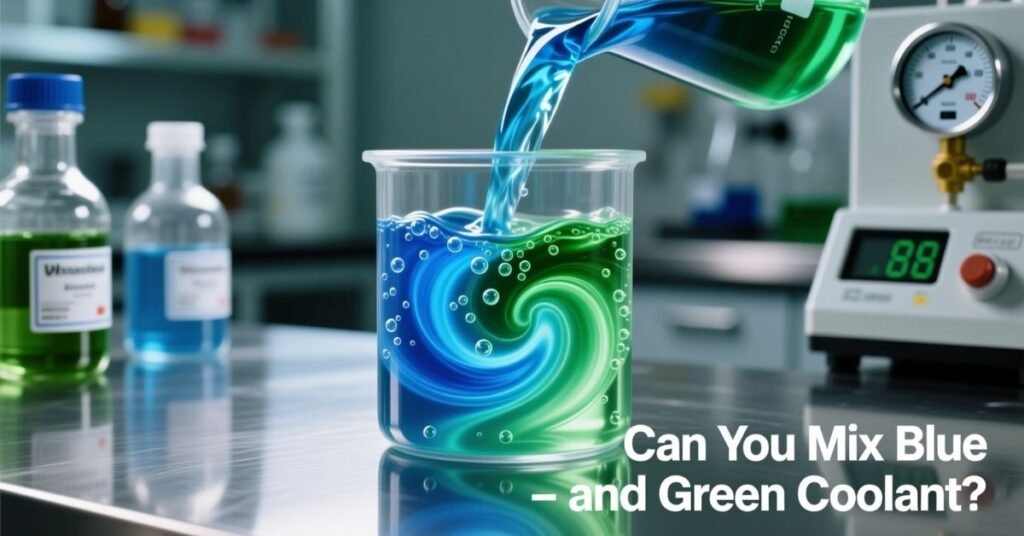
Mixing blue and green coolant is not recommended. They have different chemical formulas. Combining them can reduce engine protection. It may also cause rust, corrosion, or clogging in the cooling system.
If you ever face this situation, here are some tips:
- Always check your car manual for the correct coolant type.
- If mixing happens accidentally, flush the cooling system before adding the correct coolant.
- Using the right coolant type ensures better engine performance and longer life.
Risks of Mixing Different Coolant Colors
Mixing different coolant colors can harm your engine. The chemicals may react and lose their protective power. This can lead to rust, corrosion, or overheating. Your cooling system may also get clogged over time.
Here are some risks to keep in mind:
- Reduced engine protection and performance.
- Shorter lifespan of the coolant.
- Potential damage to metal parts and hoses.
- Costly repairs due to overheating or corrosion.
It is always best to use the coolant color recommended by your car manufacturer.
Which Is Better for Your Car Blue or Green Coolant?
Choosing the right coolant depends on your car type and engine. Blue coolant is better for most modern cars. It lasts longer and protects the engine from rust and overheating. Green coolant works well in older cars but needs more frequent replacement.
In order to assist you in making a decision, here is a comparison table:
| Feature | Blue Coolant | Green Coolant |
| Formula | Modern additives | Traditional additives |
| Lifespan | Long-lasting (up to 5 years) | Shorter lifespan (2-3 years) |
| Engine Protection | Excellent against rust and corrosion | Good but weaker than blue |
| Temperature Resistance | High and low temperatures | Moderate temperatures |
| Vehicle Compatibility | Newer cars, Asian & European models | Older cars, classic models |
| Replacement Frequency | Less frequent | More frequent |
| Cost | Slightly higher | Usually lower |
Choosing the right coolant keeps your engine safe and efficient. Always follow your car manufacturer’s recommendation.
Common Mistakes to Avoid When Choosing Coolant
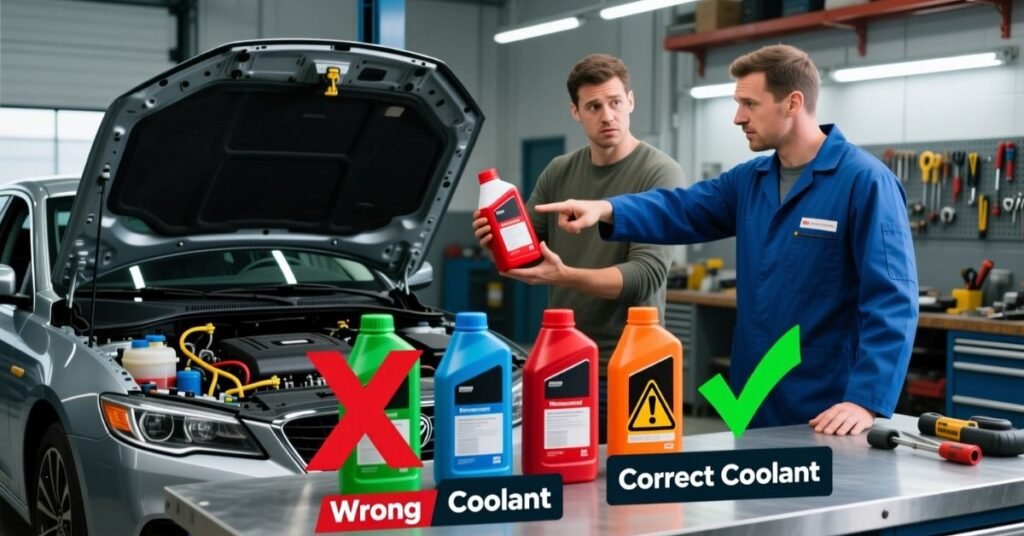
Many people pick coolant just by its color. This is a common mistake. Not all blue or green coolants are the same. The engine and cooling system can be damaged if the wrong type is used..
Other mistakes to avoid include:
- Mixing different coolant colors.
- Not checking the car manual for the recommended type.
- Forgetting to replace old coolant on time.
Choosing the right coolant and following proper maintenance keeps your engine safe and running smoothly.
Conclusion
Choosing the right coolant is very important for your car. Blue vs green coolant may look similar, but they work differently. Blue coolant lasts longer and protects modern engines better. Green coolant is suitable for older cars but needs more frequent replacement.
Always check your car manual before adding coolant. Avoid mixing colors and follow maintenance schedules. Understanding blue vs green coolant helps keep your engine safe. Using the correct type saves money and prevents engine problems.
FAQs
- What is the main difference between blue and green coolant?
Blue coolant uses modern additives and lasts longer, while green coolant is an older formula that needs frequent replacement. - Can I use green coolant in a car designed for blue coolant?
No, using the wrong type can reduce engine protection and may cause damage over time. - Can blue and green coolant be mixed safely?
No, mixing them can cause chemical reactions that reduce protection and may clog the cooling system. - Which coolant is better for modern cars?
Blue coolant is generally better for modern engines because it offers stronger protection and longer lifespan. - How often should I replace blue or green coolant?
Blue coolant lasts longer, usually up to 5 years, while green coolant typically needs replacement every 2–3 years.
