

Introduction:
Blue Antifreeze vs Green: Key Differences ExplainedBlue and green antifreeze are liquids used to keep a car engine cool. They also protect the engine from rust and freezing. Both flow through the cooling system and control engine temperature. Even though they look similar, they are made differently and work in different ways.
Many drivers think the color is just for looks. That is not true. Using the wrong antifreeze can damage seals, hoses, and the radiator. Mixing blue and green antifreeze can also cause serious cooling problems. This is why knowing the difference really matters.
Blue antifreeze is often designed for modern engines and longer service life. Green antifreeze is more common in older vehicles and needs frequent replacement. In this guide, we will clearly explain how they compare, when to use each one, and which option is safer for your car.
Blue Antifreeze vs Green: What’s the Real Difference?
The real difference between blue and green antifreeze is how they protect the engine. Blue antifreeze is usually made for newer cars. It lasts longer and offers better protection against corrosion. Green antifreeze is an older formula.The system works well, but it should be changed more often.
Another key difference is compatibility. Blue antifreeze is often designed for specific engine types. Green antifreeze is more universal but less advanced. Mixing the two is not recommended because it can reduce cooling performance. Choosing the right one helps keep your engine safe and running smoothly.
What Is Antifreeze and Why Color Matters
Antifreeze is a liquid that protects your car’s engine. It controls engine temperature in hot and cold weather. In winter, it stops the coolant from freezing. In summer, it helps prevent overheating. Antifreeze also protects metal parts from rust and corrosion. Without it, the engine can suffer serious damage.
The color of antifreeze is important for a reason. Different colors usually mean different chemical formulas. These formulas are made for specific engines. Mixing the wrong colors can reduce protection. It can even clog the cooling system. Always check your car manual before choosing antifreeze.
Why antifreeze color matters:
- Different colors use different additives
- Each type suits certain engine materials
- Mixing colors can cause sludge or damage
- Correct color improves engine life and cooling performance
Using the right antifreeze color keeps your engine safe. You will also be able to avoid costly repairs in the future.
Blue Antifreeze vs Green: Key Differences Explained
Blue and green antifreeze are not the same. They use different chemical formulas. Blue antifreeze usually contains modern additives. It is often designed for newer engines. Green antifreeze uses older technology. It is commonly found in older vehicles. Both help control engine temperature. But their cooling performance can vary by engine type and climate.
Blue antifreeze offers stronger corrosion protection. It protects aluminum and mixed metal engines better. Green antifreeze still works well but needs more frequent changes. Compatibility also matters. Blue antifreeze suits many modern engines. Green antifreeze is safer for older engines with traditional parts.Avoid engine damage by following the manufacturer’s recommendations.
Which Antifreeze Color Is Right for Your Car?
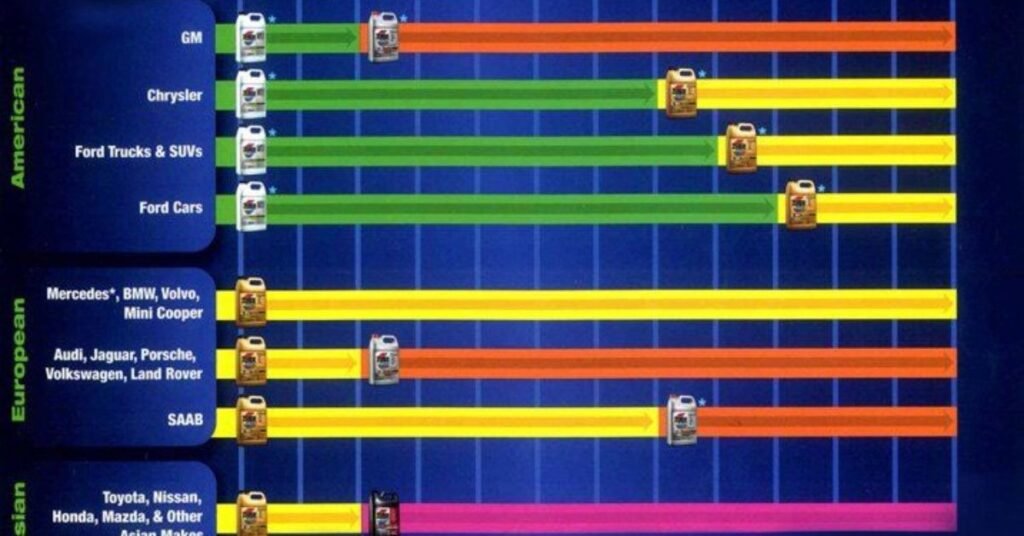
Choosing the right antifreeze color is important. Not all colors work in every car. Your car manual usually tells you the correct type. Using the wrong color can damage the engine. It may cause corrosion or clog the cooling system. Always check before adding antifreeze.
Different colors suit different engines. Blue and orange are common in modern cars. Green is often used in older vehicles. Some cars require specific formulas like pink or red. Stick to the recommended color to keep your engine safe. Regularly check the coolant level to avoid problems.
Is Blue Antifreeze Better for Modern Vehicles?
Yes, blue antifreeze is usually better for modern vehicles. It has advanced additives that protect aluminum and mixed-metal engines. It also lasts longer than older types. Modern cars often need this type to prevent corrosion and overheating.Make sure you check your car’s manual before making any changes.
Is Green Antifreeze Safe for Older Engines?
Green antifreeze is safe for older engines. It uses traditional chemicals that work well with older metals. Changes should be made more frequently, however.. It may not protect modern engines properly. Always use the type recommended by the manufacturer.
Can You Mix Blue and Green Antifreeze?
Mixing blue and green antifreeze is not recommended. Different chemicals can react and form sludge. This can block the cooling system and reduce protection. If needed, always flush the system before switching colors. Using the correct antifreeze type keeps your engine safe and running smoothly.
What Happens If You Use the Wrong Antifreeze Color?
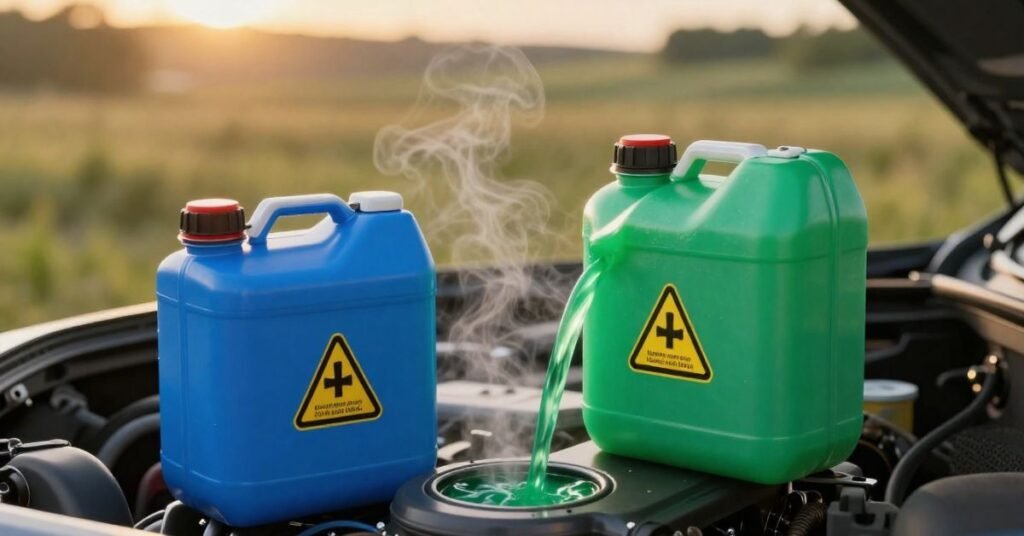
Your engine can be damaged if you use the wrong antifreeze color.. Different colors have different chemicals. Mixing them can cause sludge or clogs in the cooling system. This reduces cooling efficiency and can lead to overheating. Engine parts may corrode faster.
The wrong antifreeze can also shorten the life of your coolant. It may not protect against rust or freezing properly. In some cases, it can void your car’s warranty. Always check your car manual before adding antifreeze. Using the right color keeps your engine safe and running smoothly.
How to Identify the Correct Antifreeze for Your Vehicle
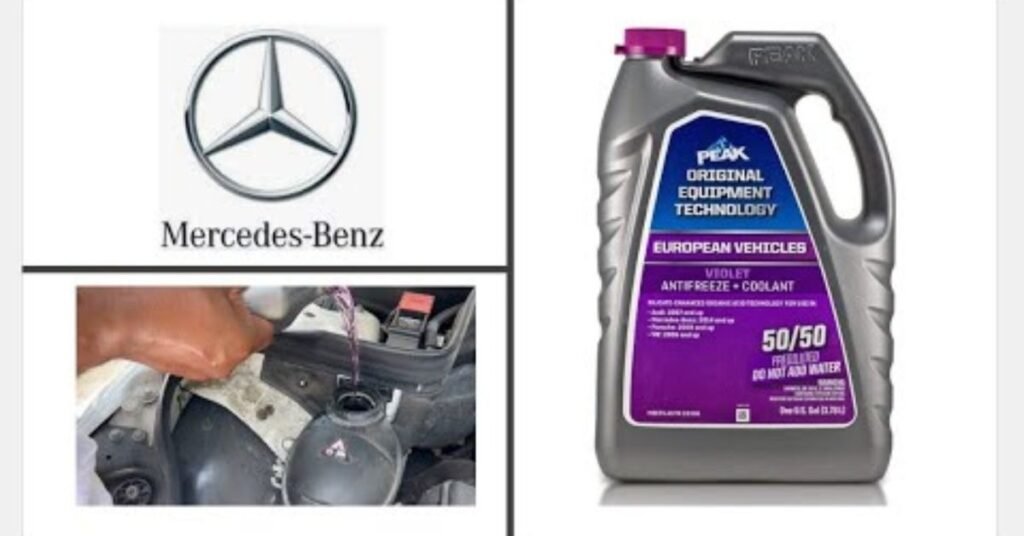
Finding the correct antifreeze for your car is easy if you follow a few steps. First, check your car’s owner manual. It will tell you the recommended type and color. Second, look at your existing coolant. Some cars already have a specific color in the system. Third, consider the engine material. Aluminum, iron, or mixed metals may need different antifreeze formulas.
You can also use a table to quickly compare antifreeze types and their suitability:
| Antifreeze Color | Engine Type | Protection | Recommended For | Change Interval | Notes |
| Blue | Modern aluminum & mixed-metal | Strong corrosion & rust protection | Newer cars (European & Asian) | 5 years / 150,000 km | Use only compatible with OEM specs |
| Green | Older metal engines | Standard corrosion protection | Older vehicles (pre-2000s) | 2-3 years / 50,000 km | Traditional formula, shorter lifespan |
| Orange | Modern vehicles | Advanced long-life formula | GM and some European cars | 5 years / 150,000 km | Check manufacturer specs |
| Pink / Red | Hybrid & modern engines | Extended life & corrosion protection | Some Japanese & European models | 5 years / 150,000 km | Do not mix with green or blue |
| Yellow | Heavy-duty / trucks | Strong corrosion & freeze protection | Some trucks & commercial vehicles | 4-5 years / 120,000 km | OEM recommended only |
Following these steps ensures you use the right antifreeze. It protects your engine and avoids costly damage. Always stick to the manufacturer’s recommendation for color and type.
How Often Should You Change Engine Coolant?
Engine coolant should be changed regularly. Most car manufacturers recommend every 2–5 years or 30,000–150,000 km. Old coolant loses its ability to protect the engine. It can cause corrosion, overheating, and leaks. Always check your car manual for the correct interval. Regular coolant changes keep the engine healthy and running smoothly.
Can You Use Water Instead of Antifreeze?
Water alone is not safe for your engine. It can freeze in winter and overheat in summer. It also does not prevent rust or corrosion. Antifreeze mixed with water protects the engine better. Only use water in emergencies and top up with proper coolant as soon as possible.
Common Antifreeze Mistakes Drivers Make
Drivers often make mistakes that damage the cooling system. Mixing incompatible antifreeze colors is common. Skipping regular coolant changes is another. Using plain water instead of coolant can also harm the engine. Overfilling or underfilling the reservoir is risky.
Here’s a helpful table for quick reference:
| Mistake | Why It’s Harmful | How to Avoid |
| Mixing colors | Causes sludge, clogs, and corrosion | Always flush system before switching types |
| Not changing coolant | Old coolant loses protection | Follow manufacturer’s recommended interval |
| Using water only | Can freeze or overheat engine | Use correct antifreeze mix (usually 50/50) |
| Overfilling coolant | Can increase pressure and leaks | Fill to the recommended level only |
| Underfilling coolant | Engine can overheat | Keep at proper level, check regularly |
| Ignoring leaks | Loss of coolant can damage engine | Fix leaks immediately |
Avoiding these mistakes keeps your engine safe. Regular checks and proper antifreeze use extend engine life.
Blue Antifreeze vs Green: Which One Should You Choose?
Choosing between blue and green antifreeze depends on your car. Blue antifreeze is best for modern engines. It protects aluminum and mixed-metal parts. It also lasts longer and offers stronger corrosion protection. Most new cars recommend blue or other long-life antifreeze.
Green antifreeze works well for older vehicles. It uses traditional formulas that suit older metals. It needs more frequent changes but still protects the engine. Never mix blue and green. Always follow your car manual for the right color. Using the correct antifreeze keeps your engine safe and running smoothly.
Conclusion
Your car depends on the type of coolant you use.. Blue antifreeze vs green depends on your vehicle type. Blue is best for modern engines with aluminum and mixed metals. Green works well for older cars with traditional parts. Using the correct type keeps your engine safe.
Never mix different colors. Always follow your car manual for the recommended antifreeze. Regular checks and timely changes prevent corrosion and overheating. Understanding blue antifreeze vs green helps you protect your engine and avoid costly repairs.
FAQs:
1. What is the main difference between blue and green antifreeze?
Blue antifreeze uses modern additives for aluminum engines, while green antifreeze uses older formulas for traditional engines.
2. Can I mix blue antifreeze with green?
No, mixing them can cause sludge and damage the cooling system.
3. Which antifreeze lasts longer, blue or green?
Blue antifreeze generally lasts longer, often 5 years or 150,000 km, while green lasts 2–3 years.
4. Is green antifreeze safe for modern engines?
Green antifreeze is not recommended for most modern engines as it may not protect aluminum parts effectively.
5. How do I choose between blue antifreeze vs green?
Check your car manual and engine type; modern cars usually need blue, older cars can use green.
