

Introduction:
A blown head gasket oil problem happens when the engine’s head gasket fails and lets oil mix with coolant. The head gasket seals the engine block and cylinder head. It keeps oil, coolant, and combustion gases in separate paths. When it breaks, these fluids can mix and cause serious engine damage.
This issue is more common than many drivers think. You may notice milky oil, engine overheating, or strange smoke from the exhaust.These signs can lead to costly repairs if ignored.That’s why it is important to understand what your engine is trying to tell you.
In this guide, you will learn the key signs, causes, and fixes for blown head gasket oil problems. We will also explain how to spot early warning signs and prevent major engine failure
What Happens to Oil in a Blown Head Gasket?
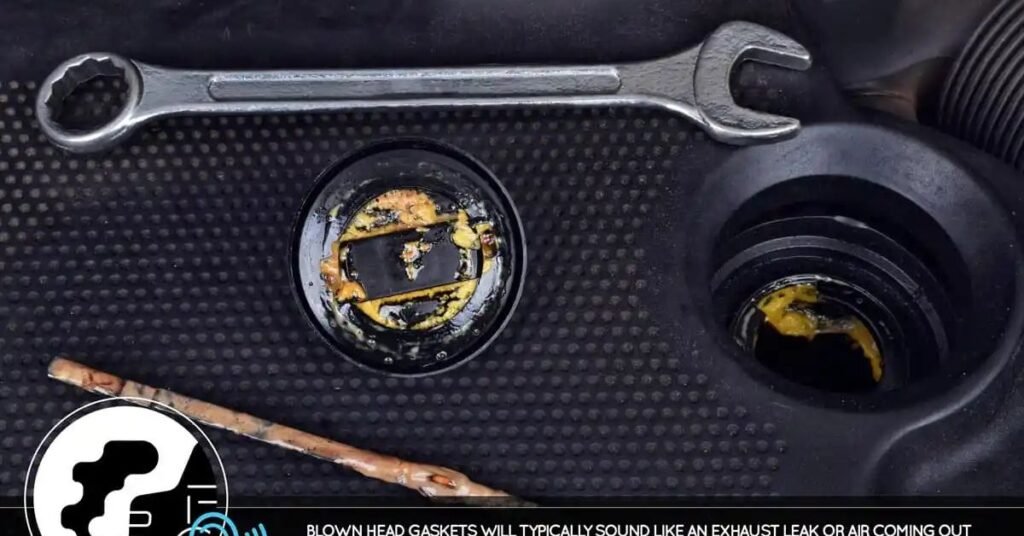
When a head gasket blows, the seal between the engine parts breaks. This allows coolant and oil to mix together. Engine oil is meant to stay clean and smooth for proper lubrication. But when coolant enters, the oil becomes thick and dirty. It may look milky or creamy, which is a clear warning sign.
This contaminated oil cannot protect engine parts the way it should. It loses its ability to reduce friction and heat. As a result, metal parts start wearing out faster. If the problem is ignored, it can lead to serious engine damage or even complete failure.
Why Oil and Coolant Mix Together
Oil and coolant mix when the head gasket is damaged. The gasket normally keeps both fluids in separate paths inside the engine. But when it cracks or burns out, small openings are created. These openings allow coolant to enter oil passages. As a result, both fluids start mixing inside the engine.
High engine heat is a common reason for this problem. Overheating can weaken or warp the head gasket. Pressure inside the engine also pushes fluids into the wrong areas. Once mixing starts, it spreads quickly through the system. This leads to contaminated oil and reduced engine protection.
How Contaminated Oil Damages Your Engine
- Reduces lubrication between moving engine parts
- Increases friction and heat inside the engine
- Causes faster wear on pistons and bearings
- Turns oil thick and sludgy, blocking smooth flow
- Damages internal metal surfaces over time
- Leads to overheating due to poor heat control
- Can clog oil passages and reduce pressure
- Increases risk of complete engine failure
Key Symptoms of Blown Head Gasket Oil Issues
Blown head gasket oil problems show clear warning signs. The most common sign is milky or creamy oil. You may see this on the dipstick or under the oil cap. This happens when coolant mixes with engine oil. The engine may also start overheating more often than usual.
You might also notice oil levels dropping without leaks. The engine can feel weak or run rough. In some cases, white smoke may come from the exhaust. These signs should never be ignored, as they point to serious engine trouble.
- Milky or frothy oil on dipstick
- Oil level dropping quickly
- Engine overheating frequently
- Loss of engine power
- Rough running or misfires
- White smoke from exhaust
Milky or Frothy Oil Under Oil Cap
Milky or frothy oil under the oil cap is a common warning sign. It usually looks like a creamy, light brown substance. This happens when coolant mixes with engine oil. The mixture forms a thick foam that sticks to the cap and nearby parts.
This is often linked to a damaged head gasket. However, small amounts can sometimes appear due to moisture buildup. The difference is in the quantity and consistency. Thick and heavy buildup usually means a serious engine issue that needs attention.
Milky or Frothy Oil
Milky or frothy oil inside the engine is a sign of contamination. Clean engine oil should be smooth and dark in color. When it turns milky, it means coolant has entered the system. This reduces the oil’s ability to protect engine parts.
Over time, this type of oil becomes harmful. It cannot lubricate properly and may cause internal damage. If left unchecked, it can lead to major engine failure. Regular checks can help catch this problem early.
Engine Overheating with Dirty Oil
Engine overheating with dirty oil is a serious combination. Dirty or contaminated oil cannot absorb and release heat properly. This causes the engine temperature to rise faster than normal. You may notice the temperature gauge going higher than usual.
As the engine overheats, more damage can occur inside. Heat can worsen the head gasket condition and increase oil contamination. This creates a cycle of damage that gets worse over time. Fixing the issue early can save the engine from costly repairs.
What Does Milky Oil Mean in Your Engine?
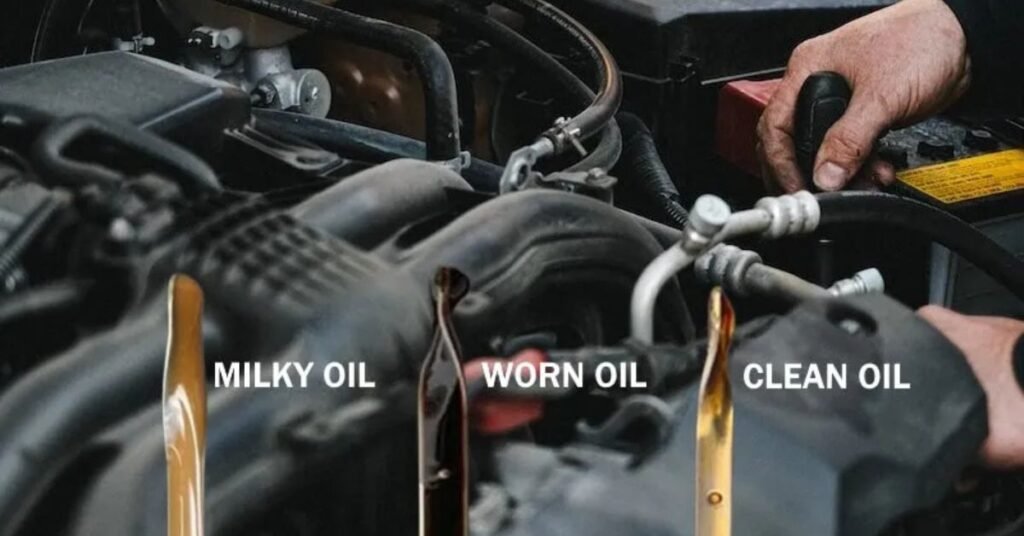
Milky oil in your engine usually means coolant has mixed with the engine oil. This often happens when the head gasket is damaged or failing. The oil loses its normal dark color and turns creamy or light brown. This is a serious warning sign that your engine sealing system is not working properly.
It can also mean internal engine parts are leaking fluids into each other. In some cases, short trips in cold weather can cause light moisture buildup. But thick, milky oil is not normal and should not be ignored. It often points to a bigger engine problem that needs quick inspection.
| Oil Condition | Appearance | Possible Cause | Risk Level | What It Means |
| Clean oil | Dark brown/amber, smooth | Normal engine use | Low | Engine is healthy |
| Slight cloudy oil | Light haze, still flowing | Moisture buildup (short trips) | Low | Usually temporary condition |
| Milky oil | Creamy, frothy texture | Coolant mixing with oil | High | Possible head gasket leak |
| Thick milky sludge | Very thick, pale color | Severe coolant contamination | Very High | Serious engine damage |
| Foamy oil under cap | Foam-like layer | Overheating or gasket failure | High | Warning sign of internal leak |
| Black thick oil | Very dark, sticky | Old oil, poor maintenance | Medium | Needs oil change soon |
Difference Between Condensation vs Serious Damage
Condensation is a mild condition that can sometimes look like milky oil. It usually happens when moisture builds up inside the engine. This is common in cold weather or when the car is used for short trips. The oil still works fine, and the engine is not seriously damaged in this case.
Serious damage, however, is very different. It happens when coolant mixes with engine oil due to a blown head gasket or internal leak. This makes the oil thick, creamy, and unsafe for engine use. If ignored, it can quickly lead to engine wear, overheating, or even complete failure.
| Feature | Condensation (Normal) | Serious Damage (Head Gasket Issue) |
| Oil appearance | Light haze or slight milky layer | Thick, creamy, frothy oil |
| Cause | Moisture from short trips or cold weather | Coolant leaking into oil system |
| Oil performance | Still works normally | Loses lubrication ability |
| Engine behavior | Runs normally | Overheating or rough performance |
| Severity | Low risk | High risk |
| Time it appears | Cold starts, winter mornings | Anytime, especially after overheating |
| Fix required | Usually none (drives off moisture) | Immediate repair needed |
| Warning level | Temporary condition | Serious engine failure risk |
When Milky Oil Signals a Blown Head Gasket
Milky oil becomes a serious warning when coolant is clearly mixing with engine oil. This usually happens due to a blown head gasket or a cracked engine part. The oil turns thick, creamy, and loses its normal dark color. It can no longer protect the engine properly.
You should be more concerned if the milky oil keeps coming back after cleaning or oil changes. This means the internal leak is still active. You may also notice overheating, white smoke, or loss of engine power. At this stage, the engine needs quick inspection to avoid major damage.
Main Causes of Oil Contamination from Head Gasket Failure
- Engine overheating that weakens or burns the head gasket
- Continuous driving with low coolant levels or coolant leaks
- Old or worn-out head gasket losing its sealing strength
- High engine pressure forcing coolant into oil passages
- Warped cylinder head due to excessive heat
- Poor maintenance and delayed oil or coolant changes
- Using low-quality coolant or engine oil
- Engine detonation or knocking increasing internal stress
- Loose or damaged head bolts reducing gasket tight seal
- Previous engine repairs done incorrectly or poorly sealed
Engine Overheating Damage
Engine overheating is one of the biggest reasons for head gasket failure. When the engine gets too hot, the gasket loses its strength and sealing ability. This allows oil and coolant to mix inside the engine. Over time, this leads to serious internal damage.
If overheating happens again and again, the damage becomes worse. Metal parts expand and put extra pressure on the gasket. This can create cracks or complete gasket failure. Even a short overheating event can start long-term engine problems.
Poor Maintenance or Old Oil
Poor maintenance is a common cause of oil-related engine problems. When oil is not changed on time, it becomes thick and dirty. Dirty oil cannot protect engine parts properly. This increases wear and stress inside the engine.
Old oil also loses its cooling ability. It cannot handle high engine heat, which adds pressure on the head gasket. Maintaining a clean and smooth engine requires regular oil changes.Ignoring maintenance can lead to expensive repairs later.
Warped Cylinder Head Issues
A warped cylinder head happens when the engine overheats badly. The metal surface becomes uneven and cannot seal properly with the head gasket. This allows oil and coolant to leak into each other.
Once the cylinder head is warped, normal gasket sealing is no longer effective. Even a new gasket may fail if the surface is not fixed. This issue usually requires machine repair or part replacement. It is a serious condition that should not be ignored.
How to Diagnose Blown Head Gasket Oil Problems
- Check engine oil on the dipstick for milky or creamy color
- Inspect oil cap for frothy or white residue buildup
- Look for coolant level dropping without visible leaks
- Observe engine temperature rising more than normal
- Watch for white smoke coming from the exhaust
- Notice engine running rough or misfiring
- Check for oil contamination in coolant reservoir
- Listen for unusual engine knocking or weak performance
- Use a compression test to confirm internal pressure loss
- Scan OBD codes for overheating or misfire signals
Checking Dipstick and Oil Cap
- Pull out the dipstick and check oil color (milky, creamy, or frothy = warning sign)
- Look for oil that feels thick, sticky, or sludgy instead of smooth
- Inspect oil level dropping without any visible external leak
- Check inside the oil cap for white or brown foam-like residue
- Smell the oil for a burnt or unusual sweet smell (coolant mix)
- Wipe dipstick and recheck for consistent contamination signs
Performing a Compression Test
- Connect compression tester to each cylinder one by one
- Compare pressure readings between all cylinders
- Notice low or uneven pressure in one or more cylinders
- Look for pressure drop after a few seconds (possible leakage)
- Check if coolant or oil affects cylinder sealing performance
- Repeat test when engine is warm for more accurate results
- Identify weak cylinders that indicate head gasket failure
Signs Mechanics Look For
- Engine overheating history or repeated temperature spikes
- White smoke from exhaust during acceleration
- Milky oil inside engine or coolant contamination
- Loss of power or poor fuel efficiency
- Bubbles in radiator or coolant reservoir when engine runs
- Spark plugs showing wet or dirty buildup
- Pressure build-up in cooling system hoses
- Evidence of coolant loss without visible external leak
Can You Drive with Blown Head Gasket Oil?

Driving with blown head gasket oil problems is very risky.Oil mixes with coolant, causing the engine to lose proper lubrication. This can cause fast wear and overheating inside the engine. Even a short drive can make the damage worse.
In some cases, the car may still start and run. But that does not mean it is safe to drive. The engine is already under stress and can fail anytime. It is better to stop driving and get it checked as soon as possible.
- Engine overheating risk increases quickly
- Oil cannot protect engine parts properly
- Internal damage spreads faster with driving
- Coolant system pressure becomes unstable
- Risk of complete engine failure
- Repair cost becomes much higher if ignored
How to Fix Oil Contamination from a Blown Head Gasket
Fixing oil contamination from a blown head gasket usually requires professional repair. The damaged head gasket must be replaced so oil and coolant can stay separate again. After repair, the engine system is cleaned to remove all contaminated oil and coolant. This helps restore proper engine performance.
In many cases, the oil system also needs a full flush. This removes dirty sludge and protects engine parts from further damage. Mechanics also check for warped cylinder heads or other internal issues. If these are not fixed, the problem can return again.
| Step | What is Done | Purpose | Importance |
| Diagnosis | Check oil, coolant, compression test | Confirm head gasket failure | Very High |
| Head gasket replacement | Remove and install new gasket | Restore engine sealing | Critical |
| Cylinder head inspection | Check for warping or cracks | Ensure proper sealing surface | Very High |
| Engine oil flush | Clean contaminated oil system | Remove sludge and debris | High |
| Coolant system flush | Replace dirty coolant | Prevent overheating | High |
| Oil change | Fill fresh engine oil | Restore lubrication | Critical |
| Pressure testing | Check system leaks | Confirm repair success | High |
| Final engine test | Run engine under load | Ensure proper performance | Very High |
Head Gasket Replacement Process
- Engine is cooled down and battery is disconnected for safety
- All fluids like oil and coolant are drained from the engine
- Engine parts like intake and exhaust manifolds are carefully removed
- Cylinder head is taken off to reach the damaged head gasket
- Old gasket is cleaned and removed from the engine surface
- Cylinder head is checked for cracks or warping issues
- New head gasket is placed and aligned properly
- Engine parts are reassembled in correct order
- Fresh oil and coolant are refilled into the system
- Final engine test is done to check performance and leaks
Flushing Contaminated Oil System
Flushing a contaminated oil system is an important step after a blown head gasket repair. It helps remove dirty oil, sludge, and coolant mixed inside the engine. This process cleans the oil passages so fresh oil can flow properly again. Without flushing, leftover contamination can still damage engine parts.
During the flush, special cleaning oil or engine flush fluid is used. The engine is run for a short time to break down buildup inside. After that, the old dirty oil is completely drained. Finally, new clean engine oil is added to restore proper lubrication and protection.
Estimated Repair Cost in the U.S.
Head gasket repair in the U.S. is considered one of the most expensive engine fixes. The total cost usually depends on the engine type, damage level, and labor charges. Most drivers pay more for labor than parts because the repair requires engine disassembly. In many cases, overheating damage can also increase the final bill.
On average, repair costs can vary widely from lower to higher ranges. Small engines cost less, while V6 and V8 engines are more expensive to fix. If additional damage like warped heads is found, the price can go even higher.
Estimated Head Gasket Repair Cost Table (U.S.)
| Vehicle Type | Low Cost | Average Cost | High Cost | What Affects Price |
| 4-Cylinder Cars | $1,000 | $1,500–$2,000 | $2,500 | Easier engine access |
| V6 Engines | $1,500 | $2,000–$3,200 | $4,000+ | More labor time |
| V8 / Trucks | $2,000 | $3,000–$4,500 | $6,000+ | Complex engine layout |
| Severe Damage Cases | $3,500 | $4,000–$6,000 | $10,000+ | Warped head / engine overhaul |
How to Prevent Blown Head Gasket Oil Problems
- Change engine oil regularly to keep lubrication clean and effective
- Check coolant level often to avoid engine overheating
- Fix small coolant or oil leaks before they become bigger problems
- Avoid driving with an overheating engine for long periods
- Use high-quality engine oil and coolant recommended by manufacturer
- Keep radiator and cooling system clean and working properly
- Replace old hoses and thermostat if they show wear or damage
- Do regular engine inspections during servicing
- Warm up the engine properly before heavy driving
- Avoid overloading the vehicle for long distances or tough conditions
Regular Oil Changes and Coolant Checks
- Change engine oil on time to keep it clean and effective
- Use the correct oil grade recommended for your vehicle
- Check oil level regularly using the dipstick
- Inspect oil color for early signs of contamination
- Monitor coolant level in the reservoir tank often
- Refill coolant only with proper mix (not plain water)
- Check hoses, radiators, and reservoirs for leaks
- Replace old oil and coolant before they lose performance
- Keep service schedule consistent to avoid engine stress
- Clean oil and coolant help prevent gasket damage
Avoiding Engine Overheating
- Do not ignore rising engine temperature gauge
- Stop driving immediately if overheating starts
- Keep radiator fan and cooling system working properly
- Avoid long drives in extreme heat without breaks
- Check thermostat for proper engine temperature control
- Clean radiator to ensure proper airflow and cooling
- Fix coolant leaks quickly before they worsen
- Do not push engine with heavy load during overheating
- Maintain correct coolant level at all times
- Healthy cooling system protects head gasket from failure
Using the Right Engine Fluids
- Always use manufacturer-recommended engine oil grade
- Do not mix different types of engine oil
- Use proper coolant type designed for your engine
- Maintain correct oil-to-coolant balance in the system
- Avoid cheap or low-quality engine fluids
- Replace fluids at recommended service intervals
- Check compatibility before topping up fluids
- Use clean, fresh fluids to protect engine components
- Proper fluids reduce heat and friction inside engine
- Good quality fluids help extend engine and gasket life
Conclusion
A blown head gasket oil problem is a serious issue that should never be ignored. It can cause oil and coolant to mix, which leads to poor engine performance and long-term damage. Early signs like milky oil, overheating, or loss of power are important warnings. If these symptoms appear, quick action can save your engine from costly repairs.
Taking care of your engine is the best way to avoid this problem. Regular oil changes, proper coolant levels, and preventing overheating can protect the head gasket. Simple maintenance steps make a big difference in engine health. If you notice any unusual signs, it is always better to get your vehicle checked early instead of waiting for a breakdown.
FAQs
1. What is blown head gasket oil?
Blown head gasket oil is when engine oil gets contaminated due to a failed head gasket. It usually mixes with coolant and turns milky or frothy in appearance.
2. What are the first signs of oil contamination?
The earliest signs include milky oil on the dipstick, engine overheating, and a drop in coolant level without visible leaks. These warnings show internal engine damage.
3. Can I still drive with blown head gasket oil?
It is not safe to drive because the oil loses its ability to protect engine parts. Continued driving can quickly lead to severe engine failure and expensive repairs
.
4. Why does oil turn milky in a head gasket failure?
Oil turns milky when coolant leaks into the oil system through a damaged head gasket. This mix reduces lubrication and harms engine performance.
5. How can I prevent blown head gasket oil problems?
Regular oil changes, maintaining coolant levels, and avoiding engine overheating are key prevention steps. Good maintenance keeps the engine sealed and healthy.
.
