

Introduction
A bad temperature sensor can cause many engine problems. This sensor checks the engine temperature and sends data to the car’s computer. When it fails, the engine may not run the way it should. Knowing bad temp sensor symptoms can help you avoid costly repairs.
Many drivers ignore small warning signs at first. But even a minor sensor issue can turn into a big problem. Poor performance, wrong readings, and overheating can happen quickly. That’s why recognizing bad temp sensor symptoms early is very important.
In this guide, we will explain the most common bad temp sensor symptoms. You will learn how these signs affect your car. This will help you decide when to inspect or replace the sensor before serious damage occurs.
Bad Temp Sensor Symptoms
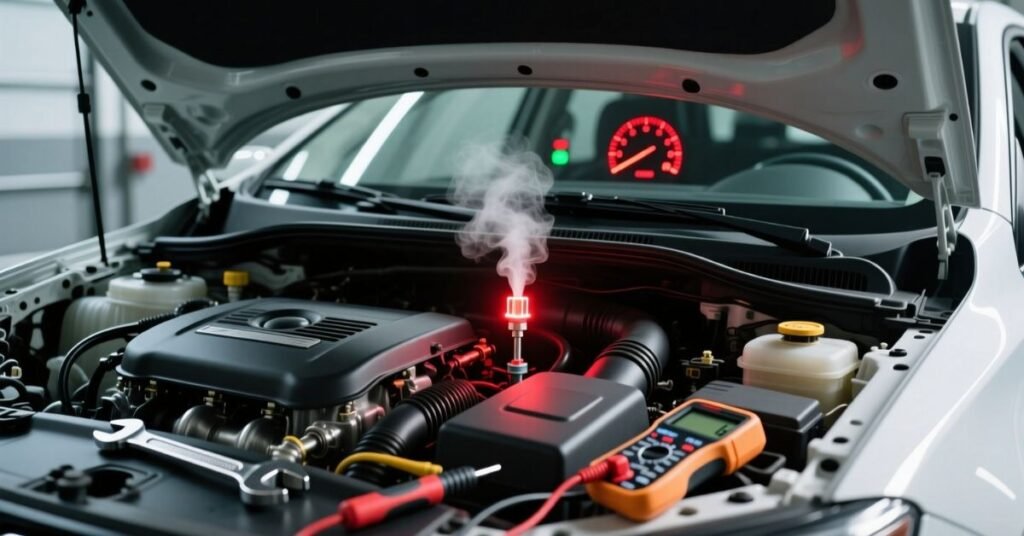
A bad temperature sensor can confuse your car’s engine system. It may send wrong temperature readings. This can cause overheating or poor engine performance. Fuel economy often gets worse. These bad temp sensor symptoms should never be ignored.
What Is a Coolant / Engine Temperature Sensor?
The coolant or engine temperature sensor measures engine heat. The main purpose of it is to prevent damage to the engine.. It tells the car when to adjust fuel, ignition timing, and cooling fans. The sensor communicates with the ECU by sending electrical signals. When this communication fails, many engine problems can appear.
Most Common Bad Temp Sensor Symptoms
A bad temperature sensor often causes the engine to overheat. This happens because the sensor sends wrong temperature data. Poor fuel economy is another common issue. There is also a possibility that you will see the check engine light come on.. These are clear bad temp sensor symptoms.
Other problems can show up while driving. Black smoke may come from the exhaust due to excess fuel. The engine can idle rough or run unevenly.There may be a delay in turning on cooling fans.. Noticing these bad temp sensor symptoms early can help prevent engine damage.
Sensor Fault Causes Performance & Driveability Issues
A faulty temperature sensor can make your car hard to start.It is possible for the engine to not start at all at times.. This happens because the ECU gets wrong temperature information. The fuel mixture may also be affected. The engine can run too rich or too lean, which reduces performance.
Sudden stalling is another problem caused by a bad sensor.It is possible for the engine not to start at all at times.. This makes driving unsafe and unpredictable. Recognizing these performance issues early can save you from costly repairs.
Can a Bad Coolant Temperature Sensor Prevent Car from Starting?
Yes, a bad coolant temperature sensor can stop your car from starting. Incorrect temperature readings confuse the ECU. Fuel may be too much or too little for the engine.. This can make starting difficult or impossible, especially in cold or hot conditions.
Mechanics often see this problem during diagnosis. They check sensor readings with special tools. Sometimes, replacing the sensor fixes the no-start issue immediately. Real-world scenarios show how critical this sensor is for proper engine function.
Where Is the Coolant Temperature Sensor Located?
The coolant temperature sensor is usually near the engine’s thermostat. It can also be found on the cylinder head or engine block. In most vehicles, it is easy to spot with a quick visual check. Knowing its location helps when inspecting or replacing the sensor.
Location can vary by engine type. Some engines have more than one temperature sensor. Diesel and gasoline engines may place sensors differently. Always check your vehicle’s manual to find the exact position. This ensures proper diagnosis and repair.
Diagnosing a Bad Coolant Temperature Sensor
The first step is a visual inspection. Check the sensor for cracks, corrosion, or loose connections. Damaged wires can also cause problems. Sometimes, cleaning the sensor can help, but often it needs replacement.
A scan tool can make diagnosis easier. It shows the temperature readings sent to the ECU. Check these readings against the actual engine temperature.. Watch the temperature gauge on the dashboard too. If it behaves strangely, it can indicate a bad sensor.
How to Check a Faulty Temperature Sensor
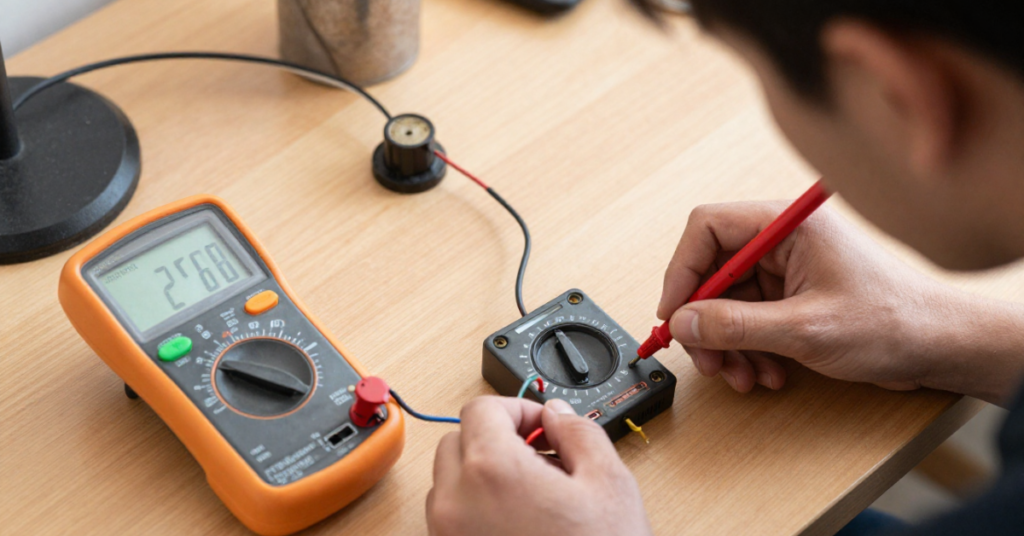
The temperature sensor can be tested with a multimeter.. First, disconnect the sensor from the wiring. Measure the voltage or resistance according to the car manual. This helps identify if the sensor is working properly.
Check the resistance values at different engine temperatures. The sensor is faulty if the readings are outside the specified range.. When a sensor shows consistent errors, replacement is necessary. Installing a new sensor restores proper engine performance.
What Causes Temperature Sensor Failures?
Temperature sensors can fail for several reasons. Heat damage is a common cause. Constant high engine temperatures can wear out the sensor. Electrical wiring issues like frayed wires or loose connections also lead to failure.
Coolant contamination can affect sensor performance too. Dirt, rust, or old coolant can damage the sensor. Common causes include:
- Overheating of the engine
- Corroded or damaged wiring
- Dirty or contaminated coolant
Understanding these causes helps prevent future sensor problems. Regular maintenance can keep your sensor working properly.
Other Faulty Temperature Sensor Types & Symptoms

Besides the standard coolant sensor, other types can fail too. A faulty thermocouple often gives incorrect temperature readings. This can cause overheating, poor fuel efficiency, or sudden engine shutdown. Other signs include fluctuating dashboard readings and inconsistent engine performance.
A faulty RTD (Pt100) sensor also shows wrong temperatures. It may cause rough idling, hard starting, or poor acceleration. Below is a simple table summarizing these symptoms:
| Sensor Type | Common Symptoms |
| Thermocouple | Overheating, poor fuel economy, sudden engine shutdown, fluctuating readings |
| RTD (Pt100) | Rough idling, hard starting, poor acceleration, inaccurate dashboard readings |
Knowing these symptoms helps you identify which sensor is causing problems. Early detection prevents bigger engine issues.
Additional Steps If You Still Have Issues
If problems continue, check the ECU and wiring. Loose connections, damaged wires, or ECU faults can affect sensor readings. Carefully inspect all related components to ensure they work properly.
Sometimes, the issue may be too complex to fix alone. Consult a professional mechanic if the sensor or ECU still causes problems. Experts can diagnose accurately and prevent further engine damage.
Conclusion
Bad temp sensor symptoms can cause serious engine problems. Overheating, poor fuel economy, rough idling, and warning lights are common signs. This can lead to expensive repairs and unsafe driving if ignored.
Regular checks and early diagnosis are important. Testing or replacing a faulty sensor keeps your engine running smoothly. Paying attention to bad temp sensor symptoms helps you avoid bigger car issues and ensures safer driving.
FAQs:
1. What are the common bad temp sensor symptoms?
Common symptoms include engine overheating, poor fuel economy, rough idling, black smoke, and check engine light.
2. Can a bad temp sensor cause my car not to start?
Yes, incorrect temperature readings can prevent the engine from starting properly.
3. How do I test for bad temp sensor symptoms?
You can test using a multimeter or scan tool to check voltage, resistance, and sensor readings.
4. Can a bad temp sensor affect fuel efficiency?
Yes, a faulty sensor can cause the engine to run too rich or too lean, lowering fuel economy.
5. Should I replace the sensor if I notice bad temp sensor symptoms?
Yes, replacing a faulty sensor early prevents engine damage and restores proper performance.
