


Introduction:
Antifreeze, also called coolant, helps keep your engine at the right temperature.The cooling system is also protected from rust and corrosion.. A bad antifreeze color chart shows when the coolant color changes due to age, dirt, or damage. These color changes are early signs that something is wrong.
Many car owners ignore coolant color until the engine overheats. This small mistake can lead to costly repairs. A simple look at a bad antifreeze color chart can save your engine. It helps you know when the coolant is no longer safe to use.
This topic explains common bad antifreeze colors and what they mean. It also helps you understand when to change coolant. By knowing these signs early, you can protect your car and avoid breakdowns.
What Is a Bad Antifreeze Color Chart?
A bad antifreeze color chart is a simple guide that shows unhealthy coolant colors. It helps car owners see when antifreeze has gone bad. Colors like brown, rusty, milky, or dark mean the coolant is contaminated. These colors often point to rust, oil mixing, or old coolant.
This chart makes it easy to know when to take action. You can compare your coolant color with the chart. If the color looks wrong, it is time to change the coolant. Using a bad antifreeze color chart can help prevent engine damage and overheating.
Common Antifreeze Colors and What They Should Look Like
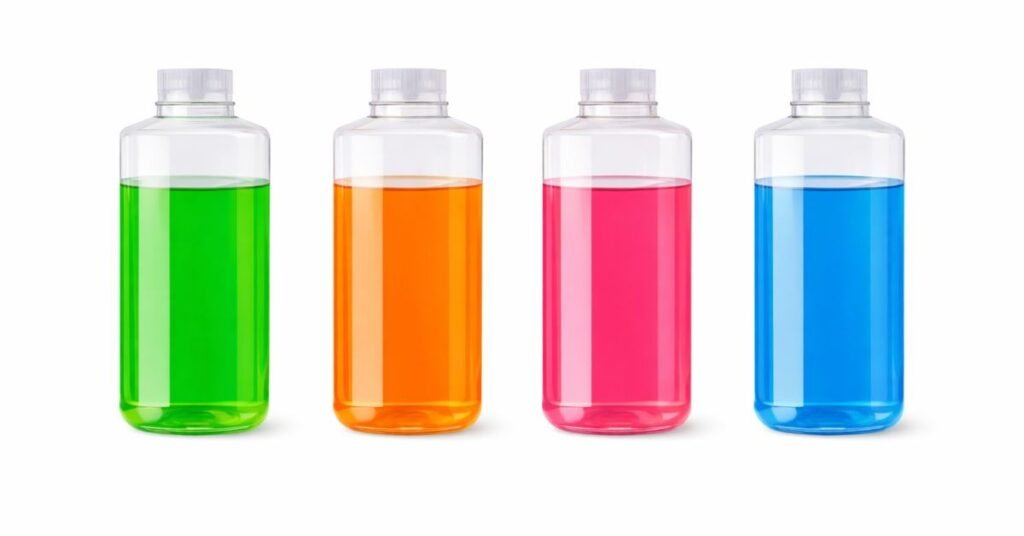

Antifreeze comes in a few common colors. Green coolant should look bright and clear. Orange antifreeze is usually clean and slightly transparent. Pink or red coolant should also look clear with no particles inside.
Healthy antifreeze always looks fresh and smooth. It should not be cloudy or dark. There should be no rust flakes or oily film on top. If the color looks dull or dirty, the coolant may be bad and needs replacement.
Green, Orange, Pink, Red, Blue
One of the most common types of antifreeze is green.. It usually looks bright and clear. Orange antifreeze lasts longer and should stay clean. Pink and red antifreeze are often used in modern cars and look smooth and transparent. Blue antifreeze is common in some Asian vehicles and should appear light and clean.
All normal antifreeze colors should look fresh. The liquid should not be cloudy or thick. There should be no rust, dirt, or oily film. If the color changes or looks dirty, the antifreeze may no longer be safe to use.
Bad Antifreeze Colors and What They Mean
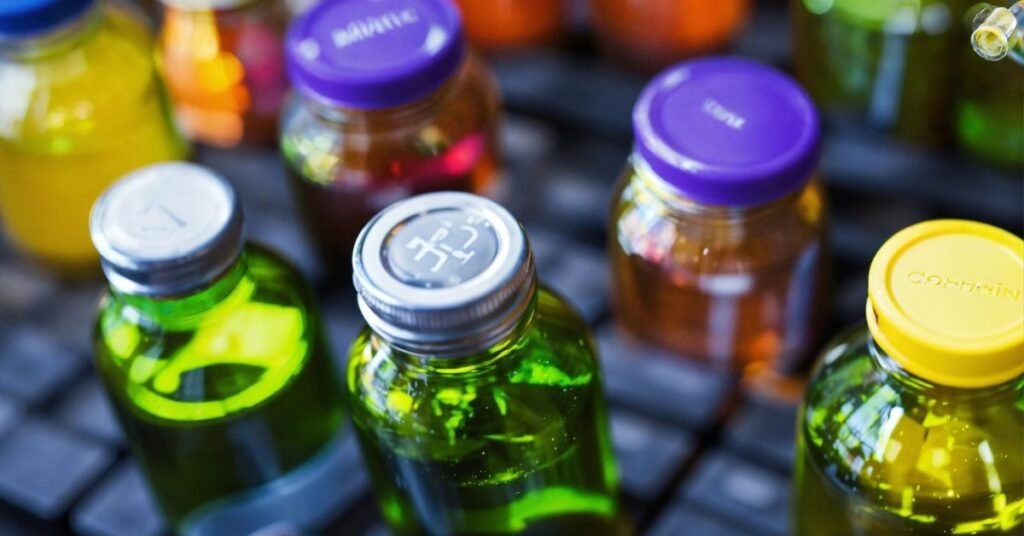
Bad antifreeze can show different colors that warn of problems. Brown or rusty coolant means rust is forming inside the system. Milky or creamy antifreeze shows oil has mixed with the coolant. Dark or black antifreeze usually means the liquid is old and dirty.
Other colors can also signal trouble. Cloudy or dull-colored coolant may indicate contamination. If you see any unusual color, it is time to check or change the antifreeze. Recognizing these bad colors early can protect your engine and prevent costly repairs.
Brown or Rusty Coolant
Brown or rusty coolant is a clear sign of rust inside your engine. It can damage the radiator and other parts if not fixed.
- Rust forms when coolant gets old or the system is exposed to air.
- Brown color can reduce the cooling efficiency.
- Immediate replacement is recommended to avoid engine damage.
Milky or Cream-Colored Coolant
Milky or cream-colored antifreeze usually means oil has mixed with coolant. This can happen from a blown head gasket or engine leak.
- Oil contamination changes the coolant texture.
- It can lead to overheating if not addressed.
- Fix the source of the leak before refilling coolant.
Black or Sludgy Antifreeze
Black or sludgy antifreeze is often very old or contaminated. The engine can no longer be properly cooled by it.
- Sludge blocks small passages in the radiator and engine.
- It may cause overheating or engine damage.
- Flush the system completely and refill with fresh coolant.
Visual Bad Antifreeze Color Chart (Good vs Bad Coolant)
A visual bad antifreeze color chart helps car owners quickly see which coolant is safe. Good coolant looks clear, bright, and fresh. Bad coolant is dark, cloudy, or has unusual colors like brown, black, or milky. Using a chart makes it easy to spot problems before they damage your engine.
Here is a simple table comparing good vs bad coolant:
| Coolant Color | Good Coolant Look | Bad Coolant Look / Meaning |
| Green | Bright, clear | Brown, rusty → rust inside system |
| Orange | Clear, slightly transparent | Dark or muddy → old or contaminated |
| Pink / Red | Smooth, transparent | Milky or cream → oil mixed with coolant |
| Blue | Light, clean | Cloudy or dark → contaminated or old |
| Brown / Rusty | N/A | Rust forming inside engine |
| Milky / Cream | N/A | Oil contamination / gasket leak |
| Black / Sludgy | N/A | Very old or dirty coolant, blocks radiator |
This chart makes it easy to compare your car’s coolant color. If your antifreeze looks like any bad color above, it is time to replace it. Regular checks can save your engine from overheating and damage.
What Causes Antifreeze to Change Color?

Antifreeze can change color for several reasons. One common cause is old coolant that has broken down over time. Rust or corrosion inside the engine can also turn the liquid brown or dark.
Leaks or contamination can change antifreeze too. Oil mixing with coolant can make it milky or creamy. Dirt and debris may make it cloudy or sludgy. Knowing these causes helps you act before serious engine damage happens.
Mixing Incompatible Coolant Types
Mixing different types of antifreeze can cause color changes. Some coolants react and form sludge or clumps.
- Never mix traditional green with modern pink or orange coolant.
- Incompatible coolant reduces cooling efficiency.
- Always check the manufacturer’s recommendation before adding new coolant.
Rust, Corrosion, and Old Coolant
Rust and corrosion inside the engine can change coolant color. Old coolant also loses its protective properties over time.
- Brown or dark coolant signals rust.
- Cloudy or thick coolant shows it is old.
- Regular flushing prevents corrosion and keeps the system healthy.
Oil or Head Gasket Contamination
Oil or head gasket leaks can mix with coolant and change its color. This usually makes the coolant milky or cream-colored.
- Milky coolant indicates oil contamination.
- It can cause overheating and engine damage.
- Fix leaks immediately and replace the coolant.
Can You Drive With a Bad Antifreeze Color?
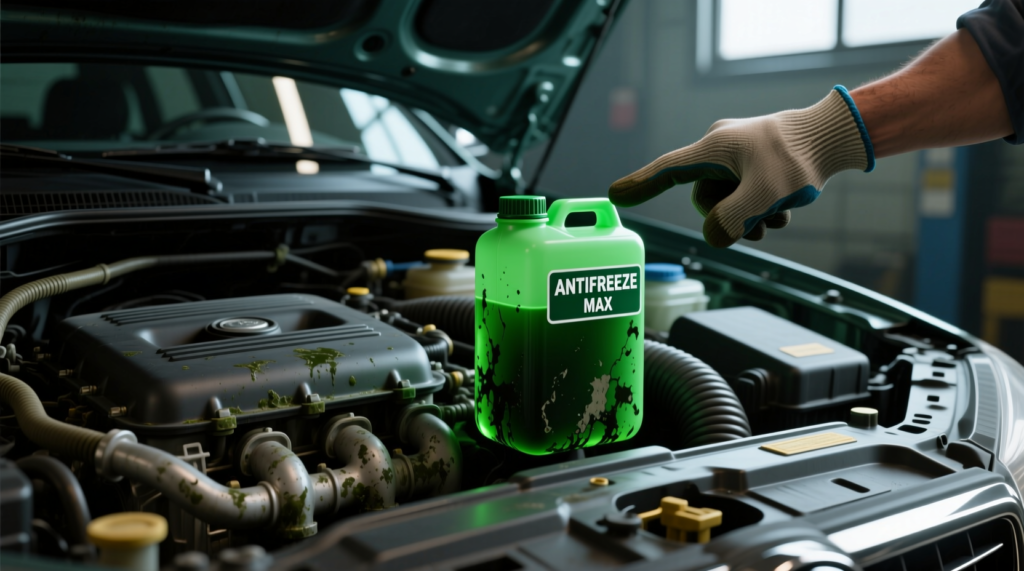
Driving with bad antifreeze is risky. Discolored or contaminated coolant cannot cool the engine properly. This can lead to overheating and serious engine damage.
Even short drives can cause problems if the antifreeze is bad. It is best to check the coolant color regularly. If it looks rusty, milky, or sludgy, replace it before driving long distances.
What to Do If Your Coolant Color Looks Bad
If your coolant color looks bad, don’t ignore it. First, check the antifreeze level and inspect for leaks.
Next, flush the cooling system and replace the old coolant with fresh antifreeze. If you see milky or unusual colors, have a mechanic check for oil leaks or head gasket problems. Regular maintenance keeps your engine safe and running smoothly.
When to Flush the Cooling System
You should flush the cooling system when the coolant looks old or dirty. Flushing removes rust, debris, and contaminants.
- Coolant is brown, milky, or sludgy
- Engine is overheating frequently
- Manufacturer recommends a scheduled flush
When to See a Mechanic
See a mechanic if you notice unusual coolant colors or leaks. Some problems need professional repair to avoid engine damage.
- Milky or cream-colored coolant (oil contamination)
- Persistent overheating even after flushing
- Strange smells or steam from the engine
- Leaks around the radiator or hoses
Why You Should Never Rely Only on Coolant Color
Coolant color can give clues, but it is not always enough to judge its condition. Some problems may not change the color at first. Relying only on color can make you miss leaks, low levels, or chemical breakdown.
It is better to check multiple signs to protect your engine. Use a combination of color, smell, texture, and regular maintenance. Here is a table showing what to watch besides color:
| Sign to Check | What It Indicates | Action Needed |
| Coolant level | Low coolant | Refill and check for leaks |
| Coolant smell | Sweet or burnt smell | May indicate overheating or contamination |
| Coolant texture | Sludgy, oily, or thick | Flush and replace coolant |
| Engine temperature | Overheating | Inspect radiator, thermostat, and coolant |
| Visible leaks | Hoses, radiator, or water pump leaks | Repair or replace leaking parts |
| Engine performance | Poor heating or overheating | Check cooling system fully |
Checking these signs along with color gives a complete picture of your coolant health. This helps prevent engine problems and costly repairs.
How to Choose the Right Coolant After Finding Bad Color
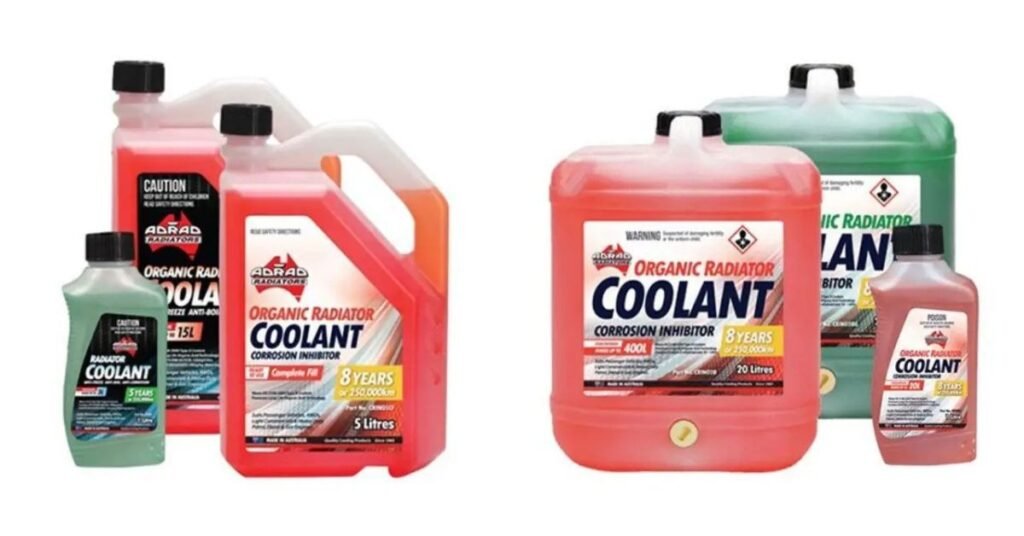
After finding bad coolant color, choosing the right antifreeze is important.Check your car’s manual for the recommended type.. Using the wrong coolant can cause corrosion or reduce cooling efficiency.
Look for coolant that matches your car’s color and type. If you’re unsure, ask a mechanic or use a trusted brand. Always flush out old coolant before adding new antifreeze. In this way, you can keep your engine running smoothly and safely.
Conclusion
A bad antifreeze color chart helps car owners spot problems early. It shows which coolant colors are safe and which are dangerous. Checking coolant color regularly can prevent engine damage and costly repairs.
Remember, color alone is not enough. Always inspect the coolant level, texture, and smell. If you see any bad color, flush the system and replace it with the right antifreeze. Using a bad antifreeze color chart keeps your engine healthy and your car running smoothly.
FAQs:
- What is a bad antifreeze color chart?
A bad antifreeze color chart shows which coolant colors are unsafe and need replacement. - Why does coolant change color?
Coolant changes color due to rust, old age, oil leaks, or mixing incompatible types. - Can I drive with bad coolant color?
It is risky; bad-colored coolant can cause overheating and engine damage. - How often should I check coolant color?
Check it at least every few months or during regular maintenance. - What should I do if my coolant matches a bad color?
Flush the cooling system and replace it with the recommended coolant immediately.
